A recent review published in the journal Sustainability focuses on results of life cycle analysis (LCA) articles that summarize the current state of food choices on our environment. This narrative review “aims to demonstrate that healthy plant-based choices in our diet are linked to choices beneficial to our environment.” The authors also highlight the opportunities and constraints of implementing plant-based diets. (Polyak et al, 2023)
A healthful plant-based diet is an acceptable way to improve and maintain health and reverse some diseases. The definition of a plant-based diet is widespread, with the main emphasis on the consumption of raw or minimally processed vegetables, fruits, whole grains, legumes, nuts and seeds, spices, and herbs. A well-balanced plant-based diet is a useful tool for the primary prevention of many health conditions. However, it can also be used as adjunctive therapy for chronic diseases, including cardiovascular disease, obesity, certain types of cancer, type 2 diabetes mellitus and stroke. (Polyak et al., 2023)
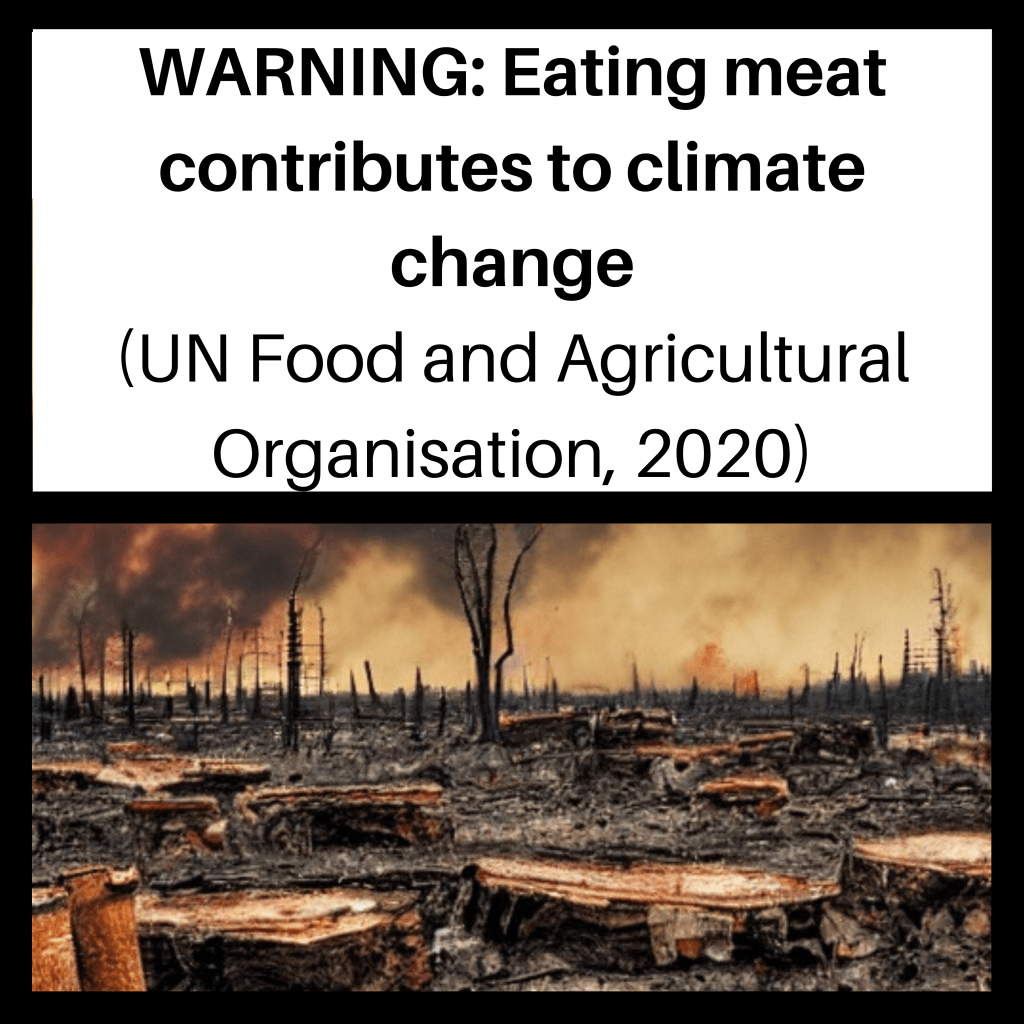
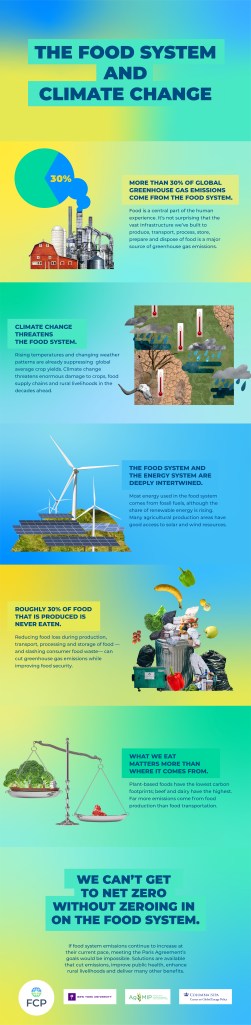
Numerous studies have shown that reducing the consumption of animal-based foods would have a positive impact not only on health but also on the environment. As well as becoming increasingly accepted by the public, the scientific consensus also indicates that the climate crisis is caused mainly by human activity. According to the Report of the United Nations Environment Programme (UNEP), the world population needs to reduce carbon emissions by 25% by 2030. The global food supply is responsible for approximately 26–34% of total carbon emissions (13.6–17.9 billion tonnes of CO2 equivalent (CO2eq). (Polyak et al., 2023)
It is estimated that 50% of total greenhouse gas emissions from food production are related to agribusiness activities. According to researchers, meat and dairy products have the greatest environmental impact, which can lead to the depletion of our planet’s resources. Population growth and consumption data suggest that demand for livestock products could increase by up to 70% by 2050.
Furthermore, due to changes in temperatures, storms and heat waves are getting more severe, directly affecting mental and physical health. Rising temperatures and extreme weather conditions can put a strain on people suffering from common health problems such as cardiovascular disease, kidney disease, mental disorders, and diabetes. Increasing numbers and magnitude of heat waves contribute to the occurrence of stroke and acute kidney injury. Air pollution can increase the risk of respiratory diseases, for example, asthma, chronic obstructive pulmonary disease, and lung cancer. (Polyak et al., 2023)
Climate change is linked to several other factors that potentially have a knock-on effect on the health of people and the planet. The major aim of this review was to assess the environmental indicators for the main foods included in plant-based diets. We focused on greenhouse gas emissions, water use, and land use, but for some foods and products, we also considered specific indicators to discuss their effect on the environment.
A further aim of this review was to assess the environmental impact of some animal products to evaluate their potential for inclusion in or exclusion from a plant-based diet. Considering these data, the authors ask the question: can sustainability—at least partially—be a matter of choice, and do people have authority over their health and even over the health of the environment. (Polyak et al., 2023)
Figure 1: Illustration of a continuum of different diets
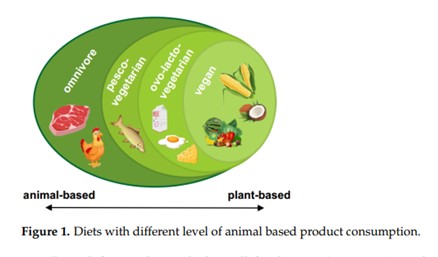
From left to right, see a variety of diets with a different level of animal-based product consumption: including all food items (omnivore), the exclusion of meat (pesco‐vegetarian), the exclusion of meat and fish (ovo‐lacto‐vegetarian) to the complete exclusion of products of animal origin (vegan).
The water footprint (WF) of one product is a measure of the water consumed and polluted per unit of the product produced. Depending on the source of the water, the water footprint can be green water (water mainly from precipitation and evaporation), blue water (water from soil or surface water) and grey water (a contaminated form of blue water). Harris et al. (2020) found that diets which contain more plant‐based foods have a lesser water footprint. This study showed that turning to diets that contain no animal foods from typical omnivore dietary patterns would decrease the entire water footprint by 25% and the blue water footprint by 12%. (Polyak et al., 2023)
The importance of a plant‐based diet for environmental issues goes far beyond reducing greenhouse gas emissions, land use and water use. Evidence suggests that soil loss, declines in top predators and wild herbivores, overfishing, soil and water pollution, and sedimentation of coastal areas while increasing pressures on biodiversity and ecosystems can be attributed to people’s food choices, particularly to meat consumption.
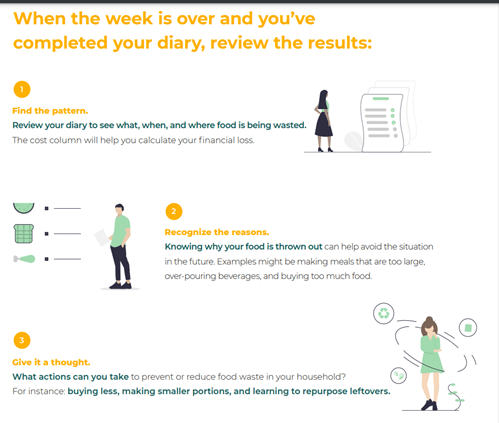
Current global food production is unhealthy and unsustainable; thus, the food we consume poses a risk to both the planet and people. A ‘Great Food Transformation’ (i.e., the adoption of the EAT-Lancet planetary health diet that is based on the 6 planetary boundaries affected by food production) is needed to develop a health-promoting and sustainable food production system. The lack of integrated global policies means sustainable and health-promoting food production cannot be guaranteed. The current food supply system is also extremely wasteful. (Polyak et al, 2023)
In most cases, the current National Dietary Guidelines (NDGs) exceed several of the planetary boundaries for food production several times. The food consumption patterns of individual G20 (Group of Twenty) countries and the NDGs they set are more resource-intensive than the natural resource base can support. Therefore, it is more important now than ever to emphasize the importance of personal choice. When it comes to health, most people can identify a wide range of factors that act against or for diseases. The development of high numbers of non-communicable diseases) mostly depends on personal choices (e.g., smoking, alcohol consumption, physical inactivity etc.), and the same applies to environmental factors.
The lack of governmental and intergovernmental intention makes it essential that a high proportion of the population becomes aware of the consequences of their choices that determine not only their health but also the status of the environment. Plant-based diets appear to be more sustainable than diets rich in animal products, and by reducing the consumption of animal foods or eliminating them, they have a potentially lesser impact on the environment. (Polyak et al., 2023)
In a US-based study, a healthy vegetarian diet had a 42–84% lower burden (in five of the six impacts) than U.S.-style healthy eating patterns and a healthy Mediterranean-style diet (both diets contained a different amounts of animal-based foods) (Blackstone et al., 2018). Changing diet or dietary element(s) in a healthier way also means acquiring sustainable choices. Hence, these healthy changes can reduce greenhouse gas emissions from the diet and reduce the carbon and water footprint of diets. (Polyak et al., 2023)
New plant-based “meat analogues” such as the Beyond Burger have shown a significantly lower carbon footprint (0.24 kg CO2eq/100 g) than ground beef (3.28 kg CO2eq/100 g) and slightly lower than the turkey burger (0.26 kg CO2eq/100 g). People may switch to plant-based diets for several reasons, including animal welfare, ethical, ecological, political, environmental, or spiritual reasons. One of the main drivers for reducing meat consumption is the health benefits of a plant-based diet, which have been confirmed by numerous studies. Planning and implementing this type of diet requires adequate information, food availability, financial resources, supportive communities, and advice from nutrition experts.
Some consumers see the substitution of animal products (especially meat) for a “meat analogue” as a viable option to facilitate climate-friendly actions. From a health point of view, this choice may not be appropriate (e.g., higher glycemic load and index, added sugar, and lower levels of dietary fiber, micronutrients, and antioxidants), but other sources have reported otherwise (lower saturated fat intake, the absence of heme iron, increased dietary fiber intake), so additional studies are needed. Furthermore, several economic and social factors pose challenges for plant-based meat alternatives to become widespread such as cost, availability, cultural and societal norms, marketing and advertising, government policies and subsidies. From an environmental sustainability point of view, however, it seems to be preferable. However, more research is needed on this topic. (Polyak et al., 2023)
Conclusions
In this life cycle analysis (LCA) of studies on the current state of the effect of food choices on the environment, these authors concluded that,
“At this point, separate factors (health and environment) are linked, and healthy choices can also be environmentally friendly. By limiting or eliminating animal foods and reducing consumption of highly processed foods, both factors can be met simultaneously. Policymakers should integrate and prioritize sustainability considerations in national dietary guidelines to facilitate consumer choice; such efforts are ongoing in several countries.”
They also noted that, “Generally speaking, consumers tend to make food consumption decisions based on the supply-demand principle and choose the cheapest food in terms of availability. Thus, the main factors influencing food choice are income and employment status, food availability, personal and social factors, geography and cultural habits, convenience, the demand for food security and access to personal transport. The negative impact of social and economic inequalities contributes to less sustainable and potentially unhealthy food choices.” (Polyak et., 2023)
Furthermore: “Governments need to focus on socio-economic issues such as improving livelihoods, educating and developing sustainable eating habits and making agriculture more sustainable.” Agriculture and food systems are facing several challenges, such as climate change, competition for natural resources, growing population, overconsumption, and food waste. Sustainable food production systems and products need to be developed to address these issues. However, this is not possible without the aid of guidelines proposed by governments. National food and nutrition policies must move towards sustainable plant-based diets.”
Finally, these authors pointed out that: “we believe it is important to make consumers aware that their food choices have a significant impact not [only on] their health but on the environment [as well]. In this context, sustainable diets can be a matter of choice not only for governments but also for citizens.” (Polyak et al., 2023)
Towards healthy and sustainable diets in Mexico: Dietary Guidelines for Mexico (2023)
At the launch event of the new Dietary Guidelines for Mexico (2023), general director of the National Center for Preventive Programs and Disease Control, Ruy López Ridaura, explained that the Intersectoral Group on Health, Food, Environment and Competitiveness (Gisamac) developed the new guidelines to address poor nutrition and to promote the health of people and the planet.
“The new guidelines represent a practical tool for dietary guidance and nutritional education of the general population, health professionals at the first level of care, nursing, nutrition, health promotion, and other actors who provide nutrition education.”
The Dietary Guidelines are based on 10 diet recommendations that are easy to communicate to the people in Mexico. “This will help the population understand what to eat, what foods to reduce or what to increase”, said Mr López Ridaura.
The new guidelines respond to the need to integrate a holistic vision of the agri-food system and meet international requirements.”
“Saludiaro reports that Mr López Ridaura explained that the new guidelines are a key tool for the design and enforcement of public policies for food production, distribution and change in the environments where people live and work. At the same time, the recommendations can be translated into local contexts because Mexico is a diverse country in terms of culinary culture.
The new Dietary Guidelines contain recommendations on the nutrients that people in Mexico should consume daily; the amount of plain water; the products that should be avoided, as well as the type of physical activity that promotes good health and well-being.”
“Mexico has the best food guide in the world”
“The director of the Center for Research in Nutrition and Health of the National Institute of Public Health (INSP), Simón Barquera Cervera, acknowledged that Mexico now has the best dietary guidelines in the world.”
“Mr Barquera Cervera highlighted that the new Dietary Guidelines in Mexico constitute a paradigm shift, since they are based on scientific evidence, followed rigorous technical development, and are supported by the consensus of a high-level multidisciplinary team, without conflicts of interest.”
Developing the guidelines was a process free from the participation and interference of the junk food and alcohol industries.
“The new dietary guidelines identify the importance for Mexicans to avoid unhealthy products, including alcohol, and warn about the importance of not using infant formulas, that is, breast milk substitutes that can cause serious damage.”
The new dietary guidelines inform, guide and align policies, programs and legal instruments related to food and health in Mexico.
“The dietary recommendations work for low-income populations, indigenous groups, girls and boys, and pregnant women, with a gender approach and inclusive language.
The development of the new guidelines has been possible due to the technical and financial support of the United Nations Children’s Fund (UNICEF) and the technical advice of the Food and Agriculture Organization of the United Nations (FAO).”

Corporate diets dominate in Mexico
“In Mexico corporate diets are highly prevalent, meaning unhealthy eating patterns, characterized by a low prevalence of exclusive breastfeeding, low consumption of fruits, vegetables, legumes and nuts, as well as insufficient physical activity, and high alcohol use.
In launching the guidelines, experts explained that the Mexican population must move towards healthy and sustainable eating models, that is, dietary patterns that promote people’s health and well-being; that exert less pressure on natural resources and have lower environmental impact, are accessible, affordable, safe, equitable and culturally acceptable.
Director of Nutrition Policies and Programs of the INSP, Anabelle Bonvecchio Arenas, said that healthy dietary patterns start with exclusive breastfeeding from birth to six months of age and a diet based on plant-based foods throughout life.
She explained that the guidelines are made up of recommendations that involve products, as well as resources that contribute to changing the food system towards better practices related to diet, health, nutrition and sustainability.
She added that the guidelines are part of the new food system promoted by the federal government:
- it integrates a gender-sensitive approach and equal rights, especially for vulnerable groups;
- it takes into account the environmental impact, its affordability, consumption patterns of the population, sociocultural influences of food and cultural belonging, as well as
- physical activity, and
- a section with adaptations for girls, boys and pregnant women, as well as recommendations on avoiding alcohol consumption.
“The current food system in Mexico contributes to climate change and the degradation of the planet, and is part of the determinants of the global syndemic of malnutrition and obesity .
The current food system also contributes to the loss of biodiversity and excessive use of water.
The production and consumption of food worldwide generates a third of the greenhouse gas emissions that have a negative impact on climate change.
Ultra-processed products fuel environmental degradation, such as deforestation and loss of biodiversity, since they are based on monocultures, high processing and generate waste derived from packaging, among other aspects.”
References
Polyak, E.; Breitenbach, Z.; Frank, E.; Mate, O.; Figler, M.; Zsalig, D.; Simon, K.; Szijarto, M.; Szabo, Z. Food and Sustainability: Is It a Matter of Choice? Sustainability 2023, 15, 7191. https://www.mdpi.com/2071-1050/15/9/7191
New Mexican Dietary Guidelines Recommend to Avoid Alcohol. Movendi International. May 23, 2023. Available at: https://movendi.ngo/news/2023/05/23/mexico-new-dietary-guidelines-recommend-to-avoid-alcohol/
SSA, INSP, GISAMAC, UNICEF. 2023 Guías alimentarias saludables y sostenibles para la población mexicana 2023. México.
Olivares O. Mexican Dietary Guidelines recommend that 92% of our plate be plant foods! The Vegetarian Resource Group Blog. July 14, 2023. Available at: https://www.vrg.org/blog/2023/07/14/mexican-2023-dietary-guidelines-recommend-that-92-of-our-plate-be-plant-foods/#:~:text=Mexican%20dietary%20guidelines%20were%20updated%20on%20May%2022%2C%202023.&text=The%20new%20version%20of%20the,foods%20products%20are%20now%20stressed.
Nestle M. Mexico’s terrific new dietary guidelines. Yes! Food Politics. May 30, 2023. Available at: https://www.foodpolitics.com/2023/05/mexicos-terrific-new-dietary-guidelines-yes/









 Sustainable RDN