The New Food Guide for Colombia: Biodiversity, identity, and health at the table

In 2025, the Colombian Institute of Family Welfare (ICBF) and the University of Antioquia presented the Dietary Guide for the Colombian Population based on Biodiversity and Real Food. This document is not a single recipe or just another technical manual: it is the result of a participatory process with communities from the country’s 13 food-related territories—from the Amazon to the Caribbean, including the Pacific, the Llanos, and the Andean region.

The guide was developed through knowledge-sharing dialogues with farmers, Indigenous communities, Afro-Colombian communities, Raizal communities, Palenquera communities, and urban families. This approach allowed for the collection of ancestral knowledge, culinary practices, and diverse nutritional realities, recognizing that Colombia is not only a megadiverse country in terms of ecosystems, but also in cuisines, flavors, and ways of relating to food.

Traditionally, dietary guidelines have been based on universal parameters that prioritize nutrients and calories, but overlook the cultural, social, and environmental context. The new Colombian proposal innovates by incorporating the NOVA classification, which differentiates foods according to their level of processing, highlighting the importance of preferring fresh and real products over ultra-processed ones.

Furthermore, it introduces crucial topics such as:

Food sovereignty: the right of peoples to decide what to eat and how to produce it.

Agroecology and sustainability: the relationship between biodiversity, water, and responsible production systems.

Public health: recommendations for addressing growing problems such as obesity, malnutrition, and chronic diseases associated with the excessive consumption of ultra-processed foods.

Food governance: strategies that go beyond the kitchen and involve public policies, equitable access to food, and the protection of native seeds.

The value of this guide lies in its practical utility and local relevance. For families, it offers clear guidance on which foods to prioritize in their daily diet, how to revive traditional recipes, and how to identify ultra-processed products that should be reduced. For communities, it represents recognition of their knowledge and the importance of keeping their culinary traditions alive.

In the Amazon, the consumption of native fruits, roots, and local fish is promoted.

In the Andean region, dishes based on potatoes, corn, and quinoa are being revived.

On the Caribbean Coast, fish, seafood, and coconut-based combinations are valued.

On the Pacific Coast, traditional Afro-Colombian dishes are being strengthened with an emphasis on fresh, locally sourced products.

For decision-makers, this guide also offers data on the population’s energy and nutritional needs by region, environmental indicators such as carbon and water footprints, and proposals for integrating food considerations into public policies.

In a country with high levels of food inequality, this guide aims to become an instrument for social transformation. Its importance transcends individual nutrition: it strengthens cultural identity, boosts the local economy, protects biodiversity, and proposes solutions to the challenges of climate change. Ultimately, the Colombian Population’s Food Guide based on Biodiversity and Real Food invites all Colombians to rediscover the richness of their land and to make conscious choices that benefit their health and the planet.

Reference

La nueva Guía de Alimentación para Colombia: biodiversidad, identidad y salud en la mesa. English Translation by Christine McCullum-Gomez, PhD, RDN, Bogota, Colombia

https://mipa.uexternado.edu.co/2025/09/22/la-nueva-guia-de-alimentacion-para-colombia-biodiversidad-identidad-y-salud-en-la-mesa/

Impact of new octagonal front-of-package labeling on the purchasing probability of processed and ultra-processed foods in Colombia: New research

New research published in Food Quality and Preference evaluated the impact of front-of-package warning labels (FOPL) on the purchasing probability of processed and ultra-processed foods in Colombia. More specifically, the study evaluated the impact of black octagonal front-of-package warning labels (FOPL), introduced by Resolution 254 of 2023 (RESOLUCIÓN No. 254), on consumer purchasing intentions for processed and ultra-processed food products in Colombia (Rangel-Quinonez et al., 2025).

The study findings “demonstrated a significant reduction in purchase probability for 20 of the 22 evaluated foods, with an additive effect on the number of labels…. The food products with four labels showed the largest impact while those with a single label exhibited minimal changes. Greater label sensitivity was observed among participants with higher education levels and greater familiarity with nutritional labeling.” Finally, “a marginally significant inverse association was found between product price and the change in purchase probability.” (Rangel-Quinonez et al., 2025)

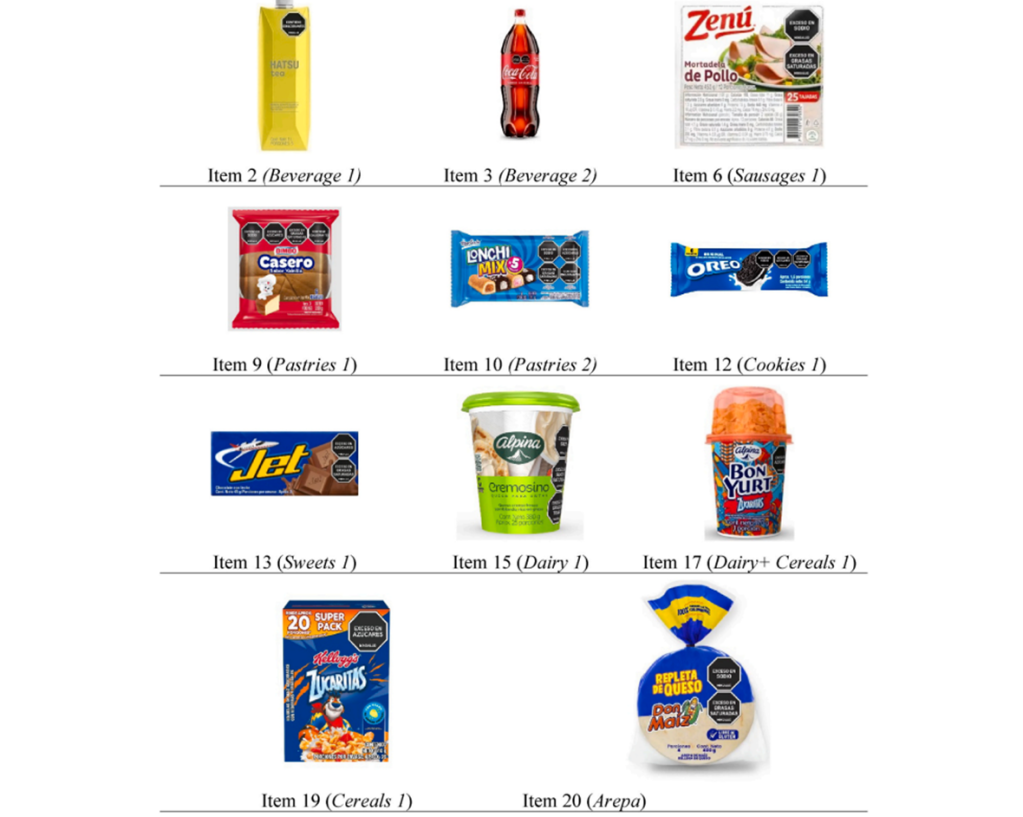
See Figure 1 for example octagonal FOPL required by Resolution 254 of 2023 in Colombia.

Figure 1. Nutrition warning labels according to Resolution 254 of 2023

Front-of-pack labeling (FOPL) has emerged as a key public health tool to inform consumers about the nutritional quality of foods and encourage healthier purchasing decisions. Front-of-package warning labels have gained prominence in Latin America due to their effectiveness in discouraging the consumption of unhealthy foods and beverages. (Rangel-Quinonez et al., 2025)

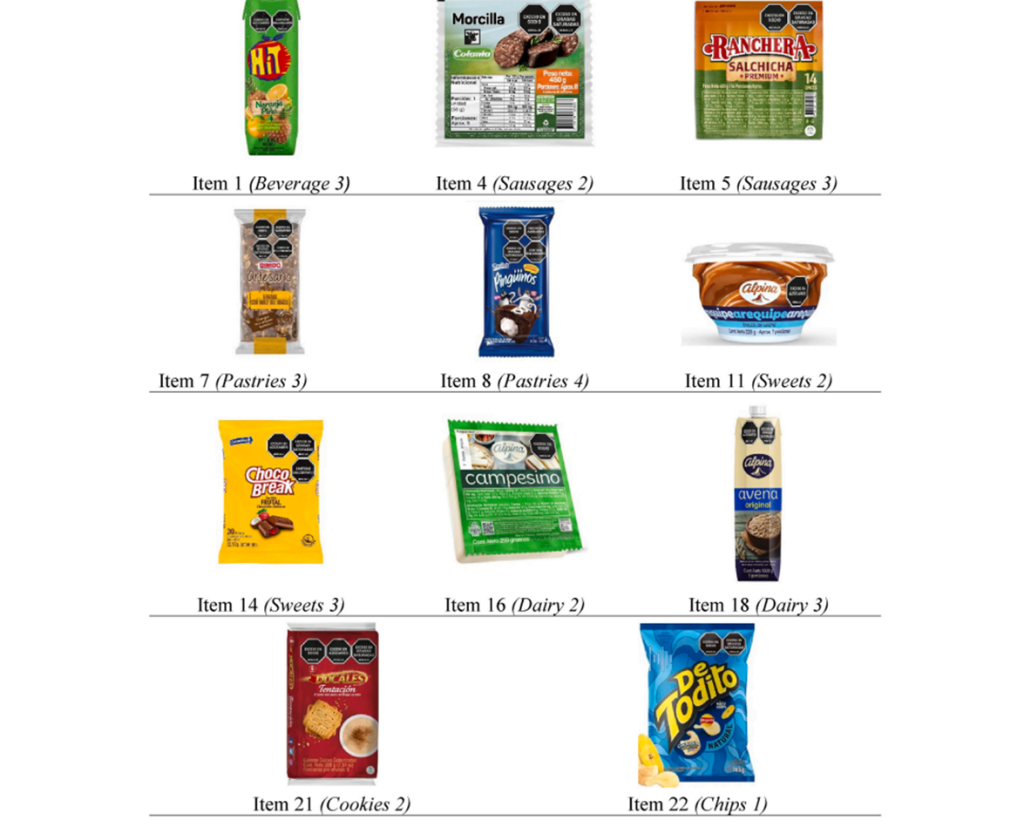
“Unlike studies focusing on purchase intentions derived from hypothetical products, this newly published research used 22 real products with official front-of-package warning labels for actual products that are widely consumed in Colombia.” The front images of the 22 products evaluated during this research study during two different experimental groups are included below in Figure 2. (Rangel-Quinonez et al., 2025)

Trial 1

Trial 2


Figure 2
. The front images of 22 products that were evaluated in each trial. Participants were randomly assigned to one of two different experimental groups, Trial 1 or Trial 2

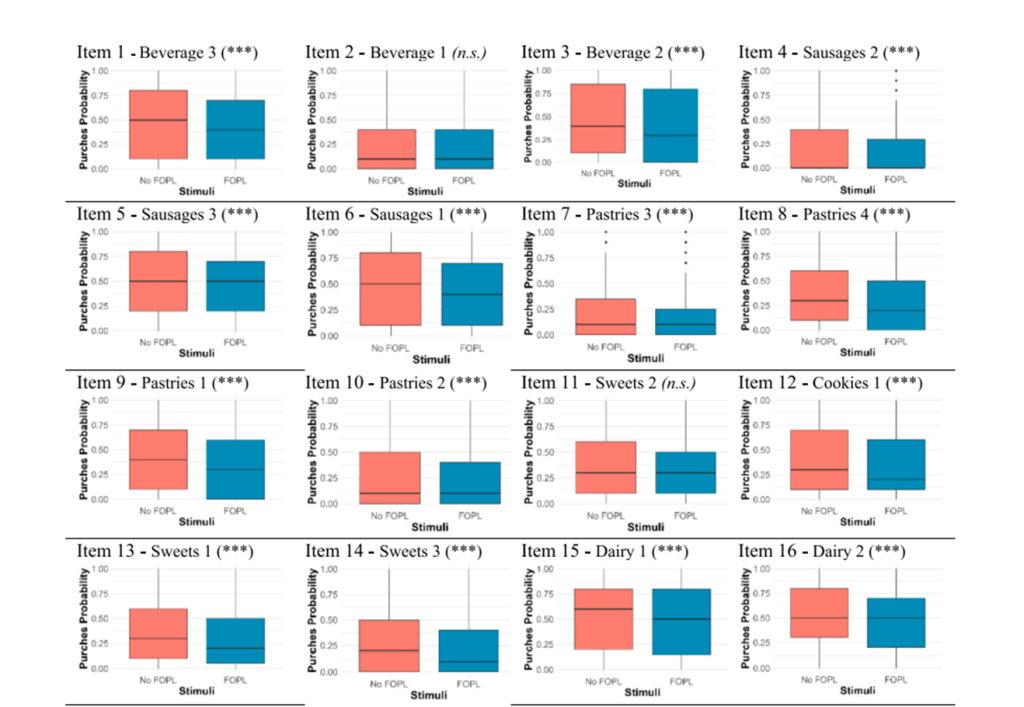
The study findings by Rangel-Quinonez et al. (2025) “demonstrated a significant reduction in purchase probability for 20 of the 22 evaluated foods, with an additive effect on the number of labels….” “The food products with four labels showed the largest impact (Cohen’s d = 0.34), while those with a single label exhibited minimal changes (Cohen’s d = 0.17).” “Greater label sensitivity was observed among participants with higher education levels and greater familiarity with nutritional labeling.” Finally, “a marginally significant inverse association was found between product price and the change in purchase probability.” (Rangel-Quinonez et al., 2025)

Effects of FOPL on purchase probability

Figure 3 below summarizes the descriptive statistics of purchase probability for each of the evaluated food items. “Overall, the researchers found that a decrease was observed in both the mean and the standard deviation of purchase probability following the inclusion of warning labels. ” “During the pretest phase, mean values ranged from 0.20 (sd = 0.28) to 0.54 (sd = 0.35), while in the posttest they decreased to a range between 0.18 (sd = 0.26) and 0.48 (sd = 0.31).” (Rangel-Quinonez et al., 2025)

Figure 3. Effects of Front-of-Package Warning Labels on Purchase Probability Across 22 Food Items

Based on these results, the authors concluded, “[t]hese findings offer early evidence on the effectiveness of the Colombian FOPL [front-of-package labeling] policy under ecologically valid conditions and highlight the importance of complementary strategies to enhance its impact across different consumer segments.” (Rangel-Quinonez et al, 2025)

Other recent research by Cadena and colleagues (2025) published in BMC Medicine reported that, “Regulatory actions in Colombia appear to have changed the food landscape, fostering reformulation of UPF [ultra-processed food] that drastically curtail the levels of detrimental nutrients such as sugars and sodium. Forthcoming studies should explore the dietary and health implications of these product changes, in addition to scrutinizing shifts in the use of additives and other ingredients.” (Cadena et al., 2025)

References

Rangel-Quinonez HS, Vecchio R, Arenas-Estevez LF. Impact of new octagonal front-of-pack labeling on purchasing probability of processed and ultra-processed foods in Colombia. Food Quality and Preference. 2025; 133:105640. DOI:10.1016/j.foodqual.2025.105640

Food Regulations in Colombia – May 30, 2024. Available at:

RESOLUCIÓN No. 254. Available at: https://www.studocu.com/co/document/universidad-incca-de-colombia/economia-internacional/resolucion-no-254-de-2023/98095678

Cadena EM, Gallo I, Soto VE. Reformulation of ultra-processed products in Colombia after the introduction of public health regulations. BMC Medicine. 2025;23:446.

High intake of ultra-processed foods linked to systemic inflammation: New research

Ultra-processed foods (UPFs) are industrially altered products – such as soft drinks, sweet and savory packaged snacks, prepared pizzas, and processed meats. Hundreds of new ingredients, previously unknown to the human body, now make up nearly 60% of the average adult’s diet and almost 70% of children’s diets in the United States. “These products reduce nutritional value, extend shelf life, and tend to increase how much people consume. In the U.S., UPFs account for about 60% of daily calorie intake. High consumption of these foods has been linked to greater risks of obesity, cancer, metabolic and cardiovascular diseases, mental health issues, and even premature death.” (Galoustian, 2025)

“New research from Florida Atlantic University’s Charles E. Schmidt College of Medicine shows that people who consume the most UPFs have significantly higher levels of high-sensitivity C-reactive protein (hs-CRP), a sensitive marker of inflammation and a strong predictor of cardiovascular disease. 

Until now, there have been limited data from nationally representative U.S. populations on the link between UPF intake and hs-CRP levels.” (Galoustian, 2025; Sajan et al., 2025)

Ultra-Processed Foods Dominate Modern Diets

UPFs are “designed to last longer, taste appealing, and encourage overeating while providing little nutritional value. In fact, UPFs supply about 60% of the calories consumed each day in the U.S. A growing body of research links heavy consumption of these foods to increased risks of obesity, cancer, heart and metabolic diseases, mental health disorders, and even early death.” (Florida Atlantic University, 2025; Sajan et al., 2025)

Inflammation and UPFs: The Link Revealed

This newly published study from Florida Atlantic University’s Charles E. Schmidt College of Medicine has uncovered a clear connection between UPF intake and inflammation in the body. These researchers found that people who eat the most UPFs have much higher levels of high-sensitivity C-reactive protein (hs-CRP), a reliable indicator of inflammation and a strong predictor of cardiovascular disease. Previously, there was little nationally representative data in the U.S. exploring how UPF consumption relates to hs-CRP levels.

“According to findings published in The American Journal of Medicine, participants got a median of 35% of their daily calories from UPFs. Consumption ranged from 0% to 19% in the lowest group to 60% to 79% in the highest. After adjusting for age, gender, smoking, physical activity, and other health factors, those in the highest UPF group (60% to 79% of daily calories) were 11% more likely to have elevated hs-CRP levels than those in the lowest group. Even moderate consumers (40% to 59%) showed a 14% higher likelihood, while the group consuming 20% to 39% had a smaller, statistically insignificant 7% increase.” (Florida Atlantic University, 2025; Sajan et al., 2025)

Who Faces the Greatest Risk?

“The likelihood was especially high in certain groups. Adults aged 50 to 59 had a 26% higher risk of elevated inflammatory markers compared to those aged 18 to 29. Obesity contributed to an 80% higher risk compared to people with a healthy weight. Current smokers also had a higher risk (17%) than people who never smoked. Interestingly, individuals who reported no physical activity did not have a statistically significant increase in risk compared to those who met activity guidelines.” (Florida Atlantic University, 2025; Sajan et al., 2025)

“These findings, based on a large and nationally representative sample of U.S. adults, clearly show that people who consume the highest amounts of ultra-processed foods have significantly higher levels of high-sensitivity C-reactive protein, a key marker of inflammation,” said Allison H. Ferris, M.D., FACP, senior author, professor and chair of the FAU Department of Medicine. “These results carry important implications not only for clinical practice and public health strategies but also for future research aimed at understanding and reducing the health risks associated with ultra-processed food consumption.” (Florida Atlantic University, 2025; Sajan et al., 2025)

Researchers analyzed data from 9,254 U.S. adults in the National Health and Nutrition Examination Survey, including diet, hs-CRP and other health factors. UPF intake was measured as a percentage of total calories and grouped into four levels. They used statistical methods, including logistic regression, to examine the link between UPF consumption and inflammation. (Florida Atlantic University, 2025; Sajan et al., 2025)

Expert Insights on Inflammation Markers

“C-reactive protein is produced by the liver, and the hs-CRP protein test is a simple, affordable and highly sensitive measure of inflammation as well as a reliable predictor of future cardiovascular disease,” said Charles H. Hennekens, M.D., FACPM, FACC, co-author, the First Sir Richard Doll Professor of Medicine and Preventive Medicine, and senior academic advisor, Schmidt College of Medicine. “We believe that health care professionals may wish to consider actively engaging with their patients about the risks of UPFs and benefits of increasing whole food consumption.”

“The authors also highlight a significant rise in colorectal cancer rates in the U.S., particularly among younger adults. They suggest that increased consumption of UPFs may be a contributing factor, along with its potential role in several other gastrointestinal diseases.” (Florida Atlantic University, 2025; Sajan et al., 2025)

Lessons From Tobacco History

“Drawing a parallel to the history of tobacco, the authors note that it took decades for mounting evidence and the efforts of progressive health officials to lead to policies discouraging cigarette use. They believe a similar trajectory is likely for UPFs, with growing awareness eventually driving meaningful public health action.” (Florida Atlantic University, 2025; Sajan et al., 2025)

“The multinational companies that produce ultra-processed foods are very influential, much like tobacco companies were in the past, so policy changes to promote whole foods and reduce UPF consumption may take time,” said Hennekens. “However, government efforts to reduce harmful additives, improve food labeling, and promote healthier options in programs and schools are important steps in the right direction. At the same time, health care providers should be aware of the challenges many people face in accessing affordable, healthier choices, which calls for a broader and coordinated public health response.” (Florida Atlantic University, 2025; Sajan et al., 2025)

Note: Study co-authors are Kevin Sajan, a medical student at Geisinger Commonwealth School of Medicine; Nishi Anthireddy, a medical student at FAU; Alexandra Matarazzo, a medical student at FAU; and Caio Furtado, M.D., a resident physician in FAU’s internal medicine residency program.

References

Florida Atlantic University. Eating Ultra-Processed Foods Could Be as Harmful as Smoking. Sci Tech Daily. October 13, 2025. Available at: https://scitechdaily.com/eating-ultra-processed-foods-could-be-as-harmful-as-smoking/

Galoustian G. High intake of ultra-processed foods linked to systemic inflammation. September 9, 2025. Available at: https://www.fau.edu/newsdesk/articles/ultra-processed-foods-inflammation.php

Sajan K, Anthireddy N, Matarazzo A, Furtado C, Hennekens CH, Ferris A. Ultra-processed foods and increased high sensitivity C-reactive protein. American Journal of Medicine. 2025:S0002-9343 (25)00549-2. doi: 10.1016/j.amjmed.2025.08.016.

New landmark EAT-Lancet Commission warns food systems breach planetary limits

On October 3, 2025, The 2025 EAT-Lancet Commission released its Report on Healthy, Sustainable, and Just Food Systems, presenting the most comprehensive global scientific evaluation of food systems to date.

Analysis outlines pathway to health, equity, and a liveable planet

Key findings of the new report include:

  • Shifting global diets could prevent up to 15 million premature deaths per year.
  • Food systems are the largest contributor to the transgression of five planetary boundaries.
  • Food systems currently account for roughly 30% of total greenhouse gas emissions globally. Transforming food systems could cut these emissions by more than half.
  • Fewer than 1% of the world’s population is currently in the ‘safe and just space’, where people’s rights and food needs are met within planetary boundaries.
  • The wealthiest 30% of people drive more than 70% of food-related environmental impacts.

“Building on its influential 2019 report, the new Commission – comprising leading international experts in nutrition, climate, economics, health, social sciences and agriculture from more than 35 countries across six continents – finds that shifting global diets could prevent approximately 15 million premature deaths per year. At the same time, concerted global efforts to transform food systems could bring us back within planetary boundaries and cut annual greenhouse gas emissions from food systems by more than half compared with a business-as-usual scenario.

The Commission’s findings stress that just food systems will be essential to achieving improved health and social development outcomes. Fewer than 1% of the world’s population is currently in the ‘safe and just space’, where people’s rights and food needs are met within planetary boundaries. According to the report, currently almost a third (32%) of food systems workers earn below a living wage. Meanwhile, the wealthiest 30% of people drive more than 70% of food-related environmental impacts, and despite global calorie sufficiency more than 1 billion people remain undernourished.”

Five of the seven breached planetary boundaries are linked to food systems. By transforming production and adopting a “planetary health diet,” we can halve food-related climate emissions and prevent millions of deaths, according to the 2025 EAT-Lancet Commission.

The report sets scientific targets for healthy diets, food’s impact on planetary boundaries, and outlines the foundation for a just food system – and shows how far different parts of the world are from these targets.

“EAT-Lancet 2025 places justice at the centre, not only as a goal but also as a vital part of enabling transformation,” says Centre Director Line Gordon, one of the report’s lead authors.

Other contributing Centre researchers include Anne Charlotte Bunge, Peter Søgaard Jørgensen, Costanza Conti, Amar Laila, Isabel Baudish and Johan Rockström.

Compared to the 2019 report, the new EAT-Lancet Commission now:

• Updates the planetary health diet, showing it could halve the food sector’s greenhouse gas emissions and prevent up to 15 million deaths annually.

• Maps the food system’s impact on all nine planetary boundaries, finding it drives five of the seven already transgressed.

• Identifies social foundations needed to realise rights to food, a healthy environment, decent work, and agency, which 3.7 billion people lack today.

• Just 30% of the population is responsible for more than 70% of food’s environmental impact.

“The analysis warns that even with a complete global transition away from fossil fuels, food systems could still push temperatures beyond 1.5°C.”

See Figure 1 for more information on the planetary boundaries’ framework.

Figure 1 demonstrates how much global food systems contribute to pressures on all nine planetary boundaries. The green circle represents the safe operating space, the red line marks the safe limits for food systems, and the dotted black wedges show the share of each boundary’s pressure caused by food systems. The image showcases that food systems are a major driver of boundary transgressions such as climate change, biodiversity loss, freshwater use, nutrient cycles, and pollution.

Johan Rockström, Commission Co-Chair and Director of the Potsdam Institute for Climate Impact Research, stated: “The report sets out the clearest guidance yet for feeding a growing population without breaching the safe operating space on Earth set by the planetary boundaries. It also exposes the stark winners and losers in today’s food systems, where entrenched power dynamics drive deep inequities. By uniting the latest science on health and climate, it shows that what we put on our plates can save millions of lives, cut billions of tonnes of emissions, halt the loss of biodiversity, and create a fairer food system. We now have robust global guardrails for food systems, and a reference point that policymakers, businesses, and citizens can act on together. The evidence is undeniable: transforming food systems is not only possible, it’s essential to securing a safe, just, and sustainable future for all.

“Analysis shows that reshaping systems could deliver returns of $5 trillion a year through better health, restored ecosystems, and climate resilience – more than ten times the $200-500 billion investment* needed to drive food systems change. Achieving these goals requires urgent policy action, dietary consumption transformation, and a realignment of global financial incentives to support just, resilient, and sustainable food systems.”

“Drawing on the most recent evidence and advanced modelling, the report sets the boundaries of how 9.6 billion people globally can eat nutritiously and equitably within critical environmental boundaries by 2050. The report shows that changes to the way we produce and consume food can improve global health, achieve food and nutrition security, build stability and resilience, and contribute to critical strategies to improve equity and working conditions in food systems.”

Shakuntala Haraksingh Thilsted, Commission Co-Chair and Director for Nutrition, Health and Food Security at CGIAR, commented: “Food is at the heart of both human well-being and planetary health. Right now, too many people who grow and process our food are underpaid and excluded from basic protections, while the environmental and health costs fall hardest on the most vulnerable. Our findings make it clear that transformation must go beyond producing enough calories. It must guarantee the right to food, fair work, and a healthy environment for all. Only when we share the benefits and burdens more equitably can we ensure that food systems are within planetary boundaries and create a safe and just space where all people can flourish.

“A fairer distribution of resources, benefits, and costs is required to ensure that food systems are sustainable for both people and the planet. This includes the social foundations that enable people’s right to food, decent work, and a healthy environment. The Commission maintains that truly effective transformation must consider both social foundations and planetary boundaries to create a safe and just future for everyone.”

“As part of the Commission’s work, thirteen independent modelling groups assessed the potential impacts of food systems change on five of the planetary boundaries: climate, land, freshwater, nutrients pollution, and novel entities (pesticides, antimicrobials, and microplastics). This work outlines the potential of food systems transformations that include the adoption of healthy diets, reduced food loss and waste, and improved production practices to advance human health and reduce pressure on the environment. The analysis integrates diverse datasets, including diet and health outcomes, into a unified framework that maps a safe and just operating space for food systems globally.”

“Across all regions, the analysis reveals a common shortfall: diets consistently lack sufficient fruits, vegetables, nuts, legumes, and whole grains. In many places, the analysis also finds that diets contain excess meat, dairy, animal fats, sugar, and excessively processed foods. Building on existing data, the 2025 Commission has strengthened evidence of the benefits of the Planetary Health Diet, which sets out recommendations for healthy diets that ensure nutritional adequacy, support optimal health outcomes, and can be adapted to different contexts and cultures.”

“It emphasizes a plant-rich diet, with optional, moderate amounts of animal-source foods and limited added sugars, saturated fats, and salt. There is also good evidence that adoption of diets in line with the Planetary Health Diet would lower the environmental impacts of most current diets.”

Walter C. Willett, Commission Co-Chair, Professor of Epidemiology and Nutrition at Harvard T.H. Chan School of Public Health, said: “The Commission’s findings reinforce that the Planetary Health Diet is good for both people and the planet. By increasing the production and consumption of whole grains, fruits, vegetables, nuts, and legumes, we can improve health outcomes everywhere while respecting cultural and regional traditions. But diets are just one part of the picture, and transformation requires action across the whole system. The eight solutions we set out provide a practical roadmap to unlock transformation at scale. We are at a global crossroads, and governments, businesses, civil society, and individuals all have a role to play in realigning food systems for the benefit of all people and the planet.

Based on the report’s findings, the Commission outlines eight potential solutions aimed at advancing health, environmental, and justice goals:

  • Protect and promote traditional healthy diets
  • Create accessible and affordable food environments that increase demand for healthy diets
  • Implement sustainable production practices that store carbon, create habitat, and improve water quality and availability
  • Halt agricultural conversion of intact ecosystems
  • Reduce food loss and waste
  • Secure decent working conditions across the food system
  • Ensure meaningful voice and representation for food systems workers
  • Recognize and protect marginalized groups

“Each solution is supported by a menu of concrete actions identified by the Commission as critical for transforming food systems, such as integrating traditional, healthy foods into dietary guidelines, supporting local seed systems, using food loss and waste, and improving agroecological practices to conserve ecosystems. It also calls for subsidizing reforms that make healthy and nutritious foods more accessible, and for regulatory and advocacy mechanisms that support decent work and meaningful representation for food systems workers. A just transformation requires building coalitions with actors both inside and outside of the food system, identifying priority actions, developing national and regional roadmaps, unlocking finance, and putting collaborative plans into action. These actions provide a guide for public, private, and civil society stakeholders to act together for meaningful progress.”

To learn more about the new findings from the 2025 EAT-Lancet Commission, you can sign up to attend a webinar being hosted on October 9, 2025, where the report findings will be discussed:

October 9 Webinar: Healthy Diets from Sustainable and Just Food Systems

https://www.unfoodsystemshub.org/latest-updates/events/detail/food-systems-solutions-webinar-2025—exploring-dietary-guidelines-for–a-healthy-planet/en

“The EAT-Lancet Commission on Food, Planet, Health brings together researchers from countries in various fields, including human health, agriculture, political science, and environmental sustainability. This webinar will explore the new EAT-Lancet 2.0 dietary guidelines, focusing on key global planetary health diet recommendations. The webinar highlights other global initiatives to converge nutrition, biodiversity, and climate change agendas for a healthier and more sustainable diet.”

About EAT

EAT is an international non-profit organization founded by the Stordalen Foundation, the Stockholm Resilience Centre and Wellcome Trust, working towards catalyzing a global food system transformation. Our vision is a fair and sustainable global food system for healthy people and planet – leaving no one behind. The organization connects and partners across science, policy, business and civil society to transform the global food system through sound science, impatient disruption and novel partnerships. Please visit EAT’s website for more information about our organization and the work we do.

About The Lancet Group

Founded by Thomas Wakley in 1823, The Lancet began as an independent, international weekly general medical journal with the vision that it should drive social and political change through advancing medical research and science for the greater good. Since its founding, the journal has evolved to include 26 titles that are part of The Lancet Group while retaining the core belief that medicine must serve society, that knowledge must transform society, and that the best science must lead to better lives. Learn more: www.thelancet.com

References

The EAT-Lancet Commission on healthy, sustainable, and just food systems. The Lancet. (published online October 2, 2025). Available at:

https://www.thelancet.com/commissions-do/EAT-2025

EAT-Lancet 2025: Global food transformation needed to ease pressure on the planet and save millions of lives. Stockholm Resilience Center, Stockholm University (October 3, 2025). Available at:

https://www.stockholmresilience.org/research/research-stories/2025-10-03-eat-lancet-2025-global-food-transformation-needed-to-ease-pressure-on-the-planet-and-save-millions-of-lives.html

EAT-Lancet Report Underscores Urgent Need to Make Healthy, Sustainable Food Accessible for All. World Resources Institute (Statement). October 3, 2025. Available at:

https://www.wri.org/news/statement-eat-lancet-food-report

October 9 Webinar: Healthy Diets from Sustainable and Just Food Systems. Available at:

https://www.unfoodsystemshub.org/latest-updates/events/detail/food-systems-solutions-webinar-2025—exploring-dietary-guidelines-for–a-healthy-planet/en

Ultra-processed food consumption is detrimental for cardiometabolic and reproductive outcomes, regardless of excessive caloric intake: New research

“An international team of scientists has reported that people gain more weight on an ultra-processed diet compared to a minimally processed diet, even when they eat the same number of calories. The study in humans also revealed that a diet high in ultra-processed foods introduces higher levels of pollutants known to affect sperm quality (Preston et al., 2025). The findings were published in the journal Cell Metabolism.”

“Our results prove that ultra-processed foods harm our reproductive and metabolic health, even if they’re not eaten in excess. This indicates that it is the processed nature of these foods that makes them harmful,” says Jessica Preston, lead author of the study, who carried out the research during her PhD at the University of Copenhagen’s NNF Center for Basic Metabolic Research (CBMR).” (University of Copenhagen, 2025; Preston et al., 2025)

Study Highlights

  • Compared with an unprocessed diet, a UPF (ultra-processed food) diet impaired cardiometabolic and reproductive health
  • The deleterious effects of a UPF (ultra-processed food) diet were independent of total caloric intake
  • A UPF diet altered the balance of several hormones, including GDF-15 (growth differentiation factor 15) and FSH (follicle-stimulating hormone)
  • A UPF diet was associated with higher serum concentration of the phthalate cxMINP

(Preston et al., 2025)

Same calories, different outcomes

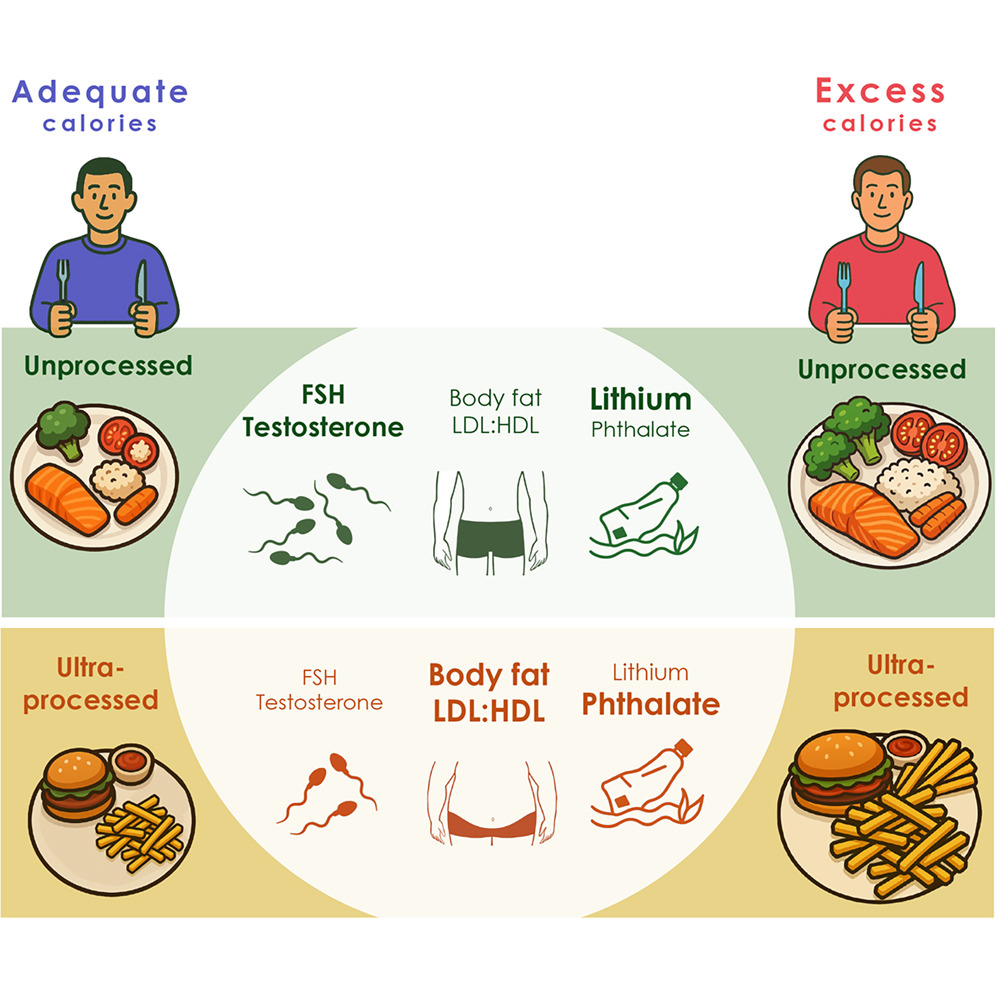
“To get the best possible data, the scientists compared the health impact of unprocessed and ultra-processed diets on the same person. They recruited 43 men aged 20 to 35 [years old], who spent three weeks on each of the two diets, with three months ‘washout’ in between.

Half [of the men] started on the ultra-processed and half started on the unprocessed diet. Half of the men also received a high-calorie diet with an extra 500 daily calories, while half received the normal amount of calories for their size, age and physical activity levels. They were not told which diet they were on. Both the unprocessed and ultra-processed diets had the same amount of calories, protein, carbs and fats.

Men gained around 1 kg more of fat mass while on the ultra-processed diet compared to the unprocessed diet, regardless of whether they were on the normal or excess calorie diet. Several other markers of cardiovascular health were also affected.” (University of Copehhagen, 2025; Preston et al., 2025)

Ultra-processed foods are polluted with endocrine disruptors

“The scientists also discovered a worrying increase in the level of the hormone-disrupting [endocrine-disrupting] phthalate cxMINP, a substance used in plastics, in men on the ultra-processed diet. Men on this diet also saw decreases in their levels of testosterone and follicle-stimulating hormone, which are crucial for sperm production.

“We were shocked by how many body functions were disrupted by ultra-processed foods, even in healthy young men. The long-term implications are alarming and highlight the need to revise nutritional guidelines to better protect against chronic disease.” says the study’s senior author Professor Romain Barrès from the University of Copenhagen’s NNF Center for Basic Metabolic Research, and the Université Côte d’Azur.” (University of Copenhagen, 2025; Preston et al., 2025)

For more information on the potential negative health impacts of endocrine-disrupting chemicals on human health, see the in-depth report published by the Endocrine Society and the International Pollutants Elimination Network (IPEN) (2024).

Endocrine Disrupting Chemicals: Threats to Human Health. Pesticides, Plastics, Forever Chemicals, and Beyond (Endocrine Society and IPEN, February 2024)

Also, see the recent scientific brief published by the Endocrine Society (2025) titled:

Making Food Hormone Healthy (Endocrine Society, April 2025)

Conclusion

The authors concluded that, “our results demonstrate that consumption of UPF itself, irrespective of excess caloric intake, is detrimental to human health. Moving dietary patterns away from UPF and toward less-processed alternatives may promote cardiometabolic and mental health, along with amelioration of male reproductive fitness.” (Preston et al., 2025)

References

Endocrine Society. Making Food Hormone Healthy. Endocrine Society: Washington DC. April 2025. Available at: https://www.endocrine.org/-/media/endocrine/files/advocacy/making_food_hormone_healthy_formal.pdf

Gore AC, La Merrill MA, Patisaul H, et al. Endocrine Disrupting Chemicals: Threats to Human Health. Pesticides, Plastics, Forever Chemicals, and Beyond. Endocrine Society and International Pollutants Elimination Network (IPEN). February 2024. Available at: https://ipen.org/sites/default/files/documents/edc_report-2024-final-compressed.pdf

Preston JM, Iversen J, Hufnagel A, Hjort L, Taylor J, Sanchez C, George V, Hansen AN, Ängquist L, Hermann S, Craig JM, Torekov S, Lindh C, Hougaard KS, Nóbrega MA, Simpson SJ, Barrès R. Effect of ultra-processed food consumption on male reproductive and metabolic health. Cell Metab. 2025. S1550-4131(25)00360-2. doi: 10.1016/j.cmet.2025.08.004. 

University of Copenhagen (Press Release). Not all calories are equal: Ultra-processed foods harm men’s health. August 28, 2025. Available at: https://cbmr.ku.dk/news/2025/not-all-calories-are-equal-ultra-processed-foods-harm-mens-health/

Green roofs can capture nearly all microplastics that contaminate rainwater in modern cities: New research

“Green roofs can capture nearly all the microplastic particles that contaminate rainwater in modern cities, according to a new study. The findings add to the list of benefits of green roofs, which have previously been shown to reduce energy needed for heating and cooling buildings and calm the flow of stormwater. These nature-based solutions can offer unexpected co-benefits in mitigating airborne pollution in densely built environments,” says study team member Shuiping Cheng, a researcher at Tongji University in Shanghai, China.” (DeWeerdt, 2025; Huang et al., 2025)

Microplastics—small bits of material formed from the breakdown of everyday plastic products—are ubiquitous. They’re found in soil, water, air, and even our bodies, and it’s increasingly clear that they pose risks to the environment, wildlife, and human health.

Most efforts to capture microplastics in urban environments have focused on filtering them out of surface runoff in bioremediation ponds, swales, and constructed wetlands. Since green roofs are known to filter heavy metals and excess nutrients from runoff, Cheng and his colleagues wondered if they could take care of microplastics as well.” (DeWeerdt, 2025; Huang et al., 2025)


To assess is green roofs could capture microplastics, the researchers “built a simulated roof environment in their lab, where, in a thin layer of fresh soil, they planted two kinds of plants commonly used on rooftops in the city of Shanghai. They also introduced microplastic particles into the air above the plants at levels common to Shanghai. They then conducted simulated rains, measuring microplastic levels on the plants and in the soil.”


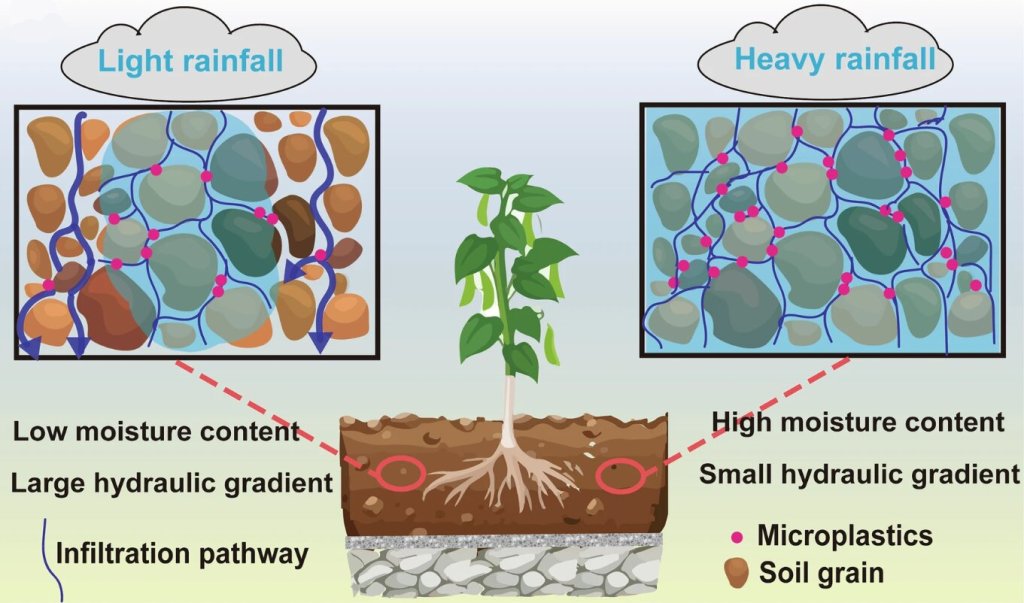
“They found that the plants did a good job of pulling the microplastics from the rain, and by extension, the air above them. The green roof system, including the soil layer, pulled approximately 97.5% of the microplastics from the rainwater that landed on it. And after conducting measurements over multiple rains, the team found that the percentage of microplastics removed increased slightly with rainfall intensity.”


“The researchers note that while some microplastics were collected by the leaves, the bulk of the capture was in the soil. They also noted that microplastics shaped like fragments were collected by the soil better than those shaped like fibers.” (Yirka B, 2025; Huang et al., 2025) See Figure 1 below.


Figure 1. Schematic of the infiltration process affected by the proposed contributor. Specifically, the thick lines represent relatively larger preferential flow channels that exist under low soil moisture conditions, allowing for faster infiltration. In contrast, the thin lines correspond to finer channels formed due to soil swelling under higher moisture conditions, resulting in slower infiltration. Illustration credit: Huang et al. Communications Earth & Environment (2025). DOI: 10.1038/s43247-025-02407-w


Green roofs are not likely to be a “set it and forget it” solution to microplastics. For one thing, the soil could become saturated with microplastics over time. Earthworms might be able to be deployed to break down and metabolize the microplastic fragments, the researchers suggest.

“In addition, the filter and drainage layers of green roofs are sometimes made of plastic, which could become new sources of microplastic pollution themselves, the researchers warn. They buried pieces of polypropylene sheets in the soil of their model green roofs and observed signs of aging and degradation over the course of the experiment.” (DeWeerdt, 2025; Huang et al., 2025)

“A key next step is to validate these results under real-world conditions on full-scale green roofs,” Cheng says. “We are actively exploring opportunities to carry out such long-term field studies to better understand microplastic retention and release dynamics over time.” (DeWeerdt, 2025; Huang et al., 2025)


References


DeWeerdt S. An unexpected green roof benefit: purging urban rainfall of practically all microplastics. Anthropocene Magazine. July 1, 2025. Available at: https://www.anthropocenemagazine.org/2025/07/an-unexpected-green-roof-benefit-purging-urban-rainfall-of-practically-all-microplastics/

Yirka B. Green roofs shown to capture nearly all microplastics from rainwater. Phys.org. June 20, 2025. Available at: https://phys.org/news/2025-06-green-roofs-shown-capture-microplastics.html


Huang, J., Bao, M., Wu, S. et al. Green roofs act as the first barrier to intercept microplastics from urban atmosphere. Commun Earth Environ. 2025;6:452.

Somos restaurant: Ecuadorian born, globally inspired sustainable gastronomy

During my trip to Ecuador in late June, I dined at Somos Restaurant, in Quito, Ecuador. The theme of Somos restaurant is “Ecuadorian Born, Globally Inspired.” Somos restaurant specializes in preparing locally-available, indigenous foods and advocates for sustainable gastronomy.

Here are some photos of the impressive restaurant, including the delicious dishes we sampled from the menu including the Pan de Yuca (warm cassava bread topped with aged cheese, served with guava chutney) as an appetizer. As a main course, I had the Cloiflor Andina (Cauliflower with Amazonian turmeric, lentil-miso puree, and tamarind chutney). We shared the Berenjena Asada (Eggplant on a smoky tomato sauce, macrambo tahini and crispy sourdough crumbs). Luckily our hotel room had a small refrigerator where we could store the leftovers from this delicious meal, until the next day.

Learn more about Sustainable Gastronomy from the UN Food and Agriculture Organization (FAO) at:

Sustainable Gastronomy Day: June 18, 2025

https://www.fao.org/sustainable-gastronomy-day/en

What is Sustainable Gastronomy?

Gastronomy is sometimes called the art of food.

“It can also refer to a style of cooking from a particular region. In other words, gastronomy often refers to local food and cuisine. Sustainability is the idea that something (e.g. agriculture, fishing or even preparation of food) is done in a way that is not wasteful of our natural resources and can be continued into the future without being detrimental to our environment or health.

Sustainable gastronomy, therefore, means cuisine that takes into account where the ingredients are from, how the food is grown and how it gets to our markets and eventually to our plates.” (UN FAO, 2025)

Learn more about Somos Restaurant and the work of Founder and Chef Alejandra Espinoza, at:

References

Sustainable Gastronomy Day – June 18. United Nations (UN) Food and Agriculture Organization of the United Nations (FAO). June 18, 2025. Available at: https://www.fao.org/sustainable-gastronomy-day/en

Microplastics shed by food packaging are contaminating our food and drink, new scientific review finds

Tearing off plastic wrap from the meat or prepackaged fruit and vegetables you purchased at the supermarket may contaminate your food with micro- and nanoplastics, according to a new research review published in the journal NPJ Science of Food.


“Plastic contamination may also occur when you’re unwrapping deli meat and cheese, steeping a tea bag in hot water, or opening cartons of milk or orange juice. Glass bottles and jars with a plastic-coated metal closure may also shed microscopic bits of plastic.” (LaMotte, 2025; Zimmermann et al., 2025)


“In fact, the abrasion from repeatedly opening and closing the caps on glass and plastic bottles can release an untold amount of micro- and nanoplastics into the beverage, said Dr. Lisa Zimmermann, lead author of the study published Tuesday in the journal NPJ Science of Food.” (LaMotte, 2025; Zimmermann et al., 2025)

Figure 1. Opening and closing plastic bottle caps can release microplastics into a drink, a new scientific review finds


“The research shows the number of microplastics increases with each bottle opening, so therefore we can say it’s the usage of the food contact article which leads to micro- and nanoplastic release,” said Zimmermann, scientific communication officer at the Food Packaging Forum, a nonprofit foundation based in Zurich, Switzerland, that studies chemicals in food contact materials.”

“Researchers have measured micro- and nanoplastics in such food and drink products as beer, canned fish, rice, mineral water, tea bags, table salts, take-out foods and soft drinks, according to the study.” (La Motte, 2025; Zimmermann et al., 2025)

“This is the first systematic evidence of how normal and intended use of foodstuffs packaged in plastics can be contaminated with micro- and nanoplastics,” Zimmermann said. “We found food packaging is actually a direct source of the micro- and nanoplastics measured in food.” (LaMotte, 2025)

“A separate investigation by the Food Packaging Forum published in September 2024 found more than 3,600 chemicals leach into consumer products during food manufacturing, processing, packaging and storage, ending up in the human body. (LaMotte, 2025; Geueke et al., 2025)

Seventy-nine of those food-processing chemicals are known to cause cancer, genetic mutations, endocrine and reproductive issues, and other health concerns, according to the September 2024 study.” (LaMotte, 2025; Symeonides et al., 2024)

“And while scientists have long known about potentially toxic chemicals from plastics leaching into food, “what’s less clear, and deeply concerning, is just how significant food packaging is as a source of exposure to plastic particles and what that means for our health,” said David Andrews, acting chief science officer at the Environmental Working Group, a Washington, DC-based health and environmental advocacy organization, in an email.”

“This new study highlights food packaging and processing equipment as potentially significant sources of microplastic contamination in the food we eat, and ultimately in our bodies,” said Andrews, who was not involved with the research. “This study should raise alarm bells.” (LaMotte, 2025)

What are micro- and nanoplastics?

Microplastics are polymer fragments that can range from less than 0.2 inch (5 millimeters) down to 1/25,000th of an inch (1 micrometer). Anything smaller is a nanoplastic that must be measured in billionths of a meter.

At 1,000th the average width of a human hair, experts say nanoplastics are so teeny they can migrate through the tissues of the digestive tract or lungs into the bloodstream. As the blood circulates, the plastics may distribute potentially harmful synthetic chemicals throughout the body and into cells.

A flurry of recent studies have discovered microplastics and nanoplastics in human brain tissue, the testes and the penis, human blood, lung and liver tissues, urine and feces, mother’s milk, and the placenta.” (LaMotte, 2025)

“In the first analysis to illustrate harm to human health, a March 2024 study found people with microplastics or nanoplastics in their carotid artery tissues were twice as likely to have a heart attack or stroke or die from any cause over the next three years than people who had none.” (LaMotte, 2025; Marfella et al., 2024)

Actions that worsen microplastic shedding

The latest research searched thousands of studies to find those that did the best job of identifying and measuring plastics in tested foods before narrowing the list to 103 for the review.

Microplastic research is quite new, and studies so far often use different methods of microplastic identification and measurement. The lack of standard protocol can make it difficult to adequately compare findings, said senior study author Jane Muncke, managing director and chief scientific officer at the Food Packaging Forum. (LaMotte, 2025)

“The novel aspect of our analysis is we didn’t just collect all the studies, but we also examined the scientific reliability of their methods. We included a critical appraisal step,” Muncke said. “That left us with seven highly reliable studies — more high-quality research is definitely needed.” (LaMotte, 2025)

According to that research, ultraprocessed foods contain significantly more microplastics than minimally processed foods.

“There’s a higher number of manufacturing steps with ultraprocessed foods, which can increase the contact time with plastic food processing equipment,” Muncke said, “thus increasing the chance of micro- and nanoplastic migration.” (LaMotte, 2025)

“Migration into food also increased when the plastic packaging was heated, washed for reuse, exposed to sunlight and subjected to mechanical stress — such as the twist used to open a bottle cap, according to the review. That sort of repeated stress could lead to higher abrasion than opening a plastic container, so future research should consider how plastic is used as well as the types of plastics, Muncke said.” (LaMotte, 2025)

“This is a rigorous, detailed and critical study that applies robust systematic methods to review the existing literature on microplastics and food contact materials,” said Megan Deeney, a research fellow and doctoral student in plastics and global health at the London School of Hygiene & Tropical Medicine at the University of London, in an email.

“What is particularly important is that the authors take the time to extract and evaluate evidence on whether the presence of microplastics changed over time in these studies — this can help to identify the food contact material itself as a direct source of food contamination by microplastics,” said Deeney, who was not involved with the new research. (LaMotte, 2025; Zimmermann et al., 2025)

“One of the studies included in the new review found 1 liter of water — the equivalent of two standard-size bottled waters bought at the store — contained an average of 240,000 plastic particles from seven types of plastics, of which 90% were identified as nanoplastics and the rest were microplastics.” (LaMotte, 2025)

Another example involved melamine, which is used to make bowls, plates, cups and other plastic tableware.

“In one study, researchers washed a melamine bowl 10 times, 20 times, 50 times, 100 times and measured the amount of microplastic it released each time,” Zimmermann said. “Then they put something in the bowl and tested it and found more microplastic release after increased washing.” (LaMotte, 2025)

Limiting your exposure to plastic

While it’s not yet possible to clean microplastics from the food supply, there are steps one can take to reduce exposure to plastics and the chemicals they secrete.

“One is to reduce our plastic footprint by using stainless steel and glass containers, when possible,” said Dr. Leonardo Trasande, director of environmental pediatrics at NYU Langone Health, in an earlier interview with CNN.”

“Avoid microwaving food or beverages in plastic, including infant formula and pumped human milk, and don’t put plastic in the dishwasher, because the heat can cause chemicals to leach out,” Trasande said. (LaMotte, 2025)

“In addition, check the recycling code on the bottom of packaging to find the plastic type, and avoid plastics with recycling code 3, which typically contain phthalates, he added.”

“Bring reusable bags to the grocery store, suggests the Natural Resources Defense Council, a New York City-based environmental advocacy group. Invest in a zippered fabric bag and ask the dry cleaner to return your clothes in that instead of those thin sheets of plastic. Bring a travel mug to the local coffee store for takeout and silverware to the office, cutting back on plastic cups and utensils.” (LaMotte, 2025)

“However, due to the pervasiveness of microplastics in the environment, “this is not something that any individual can solve on their own,” Deeney said.

“We need systemic action to reduce plastics production and pollution,” she said via email, encouraging anyone concerned about the issue to send a message to their representatives. (LaMotte, 2025)

“There’s a critical opportunity for individuals to engage with governments to demand strong, ambitious action on plastics in the upcoming final round of negotiations for a Global Plastics Treaty in Geneva this August, where more than 175 countries will convene to determine a legally-binding instrument to end plastics pollution.” (LaMotte, 2025)

References

LaMotte S. Microplastics shed by food packaging are contaminating our food and drink, study finds. CNN Health. June 24, 2025. Available at: https://edition.cnn.com/2025/06/24/health/microplastics-food-packaging-study-wellness

Zimmermann, L., Geueke, B., Parkinson, L.V. et al. Food contact articles as source of micro- and nanoplastics: a systematic evidence map. npj Science of Food. 2025;111(9): https://doi.org/10.1038/s41538-025-00470-3

Symeonides C, Aromataris E, Mulders Y, et al. An umbrella review of meta-analyses evaluating associations between human health and exposure to major classes of plastic-associated chemicals. Annals of Global Health. 2024; 90(1): 52, 1–54. DOI: https://doi.org/10.5334 /aogh.4459

Geueke, B., Parkinson, L.V., Groh, K.J. et al. Evidence for widespread human exposure to food contact chemicals. J Expo Sci Environ Epidemiol 2025;35;330–341. https://doi.org/10.1038/s41370-024-00718-2

Marfella R, Prattichizzo F, Sardu C, et al. Microplastics and nanoplastics in atheromas and cardiovascular events. N Engl J Med. 2024;390(10):900-910. doi: 10.1056/NEJMoa2309822

The açaí berry: The journey from the Amazon rainforest to your table

The story of açaí begins in the depths of the Amazon rainforest, where local tribes regarded it as a precious source of energy and vitality. It’s no coincidence that the name “açaí” means “fruit that cries” in the Tupi language, referring to how the pulp flows from the fruit.

For generations, Amazonian communities have harvested these small purple berries from the elegant Euterpe oleracea palms, developing traditional harvesting and preparation techniques that continue to this day. (La Caí, 2025)

Today, acai (ah-sigh-EE) berries are grown in the rainforests of South America including Brazil, Colombia, Bolivia and Peru.

From Traditional Food to Global Recognition

The transformation of this small berry from a traditional Amazonian food to a globally recognized superfood is a fascinating story of discovery and innovation. In the 1990s, Brazilian researchers began scientifically studying its exceptional nutritional properties.

This scientific recognition for this small berry coincided with growing interest in superfoods in Western countries. From professional athletes to nutrition experts, more and more people began incorporating açaí into their diet, contributing to its growing popularity. (La Caí, 2025)

The global acai berry products market is estimated to grow by 1.26 billion dollars from 2025-2029, according to Technavio. (PR Newswire, January 25, 2025)

The Acai Berry in Colombia: Using Agroforestry to Promote Sustainability

After more than 50 years of war, the peace agreement signed in Colombia in 2016 represents new opportunities for growth for Colombia. However, Colombia still faces significant social and environmental challenges, especially in the region most affected by the armed conflict, such as Putumayo.

One of the main socio-environmental problems facing these areas is the loss of forest cover due to the lack of sustainable alternatives. The main factors driving deforestation are extensive livestock farming, and the illegal and indiscriminate logging of forests, either for timber sales or for converting them into plots for illicit crops.

Through the açaí and other Amazonian fruits value chain, Amapuri and its farmer cooperative, CorpoCampo, promote forest protection and soil restoration through the establishment of agroforestry crops in Colombia. In this way, they contribute to conservation and the construction of territorial peace.

The Unique Nutritional Profile of Acai

Açaí stands out for its exceptional nutritional profile, making it one of the most nutrient-dense fruits in the world. An in-depth analysis reveals a unique combination of essential nutrients:

  • Antioxidants: Açaí contains 10 times more anthocyanins than blueberries, these powerful antioxidants are responsible for its intense purple color.
  • Essential Fatty Acids: Rich in omega-3, 6, and 9, similar to those found in olive oil.
  • Fiber: 4.5g of fiber per 100g, contributing to healthy digestion and satiety.
  • Plant-based Protein: A complete amino acid profile, rare for a fruit.

Exceptional Antioxidant Profile

Studies conducted by the University of São Paulo have shown that this small but mighty acai berry has an antioxidant capacity (ORAC) of 102,700 units per 100g, significantly higher than most fruits. This antioxidant power comes primarily from:

  • Anthocyanins: responsible for the purple color and anti-inflammatory properties
  • Flavonoids: contribute to cardiovascular protection
  • Polyphenols: support cellular health

A recent review of the literature published in Nutrients by Laurindo et al. (2023) concluded that:

“[A]çaí has medicinal properties and the economic potential for widespread use throughout the food and cosmetic industry. The fruit presents a rich phytochemical profile composed of phenolic compounds, quinones, terpenes, and norisoprenoids, all of which are related to its health-promoting and disease-preventing potential.

In vitro and in vitro studies demonstrated that açaí possesses antioxidant and anti-inflammatory effects; exerts cardioprotective, gastroprotective, hepatoprotective, neuroprotective, and renoprotective activities; improves hyperinsulinemia and dyslipidemia; and shows antineoplastic actions.

Additionally, açaí exerts antimicrobial and antiparasitic effects. Clinical trials have demonstrated that açaí protects against prostate cancer, MetS risk factors, and auditory dysfunctions. Moreover, its derivatives, such as berry extracts, whole fruit extracts, seed extracts, and phytochemically enriched extracts, have no hepatotoxicity, cardiotoxicity, or nephrotoxicity, strengthening its safety and health potential.” (Laurindo et al., 2023)

Recipes: Enjoying the Acai Berry

Here are a few recipes to try using either acai pulp (frozen) or acai powder, whichever you prefer or can find where you live.

Acaí Smoothie

Ingredients
1 cup strawberries or 1 banana
1/2 cup fresh spinach
1 tablespoon açaí powder or 1/3 cup acaí pulp (frozen)
1 cup milk (cow’s milk or unsweetened plant-based milk)
1 teaspoon honey or agave (optional)

Instructions
Place all the ingredients in a blender. Blend until smooth. Serve and enjoy a refreshing smoothie!

Chia and Acaí Pudding

Ingredients
1 cup unsweetened almond milk (or other milk of your choice)
3 tablespoons chia seeds
1 tablespoon acaí powder
1 teaspoon vanilla extract
Honey, maple syrup, or agave to taste

Toppings: fresh fruit, shredded coconut, chopped almonds

Instructions
In a bowl, mix the almond milk, chia seeds, acaí powder, and vanilla extract. Sweeten with honey, maple syrup, or agave to taste. Cover the bowl and refrigerate for at least 4 hours or overnight.

Adapted from: Viana, C. The acai berry, Colombia’s healthy and delicious natural treat. Colombia One. December 29, 2024. Available at: https://colombiaone.com/2024/12/29/colombia-acai/

References

La Caí, 2025. The Complete Guide to This Amazonian Superfood. February 21, 2025. Available at: https://lacai.be/blog-post/acai-complet-guide-amazonian-superfood/#:~:text=Antioxidants%3A%20A%C3%A7a%C3%AD%20contains%2010%20times,to%20healthy%20digestion%20and%20satiety.

CorpoCampo – Sustainable Native Forest. Promoting sustainable livelihoods for the Colombian Amazon. Available at: https://corpocampo.org/

Laurindo LF, Barbalho SM, Araújo AC, et al. Açaí (Euterpe oleracea Mart.) in health and disease: A critical review. Nutrients. 2023;16;15(4): 989. doi: 10.3390/nu15040989.

Acai Berry Products Market to Grow by USD 1.26 Billion (2025-2029), Driven by Superfood Popularity and AI Redefining the Market Landscape – Technavio. PR Newswire. January 25, 2025. Available at: https://www.prnewswire.com/news-releases/acai-berry-products-market-to-grow-by-usd-1-26-billion-2025-2029-driven-by-superfood-popularity-and-ai-redefining-the-market-landscape–technavio-302342693.html

Ultra-processed food increases risk of early death, international study finds

In a new study published in the American Journal of Preventive Medicine (Nilson et al., 2025), researchers reported “a linear dose-response association between the ultra-processed food consumption and all-cause mortality” when they examined official surveys previously undertaken in the United Kingdom (UK) and US, as well as Australia, Brazil, Canada, Colombia, Chile and Mexico. (Nilson et al., 2025;Campbell, 2025)

The researchers conducted a meta-analysis to assess the dose-dependent relationship between UPF [ultra-processed food] consumption and all-cause mortality. “All-cause premature death rates among adults were estimated in eight countries with relatively low (Colombia and Brazil), intermediate (Chile and Mexico), and high (Australia, Canada, the United Kingdom, and the U.S) UPF consumption.” (Nilson et al., 2025;Bose, 2025)

Findings

A total of 239,982 participants and 14,779 deaths were considered for the dose-response meta-analysis that examined the association between the dietary share of ultra-processed foods and all-cause mortality. The pooled relative risk (RR) for a 10% increase in UPF on total energy intake was estimated to be 1.027.

A wide range of Population attributable fractions (PAFs) was observed in the selected countries based on their average ultra- processed food consumption. For example, Colombia, which reported lower ultra-processed food consumption, was associated with 3.9% PAFs, whereas the U.K. and U.S. reported higher PAFs at 14%.

The absolute number of premature deaths every year attributed to ultra-processed food consumption was between approximately 2,000 people in Chile and 124,000 individuals in the U.S. (Nilson et al., 2025; Bose, 2025)

Furthermore, these researchers noted that, “[w]hile 4%, 5% and 6% of premature deaths in Colombia, Brazil and Chile respectively are “attributable to UPF consumption,” the equivalent percentage is 10.9% in Canada, 13.7% in the US and 13.8% in England – the highest proportion among the eight countries.

“Premature deaths attributable to consumptions of ultra-processed foods increase significantly according to their share in individuals’ total energy intake. A high amount of UPF [ultra-processed food] intake can significantly affect health,” the researchers concluded. (Nilson et al., 2025; Campbell, 2025)

Death rates are highest in the countries where the population gets the largest amounts of total energy from eating UPF. In England that is 53.4%, according to the National Diet and Nutrition Survey undertaken in 2018-19. But it is even higher in the US – 54.5%.

The authors “first estimated a linear association between the dietary share of UPFs and all-cause mortality, so that each 10% increase in the participation of UPFs in the diet increases the risk of death from all causes by 3%,” said Eduardo Augusto Fernandes Nilson, the lead investigator of the study, from the Oswaldo Cruz Foundation in Brazil. While the burden of ill-health from UPF is highest in high-income countries, he noted that consumption of UPFs is growing in low- and middle-income nations. (Nilson et al., 2025; Campbell, 2025)

Stephen Burgess, a statistician in the MRC Biostatistics Unit at the UK’s University of Cambridge, said that while the study cannot prove the consumption of ultra-processed foods is harmful, “it does provide evidence linking consumption with poorer health outcomes.” (LaMotte, 2025)

“It is possible that the true causal risk factor is not ultra-processed foods, but a related risk factor such as better physical fitness — and ultra-processed foods is simply an innocent bystander,” said Burgess, who was not involved in the study, in a statement. “But, when we see these associations replicated across many countries and cultures, it raises suspicion that ultra-processed foods may be more than a bystander.” (LaMotte, 2025)

Conclusions

In conclusion, the findings of this recent research add to the growing body of evidence that links ultra- processed foods to a higher risk of both specific illnesses, and an increased risk overall of dying before age 75 (Campbell, 2025; Nilson et al., 2025) In the current study, the researchers reported a linear dose-response association between UPF consumption and all-cause mortality. Each 10% increase in UPF consumption corresponded to a 2.7% increased risk of all-cause mortality (Nilson et al., 2025;Bose, 2025).

Based on these results, the authors of this new study urge governments worldwide to introduce bold measures to reduce consumption of ultra-processed foods, including enhanced regulations of food marketing, and improved regulations on the sale of ultra-processed foods in schools and workplaces. The authors also recommend using fiscal policy, including taxes on ultra-processed food products, to reduce sales. (Nilson et al., 2025)

References

Bose P. How much ultraprocessed food is too much? This study has the answer. News Medical Life Sciences. May 1, 2025. Available at: https://www.news-medical.net/news/20250501/How-much-ultra-processed-food-is-too-much-This-study-has-the-answer.aspx

Campbell D. Ultra-processed food increases risk of early death, international study finds. The Guardian, April 28, 2025. Available at: https://www.theguardian.com/society/2025/apr/28/ultra-processed-food-increases-risk-of-early-death-international-study-finds

LaMotte S. Eating more ultraprocessed food ups the risk of premature death. CNN. April 29, 2025. Available at: https://edition.cnn.com/2025/04/28/health/ultraprocessed-food-death-wellness

Nilson EAF, Delpino FM, Batis C, Machado PP, Moubarac JC, Cediel G, Corvalan C, Ferrari G, Rauber F, Martinez-Steele E, Louzada MLDC, Levy RB, Monteiro CA, Rezende LFM. Premature Mortality Attributable to Ultraprocessed Food Consumption in 8 Countries. American Journal of Preventive Medicine. 2025:S0749-3797(25)00072-8.