A new study (cross-over trial) conducted by researchers at UC San Francisco adds to mounting evidence that eating fewer ultra-processed foods may help reduce symptoms of depression. The study, the first of its kind, was published in JAMA Psychiatryon September 23, 2026. The researchers say it is the first study to compare depression symptoms in the same participants before and after they moved from their usual ultra-processed diet to healthier foods.
The pilot study included only a small number of participants – 20 people, but senior author Andrew Krystal, MD, Ray and Dagmar Dolby Distinguished Professor in UCSF’s departments of Psychiatry and Behavioral Sciences and Neurology, said it “successfully established the viability of carrying out this research in a larger-scale trial.” (University of California – San Francisco, 2026; Chagwedera et al., 2026).
Depression Symptoms Improved After a Major Diet Shift
“Participants cut their intake of ultra-processed food by more than 85%. After doing so, they showed moderate to large improvements across three different measures of depression. Anxiety scores also improved modestly.”
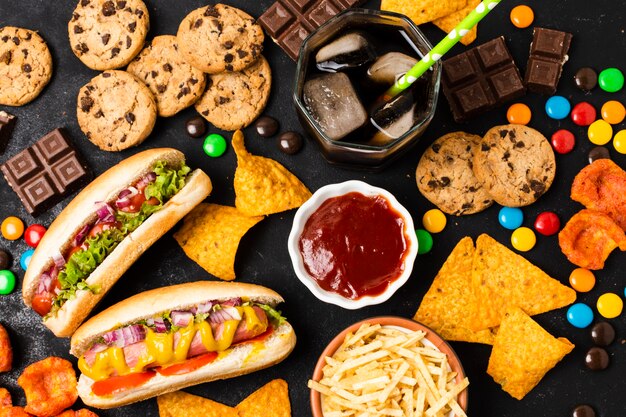
“Ultra-processed foods include products such as packaged snacks, fast food, sugary drinks, and other industrially manufactured foods. These products may contain ingredients including preservatives, artificial coloring, flavor enhancers, and emulsifiers.”
“Reducing the amount of ultra-processed food in our diet can be challenging, because it’s highly palatable, cheap, and convenient,” said corresponding author Nyasha Chagwedera, MD, PhD, assistant professor in the UCSF Department of Psychiatry and Behavioral Sciences. “Ultra-processed food triggers dopamine, the pleasure hormone, which promotes craving. Food companies work with scientists to find just the right amount of sugar, salt, and fat that make you want to eat more and more.” (University of California – San Francisco, 2026; Chagwedera et al., 2026).
Testing the Gut-Brain Connection
“The participants had an average age of 44, and 70% were female. Along with depression, 14 participants also had anxiety. Everyone in the study had a high BMI and at least one metabolic disorder — such as hypertension, diabetes, or elevated LDL cholesterol.
Researchers divided the participants into two groups. One group stayed on its usual diet for four weeks, while the other switched to a diet low in ultra-processed foods. Participants selected and bought their own food with guidance from the research team. After four weeks, the groups switched diets.” (University of California, San Francisco, 2026; Chagwedera et al., 2026).
“Chagwedera, who founded the UCSF Metabolic and Mental Health Program, said one possible explanation for the connection between ultra-processed food and depression involves what she described as a “leaky, out-of-balance gut.” According to this idea, ultra-processed foods may damage the protective lining of the gut.”
“This gut damage can create low-grade, chronic inflammation throughout the body that either directly causes depression or makes people more vulnerable to it.”
“In other words, junky processing may harm your gut in ways that ripple up to your brain.” (Chagwedera et al., 2026).
Larger Depression Trial Planned
“Because the study was small, the findings are still preliminary. The researchers now plan to investigate the effect in a larger group, with enrollment for phase 2 expected to begin in 2028.” (University of California, San Francisco, 2026).
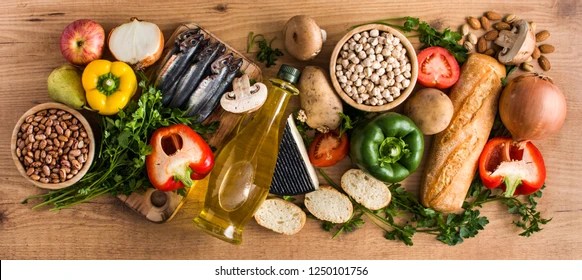
Until then, use common sense and adopt a healthy diet plan such as a Mediterranean Diet that is based on whole foods and has nourished populations for thousands of years.
For more information on healthy eating patterns, see:
Chagwedera DN, Kim E, Chiu DT, Jin C, Lee C, Tye S, Krystal A. Reducing Ultraprocessed Foods From the Diets of Patients With Depression: A Pilot Crossover Trial. JAMA Psychiatry. 2026 Sep 23:e262320. doi: 10.1001/jamapsychiatry.2026.2320.
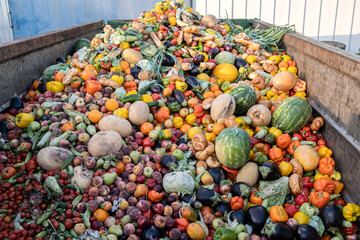
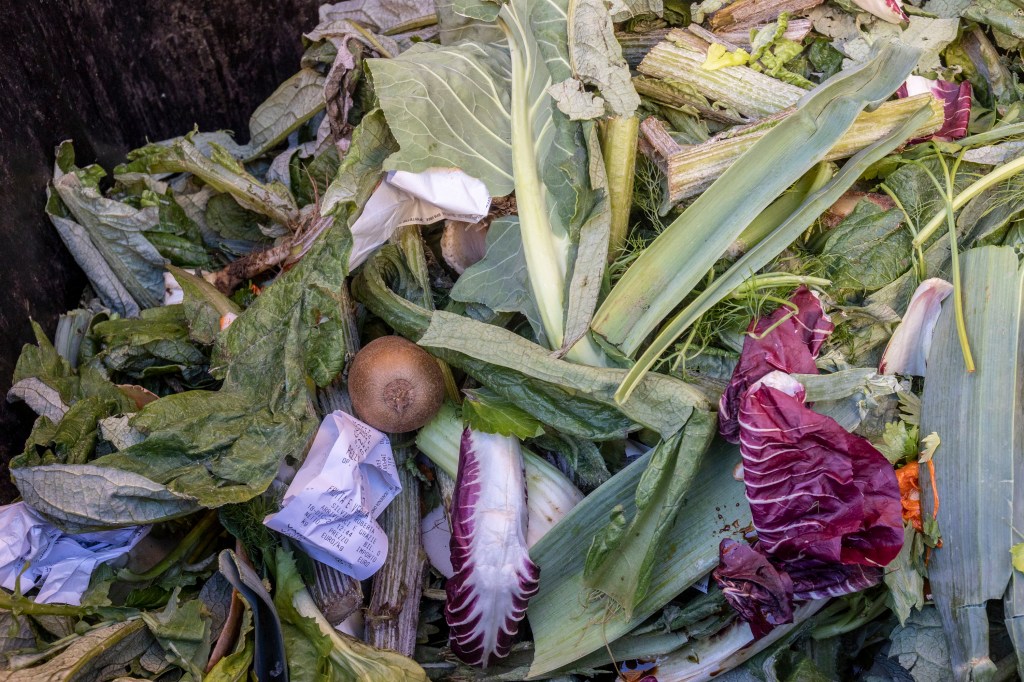
The seventh observance of the International Day of Awareness of Food Loss and Waste (IDAFLW) is approaching September 29, 2026, and now is the time for everyone to get involved and act. This year’s theme will focus on the “Transformative Potential of Reducing Food Loss and Waste.” Tackling food loss and waste, in fact, can generate a triple win: improving food security and nutrition, reducing pressure on natural resources and greenhouse gas emissions, and enhancing productivity and economic growth.
September 29, 2026, is International Day of Awareness of Food Loss and Waste (IDAFLW)
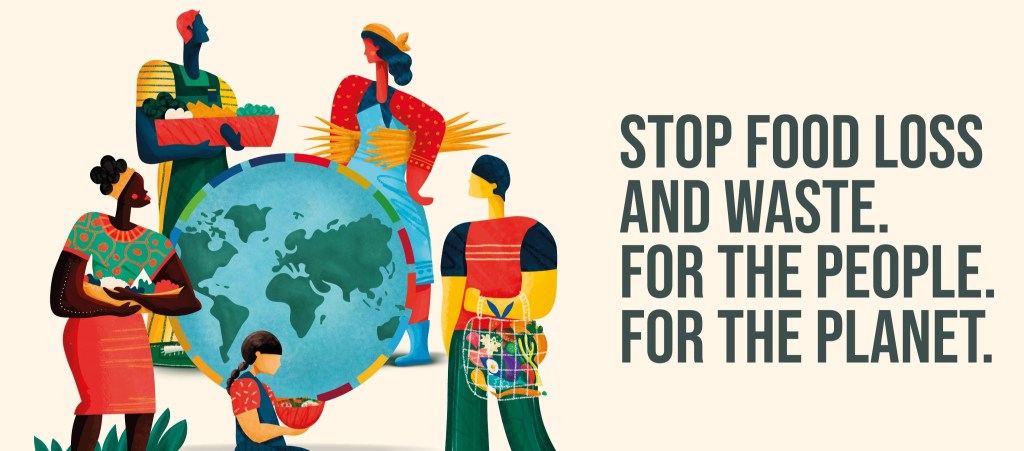
Stop food loss and waste, for the people, for the planet!
The United Nations recognizes the importance of reducing food loss and waste. On 19 December 2019, the UN General Assembly adopted resolution 74/209 proclaiming 29 September as the International Day of Awareness of Food Loss and Waste (IDAFLW). The International Day of Awareness of Food Loss and Waste seeks to promote awareness and collective action to reduce food loss and waste.
Decreasing food loss and waste is, in fact, enshrined in the United Nations Sustainable Development Goals (SDGs) – within SDG 12, which seeks to ensure sustainable consumption and production patterns, Target 12.3 aims to “halve per capita global food waste at the retail and consumer levels and reduce food losses along production and supply chains” by 2030.
The world’s population, currently at 8.2 billion, is expected to grow to close to 9.7 billion people by 2050 (UNDESA, 2024). Ensuring a food secure world – where current and future populations have access to sufficient nutritious food – crucially requires new ways of working, and concerted efforts to improve the sustainability and resilience of agrifood systems globally.
Reducing food loss and waste (FLW) helps to protect natural resources and biodiversity, reduce pollution and greenhouse gas (GHG) emissions, and maximize the use of food produced. It is therefore central to securing efficient, inclusive, resilient and sustainable agrifood systems, and to improving food security, nutrition and health.
Embracing innovation and fostering circular economy approaches in agrifood systems to prevent, reduce, reuse and repurpose FLW also serves to create new job opportunities, improve livelihoods and generate financial benefits for a range of stakeholders.
Now is the time for everyone – from producers, investors, businesses and supply chain stakeholders to consumers of all ages, as well as academia and research, civil society, and the private and public sectors – to take urgent action to expand and strengthen efforts both individually and collectively, to reduce food loss and waste towards ensuring a food secure world – now and in the future.
Food loss and waste in numbers
An estimated 13% of food produced is lost globally after harvest and prior to reaching retail shelves based on the most recent estimates ( FAO, 2019).
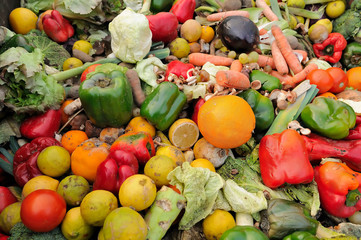
Recently updated estimates showed that a frightening 19% of food available to consumers – the equivalent of 1.05 billion tonnes – is wasted either by being discarded at retail, in food service settings, or thrown away by households. That’s almost one fifth of all food that reaches the end of the supply chain ( UNEP, 2024).
Collectively, we waste a lot of food at home. In fact, a staggering 60% of food waste is wasted at the household level, 28% from food service, and 12% from retail ( UNEP, 2024).
While all this food is being lost and wasted, an estimated one in thirteen people worldwide experienced hunger in 2025, representing between 608 and 696 million people (7.4-8.5 percent of the global population). Moreover, an estimated 2.1 billion people – 25.8 percent of the global population – experienced moderate or severe food insecurity ( FAO, 2026).
According to the latest estimates, approximately 2.69 billion (32.7 percent) people in the world cannot afford a healthy diet ( FAO, 2026). Among the various food groups, fruits and vegetables – a key component of a nutritious diet – experience the highest percentage of losses, further aggravating this global challenge ( FAO, 2019).
Food loss and waste also contributes to 10% of global greenhouse gas emissions (FAOSTAT, 2025), impacting climate change and environmental sustainability. Reducing food loss and waste is therefore a climate solution, which countries and communities can employ to reduce greenhouse gas emissions and protect natural resources ( IPCC, 2019).
Food that is never eaten uses up 28% of the world’s agricultural land area ( FAO, 2013).
The global land occupation footprint of food loss and waste, which is the total hectares used to grow food that ends up not being consumed, is about 1.4 billion hectares ( FAO, 2013), which is larger than Canada or China.
Food loss is also a market failure, representing an estimated annual loss of US$400 billion in food value ( FAO, 2019).
Food waste results in the throwing away of more than US$1 trillion worth of food every year ( UNEP, 2024).
How can you mark the day?
Join the conversation on social media using the hashtag #FLWday hashtag.
September 28 – October 4, 2026, is also Food Waste Prevention Week.
See the information included below to learn more and for resources to act including a Food Waste Prevention Toolkit.
Food Waste Prevention Week: September 28 – October 4
Food Waste Prevention Week is back, and this year’s theme is, Food Heroes in Your Neighborhood, which spotlights both local people and organizations doing the work of food waste prevention across the United States (US).
When we truly value food, we create ripple effects that transform our world. Every ingredient that reaches our plate represents months of growth, countless resources, and the dedication of farmers, producers, and communities. By honoring this precious resource, we’re not just making better choices—we’re building a more sustainable, equitable future.
For Our Communities
When we maximize the value of food, we help ensure that nutritious meals reach those who need them most, strengthening food security for everyone.
For Our Families
Learning to treasure and creatively use ingredients saves money, sparks culinary creativity, and teaches valuable life skills that connect us to our food and each other.
For Our Future
By changing how we think about food today, we’re creating a culture that sees abundance in what we have rather than scarcity in what we lack.
For Our Planet
Keeping good food in use reduces the environmental impact of agriculture while protecting our natural resources for future generations. When perfectly good food ends up in landfills, it creates methane—a greenhouse gas far more potent than carbon dioxide—while taking up valuable space that could be preserved for genuine waste.
A new 20-year study of diets of individuals who live in 149 countries published in Nature Food (2026) has found that young individuals (aged 11 to 19 years old) have the highest individual carbon footprints from food, while aging populations (persons aged 60 years and older) are driving the largest overall increase in diet carbon emissions. The larger diet-related carbon emissions of seniors (older individuals) are due to their greater numbers. (Li et al., 2026; Bryce, 2026).
Which age group has the most climate-intensive diet?
“Your age shapes your diet’s impact will be—and while older people drive overall emissions increases at global scales, it’s surprisingly the youth who have a higher individual footprint, a new study finds.”
The Nature Food research “brought together a multinational team who say their work indicates that a one-size-fits-all approach won’t be effective in tackling dietary impacts: instead we need tailored approaches that target different age groups, they believe.”
“The research draws on data from 149 countries, from the period spanning 2000 and 2019, and evaluates dietary emissions linked to 141 commonly-consumed foods. What makes this study different from most others like it is that it looked at how much of each product was consumed across more than 20 age groups.” (Bryce, 2026; Li et al., 2026)
“Key patterns emerged. Chief among these is that across the 149 countries overall, seniors—people aged 60 years or more—were responsible for most of the emissions growth linked to food. However, this wasn’t because older people individually ate more greenhouse gas-intensive diets, as is often assumed. Instead, the larger dietary contribution of older folks simply comes down to their greater numbers. That’s because many of the 149 countries included in the study—mainly high and middle-income nations—now have aging populations.”
“In fact, it was teenagers, aged 11 to 19 years, and young adults aged 20 to 29, who were responsible for consuming more greenhouse gas-intensive meals at the individual level. Meat and dairy were the main drivers of increased emissions in diets across all age groups. But in young people’s diets the presence of meat and dairy was especially pronounced, and hiked up their per capita emissions impact.” (Bryce, 2026; Li et al., 2026)
“The researchers say this partly reflects young people’s higher energy requirements. But it also reveals increasing lifestyle-related dietary preferences for animal-based foods. This trend is becoming more pronounced in lower-middle-income countries, where changing dietary traditions and increasing per capita food intake seem to be fueling a greater appetite for dairy and meat.”
“In these countries, young people actually turned out to be the main contributors to total dietary emissions too, because youth tend to make up the majority of those populations.” (Bryce, 2026; Li et al, 2026)
“This complex picture suggests we’ll need a more nuanced approach if we’re going to try and encourage people to make more sustainable food choices. For young people, the research team underscores the value of education and behavioral change through school and restaurant environments that mainly attract youth.” (Bryce, 2026; Li et al., 2026)
“For older people, despite not having the highest per capita footprint, there are still dietary emissions reductions to be made across this group, and these could have huge potential considering its size.”
“One delicate factor to navigate is that in some lower-middle-income countries, there’s an association between increased meat and dairy consumption and nutritional gains.” (Byrce, 2026; Li et al., 2026)
“So, balancing sustainability with health in these places may in fact require a slower shift in food systems, to increase access to a diversity of nutrient-rich foods, not just dairy and meat.”
“For now, the researchers simply want us to consider this other, overlooked factor in what shapes global dietary emissions: “Who we are, as much as what we eat, is becoming a defining factor in future climate trajectories,” they say.” (Byrce, 2026; Li et al., 2026)
References
Li, Y., Yan, J., He, P. et al. Youth lead current dietary emissions while seniors increasingly drive total emission growth. Nature Food. 2026;7:688–700. https://doi.org/10.1038/s43016-026-01383-4
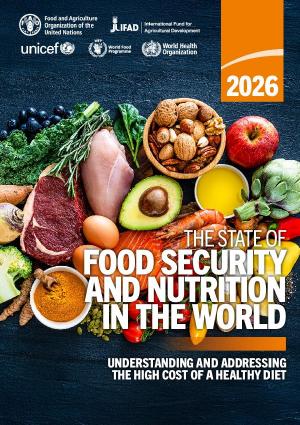
The recently released 2026 edition of The State of Food Security and Nutrition in the World (SOFI) report “estimates that 7.8 percent of the global population faced hunger in 2025, down from 8.1 percent in 2024 and 8.6 percent in 2022, confirming a sustained, albeit slow, improvement. This means that around 645 million people were affected by hunger in 2025, representing a reduction of nearly 14 million compared to 2024 and 43 million compared to 2022.” (WHO, 2026 and FAO et al., 2026)
“Despite global progress, recovery remains uneven across regions. Asia, together with Latin America and the Caribbean, has recorded steady improvements in recent years. In contrast, Africa is now home to approximately 309 million hungry people, compared with 292 million in Asia. Although Africa’s previously rising trend is beginning to stabilize, with the share of its population facing hunger decreasing from 20.3 percent in 2024 to 20.0 percent in 2025, the continent now has the highest number of hungry people in absolute terms amid a rapidly growing population.” (WHO, 2026)
“Broader measures of food access tell a similar story. In 2025, an estimated 25.8 percent of the global population (around 2.1 billion people) experienced moderate or severe food insecurity, meaning they were at times forced to compromise on the quality or quantity of the food they ate. This is down from 27.1 percent in 2024 and 28.7 percent in 2020 – equivalent to nearly 86 million fewer people than in 2024 and 135 million fewer than in 2020, though still above pre-pandemic levels.
Regional disparities remain stark. More than half of Africa’s population (56.6 percent) faced moderate or severe food insecurity in 2025, compared to 20.3 percent in Asia, 22.9 percent in Latin America and the Caribbean, and 8.7 percent in Northern America and Europe. Food insecurity also continues to be more prevalent in rural areas than in peri-urban and urban areas, while women remain disproportionately affected, although the gender gap narrowed slightly in 2025.” (WHO, 2026)
Slow progress on global nutrition targets
“The report highlights that global progress on maternal and child nutrition also remains insufficient to meet international commitments, including the 2030 nutrition targets.
Indicators such as child stunting, wasting, overweight, low birthweight and exclusive breastfeeding show only marginal improvements and progress is too slow to meet the targets. At the same time, anemia among women aged 15 to 49 years is worsening, while the prevalence of adult obesity shows a steady increase – from 12.1 percent in 2012 to 16.2 percent in 2024 – contrary to the target of halting its rise by 2025. Only 30.8 percent of children aged 6 to 23 months worldwide consume a minimally diverse diet and 150 million children under five years of age are still stunted.
Progress again varies significantly across regions. The prevalence of child stunting is declining in Africa and is on track to meet the 2030 target in Asia, while exclusive breastfeeding rates are improving across all regions where data is available. However, nearly all regions are experiencing widening gaps in addressing anemia among women, and child overweight is increasing rapidly in Oceania.” (WHO, 2026)
The cost of a healthy diet
“This year’s SOFI report takes a closer look at the cost of a healthy diet – the average minimum expenditure required to obtain locally available foods that meet energy and most nutrient requirements. According to FAO and WHO, a healthy diet is one that is adequate, balanced, diverse, and moderate.
The report underscores that costs remain a major constraint to achieving SDG 2 (Zero Hunger), although lowering such costs alone will not be sufficient to improve dietary quality and nutrition outcomes.” (WHO, 2026)
“In 2025, the average global cost of a healthy diet rose to 4.28 purchasing power parity (PPP) dollars per person per day, up from 3.44 PPP dollars in 2021 and 2.94 PPP dollars in 2017, with the highest levels recorded in Latin America and the Caribbean (4.91 PPP dollars). At the same time, the number of people unable to afford a healthy diet has declined – from 2.97 billion (37.4 percent of the global population) in 2021 to 2.69 billion (32.7 percent) in 2025.
However, this trend masks significant regional disparities. In Africa, affordability worsened markedly, with 66.6 percent of the population unable to afford a healthy diet in 2025 – more than double the levels observed in Asia and in Latin America and the Caribbean.” (WHO, 2026)
“Healthy diet costs vary widely across regions due to structural differences in agrifood systems. Animal source foods, fruits and vegetables account for the largest share of costs, while starchy staples contribute relatively little. Animal source foods are the largest contributor to the cost of a healthy diet in Africa, whereas vegetables represent the largest share in Latin America and the Caribbean.” (WHO, 2026)
“Food value chains are a major determinant of prices. Post-farmgate activities account for 70 to 75 percent of what consumers pay, with up to 40 percent of total costs arising in processing, logistics and wholesale. Improving efficiency in these segments is therefore critical, particularly for lowering the cost of perishable, nutrient-rich foods.
Reducing the cost of a healthy diet requires context-specific policy responses that expand the supply of nutritious foods while lowering structural costs across agrifood value chains. This includes investments in infrastructure, research and development, irrigation and cold chains, alongside reforms in subsidies, trade facilitation and regulatory frameworks.” (WHO, 2026)
“Targeted interventions that boost productivity, reduce losses and promote sustainable practices can simultaneously improve nutrition outcomes, strengthen resilience and support climate goals.
The work that lies ahead over the years to 2030 is immense. However, a world in which a healthy diet is no longer out of reach for nearly one in three people is a world worth building,” the report argues.” (WHO, 2026)
As noted above, the newly released report, The State of Food Security and Nutrition in the World 2026, also reiterates the importance of addressing the high costs of a healthy diet (WHO, FAO et al., 2026)
High costs of a healthy diet
As noted by David Laborde at the FAO (in the Agrifood Economics and Policy Division, [ESA]):
“While the global average cost of a healthy diet reached PPP $4.28 per day in 2025, this single number masks massive regional disparities….
The reality is that the cost of nutritious food is driven by structural, 𝗹𝗼𝗰𝗮𝗹𝗶𝘇𝗲𝗱 𝗯𝗼𝘁𝘁𝗹𝗲𝗻𝗲𝗰𝗸𝘀 𝗮𝗻𝗱 𝗻𝗼𝘁 𝗷𝘂𝘀𝘁 𝗴𝗹𝗼𝗯𝗮𝗹 𝗰𝗼𝗺𝗺𝗼𝗱𝗶𝘁𝘆 𝗺𝗮𝗿𝗸𝗲𝘁𝘀.
Here is why the price of a healthy diet varies so drastically depending on where you live:
𝗟𝗮𝘁𝗶𝗻 𝗔𝗺𝗲𝗿𝗶𝗰𝗮 𝗮𝗻𝗱 𝘁𝗵𝗲 𝗖𝗮𝗿𝗶𝗯𝗯𝗲𝗮𝗻 (𝗟𝗔𝗖): 𝘛𝘩𝘦 𝘪𝘯𝘵𝘦𝘳𝘯𝘢𝘭 𝘓𝘰𝘨𝘪𝘴𝘵𝘪𝘤𝘴 𝘉𝘰𝘵𝘵𝘭𝘦𝘯𝘦𝘤𝘬, LAC faces the highest average cost of healthy diet (CoHD) in the world at 4.91 PPP dollars per day.
The main culprit? Exceptionally expensive vegetables. Severe logistical friction and poor midstream efficiency disproportionately inflate the retail price of highly perishable produce before it even reaches the consumer.
𝗔𝗳𝗿𝗶𝗰𝗮: 𝘛𝘩𝘦 𝘓𝘪𝘷𝘦𝘴𝘵𝘰𝘤𝘬 𝘊𝘩𝘢𝘭𝘭𝘦𝘯𝘨𝘦 𝘐𝘯 𝘈𝘧𝘳𝘪𝘤𝘢, animal-source foods (like meat and dairy) are by far the most expensive food group, with nearly 70% of countries falling into the highest cost tier globally. This is driven by low baseline productivity, high feed costs, and a lack of veterinary services, compounded by massive physical food losses due to weak cold chains
𝗔𝘀𝗶𝗮: 𝘛𝘩𝘦 𝘙𝘢𝘤𝘦 𝘈𝘨𝘢𝘪𝘯𝘴𝘵 𝘵𝘩𝘦 𝘊𝘭𝘰𝘤𝘬, Fruits are the highest-cost food group in Asia. This is heavily tied to supply chain inefficiencies. Because fruits are highly perishable, the lack of packhouses, inadequate cold storage, and weak rural-urban transport links lead to massive post-harvest losses, driving up the retail price of the surviving fruit.
𝗛𝗶𝗴𝗵-𝗜𝗻𝗰𝗼𝗺𝗲 𝗥𝗲𝗴𝗶𝗼𝗻𝘀: 𝘛𝘩𝘦 𝘞𝘢𝘨𝘦 𝘋𝘪𝘷𝘪𝘥𝘦 𝘐𝘯 𝘌𝘶𝘳𝘰𝘱𝘦, Northern America, and Oceania, starchy staples and animal-source foods are structurally cheap due to decades of policy support and capital-intensive systems. However, fresh produce remains expensive. Why? Because fruits and vegetables are highly labor-intensive to harvest and cannot be so easily mechanized, making their prices highly sensitive to the high wages in these economies.
𝗧𝗵𝗲 𝗟𝗮𝗻𝗱𝗹𝗼𝗰𝗸𝗲𝗱 𝗣𝗲𝗻𝗮𝗹𝘁𝘆 𝗚𝗲𝗼𝗴𝗿𝗮𝗽𝗵𝘆 plays another cruel trick: Landlocked Developing Countries face import logistics costs that are 79% higher than coastal nations in the same region.
𝗧𝗵𝗲 𝗧𝗮𝗸𝗲𝗮𝘄𝗮𝘆: Because the drivers of food costs vary so drastically, there is no universal “silver bullet” to fix the problem.”
Lowering the cost of a healthy diet requires highly targeted, region-specific interventions. (Laborde, July 17, 2026)
New research published in Nature (July 15, 2026) concludes that transforming global food systems would benefit both population and planetary health, but farmers need support to adapt to fundamental changes (Gibson et al., 2026; London School of Hygiene & Tropical Medicine, 2026).
More specifically, the authors found that, “[f]ollowing recommendations to shift to healthier diets, improve farm productivity and halve food waste, could reduce global agricultural land use by up to 6% by 2050 and lead to a 42% decline ($630 billion) in global livestock production value compared to 2020.
Implementing the changes by 2050 would also lead to an estimated 70% ($274bn) decrease in the production value of ruminant animals (beef cattle, sheep, and goats) and 400 million fewer ruminant animals globally compared to 2020. In contrast the global value of vegetable, fruit, nut and legume production would increase by 57% ($890bn)….” (London School of Hygiene & Tropical Medicine, 2026)
[Furthermore], “the new analysis shows that following the 2025 EAT-Lancet Commission recommendations could also see agriculture related net-CO2 emissions from land-use change fall by 85% by 2050 compared to 2020 levels.” (London School of Hygiene & Tropical Medicine, 2026). Lack of affordability and access to the foods that are recommended in the EAT-Lancet planetary health diet are discussed in this new research article, particularly for people residing in low and middle-income countries (LMICs).” For example, the authors of this new research note that:
“Another impediment is consumer behaviour, which in our scenario assumed a costless consumer preference shift towards healthy diets. In reality, there are challenges to changing consumer behaviour including questions of accessibility and affordability, as well as engaging with broader food cultures and individual tastes that all contribute to dietary choices54. Although the challenges are immense and raise serious questions over the feasibility of achieving such changes by 2050, the potential of substantial positive change should not be discounted, for example through social tipping points55 or health innovation (for example, GLP-1 (ref. 56)).”
“This study does not explicitly contend with questions of consumer affordability, but some studies have assessed that a current EAT–Lancet diet could be more affordable for many in high-income countries but less affordable for many in lower-middle and low-income countries57. However, recent modelling suggests that an EAT–Lancet diet achieved by 2050 alongside reductions in FLW [food loss and waste] and projected per capita incomes rising faster than food prices, could be less expensive globally on average than BAU [business as usual] projected diets58 and, in a similar vein, we find that (producer) prices would be lower relative to BAU [business as usual] projections.”
“The global food systems transformation explored here fundamentally breaks with several historical trends (for example, on land use, and agricultural production and its value). Such a transformation would pose substantial political economy challenges with costs that are often concentrated (for example, the livestock sector) and benefits more diffuse (for example, general improvement of public health). Bold policy decisions in the present can shape and shield who wins and who loses in such a food systems future.” (p. 7) (Gibson et al., 2026)
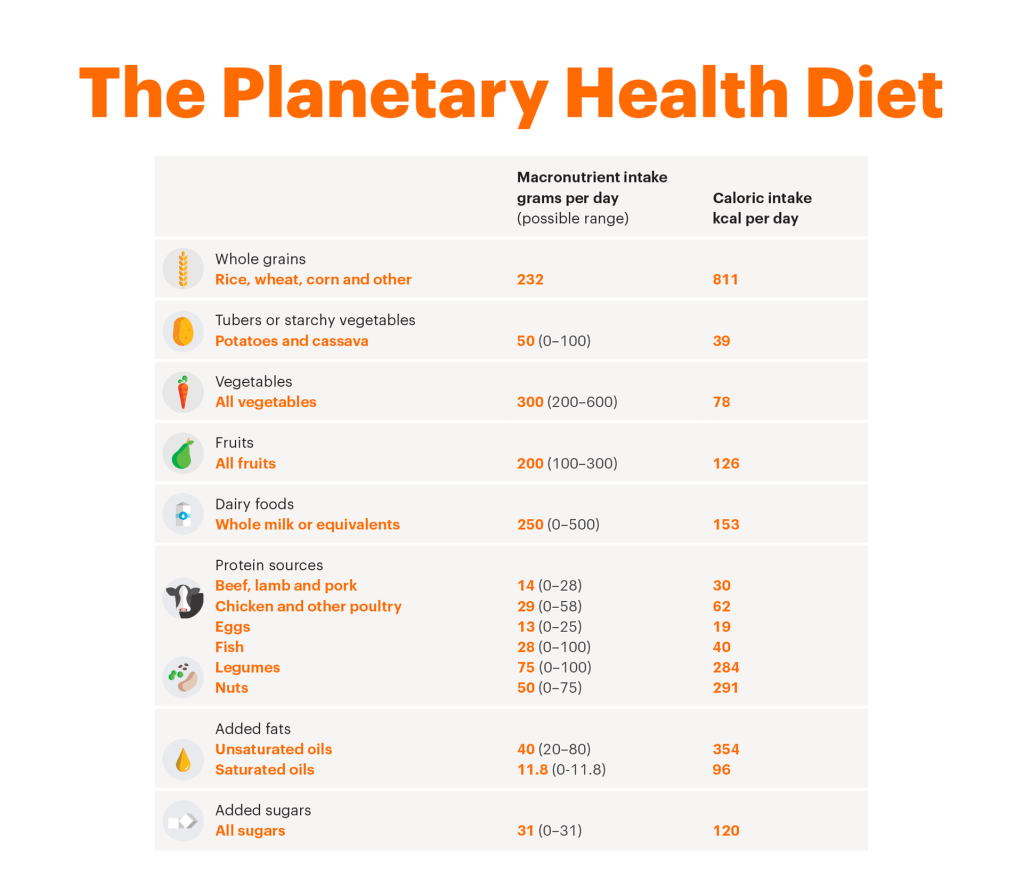
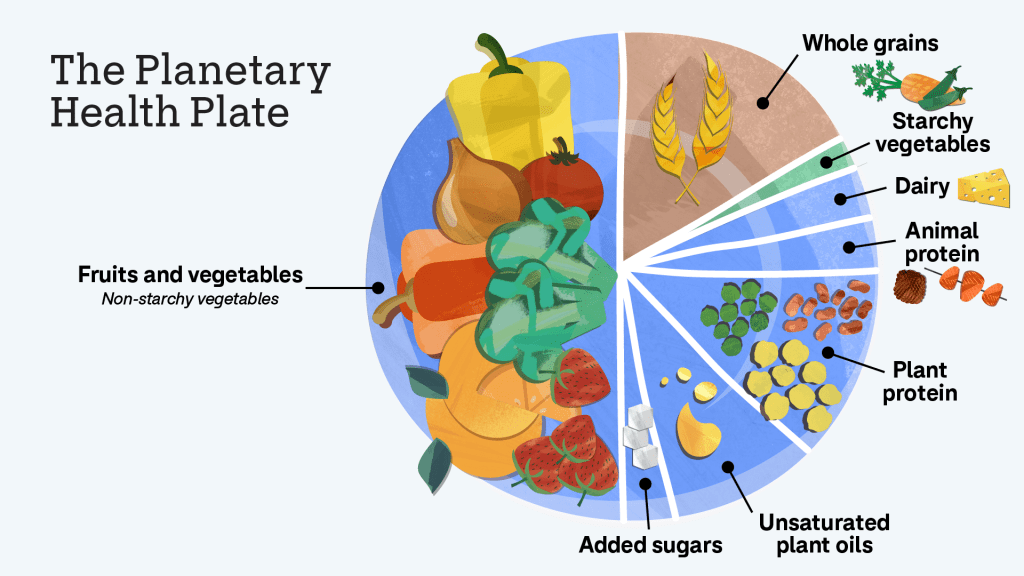
See below for more information on the individual food/dietary recommendations for the EAT-Lancet planetary health diet as well as a visual representation of this diet via The Planetary Health Plate.
The EAT-Lancet planetary heath diet
The State of Food Security and Nutrition in the World 2026
The newly released report titled, The State of Food Security and Nutrition in the World 2026 that was on July 21, 2026, reiterates the importance of addressing the high costs of a healthy diet (FAO et al., 2026)
As noted by David Laborde at the FAO (in the Agrifood Economics and Policy Division, [ESA]):
“While the global average cost of a healthy diet reached PPP $4.28 per day in 2025, this single number masks massive regional disparities….
The reality is that the cost of nutritious food is driven by structural, 𝗹𝗼𝗰𝗮𝗹𝗶𝘇𝗲𝗱 𝗯𝗼𝘁𝘁𝗹𝗲𝗻𝗲𝗰𝗸𝘀 𝗮𝗻𝗱 𝗻𝗼𝘁 𝗷𝘂𝘀𝘁 𝗴𝗹𝗼𝗯𝗮𝗹 𝗰𝗼𝗺𝗺𝗼𝗱𝗶𝘁𝘆 𝗺𝗮𝗿𝗸𝗲𝘁𝘀.
Here is why the price of a healthy diet varies so drastically depending on where you live:
🍅 𝗟𝗮𝘁𝗶𝗻 𝗔𝗺𝗲𝗿𝗶𝗰𝗮 𝗮𝗻𝗱 𝘁𝗵𝗲 𝗖𝗮𝗿𝗶𝗯𝗯𝗲𝗮𝗻 (𝗟𝗔𝗖): 𝘛𝘩𝘦 𝘪𝘯𝘵𝘦𝘳𝘯𝘢𝘭 𝘓𝘰𝘨𝘪𝘴𝘵𝘪𝘤𝘴 𝘉𝘰𝘵𝘵𝘭𝘦𝘯𝘦𝘤𝘬, LAC faces the highest average cost of healthy diet (CoHD) in the world at 4.91 PPP dollars per day.
The main culprit? Exceptionally expensive vegetables. Severe logistical friction and poor midstream efficiency disproportionately inflate the retail price of highly perishable produce before it even reaches the consumer.
🥩 𝗔𝗳𝗿𝗶𝗰𝗮: 𝘛𝘩𝘦 𝘓𝘪𝘷𝘦𝘴𝘵𝘰𝘤𝘬 𝘊𝘩𝘢𝘭𝘭𝘦𝘯𝘨𝘦 𝘐𝘯 𝘈𝘧𝘳𝘪𝘤𝘢, animal-source foods (like meat and dairy) are by far the most expensive food group, with nearly 70% of countries falling into the highest cost tier globally. This is driven by low baseline productivity, high feed costs, and a lack of veterinary services, compounded by massive physical food losses due to weak cold chains
🥭 𝗔𝘀𝗶𝗮: 𝘛𝘩𝘦 𝘙𝘢𝘤𝘦 𝘈𝘨𝘢𝘪𝘯𝘴𝘵 𝘵𝘩𝘦 𝘊𝘭𝘰𝘤𝘬, Fruits are the highest-cost food group in Asia. This is heavily tied to supply chain inefficiencies. Because fruits are highly perishable, the lack of packhouses, inadequate cold storage, and weak rural-urban transport links lead to massive post-harvest losses, driving up the retail price of the surviving fruit.
👩🌾 𝗛𝗶𝗴𝗵-𝗜𝗻𝗰𝗼𝗺𝗲 𝗥𝗲𝗴𝗶𝗼𝗻𝘀: 𝘛𝘩𝘦 𝘞𝘢𝘨𝘦 𝘋𝘪𝘷𝘪𝘥𝘦 𝘐𝘯 𝘌𝘶𝘳𝘰𝘱𝘦, Northern America, and Oceania, starchy staples and animal-source foods are structurally cheap due to decades of policy support and capital-intensive systems. However, fresh produce remains expensive. Why? Because fruits and vegetables are highly labor-intensive to harvest and cannot be so easily mechanized, making their prices highly sensitive to the high wages in these economies.
🛃 𝗧𝗵𝗲 𝗟𝗮𝗻𝗱𝗹𝗼𝗰𝗸𝗲𝗱 𝗣𝗲𝗻𝗮𝗹𝘁𝘆 𝗚𝗲𝗼𝗴𝗿𝗮𝗽𝗵𝘆 plays another cruel trick: Landlocked Developing Countries face import logistics costs that are 79% higher than coastal nations in the same region.
💡𝗧𝗵𝗲 𝗧𝗮𝗸𝗲𝗮𝘄𝗮𝘆: Because the drivers of food costs vary so drastically, there is no universal “silver bullet” to fix the problem.”
Lowering the cost of a healthy diet requires highly targeted, region-specific interventions. (Laborde, July 17, 2026)
Gibson, M., Sundiang, M., Mason-D’Croz, D. et al. Food systems transformation would reshape global agriculture. Nature; 2026. DOI: 10.1038/s41586-026-10775-2
Laborde D. Agrifood Economics and Policy division (ESA), FAO. LinkedIn Post. July 17, 2026.
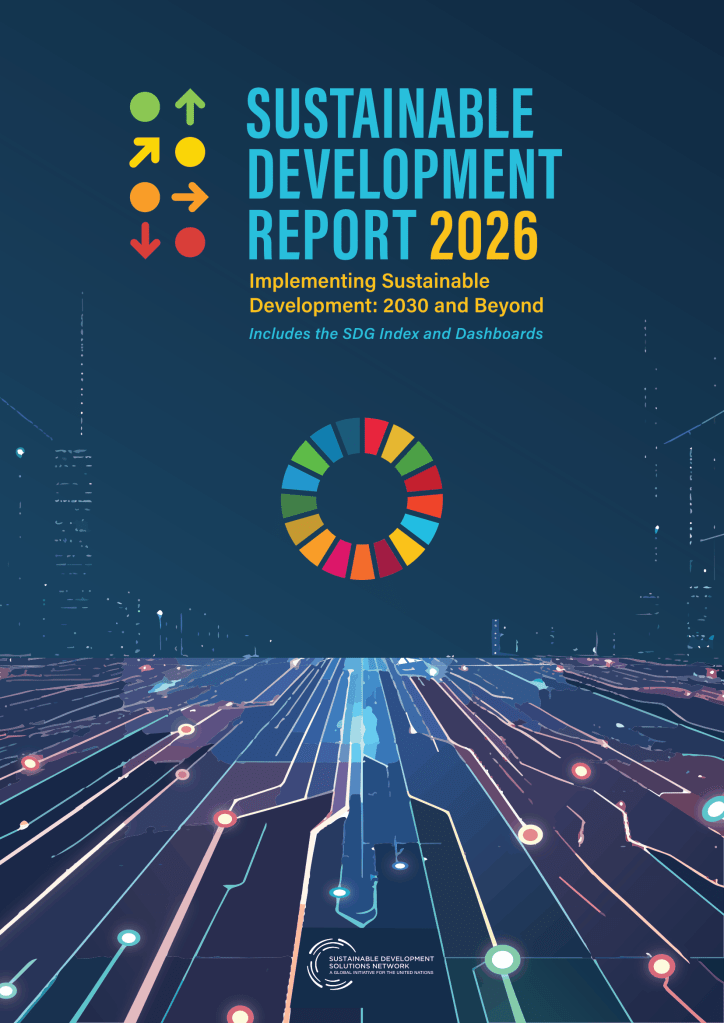
A seminal new report “Implementing Sustainable Development: 2030 and Beyond. Sustainable Development Report 2026” has been published. As noted by authors: “The Sustainable Development Report (SDR) reviews progress on the SDGs [Sustainable Development Goals] each year since their adoption by all UN Member States in 2015. The 2026 edition identifies 8 priorities for accelerating SDG progress through 2030 and beyond, and it presents results from 2 new SDSN [Sustainable Development Solutions Network] surveys: one of SDSN’s network of experts on governments’ SDG efforts and another of the broader public on barriers to SDG implementation and priorities for a post-2030 Agenda.” (Sachs et al., 2026)
“With less than four years remaining in the 2030 Agenda for Sustainable Development, progress on the Sustainable Development Goals (SDGs) remains significantly off track: Only 16% of targets are projected to be achieved by the deadline. The vast majority of UN Member States remain committed to the framework, but a small number of countries, most notably the United States, have moved into active opposition to the paradigm of sustainable development and the multilateral institutions that underpin it. These are among the key findings of the 11th edition of the Sustainable Development Report (SDR), released today by the UN Sustainable Development Solutions Network (SDSN).” (SDG Transformation Center, 2026)
“This year’s SDR calls for stronger SDG implementation and renewed global cooperation as the world enters the final years of the 2030 Agenda and begins laying the groundwork for a post-2030 framework. The report includes the SDG Index and Dashboards, ranking all UN Member States across the 17 SDGs, and the Index of Countries’ Support for UN-Based Multilateralism (UN-Mi), which tracks countries’ engagement with the UN system.” (SDG Transformation Center, 2026)
“The report also features two new surveys: 1) The “SDSN Expert Survey on Government Efforts for the SDGs” and 2) a large-scale public survey spanning 127 countries on “SDG Challenges and Means for Implementation.” Together, they reveal broad public support for maintaining the SDG framework beyond 2030, while also exposing significant regional and country-level disparities in governance, policy effort, and implementation capacity. Across respondents, stronger mechanisms for financing, governance, and the use of science and data emerged as the top priorities for accelerating sustainable progress by 2030 and beyond.” (SDG Transformation Center, 2026)
“Support for sustainable development as the global paradigm remains strong throughout the world. Notable success stories have emerged across East and South Asia and in many other countries and regions. Sustainable development cannot be achieved amid ongoing conflict, making peace the top priority of our time,” said Professor Jeffrey D. Sachs, President of the SDSN and a lead author of the report. “As the 2030 landmark approaches, the next era of sustainable development must put the global emphasis on implementation and ensuring strong financing and effective governance at all levels.” (SDG Transformation Center, 2026)
“The 2030 Agenda was always an ambitious undertaking, and today’s geopolitical headwinds are testing the resilience of the multilateral system,” said Dr. Guillaume Lafortune, Vice President of the SDSN and a lead author and coordinator of the report. “The moment calls for all countries to reaffirm the principles of the UN Charter, starting with Article 1, and to cooperate in building a credible global and regional security architecture. The next era of sustainable development must prioritize implementation through a reformed Global Financial Architecture, greater involvement of continental, regional, and local institutions, but also a central role for civil society and universities in driving accountability, innovation, and solutions on the ground.” (SDG Transformation Center, 2026)
The Annex included on page 24 of this new report includes Sustainable Development Goal (SDG) Dashboards by region of the world. Figure 2.11 (p. 24) lists the 2026 SDG Dashboard by region and income group (ratings and trends) for all 17 Sustainable Development Goals (SDGs). Of particular interest may be progress reported on: Zero Hunger (SDG #2), Good Health and Well-Being (SDG#3), Responsible Consumption and Production (SDG #12), and Climate Action (SDG #13). (Sachs et al., 2026)
You can also review the progress that has been made in different regions of the world including by low-income countries, lower-middle income countries, upper middle-income countries, high-income countries and a world average. Figure 2.12 on page 25 includes the 2026 Dashboard for OECD countries (ratings and trends) for all 17 Sustainable Development Goals (SDGs). (Sachs et al., 2026)
Finally, you can access full report, SDG Index, and SDG Dashboards via the links included below.
Implementing Sustainable Development: 2030 and Beyond: Sustainable Development Report 2026
A new study involving more than 100,000 participants and published in the European Hearth Journal (May 2026) has concluded that certain food preservatives could harm cardiovascular health.
The researchers identified eight preservatives that are linked to hypertension (high blood pressure). They also concluded that one additive was specifically associated with cardiovascular disease. These results published in the European Heart Journal suggest that certain common preservatives in food may increase hypertension and cardiovascular risk. (Hasenböhler et al., 2026)
The authors point out that the study design (an observational study) means that the results cannot conclusively prove causation and hence they are calling for further research. They also call for a re-evaluation of the risks by the relevant bodies, including the Food and Drug Administration (FDA) and the European Food Safety Authority (EFSA). (Hasenböhler et al., 2026; Newman, May 28, 2026).
“With ultra-processed foods (UPFs) making headlines on a weekly basis, the scientific community and public at large are more focused on the potential health effects of food additives than ever before.
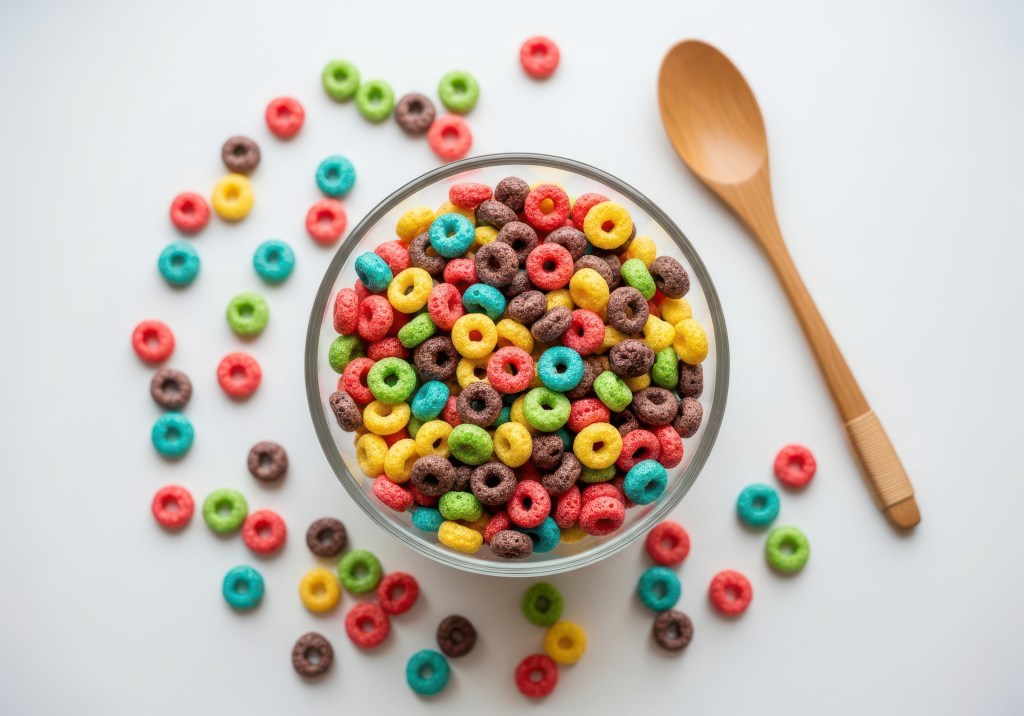
A vibrant image of colorful cereal loops in a glass bowl with a wooden spoon. The cereal loops are scattered around the bowl, creating a playful and appetizing scene. The bright colors of the cereal make it visually appealing and perfect for breakfast themes.
Preservatives, as the name suggests, prevent food from spoiling and pathogen invasion. They both improve food safety while increasing profits by extending shelf life. In 2019, roughly one-third of products purchased in the United States contained at least one preservative.
Interestingly, certain preservatives naturally occur in foods, such as ascorbic acid (vitamin C) and alpha-tocopherol (vitamin E). Consumption of these compounds within whole foods is associated with better cardiovascular health.
However, some early research suggests that their impact may be harmful when consumed outside of whole foods, at least for some populations.
According to the authors of the new study, little research has been conducted on the cardiovascular effects of preservatives, so this study provides fresh insights.” (Newman, May 28, 2026; Hasenböhler et al., 2026)
Some preservatives linked to type 2 diabetes, cancer
“The current study uses data from the largest nutrition study of its kind, called NutriNet-Santé.”
“The project began in France in 2009 and now involves more than 100,000 participants who regularly submit dietary data. The researchers also have access to blood samples and stool samples to assess participants’ gut microbiome.
In recent years, the group has focused on the impact of ultra-processed foods and additives on health. Earlier this year, for instance, they published research looking at the links between preservatives, type 2 diabetes, and cancer.
“They concluded that preservative intake was associated with an increased incidence of type 2 diabetes and some cancers. Now, they are focusing on the association between these additives, hypertension, and cardiovascular disease.” (Hasenböhler et al., 2026; Newman, May 28, 2026).
Quick note: In this study, the statistical term “incidence” measures the number of new cases of hypertension or cardiovascular disease that occurred during the study’s follow-up.”
“In total, the analysis included data from 112,395 people, more than two-thirds of whom were female, with an average age of 42.8. These individuals were followed for an average of 7.9 years.
The scientists identified 58 different preservatives that were consumed by participants. Of these, 17 were consumed by at least 10% of participants, so the researchers focused on these compounds and their associations with cardiovascular disease and hypertension.” (Newman, May 28, 2026; Hasenböhler et al., 2026)
The most common 10 preservatives reported were:
Citric acid: Consumed by 91.3% consumers (largely from processed fruit and vegetables).
Lecithins: 86.4%.
Total sulphites: 83.5% (mostly from alcoholic drinks).
Ascorbic acid: 83.0% (largely from processed fruit and vegetables).
Sodium nitrite: 73.3% (largely from processed meat products).
Potassium sorbate: 65.3%.
Sodium erythorbate: 52.5% (largely from processed meat products).
Sodium ascorbate: 49.7%.
Potassium metabisulfite: 44.2%.
Potassium nitrate: 32.3% (largely from processed meat products).
“As part of their analysis, the scientists accounted for a range of variables, including age, sex, height, body mass index (BMI), physical activity, smoking status, educational level, and family history of cardiometabolic disorder and hypertension.
Their analysis also controlled for macronutrient consumption, how much fruit and vegetables they ate, and their intake of alcohol, salt, meat products, and dairy.
Even after adjusting for these factors, they found that higher intakes of total non-antioxidant preservatives were associated with a higher incidence of cardiovascular disease and coronary heart disease.
Similarly, higher intakes of these preservative types were associated with a higher incidence of hypertension:
total preservatives: 24% higher
total non-antioxidant preservatives: 29% higher
total antioxidant preservatives: 22% higher
Antioxidant preservatives prevent chemical spoiling, whereas non-antioxidant preservatives work by killing microbes.
When the scientists drilled down into specific compounds, greater intakes of these preservatives were associated with a higher incidence of hypertension:
total sorbates: 39% higher
potassium sorbate: 39% higher
citric acid: 25% higher
potassium metabisulfite: 16% higher
total nitrites: 16% higher
sodium nitrite: 16% higher
ascorbic acid: 14% higher
sodium erythorbate: 14% higher
total ascorbates: 13% higher
total erythorbates: 13% higher
sodium ascorbate: 12% higher
total sulphites: 11% higher
extracts of rosemary: 10% higher
When assessing which individual preservatives were associated with a higher incidence of cardiovascular disease, only one remained significant:
ascorbic acid: 15% higher
Importantly, the researchers found no statistical interaction between diet quality or intake of UPFs. This means the effect is not solely because people who consumed more preservatives had an overall poorer diet.” (Newman, May 28, 2026; Hasenböhler et al., 2026)
“The current study has limitations. Because it is an observational study, it cannot prove causation. It is still possible that some other factor is responsible for the relationship between preservatives and heart health.
However, the authors end their paper with a call to arms: “This study provides new insights for revisiting the evaluation of the safety of these food additives, which should consider the benefit/risk balance between food preservation with these additives and their potential impact on cardiovascular health.”” (Newman, May 28, 2026; Hasenböhler et al., 2026)
Should I be worried about preservatives in food?
As evidence shows that food additives may cause harm, many are looking to reduce their intake.
“Medical News Today contacted Dr. Federica Amati, a research fellow at Imperial College London in the United Kingdom. Amati also works clinically as a registered nutritionist.
We asked how people could reduce their intake of preservatives. “In the U.S., [around 57%] of foods are ultraprocessed, and the majority of these products contain preservatives. It’s virtually impossible to reduce your preservative intake to zero, but cutting down on UPFs is a great place to start.”
When possible, she suggested we should prioritize whole foods, which will naturally have fewer cosmetic commercial additives. “As a double benefit,” she explained, “these foods, which include fruit, whole grains, veg, nuts, seeds, herbs, and spices, are rich in fiber.” (Newman, May 28, 2026, Hasenböhler et al., 2026)
This is particularly important in this case, she explained, as “we know that fiber is an essential nutrient that supports good gut health, immune function, and heart health.”
“If you want to start small, focus on reducing some of the worst offenders first,” she suggested. “Processed meat products, which often contain nitrate and nitrite preservatives, are also associated with poorer health if eaten regularly, so try to replace these with unprocessed white meats when possible.”
Sodas also often contain preservatives, and like processed meat products, are associated with poorer health when consumed regularly. So, “Try to replace these with water, unsweetened tea and coffee, or fermented products like kombucha or kefir,” she told us.
“However, remember to read the labels and check for products that include live cultures and a short ingredient list — not all fermented beverages are created equal.”” (Newman, May 28, 2026; Hasenböhler et al., 2026)
Hasenböhler A, Javaux G, Payen de la Garanderie, M, et al. Preservative food additives, hypertension, and cardiovascular diseases: the NutriNet-Santé study, European Heart Journal. 2026; ehag308, https://doi.org/10.1093/eurheartj/ehag308
A new scientific review on organic agriculture and climate change has been published in Renewable Agriculture and Food Systems. This review is an update to a previous scientific review published in the year 2010. The authors of this newly published review (2026) confirm that,
“Today’s scientific evidence confirms that the principles of organic agriculture can facilitate a transition to climate-neutral food systems. Compliance with only mandatory requirements of organic certification is not sufficient for climate neutrality but can significantly offset agricultural emissions by avoiding mineral fertilizers and increasing soil carbon sequestration.”
Most relevant to achieving climate neutrality of the food system is a shift toward more plant-based diets. “Although behavioral change is more challenging to achieve, the principles of organic agriculture can positively trigger a climate-sensitive mind-shift of consumption and production patterns. Organic farming methods can also significantly contribute to climate adaptation in terms of better resilience under climatic variability and stress conditions. The all-encompassing systemic approach of organic agriculture indicates a viable path to food system resilience to climate change.” (Mueller-Lindenlauf and El-Hage, 2026)
Contribution of organic agriculture to climate-neutral farming
“To achieve climate neutrality, CH4 and N2O emissions must therefore be reduced to the extent that annual emissions do not exceed their annual decay rate. IPCC/AR6 indicates that anthropogenic CO2 emissions must reach net zero by 2070 to limit global warming to 2°C, while global methane emissions must be limited only to about 50 percent of the 2015 emissions (IPCC, Reference Lee and Romero2023, p. 22). The IPCC special report ‘Global warming of 1.5°C’ states that all N2O emissions should be reduced by about 25 percent until 2050, compared to 2020 levels (IPCC, 2018, p. 13), though most recent information indicates that such emissions should be cut by over 40 percent to remain below the 1.5oC pathway (UNEP and FAO, 2024).”
“The differentiation in emission reduction targets for CH4 and N2O was not considered in our 2010 paper, though agriculture is responsible for 53 percent of CH4 and 78 percent of N2O emissions (FAO, 2021). Despite a large increase in efforts for reducing GHG emissions, there are only slight changes in the annual GHG emissions from agrifood systems since 2010 (FAO, 2024). Compared to the year 2000, emissions from land use change decreased by 30 percent, while pre- and post-production grew by 52 percent due to activities along the supply chain (FAO, 2024). Thus, activities beyond the farm gate must also be considered.” (Mueller-Lindenlauf and El-Hage, 2026)
Direct effects of a shift to organic agriculture
Fossil CO2
“Organic standards do not prohibit the use of fossil fuels. Fossil fuels are not ‘synthetic’ and were not considered harmful by the founders of organic farming of the 20th century. We did not mention this obvious fact in 2010, but the current perspectives focus on phasing-out fossil fuels. CO2 emissions from fossil fuels depend on both the energy demand and the energy mix. A review evaluating around 50 individual studies on the energy requirements of conventional and organic farms confirmed our finding that organic systems have a lower energy demand, namely because higher energy demands for tillage and mechanical weed control are offset by a lower energy demand due to the avoidance of mineral fertilizers (Smith, Williams and Peace, Reference Smith, Williams and Pearce2013); the synthetic N fertilizer supply chain is responsible for 2.1% of global GHG emissions (Menegat, Ledo and Tirado, Reference Menegat, Ledo and Tirado2022). Overall, organic farms perform better than conventional for nearly all crops when energy use is expressed per production area, but results are variable per unit of product, due to lower yields in developed countries (Smith, Williams and Pearce, Reference Smith, Williams and Pearce2013).”
“A climate-neutral agriculture requires the transition from fossil to renewable energy sources, but this transition might increase energy costs and reduce total energy availability. Organic farming supports the transition by foregoing mineral fertilizers and other external inputs, by harnessing ecosystem services, and by recommending the use of renewable energy sources for greenhouses (e.g., IFOAM, 2014).”
“Renewable energy policies (REN, 2024) favor the integration onto farms of solar panels for electricity generation and of biomass digesters to convert organic waste into biofuel. However, the energy transition in agriculture—and of agrivoltaics in particular—entails trade-offs and synergies regarding land and resource use (Goldberg, Reference Goldberg2023), as farmers often prefer guaranteed income from land lease for solar energy to volatile cultivations. We could not find scientific evidence regarding fossil fuel substitution with renewable energy by organic farms, as compared to their conventional counterparts. Further research is needed to assess to what extent the higher awareness of organic farmers for a healthy environment promotes the energy transition.” (Mueller-Lindenlauf and El-Hage, 2026)
Land use change and biomass carbon stocks
“Land use change leading to biomass carbon stock changes accounts for 11 percent of the global GHG emissions (IPCC, 2023, p. 7). Most relevant sources are drained organic soils, deforestation, and forest fires (FAOTSTAT, 2025), with slowing deforestation rates (FAO, 2025) and increased forest fires (Global Forest Watch, 2025). Between 2001 and 2024, forest fires are emerging as top drivers of global forest loss (29%), namely due to more extreme heat and drought that compound human-degraded landscapes (WRI, 2024). Organic standards still do not contain any legally binding regulations for the management of drained soils, and only some of them regulate biomass burning (e.g., Pacific Community, 2008). In this respect, organic farms are subject only to the same national laws as conventional farms. Organic rules have not significantly changed since 2010, although we mentioned that a further development of organic standards is needed to explicitly ban organic farming on previously deforested areas. Unfortunately, this did not happen, as was also criticized by Tayleur and Phalan (Reference Tayleur and Phalan2016) in a response to Reganold and Wachter (Reference Reganold and Wachter2016).”
“Climate change is expected to reduce average agricultural yields in many regions, particularly in lower latitudes (Rezaei et al., Reference Rezaei, Webber, Asseng, Boote, Durand, Ewert, Martre and MacCarthy2023), leading to a narrowing of the yield gap between organic and conventional systems, currently estimated between 8 and 25 percent lower in organic systems (Muller et al., Reference Muller, Schader, El-Hage Scialabba, Brüggemann, Isensee, Erb, Smith, Klocke, Leiber, Stolze and Niggli2017). For tropical and sub-tropical cropping systems, Te Pas & Rees (Reference Te Pas and Rees2014) found 26 percent higher organic yields and 53 percent higher soil organic carbon stocks (SOC) in organic systems, with least developed countries receiving least precipitations profiting most. A review of 74 studies showed that organic farming increases SOC in top soils, with an average sequestration rate of 0.45 Mg C/ha/y above conventional sequestration rates (all studies) and 0.1 Mg C/ha/y for the highest quality studies (Gattinger et al., Reference Gattinger, Muller, Haeni, Skinner, Fliessbach, Buchmann, Mäder, Stolze, Smith, Scialabba and Niggli2012). If we extrapolate these numbers for global croplands, it would sum up to 9–44 percent of the agricultural sector emissions. A more recent meta-analysis found that organic best practices, in sum, improve SOC by 18 percent on average (Crystal-Ornelas, Thapa and Tully, Reference Crystal-Ornelas, Thapa and Tully2021). These results confirm our assessment in 2010.” (Mueller-Lindenlauf and El-Hage, 2026)
“Incorporating forages and ruminants into regeneratively managed cropping systems is reported to elevate SOC and improve soil ecological functions (Teague and Kreuter, Reference Teague and Kreuter2020). Land restoration that reverses desertification through holistic planned grazing—currently applied over some 29 million hectares in 30 countries (Savory Institute, 2024)—offers great opportunities to augment land allocation to organic-like practices that increase soil carbon sequestration and protect from desertification and megafires.
Considering that organic carbon stocks are not permanent, a shift in management practices (e.g., tillage) or natural leakage effects (e.g., drainage) can reverse sequestration and re-emit stored carbon. Thus, the difficulty to guarantee permanence of SOC sequestration makes it challenging to include soil carbon sequestration in a climate change mitigation strategy or certification system (Paul et al., Reference Paul, Bartkowski, Dönmez, Don, Mayer, Steffens, Weigl, Wiesmeier, Wolf and Helming2023).” (Mueller-Lindenlauf and El-Hage, 2026)
“A controversial methane source in agriculture is animal husbandry, as methane is emitted via enteric fermentation in ruminants and manure management (slurry systems). Manure composting is often used in organic farming, and particularly biodynamic agriculture (Biodynamic Federation, 2024), thereby reducing emissions from manure management. As in 2010, we assume pasturing in organic farms significantly lowers methane emissions from manure because it lowers the share of anaerobic liquid manure. Slurry fermentation in biogas plants could further lower manure-based emissions close to zero, but this is not mandatory for organic farms.”
“Organic livestock management in extensive and grassland-based systems is reported to negatively affect climate change. To take advantage of grasslands, organic expansion may lead to a shift from monogastric to ruminants; scholars calculated that this would lead to potentially higher CH4 emissions (Barbieri et al., Reference Barbieri, Pellerin, Seufert, Smith, Ramankutty and Nesme2021; Smith et al., Reference Smith, Jones, Kirk, Pearce and Williams2018). Albeit methane emissions per unit of produce (e.g., CH4 per kg of organic milk) are higher in organic systems, the total GHG emissions are generally lower due to soil carbon sequestration and lower energy demand (mostly because of differences in feeding an fertilization) (Frank, Schmid and Hülsbergen, Reference Frank, Schmid and Hülsbergen2019; Lambotte et al., Reference Lambotte, De Cara, Brocas and Bellassen2023), while delivering a range of other benefits, such as utilizing grasslands that cannot be otherwise used for food production, thus sparing on concentrate feed and related arable land use.”
Nitrous oxide emissions
“Recent research confirms our findings from 2010, namely that N2O emissions per unit area are lower in organic agriculture. Skinner et al. (Reference Skinner, Gattinger, Muller, Mäder, Flieβbach, Stolze, Ruser and Niggli2014) found about 14 percent lower-area-scaled N2O fluxes from organically managed soils (but higher-yield-scaled emissions). Organic systems are mostly low external-input systems compared to conventional systems, leading to lower yields but higher nitrogen use efficiency (Kubota et al., Reference Kubota, Iqbal, Quideau, Dyck and Spaner2018). Barbieri et al. (Reference Barbieri, Pellerin, Seufert, Smith, Ramankutty and Nesme2021) showed a shift to organic agriculture would drastically limit nitrogen fluxes and hence N2O emission potential, because of not using mineral nitrogen fertilizers and because of a 20 percent reduction in livestock populations.” (Mueller-Lindenlauf and El-Hage, 2026)
Organic agriculture as an adaptation strategy
Short overview on climate change impacts
“Climate change will increase abiotic stress for agricultural crops and animals by increasing heat waves, droughts, heavy precipitation, and floods as well as tropical cyclones (IPCC, 2023). Cereal losses by droughts and heat waves already increased and are most likely to further increase, as will losses due to floods (Anderson, Bayer and Edwards, Reference Anderson, Bayer and Edwards2020). Climate change will further increase the variability in crop yields (Verma et al., Reference Verma, Song, Kumari, Jagadesh, Singh, Bhatt, Singh, Seth and Li2025), as well as crop and animal susceptibility to new pests and diseases (Anderson, Bayer and Edwards, Reference Anderson, Bayer and Edwards2020).” (Mueller-Lindenlauf and El-Hage, 2026)
“A review on agroecology practices such as diversification, organic nutrients, and legume cultivation—all common methods for organic farmers—showed that the integration of these practices into smallholder systems positively affected climate change adaptation and increased yields (Dittmer et al., Reference Dittmer, Rose, Snapp, Kebede, Brickman, Shelton, Egler, Stier and Wollenberg2023). Ecological infrastructures are required by biodynamic standards for at least 10 percent of a farm’s total area (Biodynamic Federation, 2024) but are less explicit in organic standards. These models inspired the EU commitments for 2030 which include, among others, to bring at least 25 percent of agricultural land under organic management, and to dedicate at least 10 percent of agricultural area to high-diversity landscape features to fulfil climate and environmental objectives (European Union, 2020).” (Mueller-Lindenlauf and El-Hage, 2026)
In recent years, crop breeding programs using genetically diverse, evolving population mixtures have emerged as a decentralized and efficient way to ensure continuous natural adaptation of crops to climate change. These ‘evolutionary mixtures’ outperform by far gene editing and any other biotechnologies through on-farm evolution, participatory selection, adaptation to specific agroecological conditions, and resilience to climate change at relatively minimal costs (Ceccarelli and Grando, Reference Ceccarelli and Grando2020).” (Mueller-Lindenlauf and El-Hage, 2026)
Integrated crop-livestock systems
“Although organic agriculture aims to close, to the extent possible, the farm nutrient cycle by integrating crop production and animal husbandry, many commercial organic farms still segregate crops and animals due to management complexity. However, biodynamic agriculture standards mandate animals on farms (Biodynamic Federation, 2024). Research shows that integrated plant–animal systems increase climate change adaptation, while providing a buffer against unpredictable climate events (Delandmeter et al., Reference Delandmeter, De Faccio Carvalho, Bremm, Dos Santos Cargnelutti, Bindelle and Dumont2024).” (Mueller-Lindenlauf and El-Hage, 2026)
Effects of organic lifestyles on climate change adaptation and mitigation
Dietary shifts
“Policies increasingly aim to reduce ruminant-related emissions and animal protein demand (OECD and FAO, 2019). The frequently cited ‘planetary health diet’ study proved a shift to a more plant-based human diet in combination with food waste reduction and improved production practices is needed to feed the 2050 world population healthy and within the planetary boundaries (Willet et al., Reference Willett, Rockström, Loken, Springmann, Lang, Vermeulen, Garnett, Tilman, DeClerck, Wood, Jonell, Clark, Gordon, Fanzo, Hawkes, Zurayk, Rivera, De Vries and Majele Sibanda2019). Schader et al. (Reference Schader, Muller, Scialabba, Hecht, Isensee, Erb, Smith, Makkar, Klocke, Leiber, Schwegler, Stolze and Niggli2015) estimated that animal production that avoids using food-competing feedstuffs—with ruminants fed on grasslands and monogastrics fed on recycled biomass and by-products—can globally reduce GHG by 18 percent and arable land occupation by 26 percent, while providing enough calories and proteins for the 2050 population. However, such a scenario entails global dietary changes that reduce animal food consumption from 38 to 11 percent of animal protein in the total energy supply, which remains slightly above the minimum level of 10 percent recommended for healthy diets.”
“Different worldviews, values, and perceptions influence behavioral changes in agricultural transformation processes (Gosnell, Gill and Voyer, Reference Gosnell, Gill and Voyer2019). Even though organic standards often lack explicit GHG guidance, the principles of organic agriculture as expressed by IFOAM (IFOAM, 2014) positively trigger climate-sensitive mind shifts. For example, the Pacific Organic Learning Fam Network, launched in 2020, actively promotes climate adaptation. Most organic farmers are organized in associations or cooperatives (e.g., Lee, 2021; BÖLW, 2025) and case studies from different world regions confirm the importance of cooperatives for providing professional networks, training, and extension services on ecological transition and climate change adaptation (Asai and Langer, Reference Asai and Langer2014; Jacobi et al., Reference Jacobi, Schneider, Bottazzi, Pillco, Calizaya and Rist2015; Bianco et al., Reference Bianco, Arfa, Ghali, Turpin and Daniel2019; Fachrista, Reference Fachrista2019; Wei, Kong and Wang, Reference Wei, Kong and Wang2022). More research is needed to further analyze the impact of the organic community in this transition.”
“Organic consumers have pioneered local supply chains that reduce GHG emissions from long-distance transport, packaging, processing, and food waste. Several box scheme models exist worldwide, and different forms of Community-Supported Agriculture (CSA) are being established, with over 13,000 farms in the USA (USDA, 2017) and 1 million consumers involved in Europe (Urgenci, 2016). A recent review confirms lower GHG emissions in CSA farms compared to reference systems (Egli, Rüschhoff and Priess, Reference Egly, Rüschhoff and Priess2023).” (Mueller-Lindenlauf and El-Hage, 2026)
Conclusions
“Today’s scientific evidence shows that the principles of organic agriculture could significantly contribute to a transition to climate neutral food systems. This does not apply to many certified organic lands which limit practices to mandatory requirements. However, even the latter significantly offsets agricultural emissions by avoiding mineral fertilizers and increasing soil carbon sequestration.”
“Organic farming methods can also significantly contribute to climate adaptation in terms of better resilience under climatic variability and stress conditions. Most relevant to achieve climate neutrality of the food system is a shift toward more plant-based diets and reduced food wastage. Although behavioral change is more challenging to achieve, the principles of organic agriculture can positively trigger a climate-sensitive mind-shift of consumption and production patterns. The all-encompassing systemic approach of organic agriculture indicates a viable path to food system resilience to climate change.” (Mueller-Lindenlauf and El-Hage, 2026)
Reference
Mueller-Lindenlauf M, El-Hage N. Organic agriculture and climate change—update after 15 years. Renewable Agriculture and Food Systems. 2026; 41:e13, 1–7. https://doi.org/10.1017/S1742170526100301
Stop Food Waste Day is the largest single day of action in the fight against global food waste. Join us on Wednesday, 29 April 2026.
As we mark our 10th Stop Food Waste Day in 2026, we celebrate our progress and reaffirm our commitment to reducing food waste across all areas of our business, with Stop Food Waste Day continuing to serve as a powerful catalyst for change.
Stop Food Waste Day is a global awareness day dedicated to reducing food waste.
Started in 2017 by Compass Group USA, Stop Food Waste Day is now recognized globally in every corner of the world as we unite to educate, inspire, and ignite change. Our mission is to ignite change regarding the global food waste problem. We do this by drawing attention to the issues, at the same time educating through engaging with society at all levels and sharing practical, creative, and impactful ways we can all change our behavior to reduce food waste.
Since starting out, millions of people have taken the pledge to end food waste, shared tips and hints about how to reduce waste at home and been involved in the global conversation around how we can all do more to reduce our impact.
Let’s make every day a Stop Food Waste Day!
Did you know, 33% of all food produced globally is lost or wasted every single year? And just a quarter of the food wasted globally could be used to feed the 795 million undernourished people in the world.
16 December 2021, Rome, Italy – Food waste at the market of Casal de’ Pazzi.
Food waste and climate change
But food waste is not only a moral issue, it’s a key contributor to climate change too. Wasting food is a waste of the energy to grow, harvest, process and cook and food waste in landfill can cause methane emissions, a potent greenhouse gas.
Taking action to Stop Food Waste
The Stop Food Waste campaign assets include posters, social media cards and supporting images for you to use on digital channels, websites, at home or in the office. To help us maximize our reach, please do encourage others in your network to get involved, and follow us on Twitter and LinkedIn.
SHOW YOUR SUPPORT:
Take the Stop Food Waste Day pledge and share it across your personal and professional social media platforms
Download the social media cards on this page and use them across your social media platforms, adding your own message and always using the hashtag: #StopFoodWasteDay and remembering to tag our accounts: Twitter:@_stopfoodwasteday_ LinkedIn:@Stop Food Waste Day Instagram:@stop_food_waste_day Facebook:@stopfoodwasteday
Download the digital and/or print posters and use them in your communications campaigns, or as materials to support your very own Stop Food Waste Day activities.
It all starts at home. At Stop Food Waste Day, we want to make it easy for everyone to reduce food waste by creating meals which give a second life to ingredients that commonly go to waste. So, whether you’re a complete novice or an experienced chef, we’ve scoured every corner of the world to bring you some of the very best recipes and inspiration from leading chefs. Here, at this link, you can find no-waste recipes, a digital cookbook and chef tips.
The theme of this year’s Earth Day (2026) is “Our Power, Our Planet.” (1) Earth Day organizers across the globe are mobilizing to take action to protect our planet. As an individual in your community, you have power to make a difference on Earth Day (April 22nd) – and every day of the year (1,2).
Here are some proven solutions you can take to promote environmental protection in your community:
🌱Protect what works — scale proven solutions like renewable energy, efficiency, and ecosystem restoration already delivering results
📍Act locally — drive change in our own communities, where policy and impact are most immediate
🗳️Stay the course — ensure that environmental progress continues regardless of political shifts
🏃♀️Safeguard health — reduce pollution and climate risks that directly affect families and communities
👩🌾Strengthen livelihoods — support workers and industries that depend on a healthy environment
🫂Uphold shared values — advance stewardship as a moral, cultural, and intergenerational responsibility
🌍Connect global to local — recognize that environmental outcomes are interconnected across borders
📈Invest in the future — protect land, air, and water as long-term economic and social assets
🤝Collaborate across sectors — unite communities, educators, businesses, and policymakers for practical solutions
💪Exercise collective power — take responsibility as individuals and communities to drive meaningful change (2)
Organizing an Earth Day event? Register HERE to join EARTHDAY.ORG’s global community. (2)
At the community level, you can participate in “Community cleanups, teach-ins, peaceful demonstrations, tree planting, voter registration, town halls, community organizing — every action strengthens the movement.” (1).
You can find different toolkits for acting locally at this link:
Here, you can download a variety of ready-to-use Earth Day 2026 promotional materials
Earth Day 2026 Communications and Social Media
There are many examples of effective phrases to use when communicating on social media about Earth Day 2026. You can use these slogans across your various channels, signage, and communications. (1,2) For example:
Our Power, Our Planet
One Planet. Billions of Actions.
Earth Day Every Day
Love Your Mother
Hope Is Renewable
Ecosystems Not Power Systems
Earth > Ego
Climate Action = Survival Instinct
Earth Isn’t a Backup Planet. This IS Plan B.
Make Science Cool Again
In your Earth Day 2026 social media communications, be sure to use the following hashtags:
#OurPowerOurPlanet #EarthDay2026
And you can also tag Earth Day 2026 organizers in your social media communications:
For collaborations: Please add – @earthdaynetwork as a collaborator to any content as we may want to cross-promote your content. We will review each piece of content individually.