September 29, 2024 is the fifth observance of the International Day of Awareness of Food Loss and Waste (IDAFLW). This year’s theme is: ‘Climate Finance for Food Loss and Waste Reduction.’
This day highlights the critical need for financing to bolster efforts to reduce food loss and waste, contribute to achieving climate goals and advancing the 2030 Agenda for Sustainable Development.
The world produces enough food to feed everyone, and yet millions suffer from hunger and malnutrition. Food loss and waste exacerbate this problem by reducing the amount of food available for consumption, thus contributing to food insecurity. Many of the most highly nutritious foods, such as fresh produce, fishery, and animal products are highly perishable and sustain high levels of food loss.
Reducing food losses and waste is essential in a world where the number of people affected by hunger has been slowly on the rise since 2014, and tons and tons of edible food are lost and/or wasted every day.
Globally, around 13.2 percent of food produced is lost between harvest and retail, while an estimated 19 percent of total global food production is wasted in households, in the food service and in retail all together.
Food loss and waste also translate into a substantial economic loss. This impacts not only producers but also consumers and nations, not to mention livelihoods and economic stability. Moreover, food waste in landfills contributes to 8 to 10 percent of total agrifood system emissions, impacting climate change and environmental sustainability.
Reducing food loss and waste is a climate solution, which countries and communities can employ to reduce greenhouse gas emissions. Successfully doing so will require a significant increase in the quality and quantity of accessible climate finance.
IDAFLW 2024 – Key messages
A significant increase in the quality and quantity of accessible climate finance is needed to improve financing of projects and programs to reduce food loss and waste.
Investments that reduce food loss and waste contribute to improving food security, reduce greenhouse gas emissions, enable healthy diets, and contribute to ensuring a future where food availability is not threatened by climate.
Equipping value chain stakeholders with climate smart funding can contribute to achieving significant incremental impacts in mitigating GHG emissions and building resilience.
Investing in the circular economy to reduce food loss and waste, contributes to reducing GHG emissions while generating returns for investors and benefits that outweigh the costs.
Countries must take action to reduce food loss and waste.
Profound change in the prevention and reduction of food loss and waste can only take place when countries develop and allocate sufficient human, organizational and institutional capacity to tackle the issues from production to consumption.
An inside look at Brazil’s push to end food waste (2024)
At age 19, Regina Tchelly left her small hometown in north-east Brazil and arrived in Rio de Janeiro with a dream: to become a famous chef.
When she got there, Tchelly, who was raised to never waste food, was saddened to see how often street vendors threw away good food.
That set Tchelly on a new culinary path. She began taking home discarded food from her work as a maid and created innovative recipes, like banana peel gingerbread and broccoli stalk quiche. That experience would eventually lead her to found Favela Orgânica. The organization has taught thousands of low-income individuals, street vendors and chefs how to waste less food, counter hunger and tackle the often devastating environmental effects that come with food waste.
“There should be no such thing as throwing away,” says Tchelly, now 42. “We’re throwing away our planet. We need to change our behaviour. We’re in a climate crisis. Here, people learn how healthy food and sustainable habits can benefit both our health and the planet.”
Tchelly is part of a growing movement in Brazil to cut down on food waste, which is quickly spreading around the world.
Learn more about Favela Orgánica in Rio de Janeiro, Brazil at:
Favela Orgánica started in an informal settlement in Rio to encourage food sovereignty through healthy eating habits in low-income communities. Since 2011, Regina Tchelly, the founder of the initiative, organizes workshops to teach people how to prepare healthy meals using parts of the vegetables they would normally throw away (peels, stalks, etc.), reducing food waste and making them conscious of the benefits that organic agriculture brings to our health and to the environment.
The project also offers information on how to make compost and encourages people to create vegetable gardens in their houses.
Test Your Knowledge: Why Does Food Loss and Waste Matter:
If more than half of the currently overconsuming population starts eating a planet-friendly, healthy diet, including consuming less red meat, this could reduce emissions from global diets by as much as 17%, according to a new study published in Nature Climate Change.
More specifically, the authors of the study reported that:
“On the basis of detailed household-expenditure data, we evaluate the unequal distribution of dietary emissions from 140 food products in 139 countries or areas and further model changes in emissions of global diet shifts. Within countries, consumer groups with higher expenditures generally cause more dietary emissions due to higher red meat and dairy intake. Such inequality is more pronounced in low-income countries.
The present global annual dietary emissions would fall by 17% with the worldwide adoption of the EAT-Lancet planetary health diet, primarily attributed to shifts from red meat to legumes and nuts as principal protein sources. More than half (56.9%) of the global population, which is presently overconsuming, would save 32.4% of global emissions through diet shifts, offsetting the 15.4% increase in global emissions from presently underconsuming populations moving towards healthier diets.” (Li et al., 2024)
“Earlier this year, as many as 200 climate scientists from 48 countries expressed their views on this topic through a Harvard Law School survey, and 85% agreed that shifts to healthier diets are essential to limit global warming.” (Thambi, 2024)
“Healthy dietary choices can help you keep negative health conditions such as obesity and diabetes at bay but also help reduce the greenhouse gases causing our planet to warm up. Our food system contributes to about a third of global emissions, according to a study in Nature Food. So, our choices and decisions about what sits on our plates are essential for both our bodies and the planet.” (Thambi, 2024)
“Based on the scientific literature highlighting the importance of diet shifts toward healthy diets, there are two simple things you can start acting on today to help reduce the adverse impact of your diet on climate.” (Thambi, 2024) These include:
1. Reduce Overconsumption of Animal-based Proteins and Starchy Vegetables
Overconsumption is particularly high in the case of certain commodities, such as animal-based proteins and starchy food. For instance, North America— including the United States—currently consumes six times more beef and roughly two times more dairy, chicken, eggs and potatoes than needed for a healthy diet. The findings are based on a first-of-its-kind assessment by the EAT-Lancet report, published a few years ago by 37 world-leading health and climate scientists from 16 countries, who defined targets for healthy diets and sustainable food production.
“High consumption is more prevalent among the people in the higher expenditure brackets of countries, particularly for animal-based products. The new paper in Nature Climate Change shows that the greenhouse gas footprint of people in the higher expenditure groups of the US, Canada and Australia is up to three to seven times higher than the global average, much of which is from animal-based proteins. It also shows that if more than half of the people who are currently overconsuming start eating healthy diets, they could free up space for emissions of diets in under-consuming poorer countries—saving 32.4% of global emissions, offsetting the 15.4% increase in global emissions from presently under consuming countries.” (Thambi, 2024)
Lower-income groups in Sub-Saharan African countries underconsume some products, leading to nutrient deficiency of essential proteins and vitamins. It is important to note that this only applies to poorer income groups in those countries, as the above study shows that even in these countries, the high-expenditure groups could still be overconsuming and, therefore, have a higher emission footprint for animal-based foods than the global average.” (Thambi, 2024)
“Overconsumption of animal-based proteins is often driven by the misconception that any amount of protein benefits the body. Studies on clinical medicine led by researchers at the University of Cambridge found that high protein intake has adverse effects, such as raising blood insulin levels. When protein intake exceeds what the body requires for general repair functions, excess protein is converted by the liver into fat, according to recent research on protein and nutrition by the FAIRR Initiative, a London-based organization that works with global investors to define the material sustainability issues linked to intensive animal agriculture through research, tools, and engagement with food companies. This response is similar to the body’s response to excess consumption of things such as starch and sugar, the research report added.” (Thambi, 2024)
2. Make Flexitarian Diets Part Of Your Daily Meal Routine
A flexitarian diet—primarily plant-based but can optionally include modest amounts of fish, meat, and dairy foods—benefits your health and global efforts to cut warming. Evidence supports the benefits of a flexitarian diet for improving metabolic health and blood pressure, reducing the risk of Type 2 diabetes, and offsetting the adverse impacts of high animal-based diets on global emissions. For instance, research in Nature Food indicates that animal-based products contribute twice as much to local greenhouse gas emissions as plant-based food.
A flexitarian diet can also reduce the effort needed in other economic sectors to cut emissions to meet the 1.5-degree goal and limit global warming, according to a study in Science led by researchers from the Potsdam Institute of Climate Impact Research in Germany earlier this year.
So, next time you are at the supermarket, thinking about what to cook for your meal, remember that the small choices you make have significant impacts; what you buy matters for your health and the planet’s health. (Thambi, 2024)
References
Li, Y., He, P., Shan, Y. et al. Reducing climate change impacts from the global food system through diet shifts. Nature Climate Change. 2024;14: 943–953.
In its latest impact report, theGlobal Foodbanking Networkrevealed that it provided food and groceries to 40 million people in 45 countries in 2023. The impact of these actions not only helped meet an increase in food relief demand, but it also reduced food waste emissions, avoiding around 1.8 million metric tons of carbon emissions last year.
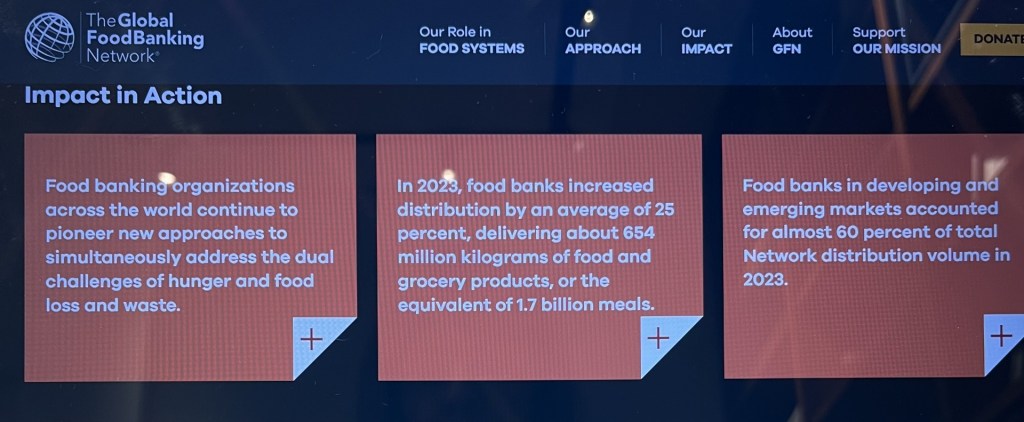
The organization was able to rescue food from farms and wholesalers and distribute it to those seeking food relief. According to the report, the network distributed 654 million kilograms of food, or around 1.7 billion meals, in 2023, a 25% increase in food distribution compared to the previous year.
In announcing the results from its annual network survey, the Global Foodbanking Network highlighted the fact that 2023 was Earth’s hottest year ever recorded and emphasized the high number of extreme climate-related events around the world, including wildfires, droughts and floods.
According to the United Nations Office for Disaster Risk Reduction, humanitarian needs have reached record highs amid climate change and conflict, with one in every 33 people on Earth needing assistance to meet their needs, including hunger. (EcoWatch, 2024)
“The problem is not a shortage of food,” Douglas O’Brien, vice president of programs for the Global Foodbanking Network, wrote in a statement. “Rather it is a lack of affordable access to food for millions of vulnerable people in difficult circumstances who struggled to feed themselves and their families in 2023. But there is hope.” (Global Foodbanking Network, 2024)
To meet increasing demand for food relief, food banks looked for new ways to access more food to feed a higher number of people around the world. Food banks were able to form direct partnerships with farmers in order to provide fresh produce to those seeking food relief. This initiative was so successful for the network that fruits and vegetables became the largest volume of food distributed by the Global Foodbanking Network last year.
Further, by partnering with farmers, food banks increased agricultural recovery — or reducing the amount of produce lost on farms or after harvest — by 35% year-over-year, the network found.
Technology also played a more significant role to relieving hunger last year. According to the Global Foodbanking Network, technological initiatives, such as virtual food banks, made up 11% of distribution last year, up from 5% previously. Virtual food banks are able to quickly and directly connect businesses that have extra food products with food banks that can get the surplus food to their communities.
By collecting surplus food and rescuing produce from food loss on farms, food banks were able to feed more people while also mitigating climate-warming emissions. The report found that food banks within the Global Foodbanking Network helped avoid 1.8 million metric tons of emissions from food waste that would likely otherwise go to landfills. That equates to the impact of taking around 400,000 cars off the roads for one year.
O’Brien concluded, “The 2023 Network report shows that community-led food banks bring unique perspectives on the challenge of hunger, innovations such as virtual food banking, skills and capabilities to recover more food, and a wealth of knowledge and local support to the challenge of strengthening resilience, improving food security, and addressing climate change.”
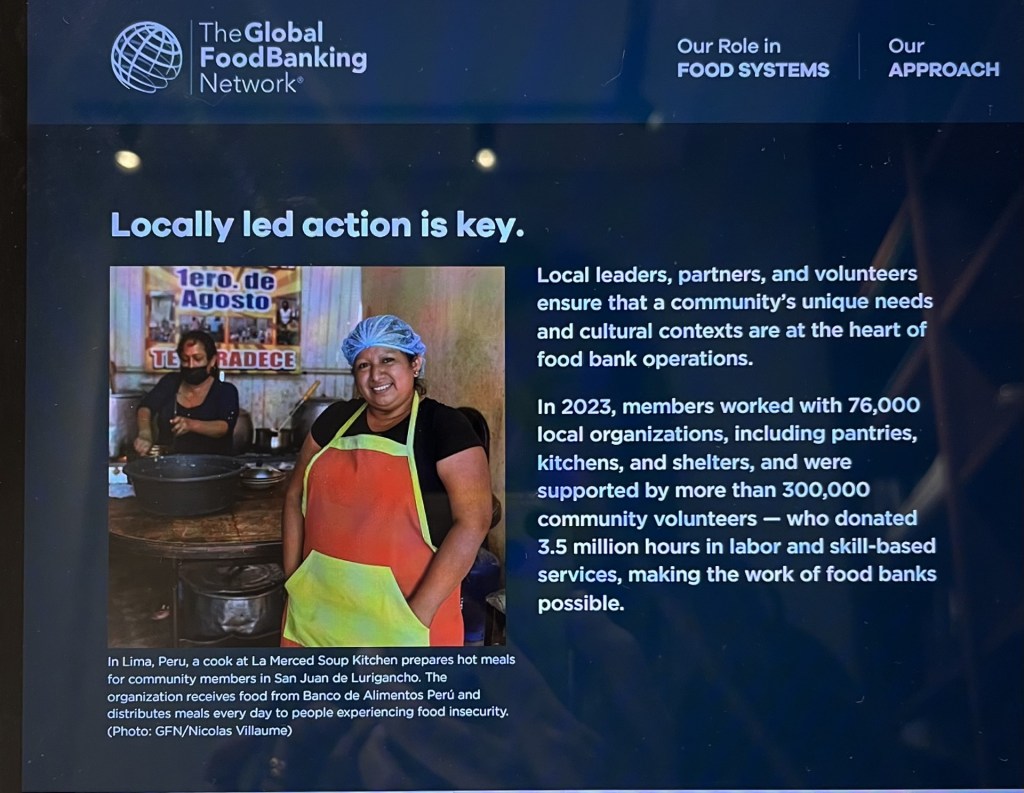
See Figure 1: “Locally Led Action is Key” and Figure 2: “Impact in Action (2023)” for more information. (Global Foodbanking Network, 2024)
An informative editorial was published in the journal Frontiers in Sustainable Food Systems on August 16, 2024. The editorial, written by Isabel Simoes Miguel, from Portugal, summarizes a collection of studies published as part of the research topic, “Exploring Consumers’ Willingness to Adopt Climate-Friendly Diets.”
“The urgency to mitigate climate change has propelled dietary shifts to the forefront of global sustainability efforts. Climate-friendly diets, characterized by reduced meat consumption, increased plant-based foods, and sustainable agricultural practices, present a significant opportunity for reducing greenhouse gas emissions. This Research Topic, “Exploring consumers’ willingness to adopt climate-friendly diets,” aggregates a diverse range of studies that collectively advance our understanding of the factors influencing consumer behaviors toward sustainable food consumption. By examining these various dimensions, the contributing articles offer valuable insights into the multifaceted nature of dietary transitions and their broader implications.”
“The scoping review by Srinivasan et al., on the factors that facilitate consumer uptake of sustainable dietary patterns in Western countries provides a comprehensive overview of the existing literature. This foundational piece identifies key motivators and barriers, such as environmental awareness, health benefits, and socio-economic influences. The review underscores the complexity of dietary behavior change, highlighting that a confluence of individual, social, and structural factors is essential to promote sustainable consumption effectively…
Cultural narratives and social movements play pivotal roles in shaping consumer attitudes toward climate-friendly diets. The historical exploration of the Meatless Monday movement by Semba et al., trace its origins and growth, demonstrating how grassroots initiatives can galvanize public interest and participation in sustainable eating practices. This cultural shift is further exemplified in the study from China by Chen et al., which identify drivers of consumers’ intentions to adopt sustainable healthy dietary patterns, revealing the influence of cultural norms and government policies.” (Miguel, 2024)
“Effective communication strategies are critical for fostering dietary shifts toward sustainability. The cross-national study on communicating dietary shifts associated with a 1.5◦C climate scenario for Brazil, China, Sweden, and the UK by Lee et al. underscore the importance of tailored messages that resonate with diverse cultural contexts. Furthermore, the exploration of perceived determinants of food purchasing behavior by Pšurný et al. highlight the potential for targeted behavioral change interventions to promote sustainable consumption.” (Miguel, 2024)
“Consumer perceptions significantly impact the adoption of climate-friendly diets. The study on food producer labels by Zhu and Jin investigate whether food produced by farmers is perceived as healthier and more natural, and its influence on consumer choices. These findings suggest that labeling can play a crucial role in guiding consumer preferences toward sustainable options. Similarly, the research on the ambivalence and willingness to pay for suboptimal fruits and vegetables among organic consumers in Germany by Puteri et al. address the potential for reducing food waste through informed consumer decisions.”
“Innovative approaches to promoting sustainable diets are explored in several contributions. The study on adherence to the Mediterranean Diet through a bio-psycho-social and sociotype approach by Donini and Berry present an integrative model that incorporates psychological and social factors, offering a holistic perspective on dietary adherence. The investigation into vegetarian and vegan private label products in Slovakia by Košiˇciarová et al. identify emerging trends and challenges in sustainable food consumption, reflecting shifting consumer preferences. ” (Miguel, 2024)
“Emerging technologies and novel food sources also feature prominently in this Research Topic. The study on cultured proteins in Nordic countries by Klöckner et al. examine consumer attitudes toward lab-grown meat, milk, and fish, highlighting the attributes that could make these products attractive to different demographic groups. This research underscores the potential of alternative proteins to contribute to sustainable food systems.
The influence of retail environments on consumer behavior is explored in the study on supermarket consumers’ intentions toward climate-friendly food consumption by Emberger-Klein et al.. This research emphasizes the role of supermarkets in shaping consumer choices through product availability, marketing, and normative influences. The findings suggest that supermarkets can act as critical nodes.” (Miguel, 2024)
“Collectively, the articles in this Research Topic provide a nuanced understanding of the various factors influencing the adoption of climate-friendly diets. They highlight the interplay between individual choices, economic conditions, cultural narratives, and structural enablers. The insights gained from these studies are invaluable for policymakers, marketers, and advocates aiming to promote sustainable dietary practices.
In a broader context, these findings align with global sustainability goals, such as those outlined in the United Nations’ Sustainable Development Goals (SDGs), particularly SDG 12 (Responsible Consumption and Production) and SDG 13 (Climate Action). By fostering a deeper understanding of the drivers and barriers to sustainable food consumption, this research contributes to the development of effective strategies for achieving these goals.
The transition to climate-friendly diets is a complex but necessary endeavor for addressing the global climate crisis. The diverse perspectives and insights presented in this Research Topic underscore the importance of a multi-faceted approach that considers economic, cultural, social, and psychological dimensions. As we continue to explore and understand the factors influencing consumer behavior, we can better design interventions and policies that support sustainable dietary transitions and ultimately contribute to a more sustainable and resilient food system.” (Miguel, 2024)
Reference:
Miguel IS. Editorial: Exploring consumers’ willingness to adopt climate-friendly diets. Front. Sustain. Food Syst. 2024;8:1448455. doi: 10.3389/fsufs.2024.1448455
Per – and polyfluoroalkyl substances (PFAS) are a large group of synthetic chemicals characterized by a chain of carbon atoms bound to fluorine atoms through a process called fluorination.1 PFAS are a class of thousands of chemicals known or suspected to be endocrine-disrupting chemicals. According to the Endocrine Society and the International Pollutants Elimination Network (IPEN), “Endocrine disrupting chemicals are individual substances or mixtures that can interfere with our hormones’ natural functioning, leading to disease or even death”.2 PFAS are called “forever chemicals” because they don’t biodegrade. Instead, PFAS accumulate in the environment and our bodies over time.3 They are used to make consumer products nonstick, oil- and water-repellent, and resistant to temperature change. PFAS are used in many consumer products such as food packaging, nonstick cookware, water-repellent clothing, personal care products, and cosmetics (e.g., shampoo, dental floss, nail polish, eye makeup) as well as paints, sealants, stain-resistant carpets, upholstery, and other fabrics.3-5
Exposure to PFAS is associated with decreased infant and fetal growth as well as decreased antibody response to vaccines in both adults and children, according to a report by the U.S. National Academies of Sciences, Engineering, and Medicine (NASEM).6 Some of the most studied PFAS, such as PFOA (perfluorooctanoic acid) and PFOS (perfluorooctane sulfonic acid), have been linked to serious health problems such as cancer, obesity, thyroid disease, high cholesterol, decreased fertility, pregnancy-induced hypertension, birth defects, liver damage, altered immune response, and hormone disruption.2,7,8,9 Studies are now finding similar health impacts from some of the newer PFAS. The NASEM has called for people at higher risk, such as pregnant women, young children, and the elderly, to be tested for a subset of PFAS chemicals.6
The American Heart Association (AHA) published a scientific statement on environmental exposures and pediatric cardiology, which stated: “ample evidence identified to date connecting EDCs [endocrine-disrupting chemicals] and childhood cardiovascular risk factors is especially remarkable given the many challenges of the field”.9 The AHA concluded there is “[a] need for clinicians, research scientists, and policymakers to focus more on the linkages of environmental exposures with cardiovascular conditions in children and adolescents.” Finally, in this scientific statement, it is reflected that improvements in reducing environmental exposures have not occurred in an equitable manner9 as exposures to endocrine-disrupting chemicals disproportionally affect racial minorities, low-income communities, and other disadvantaged groups.10 As such, environmental health is a core feature of social and environmental justice.9-10
Individuals are exposed to PFAS in numerous ways including:
Drinking water from PFAS-contaminated municipal sources or private wells
Eating fish caught from water contaminated by PFAS (PFOS, in particular)
Eating food products such as meat, dairy, and vegetables produced near locations where PFAS were used or made
Eating food packaged in material that contains PFAS
Accidentally swallowing or breathing contaminated soil or dust
Accidentally swallowing residue or dust from consumer products such as stain-resistant carpeting and water-repellent clothing, and
Ingestion of residue and dust from PFAS-containing products4
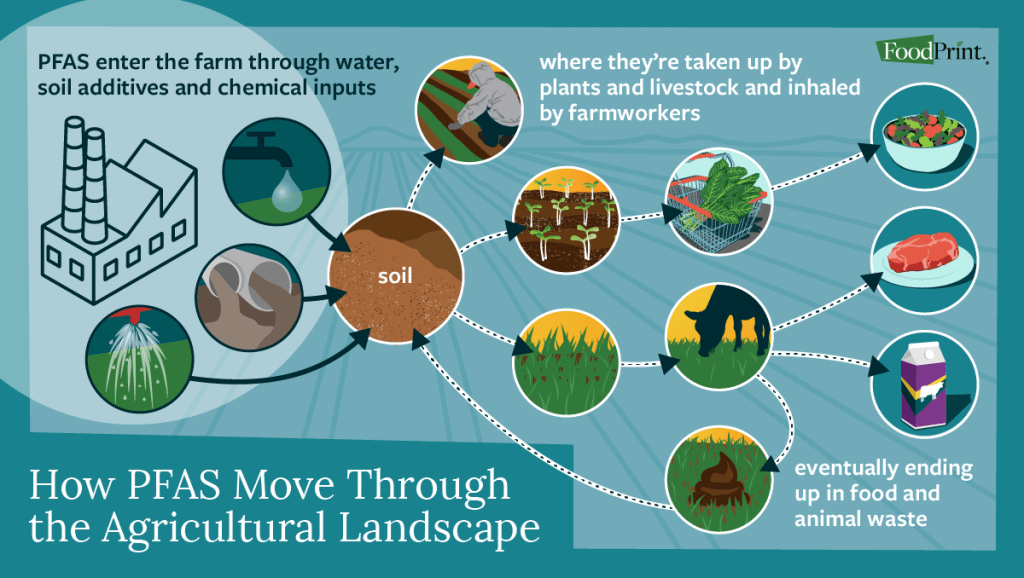
PFAS can enter a farm through water, soil additives, sewage sludge, and synthetic chemicals, such as pesticides. They are then taken up by plants and livestock and inhaled by farmworkers and farmers. Eventually, they end up in food and animal waste.1 See Figure 1 for an overview of how PFAS move through the agricultural landscape.
Figure 1. How PFAS Move Through the Agricultural Landscape1
A recent study found that greater consumption of processed meats, tea, and food prepared outside of the home was associated with increased levels of PFAS in the body over time.11-13 Processed meats could be contaminated with PFAS during the manufacturing process.13-14 Some foods analyzed were only associated with higher PFAS levels when they were prepared outside the home. People who ate foods such as French fries or pizza prepared at restaurants typically showed increased levels of PFAS (forever chemicals) in their blood. The researchers suggested that food packaging was the problem.13 The authors of this study observed the strongest associations between PFAS concentrations (more specifically, PFOA, one of the most well-studied types of PFAS) and heightened pork and tea intake.11-13 These researchers noted that the association between high levels of PFAS and tea intake could be linked to tea bags treated with PFAS chemicals (forever chemicals) – although more research is needed.13,15
In 2023, a study analyzing 108 tea bag samples collected from the Indian market found that PFOS, PFHxS, and PFuNA (PFAS chemicals) “were abundantly present in the tea bag powder and tea bag material.” Ninety percent of the tea bags contained detectable concentrations of PFAS.15 The research team at the Keck School of Medicine of the University of Southern California is currently “conducting research on the extent of PFAS contamination in popular tea brands as well as a follow-up study on diet and PFAS levels in a multi-ethnic group of participants.”11
Switzerland’s Food Packaging Forum Foundation identified 68 PFAS ‘forever chemicals,’ in food packaging including plastic, paper, and coated metal packaging. Of the 68 identified PFAS compounds, 61 had been previously banned for use in food packaging. These researchers identified hazard data that was available for 57% of the PFAS compounds detected in food packaging.16-17 Based on their assessment, they concluded that “the data and knowledge gaps presented here support international proposals to restrict PFASs as a group, including their use on food contact materials, to protect human and environmental health”.16
On April 10, 2024, the U.S. Environmental Protection Agency (EPA) announced new standards for the regulation of PFAS chemicals in drinking water. The limits, known as maximum contaminant levels, or MCL, are the highest level of contaminant allowed in drinking water. These limits consider health concerns and water treatment costs and feasibility. The new MCL require water treatment plants to lower the amount of these chemicals to safer levels than currently exist in water systems.21 The new rules require municipal water systems to track and monitor the levels of PFAS, provide $1 billion in funding available to local governments to test and treat public water systems, and help owners of private wells address PFAS contamination. Water officials have 5 years to comply with the new limits.3 Public health advocates say the rules are an important first step, but are limited in their impact on the broader PFAS crisis. The new rules address only six compounds while about 15,000 PFAS exist, and the vast majority remain unregulated or unstudied. Drinking water represents only about 20% of human exposure, the EPA estimates, and diet is most likely a greater source of exposure.22
HOW TO LIMIT EXPOSURE TO PFAS CHEMICALS
Filter your tap water. Reverse osmosis filters are the most effective. To remove a specific contaminant such as PFAS from drinking water, consumers should choose a water filtration device that is independently certified to remove a contaminant by a recognized lab.23 Reputable third-party testing organizations include NSF, formerly known as, the National Sanitation Foundation (NSF), Water Quality Association (WQA), International Association of Plumbing & Mechanical Officials (IAPMO), UL Solutions, CSA Group, and Intertek (ETL). For a filter that can remove PFAS, look for one with the code NSF/ANSI 53, or NSF/ANSI 58 for reverse osmosis systems, followed by the manufacturer’s claim that the product can remove PFAS.23 NSF has a list of recommended filters available at: nsf.org. The Environmental Working Group (EWG) has also published a guide with recommendations on the most effective water filters for reducing PFAS, which is available here: EWG’s guide to PFAS water filters.
There are no standards for PFAS in bottled water.4 Save money, skip the plastic, and drink filtered tap water instead of bottled water.
Food, food packaging, and tea bags. PFAS compounds can bioaccumulate in crops, fish, and livestock.1 PFAS are used to make food packaging such as paper plates, bowls, bags, some plastic packaging, sandwich wrappers, and other types of packaging to make them water- and oil-resistant. A recent study found higher PFAS levels in certain foods prepared in restaurants such as pizza and French fries.13 To reduce your exposure to PFAS:
Skip microwave popcorn – pop your own popcorn instead – either with a hot air popper or on the stove
Limit consumption of highly processed meats (e.g. hotdogs)
Limit food packaged in paper board and paper-based takeout packaging such as pizza
Limit fast foods prepared at restaurants such as pizza and French fries
Prepare home-cooked meals more often5,13
Use uncoated paper products and products made from materials other than paper, such as bamboo24
To store food – at home and away from home, use glass instead of plastic containers.24-26 Compostable containers, although plastic-free, may not be PFAS-free.24-25 Look for compostable packaging that is BPI-certified.27-28
Tea bags treated with PFAS (forever chemicals) may be associated with increased levels of PFAS in the body over time, although more research is needed.13,29 If this issue concerns you, purchase loose-leaf tea or prepare your own tea at home.
For more information on how to limit PFAS exposure, visit Toxic-Free Future at: toxicfreefuture.org.
Cookware. If a pot or pan becomes damaged, consider a replacement. Through repeated use, non-stick cookware begins to scratch and chip. Use kitchen cookware free from PFAS including stainless steel, cast iron, ceramic, and glass. Carefully choose cookware. Beware of nonstick cookware that claims it’s free of PFOA, a PFAS that has been phased out. The cookware may have just-as-toxic replacement chemicals.5,30
Continue to breastfeed your baby. Research suggests that the benefits of breastfeeding far outweigh the risks of potential PFAS exposure. Due to the many benefits of breastfeeding, the Centers for Disease Control and Prevention (CDC) and the American Academy of Pediatrics (AAP) recommend that most nursing individuals continue to breastfeed.4 The focus should be on reducing maternal exposure.30 Infants can be exposed to PFAS from drinking formula that is mixed with PFAS-contaminated water.4,30 To address this issue, use filtered tap water when preparing infant formula.
Check fish, game, and agricultural advisories. PFAS have been widely detected in locally caught freshwater fish in the United States. Check your local or state and environmental quality departments for fish or hunting advisories.4,30 “National testing done by the U.S. EPA shows that nearly all fish in U.S. rivers and streams and the Great Lakes, have detectable PFAS, primarily PFOS.” As such, “This is an example of social and environmental injustice facing communities that depend on catching fish for cultural practices or economic necessities”. 31
If you consume seafood, do so as part of a balanced diet. U.S. FDA testing shows that seafood purchased at grocery stores have significantly lower levels of PFAS than self-caught freshwater fish.31 “Though PFAS are more dilute in ocean water than they are in fresh water, marine life can also be contaminated”.1 In a recent study, scientists analyzed levels of 26 different forms of PFAS in salt and freshwater fish, including cod, haddock, lobster, salmon, scallops, shrimp, and tuna. They found that shrimp and lobster had the highest concentrations of PFAS, with averages ranging up to 1.74 and 3.30 nanograms per gram of flesh, respectively, for certain PFAS compounds. Concentrations fell to less than one gram of PFAS per gram for other types of seafood.32 Based on these findings, the authors concluded, “high seafood consumers may be exposed to PFAS concentrations that potentially pose a health risk.” They further stated that their findings support the “future development of environmental and health-based policies to protect people from exposure to PFAS found in commonly consumed seafood”.32
Clothing, textiles, and dust. Purchase clothing items from companies that have made commitments to not use PFAS in their products. According to the Natural Resources Defense Council (NRDC), “The best way to find out whether your item of clothing is PFAS-free is to check the brand’s website to see if it has announced that it has eliminated PFAS from its clothing or labeled clothing lines as PFAS-free”.28 If no information is available, contact customer service to ask directly. Review the brands covered on NRDC’s PFAS apparel scorecard. Also, you can check out PFAS Central, a project of the Green Science Policy Institute, which offers a helpful list of products and brands that state they offer PFAS-free outdoor gear, apparel, and other products.28
Avoid waterproofing stain-proofing treatments, unless advertised as free of PFAS. Vacuum frequently using a vacuum fitted with a HEPA filter to eliminate household dust that may contain PFAS.4-5,33 Opening windows can help filter out dust as well.33 While these are important steps consumers can take to limit exposure to PFAS, scientists believe they aren’t enough to control PFAS contamination. Their pervasiveness in the environment makes it impossible to avoid exposure, according to Dr. Carmen Messerlian, a Professor of Reproductive Environmental Epidemiology at Harvard’s T.H. Chan School of Public Health, who studies PFAS. Dr. Messerlian reflects that: “Even someone like me, a scientist and a mother who cares about human health, can’t avoid PFAS chemicals. I can chip away and make choices in my day that reduce my exposure. But I’m looking at my fridge right now, and I can tell you most of my foods have come in contact with PFAS. We should regulate the entire class of chemicals and stop companies from manufacturing them to begin with, rather than try to regulate how much is in our water”.33 For additional information, visit: A Consumer’s Guide to PFAS: Side-Stepping ‘Forever Chemicals’ In Your Daily Life:
TELL CONGRESS TO PROTECT FARMERS AND THE PUBLIC FROM PFAS
“The use of per- and polyfluoroalkyl substances (PFAS) in industrial and commercial applications has led to widespread contamination of water and biosolids used for fertilizer…posing a significant threat to the biosphere, public health, gardens, parks, and agricultural systems. Farmers and rural communities, in particular, bear the brunt of this contamination, as it affects their drinking water, soil quality, and livestock health.”34 Tell Congress that the Farm Bill must include the Relief for Farmers Hit with PFAS Act and the Healthy H2O Act to protect farmers and rural communities from PFAS contamination. “Led by [Representative] Chellie Pingree (D-ME), U.S. Senators Tammy Baldwin (D-WI), and Susan Collins (R-ME), a bipartisan and bicameral bill—the Relief for Farmers Hit with PFAS Act—has been introduced to provide assistance and relief to those affected by PFAS. A second bill, the Healthy H2O Act, introduced by Representatives Pingree and David Rouzer (R-NC) and Senators Baldwin and Collins, provides grants for water testing and treatment technology directly to individuals and non-profits in rural communities.”34
Read more below about how to protect farmers’ health against PFAS contamination through passage of The Relief for Farmers Hit With PFAS Act and support the transition to producing alternative crops, including different types of grains, fruit, and root vegetables.
Op-ed: PFAS contamination endangers farmers’ health — a new federal program would empower them to address the crisis
Federal leaders must step in and help farmers across the country navigate this pollution crisis.
“When dozens of Maine farmers discovered high levels of PFAS in their soil and water, our state’s agricultural community found itself on the verge of crisis.
These “forever chemicals” pose a grave risk to the food supply and to the farmers and their families working on contaminated land.
Farmers, advocates and leaders from across the state came together to develop a statewide response to PFAS contamination. Today, Maine is the first state to launch an emergency relief fund for impacted farmers and ban the use of sludge-based fertilizers that contain these dangerous chemicals. Maine’s response has reversed a hopeless situation for so many: of the 59 farms where PFAS was initially discovered, nearly all were able to weather a safe transition with this safety net in place. Now Congress is considering a federal program modeled after Maine’s emergency relief fund. The Relief for Farmers Hit With PFAS Act would authorize grants for states to provide financial assistance to affected farmers, expand monitoring and testing, remediate PFAS, or even help farmers relocate.
While Maine was the first to confront this problem head-on, the consequences of PFAS contamination extend far beyond this state. For decades, many states have encouraged farmers to spread sewage sludge on fields as fertilizer. Recently, scientists discovered that it contained dangerous chemicals that linger in the environment indefinitely – yet some states haven’t caught up and still push to spread the sludge. Testing for these chemicals is the only way to know if a farm is contaminated, but in the absence of federal guidance or regulations, few states are regularly doing so.
Without adequate monitoring, farmers not only risk financial ruin, but irreversible damage to their health. When PFAS seeps into a farm’s land and water, exposure poses serious health risks for anyone drinking contaminated water or consuming contaminated products, including kidney cancer, liver disease, thyroid disorders and autoimmune disorders. It’s still too early to predict the exact long-term outcomes, but we know it’s only a matter of time until research catches up to reality. One farmer with recently reported blood levels of PFAS at 3,500 parts per billion –175 times the level that the National Academies of Sciences, Engineering and Medicine says poses a serious risk – after years of drinking contaminated water on his farm. The previous owner of the farmland died of a cancer that we now believe may have been PFAS-linked.
Without adequate monitoring, farmers not only risk financial ruin, but irreversible damage to their health.
If we don’t plan for the future, more lives are at stake. If more states don’t begin to test their farmland, this crisis could continue affecting far more communities than we currently know. The good news is, once a farm is tested, there are options for farmers to move forward safely. Overhauling farms to produce different types of grains, fruit or root vegetables can significantly lower the risk of concentrating the chemicals. These transitions are safe, but expensive, and small businesses can’t afford this burden alone. That’s why a safety net is needed – more specifically, a safety net that gives farmers the healthcare and financial support they need.”35
CONCLUSION
Per-and polyfluoroalkyl substances (PFAS) are present in a wide range of consumer products including food, water, and food packaging. They bioaccumulate in our bodies over time and may be associated with serious health problems. By taking the above action steps, you can reduce your exposure to PFAS. However, there is a need for ongoing monitoring, improved testing, and enhanced government regulation to address the widespread occurrence of PFAS contamination in the environment.
4. Agency for Toxic Substances and Disease Registry (ATSDR), Centers for Disease Control and Prevention (CDC). PFAS and Your Health. Atlanta, GA: Centers for Disease and Control and Prevention (CDC). Last updated on January 18, 2024. Web site. https://www.atsdr.cdc.gov/pfas/health-effects/exposure.html Accessed February 15, 2024.
6. Guidance on PFAS Exposure, Testing, and Clinical Follow-Up. Consensus Study Report. National Academies of Sciences, Engineering, and Medicine, Washington DC:2022.
8. Cathey, A.L., Nguyen, V.K., Colacino, J.A. et al. Exploratory profiles of phenols, parabens, and per- and poly-fluoroalkyl substances among NHANES study participants in association with previous cancer diagnoses. J Expo Sci Environ Epidemiol. 2023;33: 687–698.
9. Zachariah JP, Jone PN, Agbaje AO, et al.; American Heart Association Council on Lifelong Congenital Heart Disease and Heart Health in the Young; Council on Cardiovascular and Stroke Nursing; Council on Epidemiology and Prevention; Council on Lifestyle and Cardiometabolic Health; and Council on Clinical Cardiology. Environmental Exposures and Pediatric Cardiology: A Scientific Statement From the American Heart Association. Circ. 2024 Apr 15. doi: 10.1161/CIR.0000000000001234
10. Weiss MC, Wang L, Sargis RM. Hormonal injustice: Environmental toxicants as drivers of endocrine health disparities. Endocrin. Metab. Clin. 2023; 52(4): 719-736.
13. Hampson HE, Costello E, Walker DI. Associations of dietary intake and longitudinal measures of per- and polyfluoroalkyl substances (PFAS) in predominantly Hispanic young Adults: A multicohort study. Environ. Int. 2024;185:108454.
15. Jala A, Adye DR, Borkar RM. Occurrence and risk assessments of per- and polyfluoroalkyl substances in tea bags from India. Food Control. 2023;151:109812.
16. Phelps DW, Parkinson LV, Boucher JM, et al. Per- and polyfluoroalkyl substances in food packaging: Migration, toxicity, and management strategies. Environ. Sci. Technol. 2024;58(13):5670–5684. https://pubs.acs.org/doi/10.1021/acs.est.3c03702.
19. Ackerman Grunfeld, D., Gilbert, D., Hou, J. et al. Underestimated burden of per- and polyfluoroalkyl substances in global surface waters and groundwaters. Nature Geoscience. 2024; https://doi.org/10.1038/s41561-024-01402-8
26. Schwartz-Narbonne H, Xia, C, Shalin A. Per- and polyfluoroalkyl substances in Canadian fast food packaging. Environ. Sci. Technol. Lett. 2023;10:343-349.
27. BPI Certification. North America’s Leading Authority on Compostable Products & Packaging. Undated. Web site. https://bpiworld.org/ Accessed April 10, 2024.
31. Barbo N, Stoiber T, Naidenko OV, Andrews DQ. Locally caught freshwater fish across the United States are likely a significant source of exposure to PFOS and other perfluorinated compounds. Environ Res. 2023;220:115165.
32. Crawford, K.A., Gallagher, L.G., Giffard, N.G. et al. Patterns of seafood consumption among New Hampshire residents suggest potential exposure to per- and polyfluoroalkyl substances. Expo Health. 2024; https://doi.org/10.1007/s12403-024-00640-w
35. Alexander S. Op-ed: PFAS contamination endangers farmers’ health — a new federal program would empower them to address the crisis. Environmental Health News. June 26, 2024. Available at: https://www.ehn.org/maine-farm-pfas-2668601304.html
“A diverse diet is a healthy diet. Research has shown that increasing the number of species and varieties we grow and consume can deliver a full range of nutrients and benefits to nourish human health. ” (Borelli and Hunter, 2024)
“This is particularly urgent because our food systems fail to provide the nourishment we need. Food diversity in production and consumption has reached an all-time low, due to several compounding crises: climate change, land degradation, and the prioritization of mass production of cheap, low-quality food. In 2022, 3 in 10 people globally – some 2.4 billion people – were moderately to severely food insecure while more than 4 people in 10, over 3.1 billion people, were unable to afford a safe, nutritious diet particularly vulnerable groups, such as indigenous peoples. As proof of our low diverse global diet, we now obtain over 50% of our plant-based calories from only three crops: rice, wheat and maize.
“It doesn’t have to be this way. Agrobiodiversity – the wealth of different plants, animals, and micro-organisms that make up our agri-food systems – can provide a bountiful menu of different foods, species and genetic diversity to transform food production systems. If policymakers, industry and development organizations incentivize the integration of agrobiodiversity, we can improve livelihoods, reduce health risks, and make what we eat more sustainable, equitable, and resilient. ” (Borelli and Hunter, 2024)
What does food diversity offer?
“Maximizing biodiversity’s benefits demands understanding its fundamental contribution to food provision and health, including nutritional composition. The nutrient content between different species, or different breeds and plant varieties can vary greatly, as can their cost and availability throughout the seasons. Nutrient availability also differs depending on the part of the plant or animal eaten, and how it is prepared and cooked.
Our current knowledge only scratches the surface of food’s complexity. Recent innovations in biomolecular analysis have peered into the “dark matter” of food, scouring the 2,600 macronutrients, micronutrients, and other components that can impact our health. Beginning with 1,650 foods, the Periodic Table of Food Initiative is compiling data to spark innovation in crop breeding, dietary recommendations, and incentives for adopting more diverse diets at scale. ” (Borelli and Hunter, 2024)
The lessons of traditional food
“Food and culture are closely entwined. For centuries, agrobiodiversity has been part of cuisines around the world. A study conducted in Turkey (Türkiye) reported that wild food plants are still widely used in local and traditional cooking in many parts of the country. Some are eaten raw, while others are cooked, requiring more complex processing and preparation. The study also found 29 species are used in traditional herbal medicine for curing almost 40 ailments, including diabetes, indigestion, common colds, kidney stones, coughs, cardiovascular problems, and toothaches. We have evidence that indigenous food systems and the diverse foods and diets that compose them strengthen connections to land, environment, livelihoods, resilience, and well-being.” (Borelli and Hunter, 2024)
The future: school meals as an entry point
“Connecting tradition and innovation does not have to be complicated. There are many simple ways to integrate biodiversity into diets in ways that are culturally sensitive and informed by research.
One exemplary opportunity is school meals. A recent estimate is that 418 million children benefit from school meals. Evidence shows school meals improve nutrition for school children but there is room for improvement that could be filled by increased agrobiodiversity in meals. Not only can school meals provide essential nutrition to schoolchildren, but they can also be an educational resource. School meal programs also employ over 4 million people.
Public procurement that sources local produce from small-scale farmers, known as home-grown school feeding (HGSF), can solve multiple problems at once. A 2022 assessment of HGSF programs in 12 countries in Latin America and the Caribbean found evidence of healthier eating habits, improved dietary diversity, and enhanced school enrollment, increasing students’ productive potential later in life. ” (Borelli and Hunter, 2024)
Kindergarten teachers and children in Cauca, Colombia collaboratively grow vegetables, learning about the effects of weather on plant growth and the significance of soil care.
“HGSF approaches can also incentivize biodiversity cultivation through shortened supply chains. In Busia County, Kenya, the HGSF approach was piloted to diversify diets with locally sourced indigenous vegetables. This initiative has demonstrated significant potential in promoting social protection. Preliminary evidence indicates that this approach positively influenced dietary diversity in school meals, encouraged the cultivation of neglected and underutilized species, and improved economic and social outcomes for producers.
Since the pandemic, this space is gaining recognition: the Alliance joined over 120 partners as part of the School Meals Coalition hosted by the World Food Programme (WFP), which aims to improve cross-country implementation of school meal programs with an emphasis on reaching vulnerable children.” (Borelli and Hunter, 2024)
For more information on the School Meals Coalition, visit:
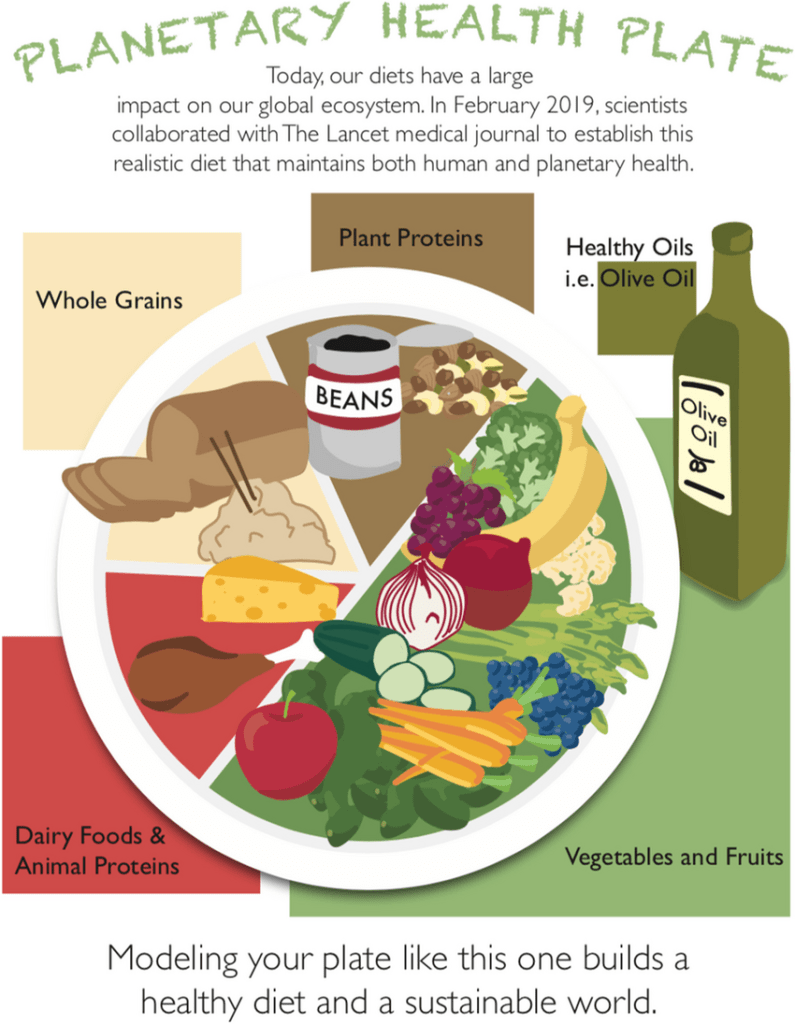
Persons who “eat a healthy, sustainable diet may substantially lower their risk of premature death in addition to their environmental impact, according to a new study led by Harvard T.H. Chan School of Public Health. It is the first large study to directly evaluate the impacts of adherence to recommendations in the landmark 2019 EAT-Lancet report.” The researchers named the dietary pattern outlined in the report—which emphasizes a variety of minimally processed plant foods but allows for modest consumption of meat and dairy foods—the [EAT-Lancet] Planetary Health Diet (PHD). (Bui et al., 2024; Harvard T.H. Chan School of Public Health, 2024)
The study was published online June 10 in The American Journal of Clinical Nutrition.
“Climate change has our planet on track for ecological disaster, and our food system plays a major role,” said corresponding author Walter Willett, professor of epidemiology and nutrition. “Shifting how we eat can help slow the process of climate change. And what’s healthiest for the planet is also healthiest for humans.”
“While other studies have found that diets emphasizing plant-based foods over animal-sourced foods could have benefits for human and planetary health, most have used one-time dietary assessments, which produce weaker results than looking at diets over a long period of time.” (Harvard T.H. Chan School of Public Health, 2024)
The researchers used health data from more than 200,000 women and men enrolled in the Nurses’ Health Study I and II and the Health Professionals Follow-Up Study. Participants were free of major chronic diseases at the start of the study and completed dietary questionnaires every four years for up to 34 years. Participants’ diets were scored based on intake of 15 food groups—including whole grains, vegetables, poultry, and nuts—to quantify adherence to the PHD. (Bui et al., 2024; Harvard T.H. Chan School of Public Health, 2024)
The study found that the risk of premature death was 30% lower in the top 10% of participants most closely adhering to PHD compared to those in the lowest 10%. Every major cause of death, including cancer, heart disease, and lung disease, was lower with greater adherence to this dietary pattern. (Bui et al., 2024; Harvard T.H. Chan School of Public Health, 2024)
In addition, the researchers found that those with the highest adherence to the PHD had a substantially lower environmental impact than those with the lowest adherence, including 29% lower greenhouse gas emissions, 21% lower fertilizer needs, and 51% lower cropland use.
The researchers noted that land use reduction is particularly important as a facilitator of re-forestation, which is seen as an effective way to further reduce levels of greenhouse gases that are driving climate change. (Bui et al., 2024; Harvard T.H. Chan School of Public Health, 2024)
Debate and Criticism
According to Lin et al. (2024), “the EAT-Lancet [planetary health] diet has sparked significant debate and criticism. Critics argue that its one-size-fits-all approach overlooks cultural and individual dietary needs, potentially leading to nutritional deficiencies in populations accustomed to different eating habits.” (Lin et al., 2024)
Beal et al. (2023) evaluated the estimated micronutrient shortfalls of the EAT–Lancet planetary health diet, and these authors reported that the EAT–Lancet diet might not provide adequate nutrients, especially in micronutrients like iron, calcium, and zinc, potentially leading to some public health issues. This diet, focusing on minimally processed plant foods and low in animal sources, may require adjustments, such as increasing nutrient-dense foods like fish, shellfish, seeds, eggs, and beef, and decreasing foods high in phytate. (Lin et al., 2024; Beal et al., 2023)
Springmann countered this assessment by Beal et al. (2023) where he stated in The Lancet Planetary Health that:
A comprehensive diet and food-system analysis could have easily identified nutrient-dense foods for population groups with special nutrient needs that are healthier, more environmentally sustainable, and affordable than what Beal and colleagues proposed. It is now well recognized that even completely plant-based diets can be nutritionally adequate for all life stages.
The planetary health diet can include low to moderate amounts of animal source foods, which makes adjusting for special needs easy and straightforward. For example, increasing the relative amounts of dark green leafy vegetables or focusing on shellfish for fish intake would increase both iron and calcium, and small amounts of nutritional yeast or algae would increase B vitamins.
Thus, eating a nutritionally adequate diet is possible without wrecking long-term health, the planet, or the pocket. The challenge is to ensure that nutritionally important foods are available in local markets, especially for those vulnerable populations most in need. (Springmann, 2023)
In response, Beal and Ortenzi (2023) stated: “We hope future efforts to design a planetary health diet address the limitations of the EAT-Lancet’s adequacy assessment… Two flaws are particularly important, first the report does not mention the assumed iron bioavailability used, which could range from 5 – 18% depending on the type of diet. The report should indicate what type of bioavailability was used. The more plant-based a diet the lower the iron bioavailability. Second, zinc was assumed to have moderate bioavailability. The high amount of phytate in the EAT-Lancet diet (> 2400 mg) indicates zinc has low bioavailability (defined by an unrefined diet containing > 1200 mg of phytate).” (Beal and Ortenzi, 2023)
For more information on phytates in diets, see:
Rethinking Phytates: The Misunderstood Compounds in Plant Foods (March 7, 2024)
In summary, Lin et al., 2024 concluded that “Achieving dietary nutrient adequacy sustainably for the global population involves complex trade-offs between environmental preservation, reducing non-communicable diseases (NCDs), and nutrient adequacy.”
Affordability of the EAT-Lancet Planetary Health Diet
Springmann et al. reported in a study published in TheLancet Planetary Health (2021) that,
“Compared with the cost of current diets, the healthy and sustainable dietary patterns were, depending on the pattern, up to 22–34% lower in cost in upper-middle-income to high-income countries on average (when considering statistical means), but at least 18–29% more expensive in lower-middle-income to low-income countries. Reductions in food waste, a favorable socioeconomic development scenario, and a fuller cost accounting that included the diet-related costs of climate change and health care in the cost of diets increased the affordability of the dietary patterns in our future projections. When these measures were combined, the healthy and sustainable dietary patterns were up to 25–29% lower in cost in low-income to lower-middle-income countries, and up to 37% lower in cost on average, for the year 2050. Variants of vegetarian and vegan dietary patterns were generally most affordable, and pescatarian diets were least affordable…” (Springmann et al., 2021)
“In high-income and upper-middle-income countries, dietary change interventions that incentivize adoption of healthy and sustainable diets can help consumers in those countries reduce costs while, at the same time, contribute to fulfilling national climate change commitments and reduce public health spending. In low-income and lower-middle-income countries, healthy and sustainable diets are substantially less costly than western diets and can also be cost-competitive in the medium-to-long term, subject to beneficial socioeconomic development and reductions in food waste. A fuller accounting of the costs of diets would make healthy and sustainable diets the least costly option in most countries in the future.” (Springmann et al., 2021)
Study Shows Cost of EAT-Lancet Planetary Health Diet in India
In a study published in Global Food Security (2021), Tata-Cornell Institute (TCI) researchers demonstrated that while Indians eat a diet that costs roughly $1 per day, the EAT-Lancet planetary health diet costs $3-$5 per person per day. To satisfy the EAT-Lancet recommendations, an individual would have to spend $1 more each day on each of three food groups: meat, fish, and poultry; dairy products; and fruit. (Gupta et al., 2021; Tata-Cornell Institute, 2021).
The researchers find that seasonality contributes to price volatility for fruit, green leafy vegetables, and other vegetables. This drives the cost of the EAT-Lancet planetary health diet as high as $6 per day at certain times of the year, though the cost is generally lower.
The EAT-Lancet planetary health diet purports to represent the least-expensive healthy nutritional regime possible in sustainable food systems. The diet is rich in micronutrient-rich foods like fruits, vegetables, whole grains, legumes, nuts, and unsaturated oils. It includes moderate levels of seafood and poultry and very little red meat, refined grains, and added sugars. To meet the EAT-Lancet Commission’s goal of feeding 10 billion people sustainable, healthy diets by 2050, consumption of all food groups except starchy vegetables will need to be increased in South Asia.
TCI researchers recommend crop diversification and investments in rural infrastructure and well-functioning markets as measures needed to make the EAT-Lancet planetary health diet more affordable in India. (Gupta et al., 2021; TCI, 2021).
EAT-Lancet Planetary Health Diet May Increase the Economic and Physical Feasibility of 1.5° C
In a more recent study published in the journal Science Advances (2024), researchers found that, “a more sustainable, flexitarian diet increases the feasibility of the Paris Agreement climate goals in different ways,” says Florian Humpenöder, [Potsdam Institute For Climate Impact Research (PIK)] scientist and co-lead author of the study published in Science Advances. (PIK, 2024; Humpenöder et al., 2024)
“The reduction of greenhouse gas emissions related to dietary shifts, especially methane from ruminant animals raised for their meat and milk, would allow us to extend our current global CO2 budget of 500 gigatons by 125 gigatons and still stay within the limits of 1.5°C with a 50 percent chance,” he adds. (PIK, 2024; Humpenöder et al., 2024)
“Our results show that compared to continued dietary trends, a more sustainable diet not only reduces impacts from food production within the land system, such as deforestation and nitrogen losses. It also reduces GHG emissions from the land system to such an extent that it cuts economy-wide 1.5°C-compatible GHG prices in 2050 by 43 percent,” explains co-lead author Alexander Popp, leader of the working group land-use management at PIK. “Moreover, healthy diets would also reduce our dependency on carbon dioxide removal in 2050 by 39 percent,” he adds. (PIK, 2024; Humpenöder et al., 2024)
“Up to now, existing literature did not allow to single-out the contribution of dietary shifts alone for the feasibility of the 1.5°C limit. In the new study, PIK scientists investigated how dietary shifts would contribute towards the feasibility of 1.5°C transformation pathways relative to a scenario without dietary shifts. The researchers used the open-source Integrated Assessment Modelling framework REMIND-MAgPIE to simulate 1.5°C pathways, one including dietary shifts towards the EAT-Lancet Planetary Health Diet by 2050 in all world regions.” (PIK, 2024)
“The EAT-Lancet Planetary Health Diet is a flexitarian diet predominantly featuring a wide variety of plant-based foods, a marked reduction of livestock products especially in high- and middle-income regions, and restricted intake of added sugars, among other things,” says co-author Isabelle Weindl from PIK. (PIK, 2024)
However, considerable challenges are yet to be addressed: Decision-making in food policy is often dispersed across different institutions and ministries, which hinders the implementation of coherent policies in support of healthy sustainable diets. Moreover, social inclusion and compensation schemes are central for a just transition to healthy diets, the authors state.” (PIK, 2024; Humpenöder et al., 2024)
For more information on the benefits of the EAT-Lancet Planetary Health Diet, you can access a short course I wrote on the EAT-Lancet Commission’s planetary health diet from Today’s Dietitian (see the link below).
This course describes the EAT-Lancet Planetary Health Diet; discusses the principles of a flexitarian diet; describes the nutritional advantages of a flexitarian diet; examines the health and environmental benefits of a flexitarian diet; and provides strategies RDNs can use when counseling their clients on implementing a flexitarian diet.
Building on the findings of the Eat Lancet Commission on Food, Planet, and Health published in 2019, “EAT-Lancet 2.0 will accelerate progress and contribute to the 2030 agenda by including several new elements such as a greater focus on diversity and the adaptation of regional and local diets, strengthened diversity in the composition of the Commission and a new focus on food justice and social food system goals. In addition to the work of the Commission, a 12-month global consultation will be conducted with the aim of increasing local legitimacy, buy-in and adoption of the Commission’s recommendations. Finally, the EAT-Lancet 2.0 will evaluate multiple transition pathways to healthy, sustainable, and equitable food futures by using Intergovernmental Panel on Climate Change (IPCC) like modelling” (Potsdam Institute for Climate Impact Research, 2022).
EAT-Lancet 2.0, scheduled to be released in 2024, will be co-chaired by Walter Willett (Professor of Epidemiology and Nutrition, Harvard T.H. Chan School of Public Health), Johan Rockström (Director of the Potsdam Institute for Climate Impact Research), and Shakuntala Thilsted (Global Lead, Nutrition and Public Health, WorldFish CGIAR, 2021 World Food Prize Laureate).
The EAT-Lancet 2.0 Commission is made up of 23 Commissioners from 19 countries, to reflect diverse perspectives across continents and in various fields including human health, agriculture and livestock production, political science, behavior change, food justice and environmental sustainability (Potsdam Institute for Climate Impact Research, 2022; The EAT-Lancet 2.0 Commissioners, 2023).
References
Bui LP, Pham TT, Wang F, et al. Planetary health diet index and risk of total and cause-specific mortality in three prospective cohorts. The American Journal of Clinical Nutrition. June 10, 2024. Available at: https://ajcn.nutrition.org/article/S0002-9165(24)00389-7/abstract
Lin X, Wang S and Gao Y. Global trends and research hotspots of EAT-Lancet diet: a bibliometric analysis. Front. Nutr. 2024;10:1328351. doi: 10.3389/fnut.2023.1328351
Beal, T, Ortenzi, F, and Fanzo, J. Estimated micronutrient shortfalls of the EAT-lancet planetary health diet. Lancet Planet Health. 2023;7:e233–7.
Springmann M. Eating a nutritionally adequate diet is possible without wrecking long-term health, the planet of the pocket. Lancet Planet Health. 2023;7(7):E544.
Beal T, Ortenzi T. Authors’ reply. Eating a nutritionally adequate diet is possible without wrecking long-term health, the planet or the pocket. Lancet Planet. Health. 2023;7(7):E545.
Springmann M, Clark MA, Rayner M, Scarborough P, Webb P. The global and regional costs of healthy and sustainable dietary patterns: a modelling study. Lancet Planet Health. 2021;5(11):e797-e807. Erratum in: Lancet Planet Health. 2021;5(12):e861.
Gupta S, Vemireddy V, Singh DK, Pingali P. Ground truthing the cost of achieving the EAT lancet recommended diets: Evidence from rural India. Glob Food Sec. 2021;28:100498.
Humpenöder F, Popp A, Merfort L, et al. Food matters: Dietary shifts increase the feasibility of 1.5°C pathways in line with the Paris Agreement. Science Advances. 2024;10(13): eadj3832.
Given the numerous positive attributes of edible insects, including a low environmental footprint, high food conversion ratio, rapid growth and nutritional values, a new review published in the journal Scientific Reports (2024) argues that consuming edible insects can play a vital role in promoting a more sustainable food system. Omuse et al. 2024 compiled and analyzed the fragmented database on edible insects and identified potential drivers that elucidate insect consumption, globally, focusing on promoting a sustainable food system.
These authors identified 2205 insect species, consumed across 128 countries globally. Among continents, Asia has the highest number of edible insects (932 species), followed by North America (mainly Mexico) and Africa. The countries with the highest consumption of insects are Mexico (450 species), Thailand (272 species), India (262 species), DRC (255 species), China (235 species), Brazil (140 species), Japan (123 species), and Cameroon (100 species). (Omuse et al, 2024)
Their study also revealed some common and specific practices related to edible insect access and utilization among countries and regions. They noted that, “Although insect consumption is often rooted in cultural practices, it exhibits correlations with land cover, the geographical presence of potentially edible insects, the size of a country’s population, and income levels.” They further point out that “The practice of eating insects is linked to the culture of people in Africa, Asia, and Latin America, while increased consciousness and the need for food sustainability are driving most of the European countries to evaluate eating insects. Therefore, edible insects are becoming an increasingly significant part of the future of planetary food systems.” And because of this, “more proactive efforts are required to promote them for their effective contribution to achieving sustainable food production.” (Omuse et al., 2024)
Scientists also believe that humans consuming insects for nutrition, or the practice of entomophagy, may play a role in enhancing global food security. The practice of entomophagy –has increased in popularity across the globe in recent years. Insect consumption is highest in tropical countries, where warmer climates help insects thrive, as well as in countries that face food scarcity. For example, crickets provide high nutritional content and have a low environmental impact, which makes them great allies in the fight against climate change. (Jansen, 2023)
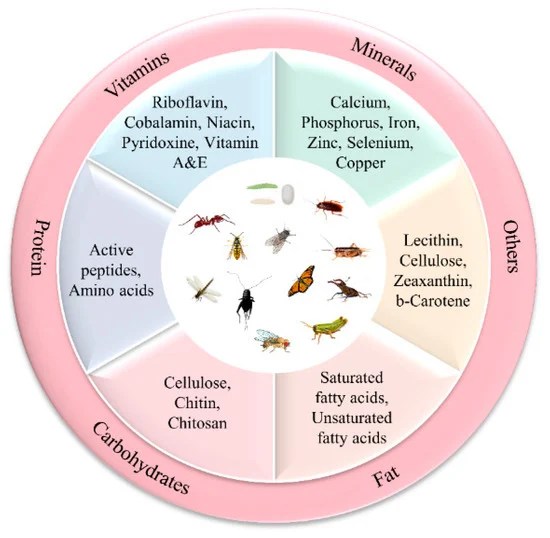
Crickets are rich in macronutrients (i.e., protein, fat, carbohydrates) and micronutrients (i.e., vitamins and minerals). Protein from crickets has been reported to be as high as 62 to 71 grams per 100 grams of dry weight versus animal livestock at 27 grams per 100 grams of dry weight. In addition to the high protein content, crickets are also high in vitamins A, B, C, D, E, and K and minerals such as calcium, potassium, magnesium, phosphorus, sodium, iron, zinc, manganese, and copper. These macro- and micronutrients provide essential nourishment to humans. (Jansen, 2023)
Figure 1 provides an overview of the nutrient composition of edible insects (Zhou et al, 2022)
Figure 1: Nutrient Composition of Edible Insects
Environmental Impact
Crickets have a low environmental impact due to the lower methane emission generation compared to cattle, small land footprint, and high food conversion rate. Compared to cattle, crickets produce 80% less methane, a potent greenhouse gas that has more than 80 times the warming power of carbon dioxide over the first 20 years after it reaches the atmosphere. (Jansen, 2023)
For more information on the potential benefits of consuming insects (or entomophagy), including a recipe for “Cricket Leather,” read the article I wrote titled, “Consuming Insects Can Contribute to a Sustainable Planet” (McCullum-Gomez, 2018) at the link below:
Consuming Insects Can Contribute to a Sustainable Planet
As reported in a recent review published in the journal Nutrition Reviews (2024),
“Although the use of edible insects has been accepted in some areas of the world, entomophagy is not preferred in some countries due to sociocultural conditions, health concerns, neophobia, and entomophobia. Many people do not accept the direct consumption of raw insects, but insects can be transformed into more preferred forms by using different cooking techniques. Some ground edible insects are satisfactory in terms of nutritional value and have a reasonable level of acceptability when added to products such as bread, tortilla, and pasta in varying percentages. The world market value of edible insects was estimated to be US$3.2 million in 2021 and US$17.6 billion in 2032.” (Turan et al., 2024)
Food Security
Consumption of edible insects can provide a sustainable alternative for food security in Latin America (Abril et al., 2022). “For instance, the use of insects as raw material, because they have a high protein content comparable to animal-based foods. Specifically, ants and crickets can contain between 9 and 77% protein of dry weight, while beef contains between 25 and 28%.” Furthermore, “there is evidence that insects produce fewer greenhouse gases during their production, for example, pigs produce between 10 and 100 times more greenhouse gases per kg of weight.” (Abril et al., 2022) The United States, Mexico, Chile, Peru, and Argentina have begun to develop and consume these products; thus, promoting different and new ventures. Finally, large-scale production of insect-based food products could help solve or even prevent the looming food problem and contribute to the sustainable development goals set by the United Nations. (Abril et al., 2022)
Matandirotya et al. (2022) reported that in Africa, “In addition, being a source of nutritious food, edible insects can also be a source of establishing sustainable livelihoods, as well as being able to be commercialized, thus further creating employment opportunities and economic growth. Some of the notable edible insects in abundance on the continent include termites, ants, crickets and caterpillars. Our study recommends that Africa should commercialize edible insect production, in addition to preservation processing that leads to the eradication of perennial food insecurity and malnutrition and improves environmental health, as well as developing sustainable food systems. We also further recommend the establishment of food safety guidelines on edible insects as most African countries do not have such a plan in place currently.” (Matandirotya et al., 2022)
In Kenya, Coppoolse et al. (2023) found, “that Zn [Zinc] would cease to be a problem nutrient when including house crickets to children’s diets (population reference intake coverage for Zn increased from 89 % to 121 % in the best-case scenario). FBR [food-based dietary recommendations] based on both scenarios could ensure nutrient adequacy for all nutrients except for fat, but energy percentage (E%) for fat was higher when house crickets were included in the diet (23 E% v. 19 E%). This maneuver, combined with realistic changes in dietary practices, could therefore improve dietary Zn content and ensure adequacy for twelve nutrients for Kenyan children. Further research is needed to render these theoretical recommendations, practical.” (Coppoolse et al., 2023)
The Insects to Feed the World Conference will take place in Singapore from June 19-22, 2024.
This international event will “bring together researchers and industry professionals from around the world to exchange ideas and the latest advancements in the field of insects for feed and food.”
Learn more about the Insects to Feed the World Conference at:
Omuse, E.R., Tonnang, H.E.Z., Yusuf, A.A. et al. The global atlas of edible insects: analysis of diversity and commonality contributing to food systems and sustainability. Sci Rep. 2024; 14:5045. https://doi.org/10.1038/s41598-024-55603-7
Zhou, Y.; Wang, D.; Zhou, S.; Duan, H.; Guo, J.; Yan, W. Nutritional composition, health benefits, and application value of edible insects: A review. Foods. 2022;11:3961: https://doi.org/10.3390/foods11243961
McCullum-Gomez C. Consuming insects can contribute to a sustainable planet. Hunger and Environmental Nutrition (HEN) Post. Summer 2018. Available at:
Turan Y, Berber D, Sesal NC. Could insects be an alternative food source? A comprehensive review. Nutrition Reviews. 2024; nuae019: https://doi.org/10.1093/nutrit/nuae019
Abril S, Pinzón M, Hernández-Carrión M and Sánchez-Camargo AdP. Edible insects in Latin America: A sustainable alternative for our food security. Front. Nutr. 2022;9:904812. doi: 10.3389/fnut.2022.904812
Matandirotya NR, Filho WL, Mahed G, Maseko B, Murandu CV. Edible insects consumption in Africa towards environmental health and sustainable food systems: A bibliometric study. Int J Environ Res Public Health. 2022. 11;19(22): 14823. doi: 10.3390/ijerph192214823.
Coppoolse H, Borgonjen-van den Berg KJ, Chopera P, Hummel M, Grimble G, Brouwer ID, Melse-Boonstra A. The potential contribution of house crickets to the dietary zinc content and nutrient adequacy in young Kenyan children: a linear programming analysis using Optifood. Br J Nutr. 2023;129(3):478-490. doi: 10.1017/S0007114522000915.
Eating more ultraprocessed foods is linked to a higher risk of cognitive decline and stroke, even if a person is trying to adhere to a Mediterranean diet, the DASH diet or the MIND diet, a new study published in the journal Neurology has reported. All three diets are plant-based, focused on consuming more fruits and vegetables, whole grains, beans and seeds while limiting sugar, red meat and ultraprocessed foods. On the flip side, eating more unprocessed or minimally processed foods was linked with a 12% lower risk of cognitive impairment, according to the new study published in the journal Neurology (LaMotte, 2024; Bhave et al., 2024).
Associations Between Ultra-Processed Food Consumption and Adverse Brain Health Outcomes (June 11, 2024 issue of Neurology)
Ultraprocessed foods include prepackaged soups, sauces, frozen pizza, ready-to-eat meals and pleasure foods such as hot dogs, sausages, French fries, sodas, store-bought cookies, cakes, candies, doughnuts, ice cream and many more.
Such foods are typically high in calories, added sugar and salt and low in fiber, all of which can contribute to cardiometabolic health problems, weight gain, obesity, type 2 diabetes and high blood pressure, experts say. (LaMotte, 2024)
An increased risk of stroke
“The study analyzed data on 30,000 people participating in the REGARD, or REasons for Geographic and Racial Differences in Stroke study, made up of 50% Whites and 50% Blacks in a nationally diverse group of people who have been followed for up to 20 years. The risk of stroke was 8% higher for people who added the most ultraprocessed foods to their diet as compared with those who ate minimally processed foods, said study author and neurologist Dr. W. Taylor Kimberly, chief of the division of neurocritical care at Massachusetts General Hospital in Boston.
That risk rose to 15% for Black participants, likely due to the impact of ultraprocessed foods on high blood pressure in that population, Kimberly said. However, if a person ate more unprocessed or minimally processed foods, the risk of stroke dropped by 9%, the study found.” (LatMotte, 2024; Bhave et al., 2024)
Do Ultraprocessed Foods Sabotage Efforts to Follow a Healthy Diet?
“What is it about ultraprocessed foods that may allow them to sabotage efforts to follow a healthy diet? It could be their poor nutrient composition and tendency to spike blood sugars, which can lead to type 2 diabetes, obesity, elevated blood pressure and high cholesterol, said Peipei Gao and Zhendong Mei in an editorial published with the study (Gao and Mei, 2024).
Mei is a research fellow in medicine at Brigham and Women’s Hospital in Boston, while Gao is a graduate student in nutrition visiting Harvard T.H. Chan School of Public Health, also in Boston. Neither was involved in the study. Type 2 diabetes, obesity, elevated blood pressure and high cholesterol are all key risk factors for vascular disease in the heart and brain, they wrote. (LaMotte, 2024)
The impact on blood vessels that leads to stroke and cognitive decline may also be due “to the presence of additives including emulsifiers, colorants, sweeteners, and nitrates/nitrites, which have been associated with disruptions in the gut microbial ecosystem and inflammation,” they added. (LaMotte, 2024)
Growing dangers of ultraprocessed foods
Studies on the dangers of eating ultraprocessed foods are piling up. According to a February review of 45 meta-analyses on almost 10 million people, eating 10% more ultraprocessed foods raised the risk of developing or dying from dozens of adverse health conditions.
That 10% increase was considered “baseline,” and adding even more ultraprocessed foods might increase the risk, experts say.
There was strong evidence that a higher intake of ultraprocessed foods was associated with about a 50% higher risk of cardiovascular disease-related death and common mental disorders, according to the review. (LaMotte, 2024)
Bhave VM, Oladele CR, Ament Z et al. Associations between ultra-processed food consumption and adverse brain health outcomes. Neurology. 2024;102(11):e209432. doi: 10.1212/WNL.0000000000209432.
“Be part of the Plan”, the theme of IDB 2024, is a call to action for all stakeholders to halt and reverse the loss of biodiversity by supporting the implementation of the Kunming-Montreal Global Biodiversity Framework, also referred to as the The Biodiversity Plan.
The Biodiversity Plan offers opportunities for cooperation and partnerships among diverse actors.
“Governments, indigenous peoples and local communities, non-governmental organizations, lawmakers, businesses, and individuals are encouraged to highlight the ways in which they are supporting the implementation of the Biodiversity Plan. Everyone has a role to play and therefore can Be Part of the Plan.”