New research published in The Lancet Regional Health – Europe found that the higher the consumption of ultra-processed foods, the higher the risk of suffering from a combination of chronic diseases including cancer, diabetes and heart disease.
According to the World Cancer Research Fund International, “Ultra-processed foods are convenient (long-shelf life, ready-to-eat), industrially manufactured foods with added ingredients or additives (eg, modified starch, hydrogenated oils) that are typically found in fast food restaurants or sold via supermarkets. Examples are soft drinks, sweet or savory packaged snacks, processed meat, pre-prepared frozen or shelf-stable dishes, and more.”
“The researchers discovered that the more ultra-processed foods consumed, the greater the risk of suffering from 2 or more long-term health conditions, such as cancer, diabetes and heart disease.”
The lead study author Reynalda Córdova stated that: “Our study highlights the importance of ensuring universal access to fresh and less processed foods. In addition, our findings emphasize the importance of a differentiated analysis of ultra-processed food subgroups.”
While certain groups, such as animal products and artificially and sugar-sweetened beverages, were associated with increased risk, other groups, such as ultra-processed breads and cereals or alternative plant-based products, showed no association with risk.
Heinz Freisling, co-author and study lead at IARC, clarified that: “These findings are of concern because ultra-processed foods comprise nowadays more than half of our daily food intake. Critics of the classification of certain foods as ultra-processed argue that the definition is impractical and that some foods classified as ultra-processed make important contributions to the nutrient intake of specific population groups (e.g., older adults).”
However, the study authors noted that his study emphasizes that it’s not necessary to completely avoid ultra-processed foods; rather, their consumption should be limited, and preference be given to fresh or minimally processed foods.”
Dr Helen Croker, Assistant Director of Research and Policy at World Cancer Research Fund, said: “What’s particularly significant in this large study is that eating more ultra-processed foods, in particular animal products and sweetened beverages, was linked to an increased risk of developing cancer along with another disease such as a stroke or diabetes.
Karl-Heinz Wagner, study co-author and professor at the University of Vienna, said: “The results indicate that the existing dietary recommendations, focusing on the consumption of plant-based foods, are consistent with current findings on ultra-processed foods. This is another reason to reduce the high consumption of animal-based foods.”
The study was co-funded by the Austrian Academy of Sciences, Cancer Research UK, the French National Cancer Institute and World Cancer Research Fund International.
Read the study itself at:
Consumption of ultra-processed foods and risk of multi-morbidity of cancer and cardiovascular diseases: a multinational cohort study (2023)
“On Nov 1, 2023, Colombia rolled out a tax on ultra-processed foods, which will start at 10% before increasing to 15% in 2024, and 20% in 2025. The tax was introduced alongside a tiered tax on sugar-sweetened beverages. Colombia has already enacted front-of-pack nutrition labelling for the foods that are liable for the new tax. The measures have been introduced in response to the country’s obesity crisis—more than half of Colombian adults are overweight or obese. President Gustavo Petro took to the platform X (formerly Twitter) to reassure people that the tax was to help them choose healthy food options and improve the health of the Colombian population, and not just to take money from them.”
In a new study published in the Journal of Cleaner Production (Costa et al., 2023), researchers investigated the environmental consequences of two independent yet interconnected diet choices in a German context: (i) replacing dairy milk with soy milk, and (ii) replacing beef meatballs with pea protein balls. They related commodity demand to detailed agricultural rotations and land use changes via farm scale economic modelling coupled with a consequential life-cycle assessment (LCA).
The authors found that the substitution of beef meatballs with pea-derived protein balls resulted in GHG savings of 2.4 kg CO 2e per 100 g serving, and up to 7.3 kg CO 2e per 100 g serving if spared land is afforested. Environmental problems related to nutrient leakage such as eutrophication* and acidification** are also mitigated. Unless accompanied by dramatic reductions in beef consumption, the substitution of cow milk with a soy-based milk alternative does not lead to significant GHG mitigation owing to the displacement of dairy-beef production to less efficient suckler-beef systems. (Costa et al, 2023)
The authors concluded that, “This study confirms that legumes can play an important role in the realization of the EAT-Lancet [planetary health] diet and support considerable land sparing, livestock emission avoidance and synthetic fertilizer displacement, promoting not only GHG mitigation, but also mitigation of other environmental problems such as acidification.”** (Costa et al, 2023) Acidification slows the growth of fish and shellfish and can prevent shell formation in bivalve mollusks. This leads to a reduced catch for commercial and recreational fisheries, meaning smaller harvests and more expensive seafood. (NOAA, 2023)
The Eat-Lancet planetary health diet is a global reference diet for adults that is visually represented by half a plate of fruits, vegetables, and nuts. The other half consists of primarily whole grains, plant proteins (beans, lentils, pulses), unsaturated plant oils, modest amounts of meat and dairy, and some added sugars and starchy vegetables. (EAT Forum, 2019). See Figure 1 for visual representation of the Eat-Lancet planetary health diet.
Figure 1. Eat-Lancet planetary health diet plate
The Eat-Lancet planetary health diet is flexible and allows for adaptation to dietary needs, personal preferences, and cultural traditions. Vegetarian and vegan diets are two healthy options within the planetary health diet but are personal choices. (EAT Forum, 2019). High adherence to the EAT-Lancet planetary health diet has been associated with a lower risk of coronary events (Zhang et al., 2023), reduced risk of cancer and all-cause mortality (Karavasiloglou et al., 2023) as well as a lower risk for type 2 diabetes (Ojo et al., 2023).
In summary, Costa and co-authors (2023) argue that diet substitution should initially focus on replacing meat with plant-based alternatives, rather than dairy products, due to potential GHG gains and to avoid emissions “leakage” via displacement of (dairy) beef calf production to less efficient, dedicated beef systems. The reintroduction of legumes into the food system on a broader scale can serve as ‘positive disruptors,’ to drive the type of transformations across food systems and land uses needed to meet Paris Agreement Climate Change targets,” says David Styles, study coordinator and honorary lecturer at Bangor University (Bangor University, 2023)
Furthermore, the study by Costa and co-authors highlights the huge role that land use policy can play in leveraging climate benefits from ethical consumption choices. Livestock production is directly or indirectly responsible for most of the land used for food production globally. Effective policies that promote nature-based solutions for climate change, such as afforestation on land spared from livestock production, could multiply the climate benefits of dietary shifts by up to three-fold. (Bangor University, 2023)
References
Costa MP, Saget S, Zimmerman B, et al. Environmental and land use consequences of replacing milk and beef with plant-based alternatives. Journal of Cleaner Production. 2023;424, 138826. https://doi.org/10.1016/j.jclepro.2023.138826
Zhang S, Dukuzimana J, Stubbendorff A, et al. Adherence to the EAT-Lancet diet and risk of coronary events in the Malmö Diet and Cancer cohort study. American Journal of Clinical Nutrition. 2023;117(5):903-909. doi: 10.1016/j.ajcnut.2023.02.018.
Karavasiloglou N, Thompson S, Pestoni G, et al. Adherence to the EAT-Lancet reference diet is associated with a reduced risk of incident cancer and all-cause mortality in UK adults. One Earth. 2023; https://doi.org/10.1016/j.oneear.2023.11.002
Ojo O, Jiang Y, Ojo OO, Wang X. The association of planetary health diet with the risk of type 2 diabetes and related complications: A systematic review. Healthcare (Basel). 2023;11(8) :1120. doi: 10.3390/healthcare11081120
Footnotes:
*Eutrophication is a process which occurs when the environment becomes enriched with nutrients, increasing the amount of plant and algae growth to estuaries and coastal waters. Excessive nutrients lead to algal blooms and low-oxygen (hypoxic) waters that can kill fish and seagrass and reduce essential fish habitats. Many of these estuaries also support bivalve mollusk populations (e.g., oysters, clams, scallops), which naturally reduce nutrients through their filter-feeding activities (NOAA, 2023).
Eutrophication sets off a chain reaction in the ecosystem, starting with an overabundance of algae and plants. The excess algae and plant matter eventually decompose, producing large amounts of carbon dioxide. This lowers the pH of seawater, a process known as ocean acidification.
**Acidification slows the growth of fish and shellfish and can prevent shell formation in bivalve mollusks. This leads to a reduced catch for commercial and recreational fisheries, meaning smaller harvests and more expensive seafood. (NOAA, 2023)
For more information, see: NOAA, National Ocean Service. What is eutrophication? (2023)
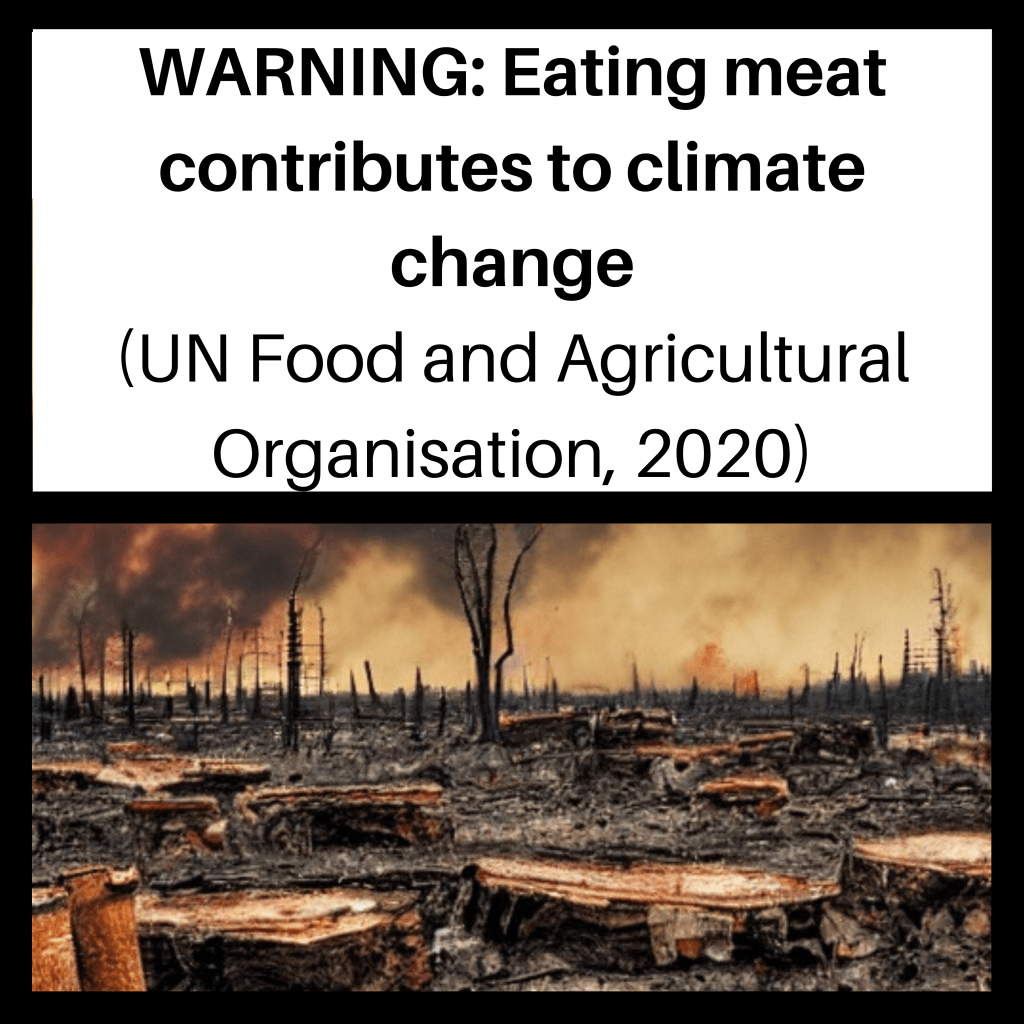
Cigarette style graphic warning labels could reduce people’s meat consumption, according to new research published in the journal Appetite. (Hughes et al., 2023) The new study suggests the use of warning labels on meat options could improve the public’s health and reduce the UK’s carbon footprint. The independent Climate Change Committee, which advises the UK government, recommends a 20 percent reduction in meat and dairy consumption by 2030. (Durham University, 2023)
In the newly published study, a research team from Durham University tested a range of warning labels including those which warn people of the damage to climate, health, and risk of pandemics. A representative sample of 1,001 meat-eating adults in the UK were split into four groups which were shown pictures of hot meals you might buy in a canteen which contained either a health warning label, climate warning label, pandemic warning label, or no label. (Hughes et al., 2023; Durham University, 2023)
They were asked to make 20 separate decisions on different meal choices and the team also asked how anxiety provoking and believable they found the labels. Future intentions to buy and eat the meal options, as well as how appealing the meals appeared, were measured. Participants also indicated how supportive they would be of the different labels if they were implemented as policy. An example set of meals could be a meat pasta bake, fish pasta bake, vegetarian pasta bake, and a vegan pasta bake. (Hughes et al., 2023; Durham University, 2023)
The researchers found that all labels were effective at discouraging people from choosing meals with meat. All warning labels, which showed a graphic image alongside text, reduced meat meal selections by seven to 10 percent. However, out of all the labels presented, participants were most in favor of the climate warning labels which they also found the most credible. (Hughes et al., 2023)
Jack Hughes carried out the research with his supervisors as part of his PhD research at the Department of Psychology at Durham University. He said: “Reaching net zero is a priority for the nation and the planet. As warning labels have already been shown to reduce smoking as well as drinking of sugary drinks and alcohol, using a warning label on meat-containing products could help us achieve this if introduced as national policy.” (Durham University, 2023)
References
Hughes P, Weick, M, Vasiljevic M. Impact of pictorial warning labels on meat meal selection: A randomised experimental study with UK meat consumers. Appetite. 2023; 190:107026. https://doi.org/10.1016/j.appet.2023.107026
“Consumers are adapting their attitudes about food to a changing climate and aiming for more sustainable eating habits, research in Tetra Pak’s 2023 Index suggests.” The research also indicates that consumers are gravitating towards healthier products, a trend that is hampered little by economic concerns.
“According to Tetra Pak’s Index 2023, based on research conducted by market research firm IPSOS, which surveyed consumers in ten countries (Brazil, China, Germany, India, Kenya, South Africa, South Korea, Spain, the UK, and the USA), consumers are adapting the way they eat in order to be more sustainable. Tetra Pack calls these consumers ‘climatarians.’” (Bambridge-Sutton, 2023)
“Seventy percent of these consumers stated their beliefs that healthy products shouldn’t harm the environment, while 54% said they are willing to take responsibility for helping the planet through their own diet. As well as overall sustainability, consumers are also concerned about more specific issues. For example, 38% of respondents said that food waste was a major concern.” (Bambridge-Sutton, 2023)
What is a ‘Climatarian’ and a ‘Climatarian Diet’?
Kearney, the global management firm, defines ‘climavorism’ as: “actively making food choices based on climate impacts with the intent to benefit the planet.” (Kearney, 2023) Scientists are studying the environmental impacts of a ‘climatarian diet’ as well.
At UCLA, researchers analyzed six dietary patterns: standard American, Mediterranean, vegan, paleo, and keto, as well as a “climatarian” diet — which the researchers defined as a diet that minimizes the consumption of red meats and other foods, such as out-of-season produce, that have large carbon footprints. (Dixon et al., 2023)
These researchers noted that “Carbon dioxide emissions associated with food come mainly from production, transportation and disposal in landfills, rather than from the food itself.” (Dixon et al., 2023)
“The study’s authors quantified the carbon emissions associated with each of the six diets by using previously published research and a database that tracks foods by their carbon emissions. They analyzed the food consumed in a typical day following each diet, limiting the study to foods that are available in North America, and then standardized the data to 2,000 calories per day.” (Dixon et al., 2023)
“While the differences in carbon emissions created by the various diets are relatively small on a per-person per-day basis, they do add up. A climatarian diet with meat would release up to about 4,500 fewer pounds of carbon dioxide per year than a standard American diet — the equivalent of driving a car 5,060 miles.” (Dixon et al., 2023)
“According to some estimates, more than 80% of the U.S. population consumes the standard American diet. If all of those people converted to a climate-friendly diet, the carbon emissions savings would be roughly equivalent to driving 1.34 trillion fewer miles.” (UCLA, Institute of the Environment & Sustainability, 2023)
“Not only do Mediterranean, vegan and climatarian diets support human health, according to previous research cited by the authors, but they also create smaller carbon footprints because they rely less on red meat and processed foods, said Catherine Carpenter, a UCLA adjunct professor of nutrition and the study’s senior author. Red meat has an especially large carbon footprint because raising animals for meat requires a large amount of land and water, and because livestock flatulence releases methane, a potent greenhouse gas…” (UCLA, Institute of the Environment & Sustainability, 2023)
“You can decrease your individual carbon footprint quite significantly and still consume meat, but it is highly dependent on the type of meat that you’re consuming,” said Malia Michelsen, a third-year undergraduate student at UCLA and co-author of the paper. (Dixon et al., 2023)
For example, a new study published in Nature Food that used dietary intake data from a nationally representative sample of 7,753 US adults and children reported that making simple dietary substitutions such as switching from beef to chicken or turkey or drinking plant-based milk instead of cow’s milk could reduce the average American’s carbon footprint from food by 35%, while also boosting diet quality by between 4-10%, according to the study authors. (Grummon et al., 2023)
“While people can reduce their climate footprint through the diets they choose, Michelsen said, those choices are often limited by financial considerations — climate-friendly food is usually more expensive — and by the availability of certain foods in certain neighborhoods and regions of the country. “
Michelsen said governments could help address the problem by subsidizing healthy food, corporations and other organizations that serve large numbers of constituents could make healthier food more accessible and less expensive, and producers [and food companies] could increase improve labeling to better inform consumers about their food’s climate impact.” (UCLA, Institute of the Environment & Sustainability, 2023; Dixon et al., 2023).
What does food have to do with climate change?
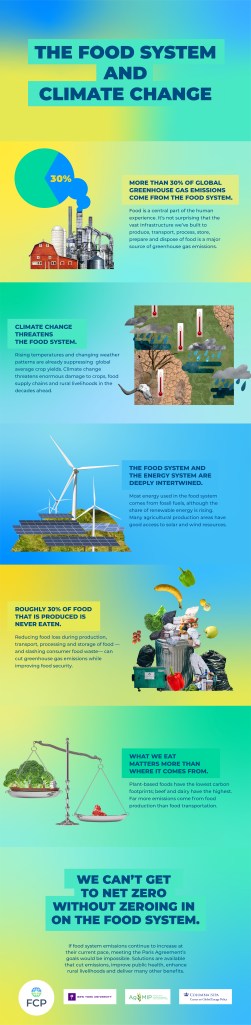
“What we eat, and how that food is produced, affects our health but also the environment. Food needs to be grown and processed, transported, distributed, prepared, consumed, and sometimes disposed of. Each of these steps creates greenhouse gases that trap the sun’s heat and contribute to climate change. About a third of all human-caused greenhouse gas emissions is linked to food.”
“The largest chunk of food-related greenhouse gases comes from agriculture and land use. This includes, for instance:
methane from cattle’s digestive process,
nitrous oxide from fertilizers used for crop production,
carbon dioxide from cutting down forests for the expansion of farmland,
other agricultural emissions from manure management, rice cultivation, burning of crop residues, and the use of fuel on farms.”
Which foods cause the most greenhouse gas emissions?
The climate impact of food is measured in terms of greenhouse gas emissions intensity.
“The emissions intensity is expressed in kilograms of “carbon dioxide equivalents” – which includes not only CO2 but all greenhouse gases – per kilogram of food, per gram of protein or per calorie.”
“Animal-based foods, especially red meat, dairy, and farmed shrimp, are generally associated with the highest greenhouse gas emissions. This is because:
Meat production often requires extensive grasslands, which is often created by cutting down trees, releasing carbon dioxide stored in forests.
Cows and sheep emit methane as they digest grass and plants.
The cattle’s waste on pastures and chemical fertilizers used on crops for cattle feed emit nitrous oxide, another powerful greenhouse gas.
Shrimp farms often occupy coastal lands formerly covered in mangrove forests which absorb huge amounts of carbon. The large carbon footprint of shrimp or prawns is mainly due to the stored carbon that is released into the atmosphere when mangroves are cut down to create shrimp farms.”
“Plant-based foods – such as fruits and vegetables, whole grains, beans, peas, nuts, and lentils – generally use less energy, land, and water, and have lower greenhouse gas intensities than animal-based foods.”
“Emissions can be compared based on weight (per kilogram of food), or in terms of nutritional units (per 100 grams of protein or per 1000 kilocalories) which shows us how efficiently different foods supply protein or energy. See the resource (link) below for three charts showing the carbon footprint of different food products.” (UN, Food and Climate Change: Healthy Diets for a healthier planet)
UN: Food and Climate Change: Healthy diets for a healthier planet
What can you do now to address climate change as it relates to food?
Number 1:Eat healthier meals – Start eating a more plant-rich, balanced diet – one that provides energy and nutrients from several different food groups – and reduce foods that are harder on our planet. Meat and dairy can be important sources of protein and micronutrients, particularly in lower-income countries where diets lack diversity. But in most high-income countries, shifting to more plant-based foods promotes better health and significantly lowers your environmental impact compared to the average meat-based diet.
Number 2:Try a sustainable recipe – Try one or more sustainable recipes by leading chefs around the globe who are cooking up dishes that are not only delicious but also good for you and the planet.
Access the ActNow Food Challenge Sustainable Recipes at:
Number 3:Cut your food waste – Think about how you buy, prepare and dispose of food. When you throw away food, you’re also wasting the energy, land, water, and fertilizer that was used to produce, package, and transport it.
Only buy what you need – and use up what you buy. And don’t shy away from buying imperfect-looking fruits and vegetables. They might otherwise get thrown out.
Stop the waste, save money, reduce emissions, and help preserve resources for future generations.
If you do need to throw out food, composting your leftovers can reduce the amount of methane and CO2 released by the organic waste.
Number 4: Start composting – Composting can be a simple yet impactful action to help reduce emissions from our food system. When we throw our food waste in the garbage, the food waste will typically travel more miles because landfills are further away from our neighborhoods, resulting in higher transport emissions. Additionally, food waste in landfills are buried in conditions with no oxygen. When food decomposes in these conditions, methane, a greenhouse gas that is more potent than carbon dioxide, is produced as a byproduct.
Composting on the other hand often results in fewer transport emissions because compost stations are closer to our neighborhoods. Additionally, the process of composting involves turning the soil and food waste which ensures that oxygen is present in the process of decomposition. As a result, carbon dioxide is produced instead of methane which is better for the planet. Lastly, compost becomes nutrition-dense soil that can then be used for farming or planting which adds back precious nutrients into the soil and resulting food.
Where is the nearest compost station? Does your city or district offer compost pick-up? Does your workplace or favorite restaurants compost?
Number 5: Shop local and organic – Food miles (how far our food travels) and fertilizer use are important topics to consider when it comes to the impact of our food system on the planet. When it comes to food miles, the longer the distance our food travels from the farm to the place where we purchase food, the higher the greenhouse gas emissions from transport vehicles. Shopping and eating local can help reduce the food miles travelled and can help an individual save up to 1.1 tons of carbon emissions annually. Eating what’s in season can also help reduce food miles because out of season foods are often transported from farms that are further away or in a different country altogether, resulting in additional food miles to get to our stores.
Eating organic also reduces the need for fertilizers which often result in nitrous oxide emissions, a highly potent greenhouse gas that is more detrimental than carbon dioxide and methane. Organic farming often includes regenerative agriculture techniques which not only reduce emissions but also improve soil health and increase the amount of nutrients in our food, among many other benefits. Eating organic can reduce our individual carbon footprint by up to 0.9 tons annually!
What foods are currently in season where you live? Do you have access to a shop or farmers market with food from local growers? Does your local grocery store sell organic produce?
Number 6: Shop with a reusable bag – The production, use and disposal of plastics contribute to climate change. Instead of a plastic bag, use your own reusable bag and reduce the amount of plastic waste in our world.
Dixon, K.A.; Michelsen, M.K.; Carpenter, C.L. Modern Diets and the Health of Our Planet: An Investigation into the Environmental Impacts of Food Choices. Nutrients 2023, 15, 692. https://doi.org/10.3390/nu15030692
Grummon, A.H., Lee, C.J.Y., Robinson, T.N. et al. Simple dietary substitutions can reduce carbon footprints and improve dietary quality across diverse segments of the US population. Nature Food; 2023. https://doi.org/10.1038/s43016-023-00864-0
The 2023 report of the State of Food Security and Nutrition in the World (FAO et al., 2023) highlights that up to 783 million people across the globe faced hunger in 2022, while more than 3.1 billion people were unable to afford a healthy diet in 2021. While hunger and food security continue, an estimated 13 percent of the world’s food is lost in the supply chain from post-harvest prior to the retail stage of the supply chain (FAO, 2022); a further 17 percent of food is wasted in households, food services and in retail (UNEP, 2021).
Currently, many of the world’s agrifood systems are unsustainable, as they degrade agricultural land, contribute to greenhouse gas emissions and loss of biodiversity, and consume groundwater. Food systems are also vulnerable to the external climate and other shocks, partly because of the impact on the environment.
Food Systems 2030
“Resetting our food systems is urgent. Food systems have fed a growing population, but the cost is unsustainable. Current food systems often encroach on natural habitats, pollute the planet, exacerbate rural poverty, and underlie ill health and disease. Market and government failures impose high costs on society and the environment.
Poverty and hunger are increasing in the wake of the COVID-19 crisis, while the majority (79%) of the world’s poor continue to live in rural areas. Over 800 million people are hungry and 3 billion people are malnourished.
Food Systems Transformation: The Role of Reducing Food Loss and Waste
Action is required to transform agrifood systems globally, to improve their resilience, efficiency, sustainability, and inclusiveness in ways that positively impact food security, enable healthy diets, and contribute to better nutritional outcomes.
Reducing food loss and waste can play a key role in the transformation of agrifood systems by increasing the availability of food, contributing to food security, healthy diets, and building resilience. Food loss and food waste reduction also serves as a key climate strategy by reducing greenhouse gas emissions (GHGs). It can therefore help countries and businesses to raise climate ambition, while conserving and protecting our ecosystems and natural resources upon which the future of food depends.
The 2030 Agenda for Sustainable Development – specifically SDG 12, Target 12.3 – calls for halving per-capita global food waste at the retail and consumer levels and reducing food losses along production and supply chains. Target 16 of the Kunming Montreal Global Biodiversity Framework (GBF) among other issues, also calls for “halving global food waste by 2030.”
We need to urgently accelerate the pace of actions to reduce food loss and waste, and transform agrifood systems, to meet the SDG 12.3 Target, – with tangible benefits FOR THE PEOPLE! and FOR THE PLANET!
• Agrifood systems encompass farming, harvesting, fishing, livestock rearing, storing, processing, transporting, selling, buying, eating and disposal of our food. They also include non-food resources from agriculture, such as cotton and forest products (FAO, 2021).
• Agrifood systems account for one-third of total greenhouse gas emissions, (FAO, 2021).
• Pre- and post-production processes in agrifood systems emit significant amounts of methane, a potent greenhouse gas generated mainly from the decay of solid food waste in landfills and open dumps (Tubiello et al., 2022).
• Biodiversity is responsible for our food, our soil, our water, our weather, even the air we breathe. Our global agrifood systems are the primary driver of biodiversity loss (UNEP et al., 2021).
• Should the global population reach 9.6 billion by 2050, the equivalent of almost three Earth-sized planets would be required to provide the natural resources needed to sustain current lifestyles (UN, Goal 12 Facts and Figures).
• The highest levels of food loss occur in foods – fruits and vegetables, meat and fish – that are also nutrient dense (FAO, 2022).
• Food waste is not just a problem in high-income countries: household food waste per capita is broadly similar across high, upper-middle and lower-middle income countries (UNEP, 2021).
• Reducing food loss and waste contributes to enhancing the sustainability and resilience of our agrifood systems (FAO, 2021).
• Concerted action can lead to real change: research and experience shows that a combination of interventions to alter consumer behavior, including public awareness campaigns and effective public–private partnerships can significantly reduce food waste at the national level (UNEPCC, 2021).
Globally, agrifood systems produce some 11 billion tons of food each year and form the backbone of many economies (FAO, 2021).
• In 2019, global agrifood system emissions accounted for 31 percent of total anthropogenic emissions (FAOSTAT Emissions Shares Database, 2019).
• During the period 2010-2016, global FLW accounted for 8 to 10 percent of total anthropogenic GHG emissions (IPCC, 2019).
• Biodiversity loss continues to accelerate across the globe. Today, more than ever before in human history, around one million animal and plant species are threatened with extinction, many within decades (IPBES, 2019).
• FAO’s estimates reported in 2022 set the Global Food Loss Percentage at 13.3 percent (FAO, 2022).
• Fruits and vegetables account for approximately 32 percent of food losses, followed by meat and animal products that account for 12.4 percent of food losses (FAO, 2022). • On average, each of us produces 74 kg of food waste each year – which weighs more than the average person (UNEP, 2021).
Reducing food loss and food waste must be central to the transformation to MORE efficient, inclusive, sustainable, and resilient agrifood systems for better production, better nutrition, a better environment, and a better life.
• Sustainably reducing food loss and food waste means we can potentially increase the availability of and access to food. This can generate win–wins across several SDGs, including nutrition targets, while contributing to environmental sustainability.
• Countries must take action to reduce food loss and food waste. Profound change in the prevention and reduction of food loss and waste can only take place when countries develop and allocate sufficient human, organizational and institutional capacity to tackle the issues.
• Reliable data is critical to informing actions to reduce food loss and food waste, assessing GHG emissions across agrifood systems and increasing supply chain efficiency toward transforming agrifood systems.
• New business models, such as mobile-based business-to-business supply platforms that embrace innovation can enhance the efficiency of agrifood systems, reduce food loss and food waste and contribute to accelerating transformative change.
• Investments in sound logistics and in climate friendly technologies to reduce food loss and food waste at scale are critical to catalyzing the pace of agrifood systems transformation.
• Circular strategies that prioritize the prevention of food loss and food waste, followed by the recovery and redistribution of food, and the recapture of value from by-products generated at each stage of the value chain support transitioning to more sustainable agrifood systems.
• Cities play a key role in reducing food waste and are important game changers in the battle to reduce food waste.
• Enabling policies that prioritize sustainable production, food loss and food waste reduction and healthy diets for better nutrition, will go a long way to supporting transformative change and achieving the 2030 Agenda.
• Knowledge sharing on platforms, through communities of practice and education and awareness-raising campaigns can positively enhance the engagement of stakeholders and inform action.
How To Reduce Food Waste at the Individual and Household Level
On average, a person wastes 74 kilograms of food each year, which amounts to 570 million tons. While the number is staggering, everyone can make a difference by taking small actions every day, including by changing wasteful habits with a new sustainable behavior.
The booklet published by FAO titled, “Your Guide to Living Free of Waste” (2021) is aimed at the public to get people to realize about how their behavior contributes to the global issue of food waste, to educate them about the negative impacts of it, to empower them to act differently throughout their every-day lives and in different circumstances: at home, while shopping, when eating out.
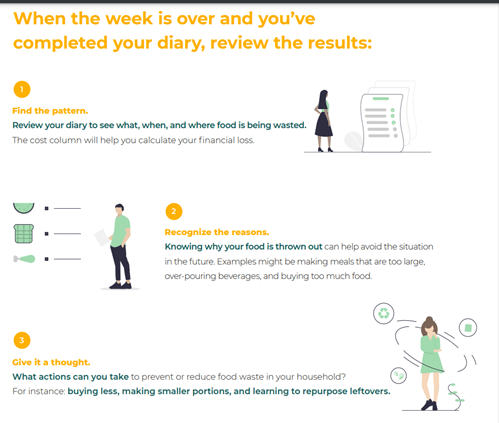
You can start by creating a weekly food waste diary. The FAO publication “Your Guide to Living Free of Waste” (2021) includes other useful tips for shopping smart at the store and tips to use at home as well. You can start by keeping a food waste prevention diary, via your phone, other electronic device, or the old fashion way – on paper.
Finally, see these 18 Food Waste Apps to Save Money & The Planet (2023):
FAO, IFAD, UNICEF, WFP and WHO. The State of Food Security and Nutrition in the World 2023. Urbanization, agrifood systems transformation and healthy diets across the rural–urban continuum. Rome, Italy: FAO; 2023. doi.org/10.4060/cc3017en
According to a new study published in the American Journal of Preventive Medicine, a higher intake of ultra-processed foods is linked to higher risks for CVD and all-cause mortality. “The analysis included 41,070 adults in the National Health and Nutrition Examination Survey (1999-2018), 208,051 adults from the UK Biobank database (2006-2010) and 108,714 adults from the United States in the Prostate, Lung, Colorectal and Ovarian Cancer Screening Trial (1993-2001). The researchers collected dietary data from questionnaires and used the NOVA system to classify foods based on their level of processing.”
The researchers “found that higher intake of ultra-processed foods was linked to a higher risk for CVD mortality and all-cause mortality, and several metabolic pathways played mediating roles.” “[T]hose with the highest intake of ultra-processed foods experienced a 17% increase in CVD mortality and a 16% increase in all-cause mortality compared with those who had the lowest intake.”
The researchers “also found that biomarkers of inflammation had the most significant mediating effects on CVD mortality (29.2%) and biomarkers of liver function had the most significant mediating effects on all-cause mortality (20.3%).”
“The proportion of the associations mediated by biological pathways of renal function, liver function, inflammation, lipid metabolism, and glucose metabolism ranged from 12.4% to 20.3% for all-cause mortality and 18% to 29.2% for CVD mortality,” they wrote.
“It is worth mentioning that the mediation effect of liver function biomarkers in the association of [ultra-processed food] consumption and mortality was proposed for the first time, an association which is supported by previously studied links of [ultra-processed food] consumption with higher levels of nonalcoholic fatty liver disease (NAFLD)-related biomarkers and increased risk of NAFLD.”
However, in this study, consumption of ultra-processed foods was not linked to cancer mortality risk.
This finding is in contrast to recent findings from a meta-analysis and systematic review that evaluated the association of ultra-processed foods and cancer risk published in the journal Frontiers in Nutrition. These authors reported that: “high UPFs consumption is associated with a significantly increased risk of certain site-specific cancers, especially the digestive tract and some hormone-related cancers. However, further rigorously designed prospective and experimental studies are needed to better understand causal pathways.” (Lian et al., 2023).
Another meta-analysis published in 2023 in the journal Clinical Nutrition that evaluated associations between the consumption of ultra-processed foods and cancer risk concluded the following: “the available suggestive evidence shows a consistent significant association between intake of UPF and the risk of overall and several cancers, including colorectal-, breast- and pancreatic cancer. These data may inform updated dietary guidelines, policy makers and the public towards improving public health.” (Isaksen et al., 2023)
Finally, a European study that was part of the EPIC cohort study and published in the journal Lancet Planetary Health this year found that, the substitution of 10% of ultra-processed foods with 10% of minimally processed food was associated with a reduced risk of head and neck cancers, colon cancer, and hepatocellular carcinoma (i.e., malignant hepatoma or liver cancer). “Most of these associations remained significant when models were additionally adjusted for BMI, alcohol and dietary intake and quality.” (Kliemann et al., 2023)
With regard to the new findings by Zhao et al. (2023) published in the American Journal of Preventive Medicine (AJPM), Farzaneh Daghigh, PhD, Professor of biochemistry,Director of culinary medicine course, Philadelphia College of Osteopathic Medicine observes that:
“These findings corroborate the existing epidemiological evidence regarding the detrimental impact of ultra-processed foods on health, especially concerning mortality and the risk of cardiovascular disease. This article is part of a growing body of literature that has consistently warned the public about the connection between ultra-processed food consumption and the development of noncommunicable diseases.
The substitution of ultra-processed foods with unprocessed or minimally processed foods has been linked to a notable reduction in mortality risk, underscoring its pivotal role in public health strategies. This highlights the pressing need for the development of fresh nutritional policies and guidelines aimed at curbing ultra-processed food intake while promoting the consumption of healthier, less processed and whole foods. Prioritizing unprocessed foods in dietary choices is imperative in order to alleviate the financial and health care burden associated with preventable diseases.”
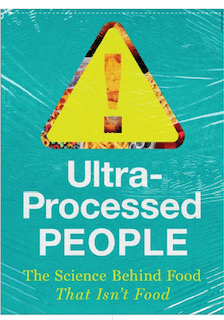
If you have not read the book: Ultra-Processed People: The Science Behind Food That Is Not Food (2023) by Chris van Tulleken, MD, check it out at:
To learn more about what individual countries around the world are doing to promote healthful food systems, including the use of fiscal policies (e.g., front of package nutrient warning labelling and food taxes), see: The Global Food Research Program, which works to reduce diet-related disparities and create more healthful food systems and food environments.
Global Food Research Program, University of North Carolina – Chapel Hill:Global Map on Healthful Food Policies/Regulations
Zhao Y, Chen W, Li J, Yi J, Song X, Ni Y, Zhu S, Zhang Z, Xia L, Zhang J, Yang S, Ni J, Lu H, Wang Z, Nie S, Liu L. Ultra-processed food consumption and mortality: three cohort studies in the United States and United Kingdom. American Journal of Preventive Medicine. 2023; S0749-3797(23)00351-3. doi: 10.1016/j.amepre.2023.09.005.
Lian Y, Wang G-P, Chen G-Q, et al. Association between ultra-processed foods and risk of cancer: a systematic review and meta-analysis. Frontiers in Nutrition. 2023; 10: https://doi.org/10.3389/fnut.2023.1175994
Isaksen IM, Dankel SN. Ultra-processed food consumption and cancer risk: A systematic review and meta-analysis. Clinical Nutrition. 2023;42(6):919-928. doi: 10.1016/j.clnu.2023.03.018
Kliemann N, Rauber F, Bertazzi Levy R, et al. Food processing and cancer risk in Europe: results from the prospective EPIC cohort study. Lancet Planetary Health. 2023;7(3):e219-e232. doi: 10.1016/S2542-5196(23)00021-9.
“The United Nations’ new “progress report” on climate change confirms the world is careening deeper into the danger zone. The fires, droughts, floods, storms, and other extreme weather that have taken so many lives and livelihoods this year underscore the mountain of evidence about the dangers of a warming world. And yet somehow, we are still letting the planet burn.
Nearly eight years ago, hope was running high as representatives from over 195 countries gathered in the City of Light and hammered out a landmark pact to stave off the worst consequences of climate change. The Paris Agreement is as sweeping as it is historic, aiming to rapidly curb planet-warming greenhouse gas emissions, adapt to a dangerously overheating world, and ensure that all countries have the financial resources they need to tackle the climate crisis head on.
On Sept. 8, the U.N. delivered its first accountability report: a full catalog of actions countries have taken since Paris, known as the Global Stocktake synthesis report. The findings are sobering but also enlightening. The report makes clear that we’re past the point of needing incremental change, but it is also straightforward about what solutions offer the most hope. Most importantly, the report gives us the keys to unlock the transformation needed for countries to keep the promises they made in Paris.
The report warns that we have a rapidly narrowing window to meet the goal set in the Paris Agreement’s of pursuing efforts to limit warming to 1.5 degrees Celsius above pre-industrial temperatures. If we do not take drastic action to avoid soaring beyond this target, the cost of climate disasters we are already seeing today will exponentially increase. And some of the destruction will be irreversible—we could, for example, risk losing the Amazon rainforest and destroying the livelihoods of 47 million people who depend on it.
The good news is we know how to avoid this fate. Four critical areas need urgent attention: fossil fuels, resilience, food, and finance….”
With this information in mind, “we need to focus on how the world produces and consumes food. This is not only vital to building resilience, but also critical for reducing emissions, stopping deforestation, protecting livelihoods and ensuring food security for a growing population.”
“Countries must agree to reduce greenhouse emissions from agricultural production by 25% by 2030 from 2020 levels in order to limit temperature rise to 1.5°C. Countries should also halve food waste by 2030, and equitably shift to more healthy and sustainable diets, which can mitigate a fifth of global emissions. And they must follow through on their commitments to halt deforestation, as 145 countries agreed to under the Glasgow Forests Declaration in 2021.”
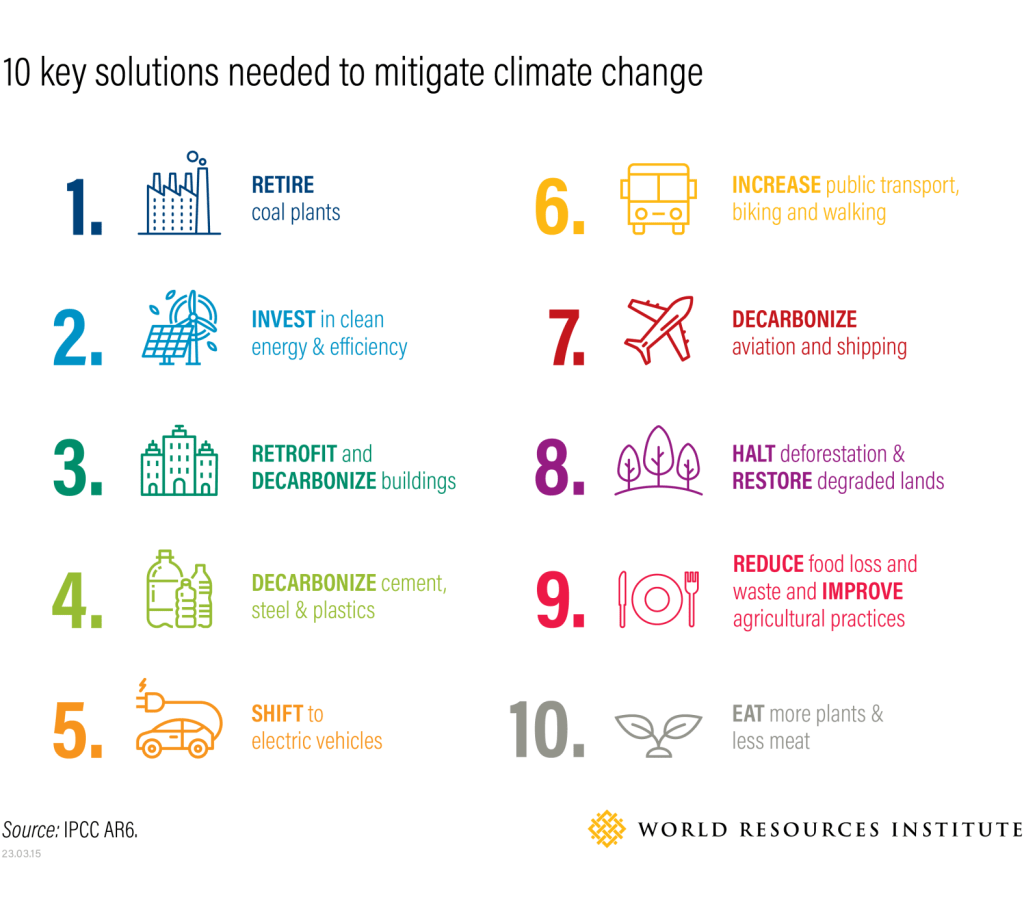
For more information on how to combat climate change, including in the food and agriculture sectors, see the big “10 Take Aways” from the 2023 IPCC Report as summarized by the World Resources Institute (WRI):
10 Big Findings from the 2023 IPCC Report on Climate Change
Shifting to Healthy Sustainable Diets and Reducing Food Waste
Finally, if you are looking for ways to implement food-related climate change action, be sure to check out the cookbook by Chef Alejandra Schrader: “The Low-Carbon Cookbook: Reduce Food Waste & Combat Climate Change With 140 Sustainable Plant-Based Recipes.”
According to a new study published in the journal Nature Communications, “Replacing 50% of meat and milk products with plant-based alternatives by 2050 can reduce agriculture and land use related greenhouse gas (GHG) emissions by 31% and halt the degradation of forest and natural land.” (Kozicka et al., 2023)
The authors note that, “additional climate and biodiversity benefits could accrue from reforesting land spared from livestock production when meat and milk products are substituted by plant-based alternatives, more than doubling the climate benefits and halving future declines of ecosystem integrity by 2050. The restored area could contribute up to 25% of the estimated global land restoration needs under Target 2 of the Kunming Montreal Global Biodiversity Framework by 2030.”
“Understanding the impacts of dietary shifts expands our options for reducing GHG emissions. Shifting diets could also yield huge improvements for biodiversity,” notes study lead author Marta Kozicka, a researcher in the IIASA Biodiversity and Natural Resources Program.
“Plant-based meats are not just a novel food product, but a critical opportunity for achieving food security and climate goals while also achieving health and biodiversity objectives worldwide. Yet, such transitions are challenging and require a range of technological innovations and policy interventions,” adds study coauthor Eva Wollenberg from Alliance of Bioversity International and CIAT and the Gund Institute, University of Vermont.
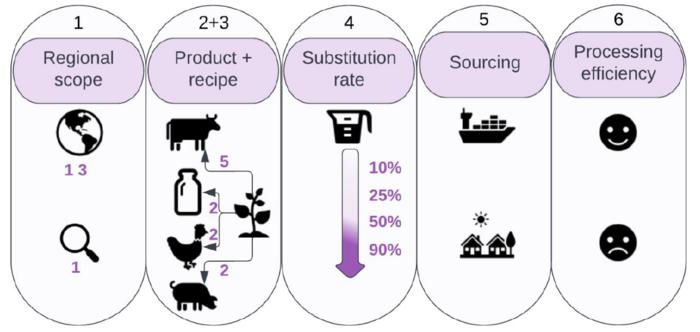
“The authors developed scenarios of dietary changes based on plant-based recipes for beef, pork, chicken, and milk. The recipes were designed to be nutritionally equivalent to the original animal-derived protein products and realistic for the existing food manufacturing capabilities and globally available production ingredients.” (See Figure 1)
Figure 1. The substitution in the scenarios of plant-based market development is defined along six dimensions: 1) regional scope (13 regions), 2) meat product (i.e., pork, chicken, milk, & beef), 3) recipe type (e.g., soy, pea, nut, etc.), 4) scenario substitution rate (10-19%), 5) international or domestic sourcing of ingredients, and 6) efficiency of converting crops into processed products. (Kozicka et al., 2023)
“The authors found that a 50% substitution scenario would substantially reduce the mounting impacts of food systems on the natural environment by 2050 compared to the reference scenario. The impacts as compared to 2020 include:
Global agricultural area declines by 12% instead of expanding.
The decline in areas of forest and other natural land is almost completely halted.
Nitrogen inputs to cropland are nearly half of the projections.
Water use declines by 10% instead of increasing.
Without accounting for any carbon sequestration on spared land, GHG emissions could decline by 2.1 Gt CO2eq year-1 (31%) in 2050 (1.6 Gt CO2eq year-1 on average in 2020–2050).
Undernourishment globally declines to 3.6%, as compared to 3.8% in the reference scenario (reducing the number of undernourished people by 31 million).”
The full environmental benefit of diet shifts can be achieved if the agricultural land spared from livestock and feed production is restored through biodiversity-minded afforestation. In the 50% scenario, the benefits from reduced land-use emissions could double as compared to a scenario without afforestation – a total reduction of 6.3 Gt CO2eq year-1. At 90% substitution, the reduction of all agriculture and land-use emissions would increase to 11.1 Gt CO2eq year-1 in 2050. (Kozicka et al., 2023)
The restoration of forest ecosystems would also improve biodiversity. The 50% scenario would reduce predicted declines in ecosystem integrity by more than half, while the 90% scenario could reverse biodiversity loss between 2030 and 2040.
“While the analyzed dietary shifts serve as a powerful enabler for reaching climate and biodiversity goals, they must be accompanied by targeted production side policies to deliver their full potential. Otherwise, these benefits will be partly lost due to production extensification and resulting GHG and land-use efficiency losses,” explains IIASA Biodiversity and Natural Resources Program Director Petr Havlík, who coordinated the study.
The study points out that impacts across regions could differ due to differences in population size and diets, unequal agricultural productivity, and participation in international trade of agricultural commodities. The main impacts on agricultural input use are in China and on environmental outcomes in Sub-Saharan Africa and South America. These regional differences could also be used to design better interventions.
“A global introduction of all novel alternatives has additional benefits compared to the scenarios with limited product or geographical scope, but regional substitution of specific products may be highly effective, especially if combined with regional strategies and purposeful selection of recipes,” Kozicka explains.
While the results support the increased use of plant-based meat substitutes, the authors recognize that livestock are a valuable source of income and nourishment for smallholders in low- and middle-income countries, and have significant cultural roles, reduce risk, and diversify smallholder income. Simultaneously, climate change threatens the livelihoods of smallholder farmers. Rapid policy and management action to avoid environmental risk and support farmers and other livestock value chain actors for a socially just and sustainable food system transition will therefore be crucial. This is particularly important considering recent setbacks to achieving food security globally.’ (Kozicka et al., 2023)
Lower nutritional quality in selected vegetarian meat substitutes: Research from Sweden
One of the caveats of plant-based meat alternatives from a health perspective was pointed out in a recent Swedish study published in the journal Nutrients. The study was conducted by scientists at the Chalmers University of Technology in Sweden (Mayer Labba et al., 2022).
These researchers found that many of the meat substitutes sold in Sweden claim a high content of iron — but in a form that cannot be absorbed by the body.
A research team in the Division of Food and Nutrition Science at Chalmers University of Technology analyzed 44 different meat substitutes sold in Sweden. These products are mainly manufactured from soy and pea protein, but also include the fermented soy product tempeh and mycoproteins, that is, proteins from fungi.
Among the products studied, the researchers saw a wide variation in nutritional content and how sustainable they can be from a health perspective. In general, the estimated absorption of iron and zinc from the products was very low. This is because these meat substitutes contained high levels of phytates, antinutrients that inhibit the absorption of minerals in the body,’ says Cecilia Mayer Labba, the study’s lead author.
Phytates are found naturally in beans and cereals — they accumulate when proteins are extracted for use in meat substitutes. In the gastrointestinal tract, where mineral absorption takes place, phytates form insoluble compounds with essential dietary minerals, especially non-heme iron (iron found in plant foods) and zinc, which means that they cannot be absorbed in the intestine.
When it comes to minerals in meat substitutes, the amount that is available for absorption by the body is an important consideration. One needs to look beyond the list of ingredients. Some of the products studied in Sweden were fortified with iron but it is still inhibited by phytates. Ann-Sofie Sandberg, Professor of Food and Nutrition Science at Chalmers and co-author of the study, argues that making nutrition claims allowable on only those nutrients that can be absorbed by the body could create incentives for the industry to improve those products. (Chalmers University of Technology, 2022)
The food industry needs new methods
In the Swedish study, “Tempeh, made from fermented soybeans, differed from the other meat substitutes in the amount of iron available for absorption by the body. This was expected, as the fermentation of tempeh uses microorganisms that break down phytates. Mycoproteins stood out for their high zinc content, without containing any known absorption inhibitors. However, according to the researchers, it is still unclear how well our intestines can break down the cell walls of mycoprotein and how this in turn affects the absorption of nutrients.
‘Plant-based food is important for the transition to sustainable food production, and there is huge development potential for plant-based meat substitutes. The food industry needs to think about the nutritional value of these products and to utilize and optimize known process techniques such as fermentation, but also develop new methods to increase the absorption of various important nutrients,’ says Cecilia Mayer Labba. (Chalmers University of Technology, 2022)
Production of plant proteins
Most existing plant-based protein products on the market are based on protein extracted from a cultivated plant, such as soybeans, and separated from the plant’s other components.
The protein is then subjected to high pressure and temperature, which restructures the proteins, known as *texturization, so that a product can be achieved that is meatier and chewier in combination with other ingredients.
Chalmers’ study shows that the nutritional value of meat substitutes available today is often deficient depending on the choice of raw material (often imported soy) and processing conditions (content of anti-nutrients), and on additives (fat quality and salt).
A meal containing 150 grams of meat substitutes contributes up to 60 per cent of the maximum recommended daily intake of salt, which according to the Nordic Nutrition Recommendations is 6 grams. (Chalmers University of Technology, 2022)
Are Plant-Based Meat Substitutes Healthy and Environmentally Sustainable?
For more on the pros and cons of consuming plant-based meat substitutes, see these easy-to-read articles. They are written and reviewed by registered dietitians (RDs)/registered dietitian nutritionists (RDNs):
Are Plant-Based Meat Substitutes Healthy? What You Need to Know (March 20, 2023)
Kozicka, M., Havlík, P., Valin, H., Wollenberg, E., Deppermann, A., Leclère, D., Lauri, P., Moses, R., Boere, E., Frank, S., Davis, C., Park, E., Gurwick, N. (2023). Feeding climate and biodiversity goals with novel plant-based meat and milk alternatives. Nature Communications DOI: 10.1038/s41467-023-40899-2
Mayer Labba, I.-C., Steinhausen, H., Almius, L., Bach Knudsen, K.E., Sandberg, A.-S. Nutritional Composition and Estimated Iron and Zinc Bioavailability of Meat Substitutes Available on the Swedish Market. Nutrients2022, 14, 3903. https://doi.org/10.3390/nu14193903
The World Center Kitchen (WCK) will release its first ever cookbook titled, “The World Central Kitchen Cookbook: Feeding Humanity, Feeding Hope,” (September 12, 2023) featuring recipes inspired by many of the places their Relief Team has cooked following disasters and other crises around the world, as well as sharing inspiring narratives from the chefs, volunteers, and communities they’ve met along the way. WCK has numerous important programs including emergency food relief, a climate-related humanitarian response program & Chef Corps, a global network of culinary leaders. Learn more at: http://wck.org.
“Each chapter in Feeding Humanity, Feeding Hope reflects a World Central Kitchen value. “Urgency” focuses on food that can be eaten on the go, including the Lahmajoun Flatbread served after a devastating explosion rocked Beirut in 2020. In “Hope,” you’ll find soups, stews, and comforting meals like Ukrainian Borsch served to families living through an unthinkable invasion and Chicken Chili Verde prepared for firefighters on the frontlines in California.”
Incredible WCK supporters have shared recipes too, like Breakfast Tacos from Michelle Obama and a Lemon Olive Oil Cake from Meghan, The Duchess of Sussex. Other contributors who have continually championed WCK’s work include Marcus Samuelsson, Ayesha Curry, Reem Assil, Brooke Williamson, Emeril Lagasse, Tyler Florence, Guy Fieri, Sanjeev Kapoor, and Eric Adjepong.
The World Central Kitchen Cookbook: Feeding Humanity, Feeding Hope is full of recipes created for home kitchens and inspirational stories from chefs and local cooks who have fed millions of people impacted by disasters around the world. These recipes and experiences highlight resilience, community, and above all, hope.
You can pre-order The World Central Kitchen Cookbook now, and it will be available on September 12. With your pre-order purchase, you are eligible to receive an advanced taste—five recipes, including three bonus dishes not included in the cookbook! To receive your bonus recipe bundle, please submit your preorder receipt here.”
All author proceeds from the book will support WCK’s emergency response efforts.
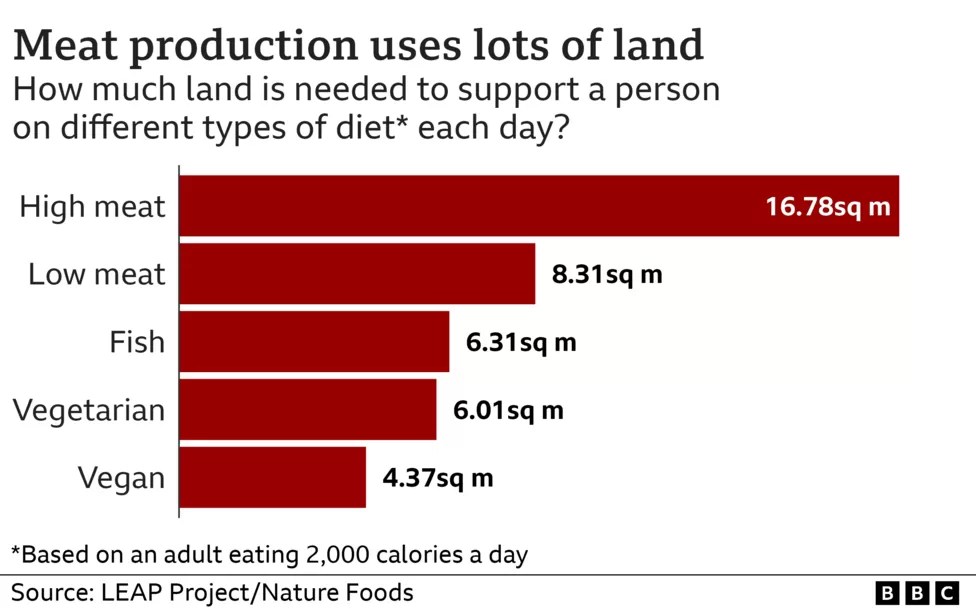
A recent study published in the journal Nature Food found that big meat-eaters in the United Kingdom (UK) reducing their meat consumption would be the equivalent of taking 8 million cars off the road.
Prof Scarborough, who is part of the Livestock Environment And People (LEAP) project surveyed 55,000 people who were divided into big meat-eaters, who ate more than 100g of meat a day, which equates to a big burger, low meat-eaters, whose daily intake was 50g or less, approximately a couple of chipolata sausages, fish-eaters, vegetarians and vegans.
While it is well-established that producing meat has a bigger environmental footprint than plant-based food, it has never been calculated in such detail before. “What makes this assessment different is that it takes real people’s diets and is based on the various production methods we have at the moment,” said Professor Susan Jebb, head of the Food Standards Agency and a world leading nutrition scientist at Oxford University, who was not involved in the research.
“The researchers have assessed at a much more granular level than has been done before the environmental footprint of what they are eating.” Their research shows that a big meat-eater’s diet produces an average of 10.24 kg of planet-warming greenhouse gases each day. A low meat-eater produces almost half that at 5.37 kg per day. And for vegan diets – it’s halved again to 2.47 kg a day.
Based on these data, authors concluded that: “[T]here is a strong relationship between the amount of animal-based foods in a diet and its environmental impact, including GHG emissions, land use, water use, eutrophication and biodiversity. Dietary shifts away from animal-based foods can make a substantial contribution to reduction of the UK environmental footprint.”
The authors of the UK study further noted that, “Uncertainty due to region of origin and methods of food production do not obscure these differences between diet groups and should not be a barrier to policy action aimed at reducing animal-based food consumption.”
Elsewhere it has been argued that reductions in emissions from livestock on the supply side through use of seaweed feeds might not reduce the sector’s overall carbon footprint if meat-eating continues to increase.” (Nature, Editorial, August 24, 2023).
A new US-based study published in journal Nutrients found that: “Disproportionate beef diets were consumed by 12% of individuals [based on NHANES data], but accounted for half of all beef consumed. Males were more likely than females (p < 0.001) to consume these diets… Older adults, college graduates, and those who looked up the MyPlate educational campaign online were less likely (p < 0.01) to consume a disproportionate beef diet. While almost one-third of reported consumption came from cuts of beef (e.g., steak or brisket), six of the top ten beef sources were mixed dishes: burgers, meat mixed dishes, burritos and tacos, frankfurters, soups, and pasta. Efforts to address climate change through diet modification could benefit from targeting campaigns to the highest consumers of beef, as their consumption accounts for half of all beef consumed” (Willits-Smith et al., 2023).
To add more plant-based meals in your diet, here are some simple, nutritious and meatless recipes from Stephanie Sacks, a culinary nutritionist:
Simple, nutritious, and delicious meatless recipes
Note: I have made this recipe omitting the ghee (first ingredient) and it was still excellent!
References
Scarborough, P., Clark, M., Cobiac, L. et al. Vegans, vegetarians, fish-eaters and meat-eaters in the UK show discrepant environmental impacts. Nature Food 2023, 4, 565–574. https://doi.org/10.1038/s43016-023-00795-w.
Buy one, get one free does not work for the planet. Tackle ever-growing consumption to safeguard sustainability gains. (editorial). Nature. 2023, 620. August 24, 2023. Available at: https://www.nature.com/articles/d41586-023-02596-4
Willits-Smith, A, Odinga, H, O’Malley, K, Rose, D. Demographic and socioeconomic correlates of disproportionate beef consumption among US adults in an age of global warming. Nutrients 2023, 15, 3795. https://doi.org/10.3390/nu15173795