Pathways for Food Systems Transformation: New report

On the planet’s current trajectory, emissions from food systems alone will exceed 1.5°C between 2051-2063. A new report from the Food Systems Partnership – Pathways for food systems transformation – calls for food and agriculture to be central to global climate dialogue and negotiations. The report was launched on the fourth day of the Bonn Climate Change Conference (SB58) (8 June 2023), and is expected to lay the groundwork for the negotiations at the COP28 climate summit in Dubai later this year. See Figure 1 below for an overview of the six critical pathways needed for food systems transformation.

Figure 1: Six critical pathways for food systems transformation

Adopting a food systems approach

“The update to the Koronivia Joint Work on Agriculture negotiated at COP27 saw, for the first time, the inclusion of the term ‘food systems’ in the final text.” The Bonn Climate Change Conference (SB58) established itself as the next milestone in the run up to the Global Stocktaking moment and COP28, where Parties and non-party stakeholders can accelerate a food systems approach to address interconnected climate, health and economic challenges.

“The WWF [World Wildlife Fund] submission on the updated Sharm-El Sheikh Joint Work on Agriculture (the successor to the Koronivia Joint Work on Agriculture) makes the case for anchoring a food systems approach in the Joint Work and provides a series of arguments for how embedding such an approach would help in delivering its objectives.” By adopting a food systems approach, The Food Systems Partnership calls on the outcomes of the SB58, COP28 and beyond to support the role of food systems in achieving climate targets through the proposed ‘Six critical pathways for food systems transformation.’

“The newly formed Food Systems Partnership, which includes EIT Food, the Food and Land Use Coalition (FOLU), Clim-EatEnvironmental Defense Fund (EDF), Carrier and Coalition of Action for Soil Health (CA4SH), evolved from the first ever Food Systems Pavilion which hosted two weeks of programming at COP27 and campaigned for the inclusion of a food systems approach within the Koronivia Joint Work on Agriculture.”

“The Pathways report synthesizes key findings from national action plans, analysis of Nationally Determined Contributions (NDCs), and assessments from leading food organisations including WWF, the Global Alliance for the Future of Food and the Food and Land Use Coalition. While there has been a positive trend in the recognition of food systems as part of national climate solutions, the studies reveal that most countries are yet to realize the full potential of including and implementing action on food systems in their climate strategies and action plans. “

“Despite food and agriculture being recognized as the largest sources of environmental degradation, there is no mention of food or food systems in any of the four Global Goals for 2050 outlined in the Kunming-Montreal Global Biodiversity Framework launched at CBD COP15 in November last year.”

Within the report, various countries are highlighted in the different pathways necessary for food systems transformation. Pathway 1: Enhance – collaboration and inclusion across all parts of our food system (Colombia and Canada), Pathway 2: Enable – a transition to healthy, nutritious and sustainable diets for all (Costa Rica), Pathway 3: Embrace – agricultural reform and nature-positive production (Liberia), Pathway 4: Increase – action against food waste and loss (The Gambia), Pathway 5: Transform – financial mechanisms to support sustainable, equitable food systems (Germany) and Pathway 6: Champion – consistent, accurate monitoring to track global progress on implementation.

Pathway 6: Champion

Numerous parties including national governments and the private sector must CHAMPION consistent, accurate monitoring and reporting to track global progress on implementation of food system transformation.

“There are presently a number of challenges around accurately measuring and conveying progress on the implementation of country NDCs [Nationally Determined Contributions], and therefore global efforts to monitor food systems emissions and stay within the critical threshold of 1.5°C. One key component is that emissions associated with imported food products represent a considerable portion of a country’s ‘attributable’ GHG emissions, yet remain unaccounted for in policy or decision-making. As it stands, no country’s NDC fully accounts for emissions associated with food imports. Policy change in relation to ‘offshoring emissions’, tracking externalities, and accounting for the environmental, social and health impacts of food systems policies and practices requires new mindsets, tools and methodologies.

“We know that food systems transformation is already happening with positive climate, health and socio-economic impacts, and this work needs to feature more deliberately in action plans. Consistent, accurate ‘stocktaking’ provides valuable evidence of how local, regional, and national food systems initiatives are contributing to climate action, nutrition security and health, as well as resilience, biodiversity restoration, and economic empowerment.” COP28 will be a key milestone, both to recognize progress and achievement and to provide momentum and focus for the next phase of action on food systems.

References

Pathways for Food Systems Transformation. Food Systems Partnership. June 8, 2023. Available at: https://foodsystemspavilion.com/wp-content/uploads/2023/06/Pathways-for-food-systems-transformation-report.pdf

International Day for Biological Diversity: Moving from Agreement to Action

May 22nd is the International Day for Biological Diversity. This year’s International Day for Biological Diversity is an especially significant one. “To Build Back Biodiversity, we must move from Agreement to Action.” We must implement the Framework and deliver on the promises for 2030 that are encapsulated in its 23 targets.

Much must be done if we are to address the underlying drivers of biodiversity loss:

  • All governments must not only develop their national targets but put in place the laws, policies and programmes necessary to achieve them.
  • Businesses need to assess and disclose impacts and pivot towards sustainable practices.
  • The efforts of indigenous peoples and local communities in protecting biodiversity must be recognized and protected.
  • We all need to reduce waste and shift to more sustainable consumption.
  • And we need to raise the necessary finance to facilitate these actions, reform subsidies and align major investment flows with the goals and targets of the Framework.

“We need a whole-of-government, whole-of society approach. Everyone must be engaged. Everyone must be involved.”

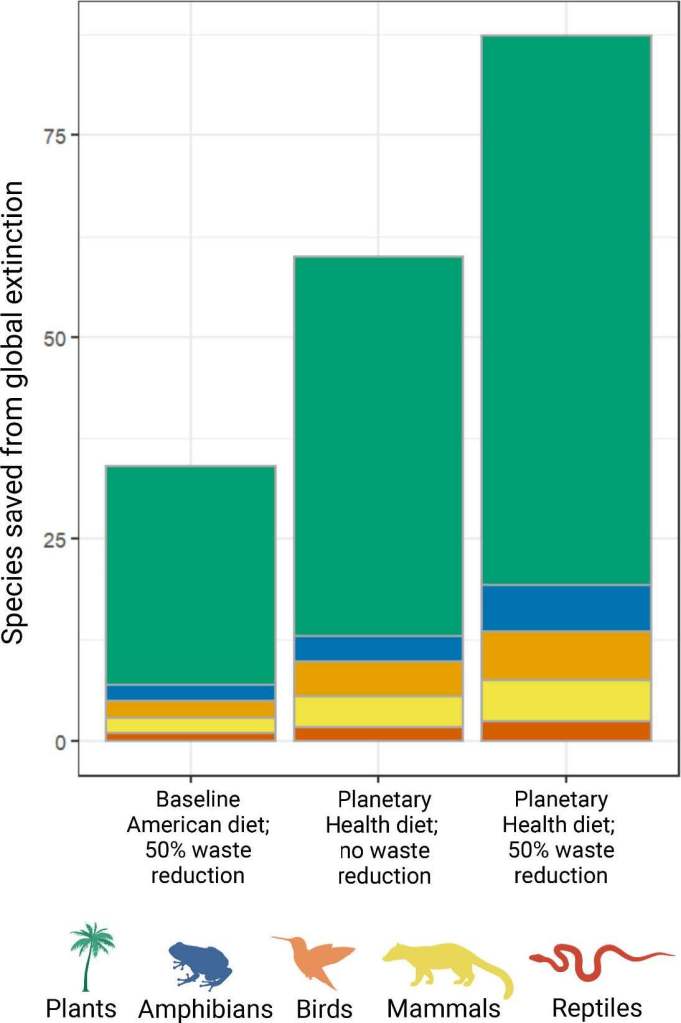
Here are seven steps you can take to protect biodiversity every day: 1) buy organic and sustainably-produced foods whenever possible; 2) eat a sustainable diet (e.g., vegan, vegetarian, planetary health diet, flexitarian); 3) reduce food and packaging waste; 4) reduce, reuse, and recycle; 5) use environmentally-friendly cleaning products; 6) reduce use of synthetic pesticides and fertilizers – research shows that organic agricultural practices are best at protecting pollinators; and 7) start composting. Protecting biodiversity is also important for addressing climate change and creating climate resilience in the food supply.

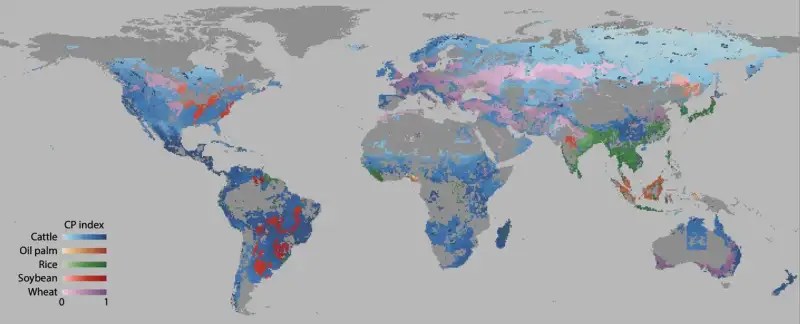
Source: Keesing F. Diet for a small footprint. Proceedings of the National Academy of Sciences 2022;119(17) e2204241119. https://www.pnas.org/doi/10.1073/pnas.2204241119

References:

22 May 2023: International Biodiversity Day: From Agreement to Action: Build Back Biodiversity. Conventional on Biological Diversity. May 2023. Available at: https://www.cbd.int/article/idb2023

How does biodiversity impact food security? Zurich Magazine. January 13, 2023. Available at: https://www.zurich.com/en/media/magazine/2021/food-for-thought-what-biodiversity-means-to-you#:~:text=Put%20simply%2C%20less%20biodiversity%20means,feed%20our%20ever%2Dgrowing%20population

Why are bees so important for biodiversity? Zurich Magazine. May 17, 2023. Available at: https://www.zurich.com/media/magazine/2023/why-are-bees-so-important-for-biodiversity

European Environment Agency. How pesticides impact human health and ecosystems in Europe. Copenhagen, Denmark: European Environment Agency. April 26, 2023. Available at: https://www.eea.europa.eu/publications/how-pesticides-impact-human-health

Rigal S, et al. Farmland practices are driving bird population decline across Europe. Proceedings of the National Academy of Sciences. 2023;120 (21) e2216573120. https://doi.org/10.1073/pnas.2216573120

Keesing F. Diet for a small footprint. Proceedings of the National Academy of Sciences 2022;119(17) e2204241119. https://www.pnas.org/doi/10.1073/pnas.2204241119

Wintermantel, D, Odoux, J-F, Chadœuf, J, Bretagnolle, V. Organic farming positively affects honeybee colonies in a flower-poor period in agricultural landscapes. J Appl Ecol. 2019;  56: 1960– 1969. https://doi.org/10.1111/1365-2664.13447

Romain C. Ekroos J, Henrik G. et al. Organic farming supports spatiotemporal stability in species richness of bumblebees and butterflies. Biological Conservation, 2018; 227: 48 DOI: 10.1016/j.biocon.2018.08.022

Stop Food Waste Day: New cookbooks

Today, April 26th 2023 is Stop Food Waste Day! It’s easy for you to get involved with reducing food waste – not just today – but everyday, using three easy strategies:

Prevent, Inspire and Repurpose:

  1. Prevent food waste at source by storing food optimally, making use of every edible part of the ingredient and planning meals ahead of time.
  2. Inspire others to waste less, and repurpose more.
  3. Repurpose food by redistributing any surplus to your local community, or by giving a second life to ingredients that most commonly go to waste.

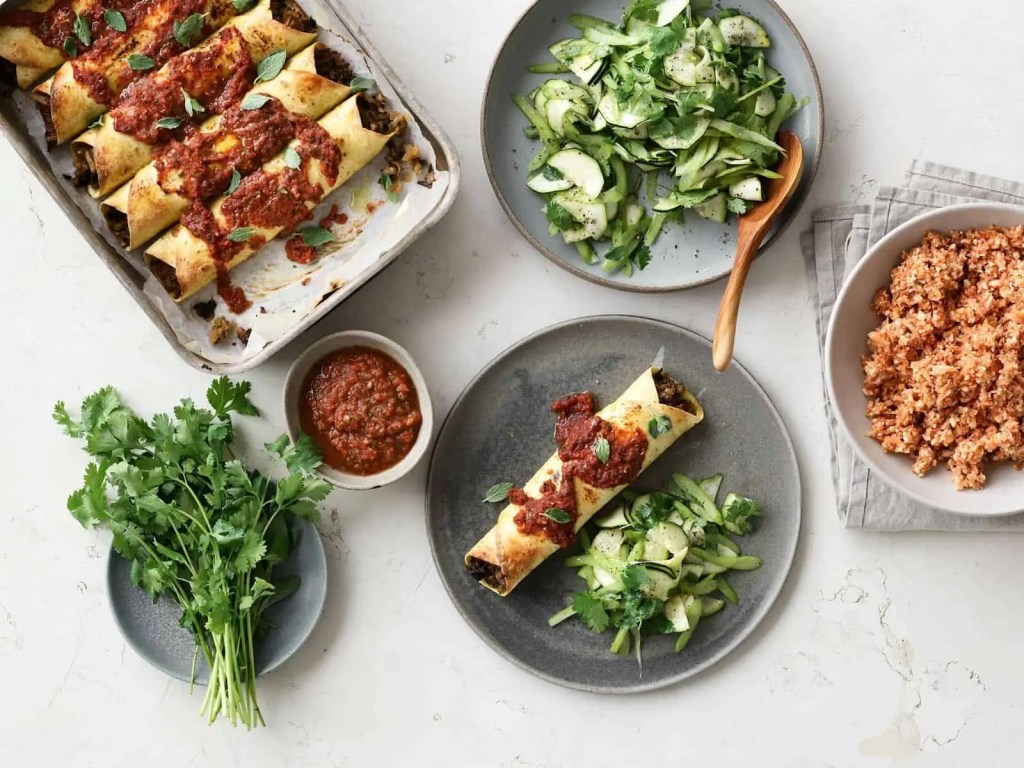
Last year the Compass Group and its Stop Food Waste Day partners created an Stop Food Waste Day Digital Cookbook, featuring recipes from over 50 Compass chefs across nearly 40 countries. The cookbook makes it easy to create meals which give a ‘second life’ to ingredients that most commonly go to waste. This year there is a Second Edition of the Stop Food Waste Day Digital Cookbook, which includes new recipes such as “leftover bread casserole from Austria, wonky vegetable enchiladas from Mexico, and stuffed potatoes with vegan Bolognese from Spain.”

You can download the Second Edition Stop Food Waste Day Digital Cookbook here:

Source: http://www.stopfoodwasteday.com

Finally, you can use these 10 quick tips to cut down on your food waste:

  1. Plan ahead and shop smart
  • Use a shopping list or take a photo of what’s in your refrigerator and pantry before going to the supermarket/grocery store or farmers’ market).
  1. Keep a food waste diary
  • See the FAO (2021) publication titled Your Guide to Living Free of Food Waste for more information on how to keep a food waste diary.
  1. Keep fruits and vegetables fresh longer by not washing them until you are ready to use them.
  • “Too much moisture on produce can cause premature decay and send food to the trash. If you get a particularly dirty batch of potatoes or other fruits and veggies, you can still give them a good wash if they’re dried completely before being stored.”
  1. Cook with leftovers
  • Consult the new cookbook by Tamar Adler titled The Everlasting Meal Cookbook: Leftovers A-Z (2023)

https://www.simonandschuster.com/books/The-Everlasting-Meal-Cookbook/Tamar-Adler/9781476799667?fbclid=IwAR0SuBtJ6H7Q2VrHc1ED_RyXyxge1MBpim9dboeZtEgUNdYRnA936K5-5jc

In The Everlasting Meal Cookbook, Adler “offers more than 1,500 easy and creative ideas to use up nearly every kind of leftover—and helpfully explains how long each recipe takes. Now you can easily transform a leftover burrito into a lunch of fried rice, or stale breakfast donuts into bread pudding. These inspiring and tasty recipes don’t require any precise measurements, making this cookbook a go-to resource for when your kitchen seems full of meal endings with no clear meal beginnings in sight. Organized alphabetically and filled with foods across the spectrum—from applesauce to truffles and potato chip crumbs to cabbage—this comprehensive guide makes it easy to flip through so you can find a use for all types of unused food.”

  1. Revive limp kale and other leafy greens
  2. Grow your own herbs in a kitchen garden
  3. Freeze leftover herbs
  4. Use the “first in, first out” (FIFO) principle
  5. Try pickling vegetables such as cucumbers, onions, cauliflower, beets and even fruits
  6. Blend up the extras from fruits and vegetables into a nutrient-dense smoothie.

For more information on these and other food waste reduction tips, see:

12 Creative Ways to Cut Down on Food Waste in Your Kitchen (EcoWatch, 2021) https://www.ecowatch.com/zero-food-waste-tips-2650600167.html

FAO. Your Guide to Living Free of Food Waste. Budapest. FAO, 2021. Available at: https://www.fao.org/3/cb6601en/cb6601en.pdf

‘Climavorism’ is on the rise: New research

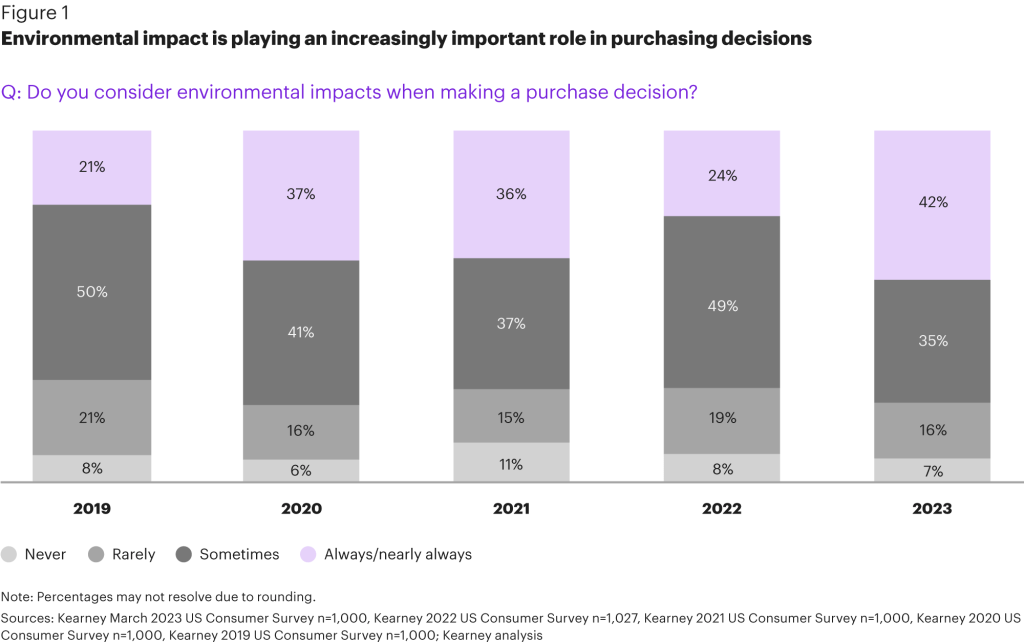
According to Kearney’s annual Earth Day Survey (2023), “The environment is increasingly playing a role in purchasing decisions, with 42% of consumers stating they always or nearly always consider it. This figure, the highest on record, was an 18 percentage point increase from the prior year. The report also said the cost of more environmentally friendly products is becoming less of a barrier. When asked what prevents them from buying products with sustainability claims, 46% of consumers said the cost was a primary factor, a decline of four percentage points from 2022 and seven percentage points from 2019.” (Casey, 2023)

Kearney’s new Earth Day survey of 1,000 US consumers saw awareness of the environmental impacts of their food choices significantly increase since their last survey. Figure 1 [see below] shows that 42 percent of 2023 respondents reported always or nearly always considering environmental impacts when making a purchasing decision, a historic high and an 18 percentage point increase over 2022. “ They observed that “This is a clear signal that our observation last year that ‘climavorism’ was growing from the “consumer fringe” to the heart of the mass market is becoming a reality.” (Kearney, 2023)

“Kearney said ‘climavorism’ — which it defines as “actively making food choices based on climate impacts with the intent to benefit the planet” — is less sensitive to price. The survey of 1,000 consumers found cost is “decreasing as a barrier to purchasing products claiming environmental benefits,” despite persistent inflation across food categories.” Keaney’s 2023 Earth Day survey also reported that consumers believe that producers and food manufacturers should be the most responsible for faster adoption of environmentally-friendly food choices” (Kearney, 2023). Among the 42% of consumers who said food producers should bear the responsibility, 54% said food manufacturers should play the largest role, compared to 25% for grocery stores and retailers.” (Casey, 2023)

A study published in the journal Nutrients titled “Modern Diets and the Health of Our Planet: An Investigation into the Environmental Impacts of Food Choices” (2023) reported that:

“The diets found to have the lowest environmental impacts were the vegan, climatarian, and Mediterranean diets. These low-carbon-footprint diets can likely be attributed to a reduced reliance on ruminant meat (cattle and sheep) and processed food consumption, while diets with high carbon footprints are more dependent on ruminant meat and saturated fat. Moderate consumption of meats such as chicken, pork, and fish in conjunction with an emphasis on locally grown fruits and vegetables can be maintained without adversely affecting the planetary carbon footprint and with the added benefit of promoting good health. Thus, making simple substitutions within each individual’s diet can be advertised as an effective approach to collectively lower the environmental impact in tandem with improving health and longevity.” (Dixon et al., 2023)

Four Scenarios for Rapid Adoption of ‘Climavorism’

Based on its 2023 survey results, Kearney proposes “Four scenarios for rapid adoption of climavorism” which include:

Scenario A: “A soybean a day keeps the apocalypse away”

Scenario B: The long clammy arm of the legislator is grabbing your plate”

Scenario C: “Capitalism anyone?” and

Scenario D: “Mother Earth called, and she isn’t happy with us.”

Learn more about all four of these four ‘climavorism’ scenarios at:

https://www.kearney.com/consumer-retail/article/-/insights/four-scenarios-for-rapid-adoption-of-climavorism

With regard to Kearney’s Scenario A, “A soybean a day keeps the apocalypse away,” be sure to pay close attention to the details in this proposed scenario. Why?  

As reported by Forest 500, a project of Global Canopy (Thomson & Fontes, 2022), the vast majority of the world’s soy produced globally is used for animal feed, so it is a hidden ingredient in meat (e.g., poultry and pigs), fish, and dairy products. Harwatt et al. (2022) and Ritchie & Roser (2021) reported that 77% of soy production is used for animal feed. Ritchie & Roser also point out that “Just 7% of soy is used directly for human food products such as tofu, soy milk, edamame beans, and tempeh.” (Ritchie and Roser, 2021). Thus, if you don’t want to contribute to the ‘soybean apocalypse’ then consume soybeans in a form that is meant for human consumption and not those soybeans that are produced for use as animal feed.  The bottom line: to contribute to sustainable food systems, consume most of your soy in the form of soy milk, tofu, tempeh, miso, edamame, soy nuts, and other soy products meant for human consumption.


The Role of Government in Promoting ‘Climavorism’

Recently, “The Danish Climate Council, an independent adviser to Denmark’s government, has recommended a reduction in meat consumption to help the country meet its climate goals.”

“The council said that two-thirds of the meat consumed by Danes should be replaced by plant-based foods, and suggested that the products with the highest carbon footprint should be taxed. A 33% tax is recommended for beef, which is one of the most high-emission foods.”

“The advice was published as part of an annual review, aimed at helping Denmark achieve its legally binding target of a 70% reduction in carbon emissions by 2030 (compared to 1990 levels). According to the Danish Climate Council, annual emissions could be cut by up to 3.9 million tons of CO2-equivalents if everyone reduced their meat consumption by the suggested amount. In Denmark, consumption of animal-based foods is more than twice the global average.” (Vegconomist, 2023)

On a more positive note, in 2021, “over half of Danes were said to be looking to eat less meat. The same year, $90 million in subsidies were earmarked for Danish farmers producing plant-based foods, with the aim of aiding the transition to a more sustainable food system.” (Vegconomist, 2023)

References

Casey C. More than 40% of consumers factor in sustainability when purchasing food, survey finds. Food Dive. April 21, 2023. Available at: https://www.fooddive.com/news/more-than-40-of-consumers-factor-in-sustainability-when-purchasing-food-s/648201/

Four scenarios for rapid adoption of climavorism: New research. Kearney Global Management Consulting. April 21, 2023. Available at: https://www.kearney.com/consumer-retail/article/-/insights/four-scenarios-for-rapid-adoption-of-climavorism

Dixon, K.A.; Michelsen, M.K.; Carpenter, C.L. Modern diets and the health of our planet: An investigation into the environmental impacts of food choices. Nutrients 202315, 692. https://doi.org/10.3390/nu15030692

Forest 500 – Global Canopy. https://forest500.globalcanopy.org/companies/

Thomson E, Fontes C. The companies ignoring the human costs of deforestation. UK, Forest 500 (a Global Canopy Project); July 2022. Retrieved April 20, 2023. Available at: https://forest500.org/sites/default/files/f500_human_rights_briefing_final.pdf

Ritchie H. Roser M. Soy – “Forests and Deforestation.” Our World in Data. 2021. Available at: www.ourworldindata.org

Harwatt H, Wetterberg K, Giritharan A, Benton T. Aligning food systems with climate and biodiversity targets. Assessing the suitability of policy action over the next decade. London, Chatham House; October 2022. Retrieved April 20, 2023. Available at: https://www.chathamhouse.org/2022/10/aligning-food-systems-climate-and-biodiversity-targets

Danish Climate Council Recommends Meat Tax & Replacing Two-Thirds of Meat With Plants. March 2, 2023. Vegconomist. Available at: https://vegconomist.com/sustainability-environment/danish-climate-council-meat-tax/

Growing mushrooms alongside trees could feed millions and mitigate effects of climate change: New research

“Growing edible mushrooms alongside trees can produce a valuable food source for millions of people while capturing carbon, mitigating the impact of climate change,” according to a new study that was published in the Proceedings of the National Academy of Sciences (PNAS). The approach not only reduces the need for deforestation to make way for crops, but it also incentivizes tree planting.

“There is currently a significant global issue of land-use conflict between forestry and food production and, as a result, net loss of forest area remains high at some 4.7 million hectares per year, according to data for 2010 to 2020. Demand for agricultural land is the biggest driver of global deforestation and this is forecast to accelerate.

Analysis by Professor Thomas at The University of Stirling found that the cultivation of edible ectomycorrhizal fungi (EMF) in forests may sequester up to 12.8 tons of carbon per hectare annually and produce a nutritious food source for nearly 19 million people per year.

Professor Thomas said: “We looked at the emerging field of mycoforestry, where fungi that grow in symbiosis with living trees are used to create a food crop from new tree plantings, and we found that production of fungi using this system can lead to a very significant sequestration of greenhouse gas.”

“This is a huge benefit which means that by producing this food we can actively help mitigate climate change. When we compared this to other major food groups, this is the only one that would result in such benefits – all other major food categories lead to a greenhouse gas emission during production.”

Photo: Growing edible mushrooms alongside trees can produce a valuable food source for millions of people while capturing carbon, mitigating the impact of climate change, a new study by University of Stirling scientists has found (Ben Birchall/PA) (PA Archive)

Professor Thomas observed that: “We calculate that if this system was combined with current forest activities, the food production levels could be huge. If it had been used in forestry that has taken place during the last ten years, we could have produced enough food to feed 18.9 million people annually.”

“For China alone, their forestry activity for the last ten years could have put in place a food production system capable of enough calorific output to feed 4.6 million people annually.”

“Professor Thomas said the technology is emerging and much more needs to be done to realize these benefits. He has called on researchers to join the field and for support from relevant agencies.”

He added: “This food production system is highly scalable, realistic and a potentially powerful route to sequester greenhouse gas. It would help with biodiversity and conservation globally, triggering rural socio-economic development and providing an incentive for increased tree planting rates with all the associated benefits that brings.”

References

Hay K. Fungi-tree planting could feed millions while capturing tons of carbon, study finds. The Independent. March 14, 2023. Available at: https://www.independent.co.uk/news/science/fungi-feeds-millions-captures-carbon-b2300206.html

University of Stirling. Press release. Growing mushrooms alongside trees could feed millions and mitigate effects of climate change, research finds. March 14, 2023. Available at: https://www.stir.ac.uk/news/2023/march-2023-news/growing-mushrooms-alongside-trees-could-feed-millions-and-mitigate-effects-of-climate-change-research-finds/

Thomas PW, Jump AS. Edible fungi crops through mycoforestry, potential for carbon negative food production and mitigation of food and forestry conflicts. Proceedings of the National Academy of Sciences (PNAS) 2023; 120 (12) e2220079120. https://doi.org/10.1073/pnas.2220079120

Meat, rice, and dairy production will push the planet past the 1.5C Paris Climate Agreement target: New study

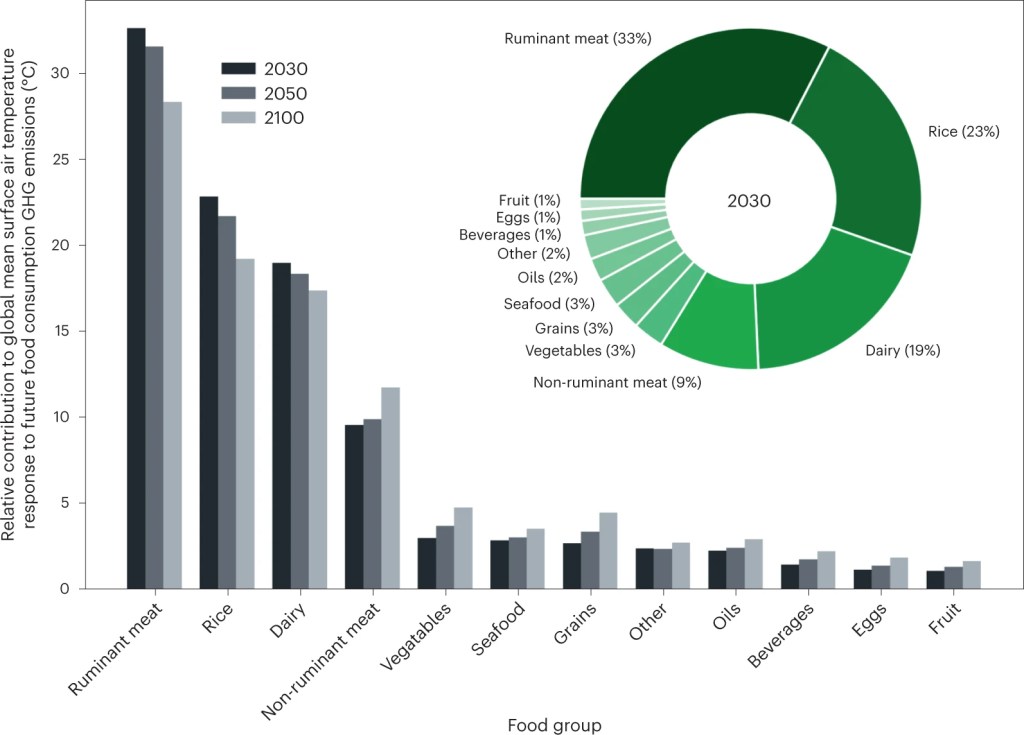
Greenhouse gas emissions that are produced from the way humans produce and consume food could add nearly 1 degree of warming to the Earth’s climate by 2100, according to a new study published in the journal Nature Climate Change.

Continuing the dietary patterns of today will push the planet past the 1.5 degrees Celsius (2.7 degrees Fahrenheit) limit of warming sought under the Paris climate agreement to avoid the worst effects of climate change, according to this new study, and will approach the agreement’s limit of 2 degrees Celsius (3.6 degrees Fahrenheit).

The modeling study found that the majority of greenhouse gas emissions come from three major sources: meat from animals, especially ruminant animals (e.g., cows, sheep); rice; and dairy. Those three sources account for at least 19% each of food’s contribution to a warming planet, according to the study, with meat contributing the most, at 42% (ruminant meat = 33%; non-ruminant meat = 9%). See the Figure below.

Methane is a potent greenhouse gas with more than 80 times the warming power of carbon dioxide. The researchers calculated that methane will account for 75% of food’s share of warming by 2030, with carbon dioxide and nitrous oxide accounting for most of the rest.

“I think the biggest takeaway that I would want (policymakers) to have is the fact that methane emissions are really dominating the future warming associated with the food sector,” said Catherine C. Ivanovich, a climate scientist at Columbia University and the study’s lead author.

Ivanovich and colleagues from the University of Florida and Environmental Defense Fund calculated the three major gases produced by each type of food over its lifetime based on current consumption patterns. Then they scaled the annual emissions over time by gas based on five different population projections.

And then they used a climate model frequently used by the United Nations’ panel on climate change to model the effects of those emissions on surface air temperature change.

“The study highlights that food is absolutely critical to hitting our Paris Agreement climate targets — failure to consider food is failure to meet our climate targets globally,” said Meredith Niles, a food systems scientist at the University of Vermont who was not involved in the study.

Multiple recent studies and reports have recommended eating less meat in order to reduce greenhouse gas creation by animals raised for consumption. Reducing methane may be the most important goal of all. Although methane is far more potent than carbon, it also is much shorter-lived — meaning cuts in methane emissions can have a quick benefit, Ivanovich, the lead study author, said.

Food-related temperature rise could be curbed, the researchers said. If people consumed red meat only once a week (a single serving), such as what is outlined in the EAT-Lancet planetary health diet, the rise could be cut by 0.2C. Such a diet would mean a big cut in meat eating in wealthy countries but could mean an increase in meat consumption in some poorer countries. For more information on implementing sustainable diets, see this 10-minute interactive guide to a Healthy Plate and a Healthy Planet, which is available at: https://www.gaplesinstitute.org/sustainable-diets/

Cutting methane emissions from cattle using feed additives and better management of manure could avoid another 0.2C, the researchers said, while switching to green energy in the food system would cut 0.15C. Ivanovich said the emissions reductions options included in the study were those possible today but that future technological advances might be able to reduce emissions further.

“We already know that livestock production has a disproportionate contribution to climate change – even using traditional metrics, in 2021 we showed that 57% of emissions from the food system arise from animal agriculture,” said Prof Pete Smith, at the University of Aberdeen, UK. “This very neat study uses a simple climate model to show the disproportionate impact of methane emissions from agriculture on temperature increases, and throws light on the importance of reducing methane emissions from the food system.”

“Only a third of the world’s countries have included policies to cut emissions from agriculture in the climate plans they have submitted under the UN Paris Climate agreement. The researchers said their work was aimed at increasing the understanding of the impact of global food consumption on future global heating. Ivanovich also said policies to cut emissions had to protect access to food and livelihoods for vulnerable populations.”

References

Ivanovich, C.C., Sun, T., Gordon, D.R. et al. Future warming from global food consumption. Nature Climate Change. 13, 297–302 (2023). https://doi.org/10.1038/s41558-023-01605-8.

Costly D. The way we eat could add nearly 1 degree of warming by 2100. Associated Press. March 6, 2023. Available at: https://apnews.com/article/climate-agriculture-food-methane-emissions-3980deda0d27c16258c1e79bbf4e1481

Carrington D. Meat, dairy and rice production will bust 1.5C climate target, shows study. March 6, 2023. The Guardian. Available at: https://www.theguardian.com/environment/2023/mar/06/meat-dairy-rice-high-methane-food-production-bust-climate-target-study

Economic impact of overweight and obesity to surpass $4 trillion by 2035: World Obesity Federation

Today, March 4, 2023 is World Obesity Day. The theme for this year’s World Obesity Day is ‘Changing Perspectives: Let’s Talk About Obesity.’ The World Obesity Atlas 2023, published by World Obesity Federation, predicts that the global economic impact of overweight and obesity will reach $4.32 trillion annually by 2035 if prevention and treatment measures do not improve. At almost 3% of global GDP, this is comparable with the impact of COVID-19 in 2020.”

It is predicted that more than half the global population will be living with overweight and obesity within 12 years if prevention, treatment, and support do not improve.

“The report emphasizes the importance of developing comprehensive national action plans to prevent and treat obesity and support people affected by the disease. It also acknowledges the impact of climate change, COVID-19 restrictions, new pandemics, and chemical pollutants on overweight and obesity and warns that without ambitious and coordinated action to address systemic issues, obesity rates could rise still further.”

The majority of the global population (51%, or over 4 billion people) will be living with either overweight or obesity by 2035 if current trends prevail. 1 in 4 people (nearly 2 billion) will have obesity.

Childhood obesity could more than double by 2035 (from 2020 levels). Rates are predicted to double among boys to 208 million (100% increase) and more than double among girls to 175 million (125% increase) and are rising more rapidly among children than adults.

Lower income countries are facing rapid increases in obesity prevalence. Of the 10 countries with the greatest expected increases in obesity globally (for both adults and children), 9 of those are from low or lower-middle income countries. All are from either Asia or Africa.

World Obesity Federation calls for comprehensive national action plans to help countries act on new World Health Organization (WHO) Recommendations for the Prevention and Management of Obesity. The Atlas report will be presented at a high-level policy event on March 6, 2022 to UN policymakers, member states and civil society.

Acknowledgement of the economic impact is in no way a reflection of blame on people living with obesity, which is a chronic, relapsing disease.”

Professor Louise Baur said the trend was “particularly worrying”, adding that “governments and policymakers around the world need to do all they can to avoid passing health, social, and economic costs on to the younger generation” by assessing “the systems and root factors” that contribute to obesity.

The effects of obesity’s prevalence on lower-income countries are also highlighted in the report. Nine of the 10 countries with the greatest expected increases in obesity globally are low or lower-middle income states in Africa and Asia. Reasons include trends in dietary preferences towards more highly processed foods (e.g., ultra-processed foods), greater levels of sedentary behavior, weaker policies to control food supply and marketing, and less well-resourced healthcare services to assist in weight management and health education.

The authors of the report also note that lower-income countries are “often the least able to respond to obesity and its consequences.”

The findings estimate that rises in obesity rates around the world will have a significant impact on the global economy, equating to 3% of global Gross Domestic Product.

The report emphasizes that its acknowledgement of the economic impact of obesity “is in no way a reflection of blame on people living with obesity.”

Obese is a medical term used to describe a person with a high excess of body fat.

The report uses body mass index (BMI) to make its assessments. BMI is calculated by dividing an adult’s weight by the square of their height.

References

World Obesity Atlas 2023 Report. March 3, 2023. World Obesity Federation. Available at:


Economic impact of overweight and obesity to surpass $4 trillion by 2035.
Press Release. March 3, 2023. World Obesity Federation. Available at:

https://www.worldobesity.org/news/economic-impact-of-overweight-and-obesity-to-surpass-4-trillion-by-2035

Davies A. Half of world on track to be overweight by 2035. BBC News. March 3, 2023. Available at: https://www.bbc.com/news/world-64831848

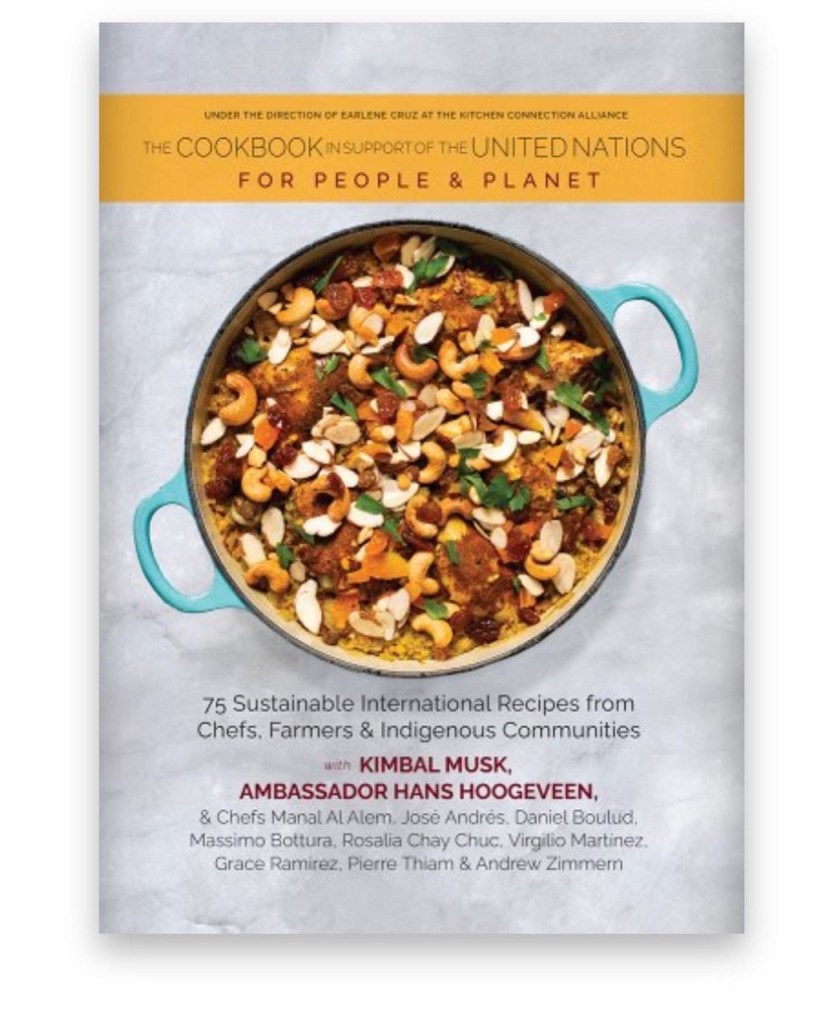
A recipe for change: The Cookbook In Support of The United Nations – For People and Planet

Earlene Cruz is on a mission to make people hungry for climate action every time they sit down to eat. Cruz is the Founder and Executive Director of Kitchen Connection Alliance, an entity that seeks to improve systems for growing and distributing food worldwide. She was at COP27 last November to launch the Cookbook in Support of the United Nations, an event facilitated by UN Climate Change.”


To learn more about “A Cookbook In Support of the United Nations: For People and Planet: 75 Sustainable International Recipes from Chefs, Farmers, & Indigenous Recipes,” go to: https://www.kitchenconnection.org/cookbook

“The Kitchen Connection Alliance is a revolutionary education hub and global youth organization dedicated to empowering global citizens with knowledge to contribute to a better food environment. The Alliance makes advocacy accessible, actionable, and engaging for a new generation of food systems champions. In the cookbook, it is noted: “This book is dedicated to our planet, for the way that it is relentlessly nourishes us.” 

The cookbook is broken down into the following sections: the food system, biodiversity, sustainable consumption, food & climate change, reducing food waste, and components of our food. All recipes include nutrition information (starting on page 219) and appropriate items include a designation of V = vegan, VT = vegetarian, or P = pescatarian.
 

I’ve made numerous items from this cookbook, and I have been quite impressed with the results, including: Red Kidney Beans and Rice Curry (page 27), Enkum served with Steamed Cabbage (page 47), Baked Salmon with Sumac, Fennel and Figs (page 62), Butternut Squash Locro With Quinoa and Brazil Nut Crumble (page 82), Chorba with Roasted Eggplant And Sweet Potatoes (page 102), Sweet and Sour Pumpkin (page 142), Bulgur and Spinach With Yogurt and Pomegranate (page 146), “La Bandara Dominicana” (Dominican Rice and Beans) (page 150), Carrot Biryani (page 189), and Garbanzos Con Espinacas (page 209).

Cruz describes it [the cookbook] as a “non-prescriptive guide to inspire people to eat and cook what is available, feasible, and sustainable in their local contexts.”

The cookbook is a collaboration between the United Nations and Kitchen Connection Alliance, with proceeds supporting a children’s version of the book, the UN Bookstore and projects with Indigenous communities.

“We can start with questions that help us understand the journey of our food: Where is it grown? Who grew it? How did it get to my plate?” Cruz added. “As aware and empowered individuals, we can band together to insist upon more sustainable practices from farms and food companies and demand bold climate policy from our governments.”

“The way we produce, eat and waste food is one of the largest drivers of climate change globally, with food production responsible for a whopping one-third of greenhouse gas emissions. It is also the primary driver of biodiversity loss, with agriculture alone threatening 86% of species at risk of extinction.

At the same time, the world’s agriculture sector is increasingly vulnerable to climate change. The impacts of climate change on food security is growing worldwide and more prominently in developing countries: rising temperatures, heat waves, droughts and floods, changes in rainfall patterns and extreme events affect agriculture more than any other sector.”

“The appetite for transformation is huge. According to the Food and Land Use Coalition, creating healthier, more resilient and more equitable food systems could generate USD 4.5 trillion annually in new economic opportunities by 2030.”

The cookbook features 75 sustainable recipes from chefs, farmers and indigenous communities around the world.

“Indigenous Chef Rosalia Chay Chuc’s black bean recipe is the lowest-emitting recipe in the book. Food Systems expert Dani Nierenberg contributed a recipe called Make Do Ratatouille, which reduces food waste by using “imperfect ingredients” to make a “perfect dish.” Chef Pierre Thiam contributed a fonio recipe which uses a grain that was “rediscovered” and has revitalized the economy of Senegalese farmers in the region where fonio is grown.”

Sustainable food at COPs

“Laura Lopez, UN Climate Change’s Director of Conference Affairs, whose team facilitated the cookbook’s launch at COP27, said food is not only a topic at the conference but is woven into the organization of the COP itself.”

“Since COP25, the country hosting a COP must have a mandatory sustainability plan, which includes how it will feed tens of thousands of conference delegates in a planet-friendly way.

But it’s not as straightforward as it seems.”

“You would expect people working on climate change would want to choose food that is friendly to the earth,” said Lopez. “But there is resistance to that.”

Consider COP26.

“Held in Glasgow, Scotland, in 2021, it knocked the ball out of the park when it came to sustainable catering. The meals used ingredients from local farms. The carbon footprint of each menu option was calculated, with a higher proportion of options with a lower carbon footprint on offer. A daily pick-up service ensured unused food went to shelters and schools to minimize food waste.”

“While it looked great on paper, the plan was missing one key ingredient: deliciousness. Serving conference participants local food was sustainable but it wasn’t sufficiently varied and didn’t appeal to all palates.”

“It was a good experience, with Scotland trying to do all the right things,” said Lopez. “Scotland had the best effort when it came to sustainable catering, but according to results of a participant survey after the fact, so far it has been the least popular among COP participants. If the food doesn’t taste good, eating the same thing every day for two weeks in a row isn’t going to cut it.”

Still, Lopez calls the experience a “journey.” “It’s a process and it requires a lot of awareness raising,” said Lopez. “I think this cookbook will do a lot in that regard.”

References:

United Nations Climate Change. A recipe for change. January 3, 2023. Available at:
https://unfccc.int/news/a-recipe-for-change

New evidence that ultra-processed foods may increase cancer risk: research

“A study funded by the World Cancer Research Fund and Cancer Research UK and published in eClinicalMedicine, a Lancet open access clinical journal, provides new evidence of a link between ultra-processed foods (UPFs) and an increased risk of developing cancer.” (Chang et al., 2023; Ewing-Chow, 2023).

“A team from Imperial College London used UK Biobank data to assess the diets of 197,426 people between the ages of 40 and 69, who completed 24-hour dietary recalls during a three-year period.” Ultra-processed food consumption was expressed as a percentage of total food intake in grams per day and was assessed against the risk of developing and/or dying from 34 different types of cancer over a period of 10-years (Chang et al., 2023; Ewing-Chow, 2023).

“After the researchers adjusted for socio-demographic factors, physical activity, smoking status, and dietary factors, it was found that a 10% increase in consumption of ultra-processed food was linked to a 2% increase in being diagnosed with any cancer and a 6% increase in dying from cancer of any kind. The researchers also found that, with each additional 10% increase in consumption of ultra-processed food, there was a 19% increased risk for ovarian cancer and a 30% increased risk of dying from ovarian cancer. There was also a 16% increase in risk of dying from breast cancer with each 10% incremental increase in consumption of UPFs.” (Chang et al., 2023; Ewing-Chow, 2023).

“Further, an analysis of the top 25% tier of UPF consumption (those who consumed ultra-processed foods the most) versus the bottom 25% tier of UPF consumption (those who consumed UPFs the least) revealed a 7% higher risk of overall cancer, a 25% higher risk of developing lung cancer and a 52% higher risk of developing brain cancer in the former group as compared to the latter group.” The authors say that this study is the “most comprehensive assessment for the prospective associations between ultra-processed food consumption and risk of overall and 34 site-specific cancer incidence and associated mortality.” (Chang et al., 2023; Ewing-Chow, 2023).

“According to Northeastern University’s Network Science Institute, 73% of the food supply in the United States is ultra-processed. Demand for these foods is driven by the fact that they are typically more affordable, heavily marketed, perceived as convenient due to long shelf life, and often contain health claims on their packaging.” “This is not the first study to establish a correlation between ultra-processed foods and cancer. A study published in The British Medical Journal on August 31st 2022 found a 29% higher risk for developing colorectal cancer among men who consumed high amounts of ultra-processed foods as compared to men who consumed smaller amounts of UPFs.” Other studies have established a link between ultra-processed foods and type 2 diabetes (Delpino et al., 2022) obesity (Harb et al., 2022), and other ailments (UNICEF, 2022; Ewing-Chow, 2023), including chronic kidney disease (National Kidney Foundation, 2022; Du et al., 2022).

Junk food concept. Unhealthy food background. Fast food and sugar. Burger, sweets, chips, chocolate, donuts, soda on a dark background.

The World Health Organization and United Nations’ Food and Agriculture Organization (FAO) recommend restricting ultra-processed foods as part of a healthy sustainable diet. The researchers note that there are ongoing efforts to reduce intake of ultra-processed foods around the world…. Brazil has banned the marketing of ultra-processed foods in schools. A recent study published in the journal Nutrients showed a positive correlation between ultra-processed food consumption and trans fatty acids and sugar intake in the diets of schoolchildren in Bahia, Brazil (Menezes et al., 2023).

“Dr. Chang believes that the negative health associations of ultra-processed foods should be addressed by targeting the food environment to which consumers are exposed.” As a result, Dr. Chang has urged, “we need clear front of package warning labels for ultra-processed foods to aid consumer choice….” (Askew, 2023).

Dr. Carlos Monteiro, a professor of Nutrition and Public Health at the University of Sao Paulo, Brazil, developed a food classification system divided into four groups, called NOVA (a name, not an acronym), based on the level of processing. See below for a summary of the NOVA classification system, which groups different foods into one of four categories: Group 1 (unprocessed or minimally processed foods), Group 2 (oils, fats, salt, and sugar – also called processed culinary ingredients), Group 3 (processed foods), and Group 4 (ultra-processed foods).

GROUP 1: UNPROCESSED OR MINIMALLY PROCESSED FOODS

Unprocessed or Natural foods are obtained directly from plants or animals and do not undergo any alteration following their removal from nature.

Minimally processed foods are natural foods that have been submitted to cleaning, removal of inedible or unwanted parts, fractioning, grinding, drying, fermentation, pasteurization, cooling, freezing, or other processes that may subtract part of the food, but which do not add oils, fats, sugar, salt or other substances to the original food.

Examples:

Natural, packaged, cut, chilled or frozen vegetables, fruits, potatoes, and other roots and tubers • nuts, peanuts, and other seeds without salt or sugar • bulk or packaged grains such as brown, white, parboiled and wholegrain rice, corn kernel, or wheat berry • fresh and dried herbs and spices (e.g., oregano, pepper, thyme, cinnamon) • fresh or pasteurized vegetable or fruit juices with no added sugar or other substances • fresh and dried mushrooms and other fungi or algae • grains of wheat, oats and other cereals • fresh and dried herbs and spices • grits, flakes and flours made from corn, wheat or oats, including those fortified with iron, folic acid or other nutrients lost during processing • fresh, chilled or frozen meat, poultry, fish and seafood, whole or in the form of steaks, fillets and other cuts • dried or fresh pasta, couscous, and polenta made from water and the grits/flakes/flours described above • fresh or pasteurized milk; yoghurt without sugar • eggs • tea, herbal infusions • lentils, chickpeas, beans, and other legumes • coffee • dried fruits • tap, spring and mineral water

GROUP 2: OILS, FATS, SALT, AND SUGAR

Group 2 is also called Processed Culinary Ingredients. These are products extracted from natural foods or from nature by processes such as pressing, grinding, crushing, pulverizing, and refining. They are used in homes and restaurants to season and cook food and thus create varied and delicious dishes and meals of all types, including broths and soups, salads, pies, breads, cakes, sweets, and preserves. Use oils, fats, salt, and sugar in small amounts for seasoning and cooking foods and to create culinary preparations. As long as they are used in moderation in culinary preparations based on natural or minimally processed foods, oils, fats, salt, and sugar contribute toward diverse and delicious diets without rendering them nutritionally unbalanced.

Examples:

Oils made from seeds, nuts and fruits, to include soybeans, corn, oil palm, sunflower or olives • butter • white, brown and other types of sugar and molasses obtained from cane or beet • lard • honey extracted from honeycombs • coconut fat • syrup extracted from maple trees • refined or coarse salt, mined or from seawater • starches extracted from corn and other plants • also any food combining 2 of these, such as ‘salted butter’

GROUP 3: PROCESSED FOODS

Processed foods are products manufactured by industry with the use of salt, sugar, oil or other substances (Group 2) added to natural or minimally processed foods (Group 1) to preserve or to make them more palatable. They are derived directly from foods and are recognized as versions of the original foods. They are usually consumed as a part of or as a side dish in culinary preparations made using natural or minimally processed foods. Most processed foods have two or three ingredients.

Examples:

Canned or bottled legumes or vegetables preserved in salt (brine) or vinegar, or by pickling • canned fish, such as sardine and tuna, with or without added preservatives • tomato extract, pastes or concentrates (with salt and/or sugar) • salted, dried, smoked or cured meat or fish • fruits in sugar syrup (with or without added antioxidants) • coconut fat • beef jerky • freshly-made cheeses • bacon • freshly-made (unpackaged) breads made of wheat flour, yeast, water and salt • salted or sugared nuts and seeds • fermented alcoholic beverages such as beer, alcoholic cider, and wine

GROUP 4: ULTRA-PROCESSED FOODS

Ultra-processed foods are industrial formulations made entirely or mostly from substances extracted from foods (oils, fats, sugar, starch, and proteins), derived from food constituents (hydrogenated fats and modified starch), or synthesized in laboratories from food substrates or other organic sources (flavor enhancers, colors, and several food additives used to make the product hyper-palatable). Manufacturing techniques include extrusion, moulding and preprocessing by frying. Beverages may be ultra-processed. Group 1 foods are a small proportion of, or are even absent from, ultra-processed products.

Examples:

Fatty, sweet, savory or salty packaged snacks • pre-prepared (packaged) meat, fish and vegetables • biscuits (cookies) • pre-prepared pizza and pasta dishes • ice creams and frozen desserts • pre-prepared burgers, hot dogs, sausages • chocolates, candies and confectionery in general • pre-prepared poultry and fish ‘nuggets’ and ‘sticks’ • cola, soda and other carbonated soft drinks • other animal products made from remnants • ‘energy’ and sports drinks • packaged breads, hamburger and hot dog buns • canned, packaged, dehydrated (powdered) and other ‘instant’ soups, noodles, sauces, desserts, drink mixes and seasonings • baked products made with ingredients such as hydrogenated vegetable fat, sugar, yeast, whey, emulsifiers, and other additives • sweetened and flavored yogurts, including fruit yogurts • breakfast cereals and bars • dairy drinks, including chocolate milk • infant formulas & drinks, and meal replacement shakes (e.g., ‘slim fast’) • sweetened juices • pastries, cakes and cake mixes • margarines and spreads • distilled alcoholic beverages such as whisky, gin, rum, vodka, etc.

Sources:

NOVA Classification Reference Sheet (2018)

World Cancer Research Fund International (2022)

To address the high and rising prevalence of obesity and diabetes, Colombia’s Ministry of Health has introduced Resolutions which regulate front-of-pack labelling. Resolution No 2492 – also known as ‘The Junk Food Law’ – has been recently published, modifying Resolution No 810 of 2021. The food & beverage industry now has a timeline of 6 months to comply with the new rules, which come into effect on 15 June 2023.* (Leatherhead Research, 2023).

 In November 2022, “the Colombian Congress approved a tax on sugar-sweetened beverages (SSB) and ultra-processed products (UPPs), making Colombia one of the first countries in the world to tax ultra-processed products. ” These taxes go into effect in 2023. In addition, the Ministry of Health issued a resolution to enforce a new regulation to include octagonal front of package warning labels on foods high in sugar, sodium, trans fats, fats and with any sweeteners. Colombia will follow other countries in the region such as Argentina, Brazil and Mexico – when the updated front-of-package (FOP) nutrient warning labeling law goes into effect in June 2023. In countries like Colombia with high rates of obesity and diabetes, it’s critical to shift diets away from ultra-processed products.” Colombia joins 73 other countries that have a tax on sugar-sweetened beverages. Both Colombia and Mexico are pioneers in Latin America, in implementing taxes on ultra-processed foods (Universidad Nacional De Colombia, 2022).

“These policy wins come after six years of efforts by the Global Health Advocacy Incubator’s (GHAI) Colombian partners who advocated tirelessly for them while facing significant industry interference during the policymaking process. GHAI provided technical assistance to Colombian partners on advocacy, research, legal, and communications strategy to advocate for policy-makers to support food policies, to mobilize civil society support and to counter industry tactics.” (Global Health Advocacy Incubator, 2023).

“Since this advocacy campaign was launched by civil society organizations, both the Ministry of Finance and Health recognized the importance and need to implement SSB and UPP taxes, despite industry’s claims that its products were healthy and didn’t require taxes. Civil society also worked with allies in Congress and the Ministries of Finance and Health to push for the tax. Their efforts marked the first time a proposal from civil society received more than 70 signatures of support from members of Congress belonging to different political parties. Knowing there was strong public support, SSB industries supported the inclusion of the tax – another first for civil society in Colombia and a result of partners’ successful advocacy efforts” (Global Health Advocacy Incubator, 2023).

“Partners’ media advocacy efforts to demonstrate the importance of defining ultra-processed products and including them in the fiscal reform are evident through the increase in media coverage on the topic. The national government has also recognized civil society’s efforts and acknowledged the importance of taxing these products to address their health impacts.” (Global Health Advocacy Incubator, 2023).

How Can I Avoid Ultra-Processed Foods?


To avoid ultra-processed foods, see the following tips from the World Cancer Research Fund International (2022):

  • “Cook from scratch at home as often as you can – if you know what’s going into your breakfast, lunch and dinner, then you are in control.
  • Read the ingredients list – products with more than 5 ingredients tend to be ultra-processed.
  • Swap fizzy or sugary drinks for unsweetened tea, coffee and water.
  • Snack on fruit or seeds, rather than pre-packed snacks (for healthier alternatives try the oat berry breakfast bars or chocolate and orange frozen yogurt bar).
  • Avoid foods high in added sugars, saturated fat, and sodium by reading food labels.
  • Eat a diet that comprises mainly whole grains, pulses (such as beans and lentils), fruit and vegetables.”

References

Chang K, Gunter MJ, Rauber F. Ultra-processed food consumption, cancer risk and cancer mortality: a large-scale prospective analysis within the UK Biobank. eClinicalMedicine 2023;101840. https://www.thelancet.com/action/showPdf?pii=S2589-5370%2823%2900017-2

Global Health Advocacy Incubator. Colombia enacts two major healthy food policies. January 4, 2023. Available at: https://www.advocacyincubator.org/featured-stories/2023-01-04-colombia-enacts-two-major-healthy-food-policies#:~:text=In%20November%2C%20the%20Colombian%20Congress,be%20implemented%20in%20November%202023

Amendment to nutrition and front-of-pack labelling for processed foods in Colombia. Leatherhead Research. January 20, 2023. Available at: https://www.leatherheadfood.com/news-detail/colombia-junk-food-law-labelling/

Universidad Nacional De Colombia. Healthy taxes, a partial victory. December 19, 2022. Available at: https://periodico.unal.edu.co/articulos/los-impuestos-saludables-una-ganancia-a-medias?lgn=en

Ewing-Chow D. New evidence that ultra-processed foods may increase cancer risk. Forbes. January 31, 2023. Available at: https://www.forbes.com/sites/daphneewingchow/2023/01/31/new-evidence-that-ultra-processed-foods-may-increase-cancer-risk/?sh=1a9e0d632013

Askew K. ‘Protect the population from ultra-processed foods’ scientists urge as consumption again linked to cancer risk. Food Navigator – Europe. February 1, 2023. Available at: https://www.foodnavigator.com/Article/2023/02/01/Protect-the-population-from-ultra-processed-foods-scientists-urge-as-consumption-again-linked-to-cancer-risk

UNICEF. Policy Brief. Front-of-pack nutrition labelling of foods and beverages. Available at: https://www.unicef.org/media/116686/file/Front-of-Pack%20Nutrition%20Labelling%20(FOPNL).pdf In: UNICEF Advocacy Packages for Food Environment Policies. UNICEF. March 2022. Available at: https://www.unicef.org/documents/advocacy-packages-food-environment-policies

Ultra-processed foods lead to higher risk of kidney disease, new study finds. National Kidney Foundation. June 6, 2022. Available at: https://www.kidney.org/news/ultra-processed-foods-lead-to-higher-risk-kidney-disease-new-study-finds

Du H, Kim H, Crews DC, et al. Association between ultraprocessed food consumption and risk of incident CKD: A prospective cohort study. American Journal of Kidney Diseases. 2022; 80(5):589-598.E1.

Harb, A.A., Shechter, A., Koch, P.A. et al. Ultra-processed foods and the development of obesity in adults. Eur J Clin Nutr 2022. https://doi.org/10.1038/s41430-022-01225-z


Delpino FM, Figueiredo LM, Bielemann RM, et al. Ultra-processed food and risk of type 2 diabetes: a systematic review and meta-analysis of longitudinal studies. Int J Epidemiol. 2022 51(4):1120-1141. doi: 10.1093/ije/dyab247.

Menezes CA, Magalhães LB, da Silva JT, et al. Ultra-processed food consumption is related to higher trans fatty acids, sugar intake, and micronutrient-impaired status in schoolchildren of Bahia, Brazil. Nutrients. 2023 15(2):381. doi: 10.3390/nu15020381.

World Cancer Research Fund International. What is ultra-processed food and should we be worried about it? March 24, 2022. Available at: wcrf.org

Climate impact labels could help promote sustainable food choices: New study

Labels placed on fast food items highlighting their high climate impact may sway consumers to make more sustainable food choices, according to a new study published in the Journal of the American Medical Association (JAMA) (Wolfson et al., 2022). 

“Food accounts for around one-third of all human-made greenhouse gas emissions, with animal-based foods such as red meat and dairy products making up a large proportion of these emissions.”

“In the current study published in JAMA, researchers carried out a randomized clinical trial with more than 5,000 participants to determine whether calling attention to red meat’s climate impact could change consumer menu selections. 

Individuals were shown a sample online fast-food menu and asked to select an item for dinner. 

A control group received a menu with a quick response code label on all items and no climate labels. Another group received a menu with green low-climate impact labels, positively framing options like fish, chicken, or vegetarian options. The third group received a menu with red high-climate labels on items containing red meat, negatively framing the options. 

Results showed 23 percent more participants in the high climate label group ordered a sustainable, non-red meat option, and 10 percent more in the low-climate group ordered a sustainable option, compared with controls.”

“In the United States, meat consumption, red meat consumption in particular, consistently exceeds recommended levels based on national dietary guidelines,” researchers wrote in the study. 

“Shifting current dietary patterns toward more sustainable diets with lower amounts of red meat consumed could reduce diet-related [greenhouse gas emissions] by up to 55 [percent].” 

Excess red meat consumption can also be harmful to human health and has been linked with increased risks of diabetes and certain cancers. Fast food restaurants are a key source of red meat in many Americans’ diets, authors noted, adding more than one-third of U.S. individuals consume fast food on a given day.

“These results suggest that menu labeling, particularly labels warning that an item has high climate impact, can be an effective strategy for encouraging more sustainable food choices in a fast food setting,” said lead study author Julia Wolfson said in a statement. Wolfson is an associate professor in the department of international health at the Johns Hopkins University Bloomberg School of Public Health. 

Participants were also asked to rate how healthy they perceived their order to be. No food items included in the study were considered healthy based on Nutrition Profile Index scores.

Regardless of the climate label, those who selected a non-beef option perceived their choice to be healthier than those who selected a red meat item, researchers found.” Hence, “These results suggest climate labels may make a food item seem more healthy than it is.”

Regarding fast food meals, there are other aspects of environmental sustainability and health than simply a food’s climate impact, such as overuse of antibiotics in industrial animal agriculture and concerns related to packaging.

For more on these concerns, see the article from Eat this, Not That! (May 13, 2022): 8 Fast-Food Chains with Questionable Ingredient Quality

https://www.eatthis.com/news-fast-food-chains-questionable-quality-of-ingredients/

In a separate study conducted by the World Resources Institute (WRI) in 2022, “compared to study participants who viewed a menu without a message, those who viewed the same menu with a sustainability message were more likely to select lower-carbon vegetarian meals. In fact, two of the messages (“small changes, big impact” and “joining a movement”) roughly doubled the percentage of vegetarian dishes that participants ordered. Moreover, they were more likely to order a vegetarian dish the next time they ate out.” For more information, see WRI’s Working Paper titled, “Environmental Messages Promote Plant-based Food Choices: An Online Restaurant Menu Study” (WRI, 2022):

https://www.wri.org/research/environmental-messages-promote-plant-based-food-choices-online-restaurant-menu-study

Cool Food Meals and The Cool Food Pledge

The Cool Food Initiative, developed by the World Resources Institute (WRI) (coolfood.org), is committed to helping businesses and organizations cut the climate impact of the food they serve. The Cool Food Pledge helps an organization commit to and achieve a science-based target to reduce the climate impact of foods served. Cool Food Meals can help diners look for the Cool Food Meals badge when they shop or dine out. See below for the Cool Foods Meal badge (logo).

“The Cool Food Meals badge first launched on Panera Bread menus in the United States in October 2020. Fifty-five percent of Panera entrees are certified as Cool Food Meals.” See the diagram below of Panera’s Strawberry Poppyseed Salad with Chicken, which has been designated a Cool Food Meal.

“It’s been exciting to see just how well consumers have received the Cool Food Meals-labeled dishes on Panera’s app and in stores,” said Sara Burnett, Vice President, Food Beliefs, Sustainability and PR at Panera Bread. “Panera warmly embraces the new Cool Food Meal partners as we can now reach customers across new countries and access points, from restaurants to universities. With each new partner and Cool Food Meals choice, we unite to reduce the footprint of food in our fight against the climate crisis.”

“Cool Food” is a ground-breaking initiative from World Resources Institute (WRI) that helps major food providers use cutting-edge environmental and behavioral science to scale healthy, climate-friendly meals that benefit people and the planet. Its members span food service companies, hotels, restaurants, hospitals, cities, and universities predominantly across Europe and North America, but also with locations in Latin America, Asia, and Australia.

“Through its Cool Food initiative, WRI also leads the Cool Food Pledge, which helps restaurants, hospitals, hotels, universities, and cities tap the latest behavioral science to cut emissions from the food they serve. Strategies range from changing menu layouts and using appetizing language to help consumers more often choose low-carbon options, to offering more plant-focused meals.”

“When food providers make even small changes to what they buy and serve, they can see sizeable reductions in their food-related GHG emissions,” said Edwina Hughes, Head of Cool Food at WRI. “We’ve now reached a point with our early adopters that we can see the scale of emissions reduction that’s possible when food providers commit to serving low carbon foods. The future of climate action really is happening on diners’ plates.” 

“Since its launch in 2019, Cool Food’s total membership has grown to include 63 organizations. In the past year alone, the size of the Cool Food movement more than doubled, showing the emphasis that more companies and food providers are placing on food as a key strategy to address the climate crisis.”

The Cool Food movement’s newest members include the city of Washington, DC and Bon Appétit Management Company. 

“The District is taking the next step in doing our part by tackling the carbon footprint of what we buy, starting with the meals we serve to our students and seniors,” said DC Department of Energy & Environment Director Tommy Wells. “Our vision for a Sustainable DC is a healthy, green, livable city for all residents. We are proud to join the Cool Food movement that prioritizes purchasing high-quality, nutritious meals that are also helping to grow our local green economy and fight climate change.”

“At Bon Appétit Management Company, we depend on World Resources Institute’s data resources to help us track emissions impacts and drive change in our cafés nationwide,” says Chief Strategy and Brand Officer Maisie Ganzler.

“We are pleased to be part of the Cool Food movement and extend our longstanding commitment to mitigating the food system’s role in climate change.” “With its rapidly increasing membership, the Cool Food movement now encompasses food providers serving approximately 3.5 billion meals every year. If the full group of Cool Food Pledge members hit the 25% absolute GHG reduction target by 2030, it would reduce annual emissions by nearly 6.4 million tons of carbon dioxide equivalent each year – an amount that equates to removing more than 1.3 million vehicles from the road, or all of the registered vehicles in Chicago. “

In Colombia (where I live), carbon labels have entered the marketplace. For example, see the Carbono Nuetro Certificado [Certified Carbon Neutral] label below (bottom left corner) for Bebida de Cacaco y Almendra, sin Azucar [Dark Chocolate Almond Milk, Sugar Free], certified by Icontec – The Colombian Institute of Technical Standards and Certification (https://www.icontec.org).

References:

Melillo G. Climate impact labels could help promote sustainable food choices: study. The Hill. January 4, 2023. Available at: https://thehill.com/changing-america/sustainability/climate-change/3798826-climate-impact-labels-could-help-promote-sustainable-food-choices-study/

Wolfson JA, Musicus AA, Leung CW, Gearhardt AN, Falbe J. Effect of climate change impact menu labels on fast food ordering choices among US adults: A randomized clinical trial. JAMA Netw Open. 2022;5(12):e2248320. doi:10.1001/jamanetworkopen.2022.48320 Available at: https://jamanetwork.com/journals/jamanetworkopen/fullarticle/2799947

World Resources Institute. Environmental Messages Promote Plant-based Food Choices: An Online Restaurant Menu Study. Washington DC: WRI Working Paper, February 1, 2022. Available at: https://www.wri.org/research/environmental-messages-promote-plant-based-food-choices-online-restaurant-menu-study

Kirouac M. 8 Fast-food chains with questionable ingredient quality. Eat This, Not That! May 13, 2022. Available at: https://www.eatthis.com/news-fast-food-chains-questionable-quality-of-ingredients/


Blondin S. Changes to menu messaging can increase sales of climate-friendly food. World Resources Institute. February 1, 2022. Available at: https://www.wri.org/update/menu-messaging-increase-sales-climate-friendly-food

World Resources Institute (WRI). Identifying Cool Food Meals. Washington DC: WRI. June 27, 2022. Available at:https://www.wri.org/research/identifying-cool-food-meals

World Resources Institute (WRI). The Low-Carbon “Cool Food” Movement Brings Wins in Fight Against Climate Change. September 21, 2022. Available at:

https://www.wri.org/news/low-carbon-cool-food-movement-brings-wins-fight-against-climate-change

World Resources Institute (WRI). “Cool Food Meals” Badge Coming to Aramark, MAX Burgers and Nestlé Professional Menus, Helping Consumers Choose Climate-Friendly Foods. Washington DC: WRI. October 13, 2021. Available at: https://www.wri.org/news/release-cool-food-meals-badge-coming-aramark-max-burgers-and-nestle-professional-menus-helping