Why beans? For people and the planet

“The possibilities for positive change in our food systems are endless! With focused and coordinated action we have the potential to create a more sustainable, resilient planet that provides good food for all.” See: Good Food for Allhttps://www.goodfood4all.org/

“Unfortunately, as cost, conflict, COVID, and climate continue to negatively impact the rates of hunger and malnutrition, alongside obesity rates and other diet-related illnesses, the disruption to the global food supply chains has been widespread.

To build a safer, healthier food future, agricultural scientists, nutritionists [registered dietitian nutritionists or RDNs], and key leaders are in agreement that beans are an optimal food choice for both people and the planet, and can assist in driving transformative change. Eating beans is an affordable, accessible solution to the world’s growing health and climate challenges.”


Beans are an excellent source of fiber, iron, folate, calcium, protein, and more… When paired with carbohydrates they can provide all the essential amino acids. Whether canned, fresh, or dried, beans can help us meet our daily nutritional needs and move way from high fat, sugar, and salt consumption that is common in many diets. With regards to their environmental impact, beans are known to produce nitrogen on their own which reduces the need for fertilizers and means they can be grown in nutrient-poor soils…

Farmers will need to consider infrastructure such as storage and drying, which is often a key hurdle, as well as financing for new kinds of machinery. They will grow what has a market but there are still many barriers to entry that may slow or prohibit them from growing beans at scale. A better understanding of current production patterns and supply chains is necessary before promoting changes. For example, ensuring that local and Indigenous varieties are freely available for farmers is crucial to ensuring biodiversity and soil health maintenance.

To protect farmers, stakeholders have come together to support a new consensus that highlights the policy priorities of small-scale food producers. This consensus was created with farmers and details 8 calls to action items that will promote better livelihoods and environmental resilience.” You can read the consensus statement titled, “New Consensus with Small-Scale Food Producers: Prioritizing smallholders’ nutrition and livelihoods,” here:

https://sdg2advocacyhub.org/actions/new-consensus-small-scale-food-producers-how-we

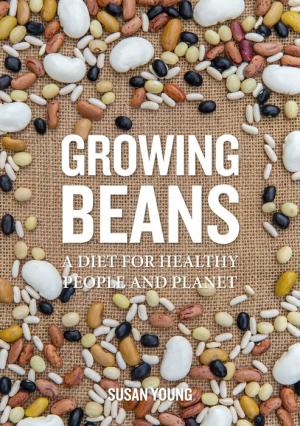
“Around the world, beans play an important cultural and nutritional role in many people’s lives. Now is the time to rally around these incredible ingredients which possess the power to address multiple challenges and propel us into a healthier future.” To learn how to grow, store, and cook a variety of beans, see the book by Susan Young titled, “Growing Beans: A Diet for Healthy People and The Planet” (2022) (see book cover below). For more information on this book, go to: https://shop.permaculture.co.uk/growing-beans.html

Finally, see the URL below for an easy recipe for Spicy Black Bean Soup from Eating Well:

https://www.eatingwell.com/recipe/256520/spicy-black-bean-soup/

Source: The Chefs’ Manifesto. Beans is how. July 20, 2022. Available at: https://sdg2advocacyhub.org/news/beans-how

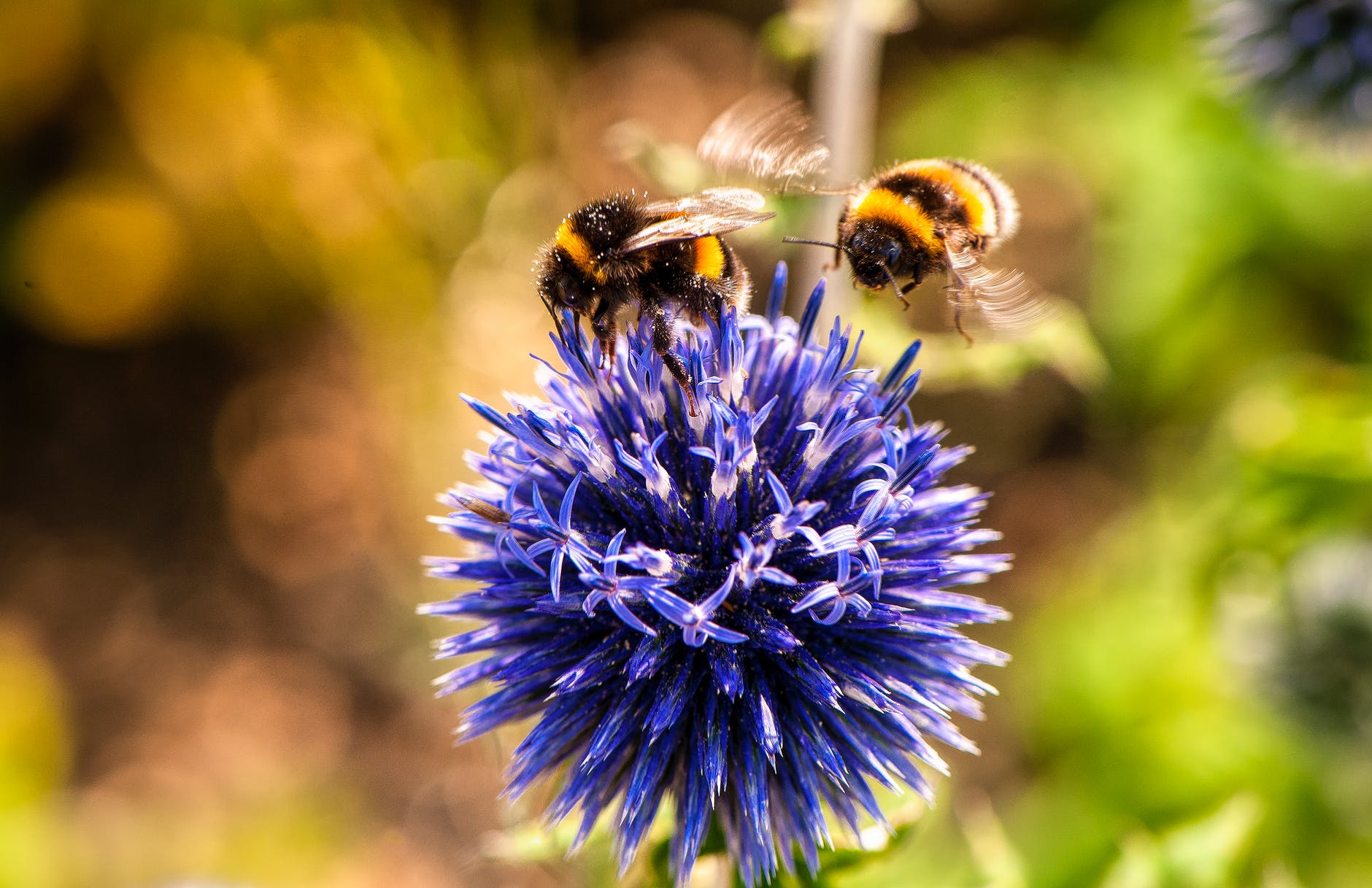
Glyphosate may be harming bumblebee hives: new research

“As bees continue to decline, scientists have found many contributors, including climate change and landscape transformation. Now they’ve added another one: glyphosate” – a broad-spectrum herbicide that is used primarily for weed control in agriculture.

A recent study published in the journal Science found that “exposure to glyphosate can impair a bumblebee’s ability to maintain hive temperature, which is critical for bees’ ability to forage and reproduce to increase colony size.”

“Anja Weidenmüller, who led the study, has been researching bumblebee thermoregulation behavior for more than a decade. For this study, Weidenmüller prioritized the long-term effects that glyphosate has on bumblebee behavior rather than looking at the immediate 24-48 hour time frame, normally used to determine if glyphosate is immediately lethal for bumblebees.

Contrary to many lab studies, the bumblebees were studied in environments of resource limitation and environmental stressors as most organisms would experience in the natural world. In fact, as bumblebees have declined, scientists have found there are multiple factors that play into this decline including climate change, landscape transformation, and harmful chemicals used on agriculture, such as pesticides. As a result, bumble bees have experienced a severe decline in recent decades: a 2021 U.S. Fish and Wildlife Service report found that over the past 20 years populations have disappeared or become rare in 16 states, and observations of the bees have declined by about 90%….”

“To imitate this complex environment, the researchers placed a brood of bees in the lab and exposed the bees to stressors such as glyphosate, and limited their sugar water to reproduce the resource limitations that they would be exposed to in agricultural landscapes.

This study found that when exposed to glyphosate for just four hours, a bumblebee’s ability to maintain brood temperature decreased by 25% when resources were limited, which could affect the health of bees and impair their ability to reproduce, leading to a decline in population.”

“[The study] highlights the importance of these multiple stressors for bees, and for their health; those risk periods of resource limitation are often not accounted for in laboratory settings,” said Emily May, Pollinator Conservation Specialist and Agricultural Lead at Xerces Society.

Extensive research has found that the conservation of bumblebees, and bees in general, is crucial for the survival of crops and wild ecosystems. Bees are effective pollinators and have been found to pollinate 80% of the world’s flowering plants, including food crops.

“We really need them to be able to have these thriving systems, both for our food production and for wild ecosystems as well,” stated May.

Food systems are largely pollinator dependent and the conservation of biodiversity can be more beneficial long term for human health and agriculture production than chemicals used in modern agriculture for food yield and pest control, researchers have found.

“Agrichemicals might not actually be all that important for increasing yields,” said James Crall, professor at the University of Wisconsin-Madison, [who] researches bees and plant-pollinator interactions. Crop pollination has been found to improve produce yield more than increased fertilization.

Although glyphosate is currently approved for use in the U.S., at least 43 countries have banned or restricted the use of products containing glyphosate. Although there is research focused on the effects of glyphosate on humans and other organisms, such as the U.S. Department of Health’s Agency for Toxic Substances acknowledgement of links between glyphosate and cancer, there are still potential long-term effects of which we may not yet be aware.”

For information on how to support pollinators, including bumblebees, see: Xerces Society for Invertebrate Conservation: https://www.xerces.org/

For additional information on promoting pollinator health, the Pollinator Partnership has numerous useful resources available at: http://www.pollinator.org. For foodies, there is a pollinator-friendly cookbook that can be downloaded free of charge at: http://www.pollinator.org/pollinated-food

Source: Yessennia Cruz M. Glyphosate may be harming bumblebee hives. Environmental Health News. July 11, 2022. Available at: https://www.ehn.org/bee-population-decline-2657613362/brood-of-bees

Citation: Weidenmüller A, Neupert S, Schwarz A, Kleineidam C. Glyphosate impairs collective thermoregulation in bumblebees. Science 2022;376:1122-1126.

Photo by Michael Hodgins on Pexels.com

UN Report: Global hunger numbers rose to as many as 828 million in 2021

The latest State of Food Security and Nutrition report (2022) shows the world is moving backwards in efforts to eliminate hunger and malnutrition.

“The number of people affected by hunger globally rose to as many as 828 million in 2021, an increase of about 46 million since 2020 and 150 million since the outbreak of the COVID-19 pandemic, according to a United Nations report that provides fresh evidence that the world is moving further away from its goal of ending hunger, food insecurity and malnutrition in all its forms by 2030. 

The 2022 edition of The State of Food Security and Nutrition in the World (SOFI) report presents updates on the food security and nutrition situation around the world, including the latest estimates of the cost and affordability of a healthy diet. The report also looks at ways in which governments can repurpose their current support to agriculture to reduce the cost of healthy diets, mindful of the limited public resources available in many parts of the world.

The report was jointly published today by the Food and Agriculture Organization of the United Nations (FAO), the International Fund for Agricultural Development (IFAD), the United Nations Children’s Fund (UNICEF), the UN World Food Programme (WFP) and the World Health Organization (WHO).

The numbers paint a grim picture:

  • As many as 828 million people were affected by hunger in 2021 – 46 million people more from a year earlier and 150 million more from 2019.
  • After remaining relatively unchanged since 2015, the proportion of people affected by hunger jumped in 2020 and continued to rise in 2021, to 9.8 percent of the world population. This compares with 8 percent in 2019 and 9.3 percent in 2020.
  • Around 2.3 billion people in the world (29.3 percent) were moderately or severely food insecure in 2021 – 350 million more compared to before the outbreak of the COVID‑19 pandemic. Nearly 924 million people (11.7 percent of the global population) faced food insecurity at severe levels, an increase of 207 million in two years.
  • The gender gap in food insecurity continued to rise in 2021 – 31.9 percent of women in the world were moderately or severely food insecure, compared to 27.6 percent of men – a gap of more than 4 percentage points, compared with 3 percentage points in 2020.
  • Almost 3.1 billion people could not afford a healthy diet in 2020, up 112 million from 2019, reflecting the effects of inflation in consumer food prices stemming from the economic impacts of the COVID-19 pandemic and the measures put in place to contain it. 
  • An estimated 45 million children under the age of five were suffering from wasting, the deadliest form of malnutrition, which increases children’s risk of death by up to 12 times. Furthermore, 149 million children under the age of five had stunted growth and development due to a chronic lack of essential nutrients in their diets, while 39 million were overweight.
  • Progress is being made on exclusive breastfeeding, with nearly 44 percent of infants under six months of age being exclusively breastfed worldwide in 2020. This is still short of the 50 percent target by 2030. Of great concern, two in three children are not fed the minimum diverse diet they need to grow and develop to their full potential.

Looking forward, projections are that nearly 670 million people (8 percent of the world population) will still be facing hunger in 2030 – even if a global economic recovery is taken into consideration. This is a similar number to 2015, when the goal of ending hunger, food insecurity and malnutrition by the end of this decade was launched under the 2030 Agenda for Sustainable Development.

As this report is being published, the ongoing war in Ukraine, involving two of the biggest global producers of staple cereals, oilseeds and fertilizer, is disrupting international supply chains and pushing up the prices of grain, fertilizer, energy, as well as ready-to-use therapeutic food for children with severe malnutrition. This comes as supply chains are already being adversely affected by increasingly frequent extreme climate events, especially in low-income countries, and has potentially sobering implications for global food security and nutrition.

“This report repeatedly highlights the intensification of these major drivers of food insecurity and malnutrition: conflict, climate extremes and economic shocks, combined with growing inequalities,” the heads of the five UN agencies wrote in this year’s Foreword. “The issue at stake is not whether adversities will continue to occur or not, but how we must take bolder action to build resilience against future shocks.”

Repurposing agricultural policies

The report notes as striking that worldwide support for the food and agricultural sector averaged almost USD 630 billion a year between 2013 and 2018. The lion share of it goes to individual farmers, through trade and market policies and fiscal subsidies. However, not only is much of this support market-distorting, but it is not reaching many farmers, hurts the environment and does not promote the production of nutritious foods that make up a healthy diet. That’s in part because subsidies often target the production of staple foods, dairy and other animal source foods, especially in high- and upper-middle-income countries. Rice, sugar and meats of various types are the most incentivized food items worldwide, while fruits and vegetables are relatively less supported, particularly in some low-income countries.

With the threats of a global recession looming, and the implications this has on public revenues and expenditures, a way to support economic recovery involves the repurposing of food and agricultural support to target nutritious foods where per capita consumption does not yet match the recommended levels for healthy diets.

The evidence suggests that if governments repurpose the resources they are using to incentivize the production, supply and consumption of nutritious foods, they will contribute to making healthy diets less costly, more affordable and equitably for all.

Finally, the report also points out that governments could do more to reduce trade barriers for nutritious foods, such as fruits, vegetables and pulses.”

Sources:  

UN Report: Global hunger numbers rose to as many as 828 million in 2021. Food and Agriculture Organization of the United Nations (FAO): Rome, Italy. July 6, 2022. Available at:  https://www.fao.org/newsroom/detail/un-report-global-hunger-SOFI-2022-FAO/en

FAO, IFAD, UNICEF, WFP, WHO. The State of Food Security and Nutrition in the World (SOFI). FAO: Rome, Italy. July 6, 2022. Available at: https://www.fao.org/documents/card/en/c/cc0639en

Climate impact of food miles up to 7 times higher than previously thought: study

Newly published research in the journal Nature Food “suggests transport accounts for one-fifth of total food-system emissions with fruits and vegetables among the most carbon-intensive.” The researchers reported that, “When the entire upstream food supply chain is considered, global food-miles correspond to about 3.0 GtCO2e (3.5–7.5 times higher than previously estimated), indicating that transport accounts for about 19% of total food-system emissions (stemming from transport, production and land-use change). Global freight transport associated with vegetable and fruit consumption contributes 36% of food-miles emissions—almost twice the amount of greenhouse gases released during their production.” (Southey, 2022).

“Food-miles emissions are driven by the affluent world,” the study says. It finds that while “high income nations” represent only about 12.5% of the world’s population, they are responsible for 52% of international food miles and 46% of the associated emissions.” “The authors also reflect on the pros and cons of buying local food – an often touted solution for reducing food emissions.

The study showed that ending all international food transport would cut food-miles emissions by just 9%, highlighting the relatively greater importance of other dietary choices in tackling the climate impact of the sector. Past studies suggest that transporting food has a small carbon footprint when compared to the rest of the food system. However, many do not account for emissions throughout the entire food supply chain. The new study aims to fill this gap and includes emissions for transporting fertilizers, machinery, and animal feed as well as the more obvious shipping and vehicle emissions from sending food products around the world.” (Tandon, 2022).

The authors concluded that in order, “[t]o mitigate the environmental impact of food, a shift towards plant-based foods must be coupled with more locally produced items, mainly in affluent countries.” (Li et al., 2022).

Look for locally-produced, seasonally-available foods at your farmers’ market. You can also start a home or community garden, and/or purchase a share through a community supported agriculture (CSA) farm. Finally, there are numerous food guides that help consumers locate locally-produced, seasonally-available foods. For example, see the comprehensive guide to purchasing sustainably-produced local foods from the Grace Communications Foundation (www.eatwellguide.org) or download a seasonal food guide, or free App, from the FoodPrint website (see below):

Seasonal Food Guide

Sources: Southey F. Climate impact of food-miles up to 7 times higher than previously thought: study. Food Navigator, June 29, 2022. Available at: https://www.foodnavigator.com/Article/2022/06/29/climate-impact-of-food-miles-up-to-7-times-higher-than-previously-thought-study

Tandon A. ‘Food miles’ have larger climate impact than thought, study suggests. Carbon Brief. June 20, 2022. Available at: carbonbrief.org

Citation: Li, M., Jia, N., Lenzen, M. et al. Global food-miles account for nearly 20% of total food-systems emissions. Nat Food 3, 445–453 (2022). https://doi.org/10.1038/s43016-022-00531-w

Pesticides are spreading toxic ‘forever chemicals,’ according to recent review

Scientists have been raising concerns for decades over the use of toxic ‘forever chemicals,’ [scientifically known as perfluoroalkyl and polyfluoroalkyl substances, or PFASs] “so called because their strong molecular bonds can take hundreds of years to completely break down in the environment. Widely used in consumer products such as cookware and clothing, these substances are turning up everywhere from drinking water to our bloodstream. And now researchers are warning of yet another—and so far underrecognized—source of these troubling toxins: common pesticides. Nearly 70 percent of all pesticides introduced into the global market from 2015 to 2020 contained these chemicals or related compounds, according to a review paper recently published in Environmental Pollution. And the surge in their use has come without a full understanding of their potential impact on the environment and human health…”

“Fluorinated chemicals, including PFASs, have been widely used in consumer products since the 1940s. But in the following decades scientists began realizing that these chemicals persisted in drinking water and human bodies, and in the 1990s the Environmental Protection Agency began investigating PFASs. Nearly every U.S. resident now carries low levels of PFASs in their blood. These chemicals have been linked to testicular and kidney cancers, reproductive disorders, thyroid disease, high cholesterol levels, reduced immune response and even increased susceptibility to COVID-19. Based on these concerns, the U.S. Congress is weighing several bipartisan bills to restrict their use in food containers and cookware and to require the EPA to take comprehensive action to prevent PFAS pollution—including setting national limits on levels in drinking water. Under the Biden administration, the EPA has published a PFAS Strategic Roadmap for addressing the crisis. Eight states have already adopted laws to ban PFASs in certain products, especially food packaging—but not in pesticides.”

To read the full article published in Scientific American, which explains this issue further, see the below link:

Source: Wilcox M. Pesticides are spreading toxic ‘forever chemicals,’ scientists warn. Scientific American, June 15th 2022. Available at: https://www.scientificamerican.com/article/pesticides-are-spreading-toxic-lsquo-forever-chemicals-rsquo-scientists-warn/?utm_source=newsletter&utm_medium=email&utm_campaign=earth&utm_content=link&utm_term=_featured-this-week&spMailingID=71727351&spUserID=NDQ5MDQwODQwNTE3S0&spJobID=2245521525&spReportId=MjI0NTUyMTUyNQS2

Citation: Alexandrino DAM, Almeida CMR, Mucha AP, Carvalho MF. Revisiting pesticide pollution: The case of fluorinated pesticides. Environ Pollut. 202 2022 Jan 1;292(Pt A):118315. doi: 10.1016/j.envpol.2021.118315.

Do carbon labels translate into fewer greenhouse gas emissions?

“Carbon labeling shifts consumer behavior. But does that actually translate to fewer emissions?” An article published in Anthropocene Magazine on June 2, 2022 titled, “Get ready for sticker shock carbon therapy” attempts to answer this question. In short, the author notes that, “If labeling is going to help wean us off carbon, it will need to overcome the fearsome complexity of emissions calculations, a lack of regulation, and public confusion over greenwashing. Here’s the latest on how—or even if—labeling can be part of our climate solution.”

Labels Launch A Virtuous Cycle 

1. A label we’re willing to pay for. Nearly three quarters of Europeans support the introduction of carbon footprint labeling on food, think it should be mandatory, and are even prepared to pay slightly more for labeled products, according to research from the University of Reading. Demand is especially high among women and those with more money and education; a small group to be sure, but one that drives many retail trends.

2.  Demand incentivizes innovation. In a recent paper in Nature Climate Change, University of Cambridge researcher Kristian Nielsen  writes: “Labeling may induce some producers to reduce emissions to score well in labeling systems and gain reputational benefits.” He points out that manufacturers reduced unhealthy trans-fats in the run-up to mandatory nutritional labeling.

3.  It works even if you don’t believe in itA fascinating study out of Sweden last year confirmed the existence of “info decliners”—people who actively avoid looking at labels with upsetting or unwanted data, whether related to animal welfare, health choices or climate change. But carbon labeling even worked on them, reducing their emissions by over 10 percent.

• • •

A Painful Process. No Guarantees.

1. Messy science. A calorie is a calorie whoever measures it, but calculating the carbon footprint of a product requires a detailed accounting of its manufacture, distribution, use, and ultimate disposal. Deciding which of those emissions end up on a carbon label is neither easy nor cheap. UK supermarket Tesco abandoned plans to carbon label the entirety of its 70,000 inventory after costs spiraled. 

2.  Messier politics. Carbon labeling has yet to find favor with many politicians around the world. In the absence of firm regulation, there are at least 31 competing carbon labels. Some are more credible than others, leading to the possibility of greenwashing—and almost certainly to consumer confusion and frustration.  

3.  Labeling without taxes doesn’t work. recent survey conducted in the UK and reported in Nature Food suggests that while labeling is helpful, only combining it with a carbon tax will significantly reduce emissions [see Faccioli et al., 2022]. This rings true: a Danish supermarket chain experimenting with sugar labels alone found they did not significantly decrease unhealthy drink sales, whereas a policy in Mexico that combined sugar labeling with a sugar tax reduced the sales of sweetened drinks by over 6 percent.

What To Keep An Eye On

1. France. Last year, the French government announced it would push forward with mandatory carbon labels on a range of high-polluting goods and services. If this effort can move the needle on consumer behavior and shift manufacturers to greener products, it could stimulate labeling efforts elsewhere.

2.  Fast food, fast changes? Simple carbon labeling in restaurants has shown promising results in shifting people’s purchases. Can the chains already stepping up help push more countries past “peak meat” to sustainable low-carbon dining?

3.  The global response. While carbon labeling is most advanced in developed countries, it is the rest of the world’s growing middle classes that will have the biggest carbon impact in years to come. China is toying with carbon labeling, in the face of concerns that mandatory labeling will further disrupt small businesses and global supply chains.

Citation: Faccioli, M., Law, C., Caine, C.A. et al. Combined carbon and health taxes outperform single-purpose information or fiscal measures in designing sustainable food policies. Nat Food 3, 331–340 (2022). https://doi.org/10.1038/s43016-022-00482-2

Source: Harris M. Get ready for sticker shock carbon therapy. Anthropocene Magazine, June 2, 2022. Available at: https://www.anthropocenemagazine.org/2022/06/get-ready-for-sticker-shock-carbon-therapy/

Which seafood causes the least damage to the planet? It’s complicated.

In a paper published in the journal Nature, Dr. Jessica Gephart and her colleagues looked at five environmental pressures for aquatic foods including: greenhouse gas emissions, nitrogen runoff, phosphorus runoff, freshwater use, and agricultural land use. The scientists examined data from 1,690 farms and 1,000 fishery records worldwide. Here is a summary of their findings, provided by the Center for Science in the Public Interest (CSPI).

Wild-caught seafood

“For wild-caught seafood, greenhouse gas emissions are the key concern.

“The biggest factor is fuel use for fishing vessels,” says Gephart. “And that depends on how the species are caught and how easy they are to catch.”

Among the winners: “Small fish like sardines, anchovies, and herrings are low on greenhouse gas emissions. So are cods, haddocks, and hakes.”

Among the losers: Lobsters and the flounder-halibut-sole group. Why?

“Both lobsters and flounders are bottom-dwelling species, which are often fished with bottom trawls that require a lot of energy,” says Gephart.

In contrast, she adds, “a lot of the cod, hake, and haddock group is represented by Alaskan pollock from U.S. fisheries that often use less energy-intensive gear and are well managed, so they’re getting good catches for each unit of effort.”

Farmed seafood

“For aquaculture, greenhouse gas emissions depend on what it takes to grow the feed and how much feed is required,” explains Gephart.

Among the questions Gephart and her colleagues asked: “Was land deforested to grow the feed? How much fish gets to market for each pound of feed? How much energy is used for pumps or aerators on the fish farm?”

Again, there were some clear winners.

“Farmed bivalves like clams, mussels, oysters, and scallops are produced in coastal areas, so their feed comes from filtering wild phytoplankton in the water, rather than requiring feed inputs,” says Gephart.

“Salmon and trout are also pretty low on greenhouse gas emissions. That’s because they’ve been bred to be efficient at turning feed into meat.”

Tilapia, shrimp, and catfish have higher emissions. “Tilapia falls close to chicken,” says Gephart.

How does wild compare with farmed?

It depends.

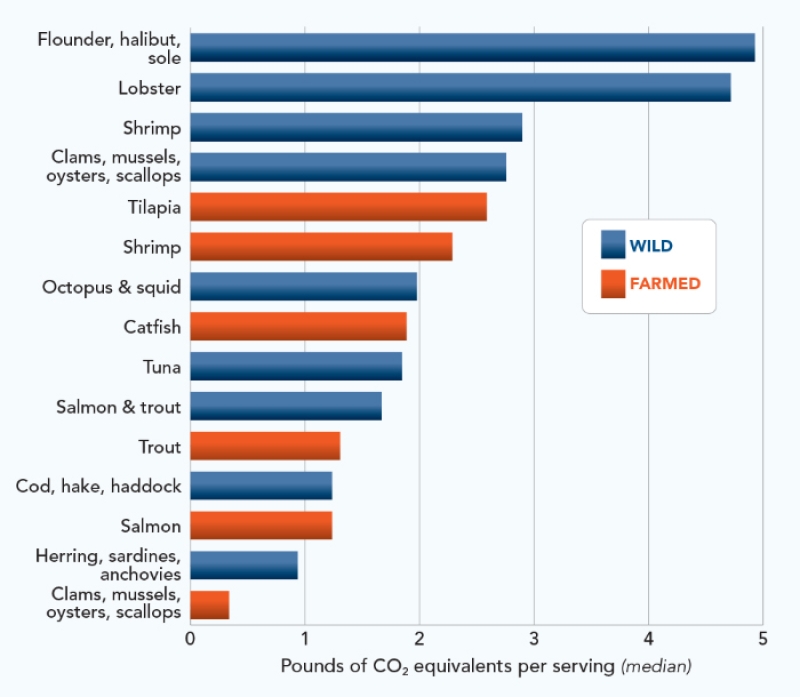
“Greenhouse gas emissions for salmon and trout are similar, whether you’re talking about wild or farmed,” says Gephart, “whereas shrimp and bivalves have lower emissions if they’re farmed than if they’re wild-caught.” See Figure 1 below, “Fishing for greener seafood.”

It should be noted that this study didn’t address other concerns such as “lost biodiversity, shrinking fish populations, antibiotic resistance, and bycatch—when other fish, dolphins, or other animals get caught in fishing gear.”

So what can consumers do?

“If you don’t have a retailer who’s working with farmers or fishers, the Monterey Bay Aquarium Seafood Watch is a great place to look,” says Gephart. Its website divides seafood into “Best Choice,” “Certified,” “Good Alternative,” and “Avoid” categories.”

For additional information, see the Seafood Food Label Guide from FoodPrint:

Other FoodPrint seafood resources include:

Sustainable Seafood

Learn more about the impacts of the types of seafood you eat – and the guides that can help you make better seafood choices

Excerpt:

Monterey Bay Aquarium’s Seafood Watch Guide (easy to navigate and has a great app)

Seafood Slavery Risk Tool

Find a Community Supported Fishery

Learn more about sustainable fish farming and the recirculating farms coalition

At the fish counter? Here are some questions to ask…

And

Tips for Buying and Cooking Sustainable Fish

Citation: Gephart JA., Henriksson PJG, Parker RWR. et al. Environmental performance of blue foods. Nature 597, 360–365 (2021). https://doi.org/10.1038/s41586-021-03889-2.

Source: Liebman B. Which seafood causes the least damage to the planet? It’s complicated. Center For Science in The Public Interest. March 28, 2022. Available at: https://www.cspinet.org/article/which-seafood-causes-least-damage-planet-its-complicated

Figure 1. Fishing for greener seafood

Aim for seafood with low greenhouse gas emissions. Farmed fish have other costs such as nitrogen and phosphorus runoff, but they’re typically lower than that of chicken.

Photo: Source: Nature 597: 360, 2021.

Declining greenhouse gas emissions in the US diet (2003–2018): Drivers and demographic trends: new research

New research published in the Journal of Cleaner Production reported that, “From 2003 to 2018, the mean GHG emissions associated with the US diet fell by more than 35%, from 4.02 kg CO2e per day per capita, to 2.45 kg CO2e per day per capita, despite average caloric intake remaining relatively stable over the same period. Average beef consumption declined 40% per capita over the study period, which contributed to more than 50% of the observed GHG savings in the diet over the study period.

All demographic variables included in this analysis (age, gender, race/ethnicity, and ratio of family income to the federal poverty level) exhibited a reduction in GHG emissions associated with their diets. However, GHGs and overall rate of change differed across demographic subgroups. Black women had the lowest GHG emissions associated with their diet, 1.92 kg CO2e per capita per day. Men aged 20–34 had the largest rate of reduction in GHGs associated with diet changes, with an average annual decline of 210g CO2e per day per capita over the study period.

Despite GHGs associated with the US diet falling over the last 15 years, the US diet is still exceeding established GHG limits to meet global targets, such as the Paris Agreement. Additional research is needed to better understand motivations and drivers that have reduced emissions in the diet over this period, particularly in demographic subgroups that showed both low impact and a rapid decline in emissions.”

Source:

https://www.sciencedirect.com/science/article/pii/S0959652622010861

Citation: Clare Bassi, Rachael Maysels, Rob Anex, Declining greenhouse gas emissions in the US diet (2003–2018): Drivers and demographic trends, Journal of Cleaner Production, Volume 351, 2022, 131465, https://doi.org/10.1016/j.jclepro.2022.131465.

Photo by Ella Olsson on Pexels.com

 A shrinking fraction of the world’s major crops goes to feed the hungry, with more used for nonfood purposes: new research

“Rising competition for many of the world’s important crops is sending increasing amounts toward uses other than directly feeding people. These competing uses include making biofuels; converting crops into processing ingredients, such as livestock meal, hydrogenated oils and starches; and selling them on global markets to countries that can afford to pay for them.

In a newly published study, [it is estimated] that in 2030, only 29% of the global harvests of 10 major crops may be directly consumed as food in the countries where they were produced, down from about 51% in the 1960s. We also project that, because of this trend, the world is unlikely to achieve a top sustainable development goal: ending hunger by 2030.

Another 16% of harvests of these crops in 2030 will be used as feed for livestock, along with significant portions of the crops that go to processing. This ultimately produces eggs, meat and milk – products that typically are eaten by middle- and upper-income people, rather than those who are undernourished. Diets in poor countries rely on staple foods like rice, corn, bread and vegetable oils.

The crops that we studied – barley, cassava, maize (corn), oil palm, rapeseed (canola), rice, sorghum, soybean, sugar cane and wheat – together account for more than 80% of all calories from harvested crops. Our study shows that calorie production in these crops increased by more than 200% between the 1960s and the 2010s.

Today, however, harvests of crops for processing, exports and industrial uses are booming. By 2030, we estimate that processing, export and industrial-use crops will likely account for 50% of harvested calories worldwide. When we add the calories locked in crops used as animal feed, we calculate that by 2030, roughly 70% of all harvested calories of these top 10 crops will go to uses other than directly feeding hungry people…

[T]he broader goal should be raising more crops in food-insecure countries that are used directly as food, and increasing their yields. Ending poverty, the U.N.‘s top sustainable development goal, will also enable countries that can’t produce enough food to meet their domestic needs to import it from other suppliers. Without more focus on the needs of the world’s undernourished people, eliminating hunger will remain a distant goal.”

Citation:

Ray, D.K., Sloat, L.L., Garcia, A.S. et al. Crop harvests for direct food use insufficient to meet the UN’s food security goal. Nat Food (2022). https://doi.org/10.1038/s43016-022-00504-z

27% of all land-use emissions are related to agricultural products consumed in a different country than they were produced

Researchers have for the first time quantified rising land-use emissions embodied in the international trade of specific agricultural products like beef that results in deforestation. “International trade allows goods and services produced in one country to be consumed elsewhere, separating consumption from its environmental impacts, including greenhouse gas emissions from agriculture and land-use change (together referred to as “land-use emissions”).”

“Annually, 27% of land-use emissions and 22% of agricultural land are related to agricultural products ultimately consumed in a different region from where they were produced. Roughly three-quarters of embodied emissions are from land-use change, with the largest transfers from lower-income countries such as Brazil, Indonesia, and Argentina to more industrialized regions such as Europe, the United States, and China…” The findings are based on a new study published in the journal Science.

“These land-use emissions are substantial enough to threaten international climate goals even if fossil fuel emissions are drastically reduced,” the paper stated… A model the researchers created based on trade and agricultural data found that between 2004 and 2017, land-use emissions in international trade increased 14%.”

“The land-use change problem needs to be front and center on our radar,” said Steven Davis, a co-author of the paper and an associate professor of Earth system science at the University of California at Irvine. Davis and other scientists said wealthy nations are outsourcing land-use emissions to countries such as Brazil and Indonesia. “In places like the US or Europe, there’s very little land-use change going on for agriculture because we did our deforestation earlier in our history,” said Davis.

Timothy Seachinger, a senior research scholar at Princeton University and technical director of the World Resources Institute food program, studies agriculture land use and climate change. He said policies designed to lower greenhouse emissions from transportation in developed nations are increasing land-use emissions as woodlands are converted to grow crops for biofuels…

The paper sends an important message about the responsibility for land-use emissions, he added. “People think it’s just some kind of perverse activity by developing countries chopping down forests,” said Searchinger. “What’s driving this is demand for products” in the US, Europe and China.

Davis and his colleagues determined that cereals and oil crops, such as soybean and palm oil, accounted for 45% to 55% of land-use emissions in international agriculture trade between 2004 and 2017. Cattle, pigs and other animals represented 14% to 19% of emissions while fruits and vegetables were responsible for less than 8%.”

“As noted elsewhere, soybeans are the largest global source of protein for livestock feed. China’s soybean import from Brazil has surged by 2,000% since 2000. Most of which is used for animal feed to support rising meat consumption.”

“Searchinger said governments can lower land-use emissions by adopting policies to reduce reliance on biofuels and lower demand for meat. Imposing tariffs on products with high land-use emissions is another option, said Davis.

The opaqueness of food supply chains can make it difficult for consumers to avoid carbon-rich foods, said Davis. Palm oil, for instance, is a ubiquitous ingredient in many foods, from bread and margarine to cookies and ice cream, and its cultivation has resulted in widespread deforestation in Indonesia.” For more information on RSPO certified sustainable palm oil, go to: https://www.wwf.org.uk/updates/8-things-know-about-palm-oil

These authors concluded that “Mitigation of global land-use emissions and sustainable development may thus depend on improving the transparency of supply chains.”

To access the newly published research article described here, see below URL:

Hong C, Zhao H, H, Qin Y, et al. Land-use emissions embodied in international trade. Science 2022;376:597-603.

https://www.science.org/doi/10.1126/science.abj1572

Sources: Woody T. The climate threat hidden in your hamburger. Bloomberg. May 20, 2022. Available at: bloomberg.com. Hein T. The soybean situation: 2021 and beyond. Poultry World. April 2022. Available at: poultryworld.net