A newly published report titled: “Grains of Truth 2024:Taste Price Optimism & Obstacles: Habit Convenience Health” reveals a mixed picture of progress and challenges in the global food system. The report highlights the growing interest in plant-based diets, with 68 percent of people worldwide expressing a desire to eat more plant-based foods. However, only 20 percent of global respondents report consuming plant-based foods on a regular basis, which is a slight decline from 23 percent in 2023. As noted in the newly released report, “This growing disparity underscores the need to address persistent barriers such as food affordability, flavor (taste), and accessibility to accelerate the much-needed shift towards healthy and sustainable diets that support people and planet.” (GlobeScan and EAT, January 30, 2025).
The new Grains of Truth 2024 Report was published by GlobeScan in partnership with EAT. (See Figure 1 below).
Figure 1: Grains of Truth 2024 – Taste Price Optimism & Obstacles: Habit Convenience Health
See Figure 2 for the frequency of healthy and plant-based food consumption over the past three years (from 2021-2024).
Figure 2: Frequency of Healthy and Plant-Based Food Consumption from 2021-2024
“The report emphasizes the importance of targeted action, including on issues such as subsidies for plant-based food production, investments in product innovation to improve taste and nutritional value, and localized education campaigns to address regional concerns. Consumers also see the need for greater transparency through clear labeling and third-party certifications to help build consumer trust and confidence in the sustainability claims of plant-based products.” (GlobeScan and EAT, January 30, 2025)
“The findings of this year’s report confirm the growing awareness of how food systems impact the health of people and the planet. However, barriers such as affordability, flavor, and access continue to stand in the way of progress. Governments, food producers, and other stakeholders must act boldly to ensure plant-based diets are affordable, appealing, and accessible for all.”
Dr. Gunhild Stordalen, EAT Co-founder and Executive Chair
“This report highlights a crucial moment in our global dietary shift. While consumers are ready for change, barriers like price, convenience, flavor, and trust remain. By uniting governments, food producers, and consumers, we can overcome these challenges and leverage plant-based diets to fight climate change and food insecurity. With the right policies and innovations, we can achieve a healthy, sustainable, and equitable world for all.”
Chris Coulter, GlobeScan CEO
About The Report
This is the fourth edition of the Grains of Truth report series, the global consumer initiative, which is conducted by GlobeScan in partnership with EAT.
This year the study looks at the impact of the cost of living on access and views on healthy and sustainable food, as well as the actors who can make the most change.
The report is based on insights from over 30,000 consumers across 31 markets.
You can access the full report at:
Grains of Truth 2024: Taste, Price, Optimism & Obstacles: Habit Convenience Health
A newly published review by Pashaei et al. (2024) concludes that the mushroom is a good nutritional and environmental meat substitute as it has less environmental impact, including lower carbon, water, and land footprints compared to red meat, including beef and mutton (lamb) (Pashaei et al., 2024).
Nutritional benefits of mushrooms
In terms of mushrooms’ nutritional benefits and adequacy, “The protein composition of mushrooms [is known] for its completeness and similarity to animal-based proteins. Mushrooms contain all nine essential aminos acids (EAAs), which are amino acids that the human body cannot synthesize and must obtain from food. (Pashaei et al., 2024).
Mushrooms offer a “complete protein profile with all essential aminos acids, making them a nutritionally valuable protein source,” including for vegetarians and vegans. (Pashaei et al., 2024). These authors further note that: “mushrooms have a high content of branched-chain amino acids (BCAA), which are typically found in higher quantities in animal-based proteins” (Pashaei et al., 2024). “BCAA [branched-chain amino acids] include leucine, isoleucine, and valine, and they are important for muscle growth and repair (Ayimbila et al., 2023; Pashaei et al., 2024).” “Mushrooms contain a variety of non-essential amino acids, including glutamic acid.” (On et al., 2021)
Mushrooms provide essential nutrients such as selenium, potassium, riboflavin, niacin, Vitamin D, and fiber, and they are low in calories, fat, and sodium (Pashaei et al., 2024). Mushrooms have also been associated with numerous nutraceutical properties, including the prevention and treatment of conditions such as Parkinson’s disease, Alzheimer’s disease, hypertension and increased risk of stroke (Pashaei et al., 2024).
Potential health benefits of mushrooms
A reviewed by Singh et al. (2023) observed that: “edible medicinal mushrooms can be used as promising healthier meat alternatives as they provide natural meat texture, flavors and are also rich in proteins, essential amino acids, B-glucans, vitamins, minerals, polyphenols, and antioxidants. Mushrooms have proven medicinal benefits including anticancer, immunomodulatory, antiviral, antihypertensive, antidiabetic, and anti-inflammatory properties.”
Market demand for healthier meat alternatives is being driven by increased awareness among consumers about environmental sustainability and health concerns attributed to high meat intake. (Singh et al., 2023). In general, the need for meat alternatives is being driven because of growing concerns related to diet, health, environment and climatic factors (Singh et al., 2023).
Environmental benefits of mushrooms
See Figure 1 for the carbon footprint and water footprint of mushroom and red meat per kilogram (kg) (Pashaei et al., 2024).
Figure 1: Carbon footprint and water footpring of mushroom and red meat per kilogram (kg) (Pashaei et al., 2024)
Key motivators for consumption of meat alternatives/substitutes including mushrooms
The key motivating factors and demotivating factors for consumption of meat alternatives, including meat substitutes or analogs, are outlined in Figure 2 below. Thus, it is argued by Singh et al. (2023) that edible mushroom-based meat analogs have great potential since they have tremendous potential to target both meat eaters and non-meat eaters: meat eaters (traditional eaters), meat reducers (flexitarians) and meat avoiders (vegetarians and vegans). (Singh et al., 2023; Apostolidis & McLeay, 2016).
Figure 2: Key motivating factors and demotivating factors for consumption of meat alternatives, including meat sustitutes and analogs (Singh et al., 2023)
Affordability
In terms of barriers to mushroom consumption, although mushrooms are cheaper than red meat on a per-weight basis, they are more expensive when considering the amount of protein and energy provided. Hence, Pashaei et al (2024) concluded that although mushrooms may offer significant environmental and nutrition benefits as a meat substitute, mushrooms may not be a cost-effective option for all income groups. Therefore, these scientists recommend that governments adopt policies to utilize mushrooms as an economic meat alternative and source of protein for all consumers, including those who are low-income (Pashaei et al., 2024).
To get started with substituting meat for mushrooms in your meals, here are a few resources for a range of recipes that will help get you started in your journey to cooking dishes and delicious meals with mushrooms.
Pashaei KHA, Irankhah K, Namkhah Z, et al. Edible mushrooms as an alternative to animal proteins for having a more sustainable diet: a review. Journal of Health, Population and Nutrition. 2024;43:205.
Singh U, Tiwari P, Kelkar S, et al. Edible mushrooms: A sustainable novel ingredient for meat analogs. eFood. 2023;4e122.
On JO, Bassey GA, Agba-M-IO, et al. Amino acids composition of some wild edible mushrooms from the southern cross river state, Nigeria. Asian J Biology. 2021;12(2):24-32.
Ayimbila F, Keawsompong S. Nutritional quality and biological application of mushroom protein as a novel protein alternative. Current Nutr Rep. 2023;12(2):290-307.
Apostolidis C, McLeay F. Should we stop meating like this? Reducing meat consumption through substitution. Food Policy. 2016;65:74-89.
“A national survey found that discarded frozen items make up about 6% of wasted household food in the United States. Based on frozen food’s relatively small contribution to food waste and other findings in the study, researchers say urging consumers to stock their freezers might be one way to prevent premature disposal of food.
Results showed that though overall food waste remained high, there was a bright spot: Freezing food was associated with less food landing in the trash.” (Caldwell, 2024; Xu and Roe, 2024)
“We found that households with home freezing behaviors are more likely to have less food waste than other households,” said Lei Xu, first author of the paper and a postdoctoral scholar specializing in agricultural and food economics at The Ohio State University. (Caldwell, 2024; Xu and Roe, 2024)
“Food waste is not just an economic loss—it also causes environmental damage because more than 90% of wasted food goes to the landfill, and this can produce greenhouse gas emissions,” Xu said. “The findings suggest that in the future, if we can encourage households to have home freezing behaviors, this small change in food storage habits can have a large environmental impact.”
“Xu completed the study with graduate student Ran Li and senior author Brian Roe, professor in the Department of Agricultural, Environmental and Development Economics at Ohio State. The research was published recently in the British Food Journal.” (Xu and Roe, 2024; Caldwell, 2024)
“Roe has been studying household food waste for years, but this is the first study to tease out where frozen food fits into the food waste picture. Recent estimates have suggested about 30% of food in the United States is wasted, but other research led by Roe suggests consumer food waste is trending upward.” (Caldwell, 2024; Xu and Roe, 2024)
“The fact that food waste is still increasing may suggest to policymakers that campaigns could be useful to educate households about balancing purchasing behavior and making the most of the food they buy,” Xu said.
“The current study data comes from frozen food-related questions added to the summer 2022 wave of the U.S. National Household Food Waste Tracking Survey in which 1,067 households participated. Respondents were asked to estimate the percentage of all discarded food in the previous seven days that had been frozen and whether it was bought frozen or was unfrozen and placed in the freezer later. They also reported the typical frequency of buying frozen foods.
The responses indicated that 85% of U.S. households buy frozen foods and among those, 55% of participants reported they purchased frozen food to reduce waste. Frozen food purchasers were more likely to shop infrequently—two to three times per month—and were more likely to be living in households with annual income of under $50,000. The most common categories of discarded frozen foods were meat (20% of total frozen food waste), vegetables (22%) and potatoes and grains (15% each).” (Caldwell, 2024; Xu and Roe, 2024)
“Based on what we’re seeing among households, we still have space to increase awareness to save food by using freezing behavior,” Xu said.
“Data showed a link between frequent home freezing and significantly less total food waste. Respondents most likely to freeze fresh items or extra food were aged 45 years and older and living in households of three or more people—a possible sign, the authors said, that consumers with a home freezing routine may be more experienced at managing meals for a group and motivated to avoid food waste.” (Caldwell, 2024; Xu and Roe, 2024)
What the team considered somewhat surprising—and enlightening—was the finding that about 30% more of wasted frozen food was discarded from the refrigerator than from the freezer.
“Thinking about why that happens, it might mean they don’t understand food storage techniques and don’t understand how long they should keep certain foods and where they should put it,” Xu said. “This suggests more explicit food storage instructions on food labels could educate consumers about how to correctly store foods to reduce waste.”
“Trends in the data suggest that consumer education about the freezer’s role in saving food could make a difference economically and environmentally, Xu said, and also help address the societal problem of food insecurity experienced by 10% of U.S. households.”
“Half of consumers buy frozen food to reduce waste. What about the other half?” she said. “We want to increase social awareness of how to save food, and explain how people use frozen food and home freezing techniques to save food. And freezing is one of the most accessible techniques because essentially all households have a refrigerator and freezer.” (Caldwell, 2024; Xu and Roe, 2024)
Below are some tips from the University of British Columbia (December 2024) for reducing food waste during the holiday season and all year round:
What are some tips for reducing food waste?
To get you started with reducing food waste, here are some simple tips to try:
Plan your meals, including planning to eat enough rather than to excess. This can be difficult during the holidays because we want to be good hosts by having lots of food, but having the perfect amount helps reduce waste
Eat more locally produced, plant-based foods including climate-friendly plants like millet and legumes
Search online recipes for dishes that use foods left over in your fridge
Commit to eating your leftovers and freeze portions early so they’re fresh—and before you get sick of them!
Share food with your neighbors or folks in your neighborhood who may be alone on the holidays
When eating meat, think about reducing the quantity and sourcing sustainable options
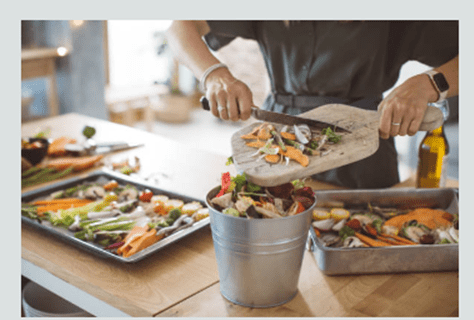
Freeze your vegetable scraps like onion skins, the ends of carrots, old herbs etc. to make yummy winter soup stock
Heavy Duty Bags for Freezing and Stacking Flat
Figure 1. Thick, reusable silcone bags can help prevent freezer burn
How can we foster more sustainable food habits this holiday season?
Composting and recycling are important. But ultimately, we need to consume less. You can see the waste you’re producing every week as well as your purchasing behaviors, which means you can identify how and what to change. Here are some ideas:
When grocery shopping, plan ahead and pick up raw ingredients and items with less plastic wrapping
Make cookies or candied nuts as a unique personal gift. This can help reduce our reliance on highly processed foods and support home-cooked foods
Consider switching to healthy beverages that contain less processed sugar, such as hot apple cider or iced tea (unsweetened)
Gift a cooking class or a second-hand cookbook to yourself or others to get inspired with creating new.
References
Xu, L., Li, R., Roe, B. Frozen food purchasing and home freezing of fresh foods: associations with household food waste.” British Food Journal. 2024;126(12): 4260-4276. https://doi.org/10.1108/BFJ-02-2024-0147
Beans and peas rank best as meat and milk replacement from nutritional, health, environmental, and cost perspectives, a new study published in the journal Proceedings of the National Academy of Sciences (PNAS) has found. “They outperformed processed products like veggie burgers and plant milks, but also lab-grown meat which ranked worst.” (Springmann, 2024; Environmental Institute for Change at the University of Oxford, 2024)
“The study, led by Dr Marco Springmann from the Environmental Change institute at the University of Oxford and the Institute for Global Health at University College London, combined nutrition, health, environmental, and cost assessments to compare the impacts of meat and milk with replacement products. The study assessed traditional products such as tofu and tempeh, processed alternatives such as veggie burgers and plant milks, prospective products such as lab-grown beef, as well as unprocessed foods such as soybeans and peas.
The findings show that unprocessed plant-based foods such as soybeans, peas, and beans are best suited for replacing meat and dairy. Choosing legumes over meat and milk would reduce nutritional imbalances in high-income countries like the UK, US, and Europe by half, mortality in particular from diet-related diseases by a tenth, the environmental impacts of diets such as greenhouse gas emissions, land use, and water use by more than half, and costs by more than a third.” (Springmann, 2024; Environmental Change Institute at the University of Oxford, December 2024)
Dr Springmann said:
“Reducing meat and dairy in high-income countries is essential for limiting climate change, biodiversity loss, and improving health. Our study shows that a range of foods and food products exist that would have multiple benefits when replacing meat and dairy in current diets.”
“Despite not being the front runner, processed plant-based foods such as veggie burgers and plant milks still resulted in substantial benefits when replacing meat and dairy, but the emissions reductions and health improvements were a fifth to a third less than when choosing unprocessed legumes, and costs to the consumer were a tenth higher than those of current diets.”(Springmann, 2024; Environmental Change Institute at the University of Oxford)
Dr Springmann added:
“Unprocessed legumes such as peas and beans were the clear winner in our assessment. They performed well from all perspectives, including nutritional, health, environmental, and cost. But a surprising runner-up was tempeh, a traditional Indonesian food made from fermented soybeans, which retains much of the nutritional properties of soybeans without much processing or additives. This and the relatively low cost gave it an edge over more processed alternatives such as veggie burgers.” (Springmann, 2024; Environmental Change Institute at the University of Oxford, December 2024)
Soybeans and peas for the win
“The study, published in [the scientific journal, Proceedings of the National Academy of Sciences] PNAS, compares how replacing meat and dairy with plant alternatives would impact nutrition, health, economics and the environment. “
“We considered comparisons along multiple and complementary units of measurement, including per serving and calorie; and we included comparisons per product as well as per overall diets in dedicated replacement analyses,” details the report.
The study states that unprocessed plant-based foods “were the best overall performers for replacing meat and dairy in high-income countries.” Obtaining the same levels of calories from peas and soybeans instead of animal products reduced nutritional imbalances (48%), mortality (11%), food-related greenhouse gas emissions (60%), land use (56%), water use (43%) and diet costs (41%).
Processed alternatives such as veggie burgers and soy milk did not have the same benefits in health, costs and greenhouse gas emissions, but they were linked to reduced land and water use. Moreover, the research links these products to 33% greater improvements in nutritional imbalances by complementing nutrients, such as vitamin B12.” (van Hal, 2024; Springmann, 2024)
Nutrient intake of plant-based foods
“The University of Oxford research assessed the intake of various macro- and micronutrients, focusing on key nutrients where people generally fail to meet recommendations. Switching to plant-based foods helped reduce mortality (5–6%) and lower nutritional imbalances from 10% to 5–6%.”
“The main nutrient changes were lower saturated fat intake (41%) and increases in fiber (20%) and potassium (12%). The study also found smaller reductions in zinc (8%), vitamin A (6%) and vitamin B12 (4%) intake. “
“Soybeans, peas and beans were the plant-based products most strongly linked to these health benefits, followed by veggie burgers, tempeh, veggie sausages and tofu. Soybeans, almonds, almond milk, oat milk and soy milk offer the largest reductions in nutritional imbalances among milk alternatives.” (van Hal, 2024; Springmann, 2024)
“The study calls for supportive public policies and food environments to increase consumption of plant-based alternatives. Although unprocessed plant-based foods performed best in the assessment, the author cautions that replacing meats with soybeans could increase nutritional deficiencies such as vitamin B12.
Moreover, many processed meat alternatives are classified as ultra-processed foods, which have been linked to overeating and weight gain in randomized controlled trials.” (van Hal, 2024; Springmann, 2024)
Increasing uptake
“The author expects that increasing uptake of assessed plant-based alternatives might be contingent on supportive public policies and food environments.”
“Increasing consumption of legumes, for example, could benefit from public information campaigns such as national guidelines outlining how they can form part of healthy and sustainable meals, alignment of agricultural subsidies and business approaches that focus less on single products, but on integrating legumes in meals and diets,” reads the report.
“The high prices of processed plant-based foods limit consumers’ uptake of them. In addition to scaling and improving production, the study suggests that a “true cost approach,” integrating health and environmental costs into prices, could help signal meat and dairy’s health and environmental benefits.”
The study also warns that replacing all meat and dairy with one or two alternative foods could increase pressures on natural resource use. “Adopting a whole diet perspective could address such issues of overreliance by diversifying replacement foods and balancing nutritional, environmental and cost aspects at the level of diets and meals,” it concludes.” (van Hal, 2024; Springmann 2024)
See the link below for a quick vegetarian version of the Brazilian national dish known as feijoada. This vegetarian stew entices the eye with the colorful contrast of black beans and sweet potatoes and pleases the palate with nourishing ingredients. Perfect for any family dinner or celebration with guests!
Springmann M. A multicriteria analysis of meat and milk alternatives from nutritional, health, environmental, and cost perspectives. Proc Natl Acad Sci U S A. 2024;121(50):e2319010121. doi: 10.1073/pnas.2319010121.
In a 30-year study of American adults published in The American Journal of Clinical Nutrition (Glenn et al., 2024), “researchers found that individuals who consumed the highest ratio of plant-based protein to animal-based protein had a 19% lower risk of cardiovascular disease (CVD) and a 27% lower risk of coronary heart disease (CHD) compared to those with the lowest ratio. The findings suggest that a plant-to-animal protein ratio of at least 1:2 is effective in preventing CVD, while an even higher ratio of 1:1.3 may be necessary to protect against CHD.” (Ionescu, 2024; Glenn et al., 2024)
Plant protein and heart health
“The research is the first of its kind to investigate how the specific ratio of plant to animal protein impacts heart health.
“The average American eats a 1:3 plant to animal protein ratio. Our findings suggest a ratio of at least 1:2 is much more effective in preventing CVD. For CHD prevention, a ratio of 1:1.3 or higher should come from plants,” said Glenn.” (Ionescu, 2024; Glenn et al., 2024)
Three decades of data
“The researchers analyzed 30 years of dietary, lifestyle, and heart health data from nearly 203,000 men and women enrolled in the Nurses’ Health Studies I and II and the Health Professionals’ Follow-up Study.
Participants reported their dietary intake every four years. The team calculated each participant’s total daily protein intake in grams, as well as their specific consumption of animal and plant proteins.
During the study period, there were 16,118 documented cases of CVD, including over 10,000 CHD cases and more than 6,000 stroke cases.” (Ionescu, 2024; Glenn et al., 2024)
Risk reduction with plant proteins
After adjusting for participants’ health history, demographic, and lifestyle factors, the study found that a higher ratio of plant to animal protein was associated with lower risks of CVD and CHD.
Compared to those who consumed the lowest plant-to-animal protein ratio (~1:4.2), individuals with the highest ratio (~1:1.3) experienced a 19% reduction in CVD risk and a 27% reduction in CHD risk.
These benefits were even greater among participants who consumed more protein overall. Those who obtained 21% of their energy from protein and maintained a higher plant-to-animal protein ratio saw a 28% lower risk of CVD and a 36% lower risk of CHD, compared to those consuming 16% of their energy from protein.” (Ionescu, 2024; Glenn et al., 2024)
Substituting meat with plant-based sources
“No significant associations were found between stroke risk and the protein ratio; however, substituting red and processed meats with plant-based sources like nuts was linked to a reduced risk of stroke.
The researchers explored whether there is a point where increasing plant protein intake no longer provides additional benefits or could have negative effects.
They found that the risk reduction for CVD begins to level off around a 1:2 ratio of plant to animal protein, but the risk of CHD continues to decrease at higher ratios.” (Ionescu, 2024; Glenn et al., 2024)
Dietary changes for heart health
“According to the researchers, these risk reductions are likely due to replacing red and processed meats with plant protein sources, especially nuts and legumes.”
“Such dietary changes have been shown to improve cardiometabolic risk factors like blood lipid levels, blood pressure, and inflammatory biomarkers. Plant proteins are often rich in fiber, antioxidant vitamins, minerals, and healthy fats, which contribute to these benefits.”
“Most of us need to begin shifting our diets toward plant-based proteins,” said senior author Frank Hu, Fredrick J. Stare Professor of Nutrition and Epidemiology at Harvard Chan School.
“We can do so by cutting down on meat, especially red and processed meats, and eating more legumes and nuts. Such a dietary pattern is beneficial not just for human health but also the health of our planet.”
“The researchers emphasized that the ratios identified are estimates, and additional studies are necessary to determine the optimal balance between plant and animal protein. Further research is also needed to understand how protein intake may affect stroke risk.” (Ionescu, 2024; Glenn et al., 2024)
Glenn AJ, Wang F, Tessier AJ, Manson JE, Rimm EB, Mukamal KJ, Sun Q, Willett WC, Rexrode KM, Jenkins DJ, Hu FB. Dietary plant-to-animal protein ratio and risk of cardiovascular disease in 3 prospective cohorts. The American Journal of Clinical Nutrition. 2024;120(6): 1373-1386
A new review published in the journal Frontiers in Cellular and Infection Microbiology has concluded that microplastics may alter gut health (Bora et al., 2024). Microplastics are small particles of plastic less than five millimeters long; they are found in many food and beverage products including beer. They are also present in water bottles, seafood, table salt, and fruits and vegetables. Consumption of food and beverages is one of the main ways that individuals ingest microplastics (Bambridge-Sutton, 2024).
According to the researchers (Bora et al., 2024), when microplastics accumulate in the gastrointestinal tract (where they remain for a long time due to their resistance to digestion) dysbiosis can occur, which is an imbalance between beneficial and harmful, pathogenic bacteria. Such an imbalance has been linked to numerous health conditions such as weakened immunity, impaired gut function and increased risk of gastrointestinal disorders. (Bambridge-Sutton, 2024; Bora et al., 2024)
“Gut dysbiosis may lead to inflammatory responses and increase gut permeability, leading to the condition often known as ‘leaky gut.’ This can lead to leakage of pathogens into circulation, potentially resulting in autoimmunity (where the body’s immune system attacks the body’s own tissues). Microplastics also exacerbate this through microabrasions in the gut lining. They may also carry chemicals such as heavy metals and persistent organic pollutants (POPs) which can further damage the gut lining.” (Bambridge-Sutton, 2024; Bora et al., 2024)
Microplastics can disrupt the gut-heart axis and gut-kidney access, which are important components of heart and kidney health. In addition, the presence of microplastics can result in systemic inflammation, which in turn can lead to diabetes, obesity as well as cardiovascular and autoimmune diseases. Finally, according to this newly published review, microplastics may lead to imbalances in energy storage and expenditure. (Bambridge-Sutton, 2024; Bora et al., 2024)
The authors recommend that policy makers respond with improvements in public policy including regulating plastic production and disposal more effectively, improving waste management, and developing alternatives to plastic such as biodegradable materials. Finally, it is recommended that microplastic levels in air, water, and food be monitored, water be filtered, and air quality be improved (Bambridge-Sutton, 2024; Bora et al., 2024)
How to Limit Plastic Pollution: Strategies that Work
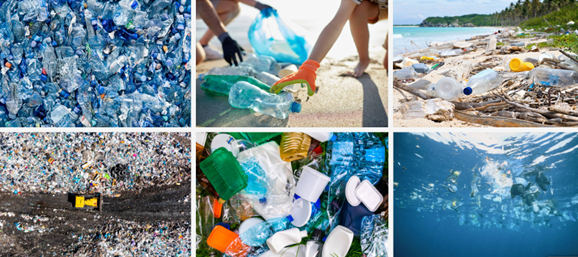
There are several evidence-based strategies that can help stop plastic pollution (Jones, 2024). Of course, some of these strategies come with caveats and/or unexpected consequences demonstrating that such policies, once adopted, need to be monitored over time. These strategies include 1) banning single-use plastics; 2) taxing plastics and/or requiring plastic producers pay a fee to encourage recycling, 3) cut down on microplastic use (Jones, 2024) and 4) limit the use of plastic in your kitchen (Nowell, 2024). Learn more below about each of these strategies to limit plastic pollution.
Ban single-use plastics
“More than 90 nations and territories have passed full or partial bans on single-use plastic products such as carrier bags. These bans can be very effective. One analysis showed that bans in five US states and cities together cut consumption of single-use plastic bags by about six billion bags per year. Several studies have also shown huge reductions in plastic litter in waterways, says McCauley. Even fees can work. A litter survey in the United Kingdom found that the number of plastic bags found on beaches dropped by 80% after the nation introduced a mandatory fee for single-use carrier bags, although other forms of litter had increased.
But bans that are poorly designed or enforced are likely to be ineffective. California, for example, allowed shops to switch to thicker, reusable carrier bags — but people still threw them away, leading to a higher rate of plastic disposal than before. Policies need to be monitored and reviewed, says McCauley. “You have to put a policy in place, take data and then whack-a-mole the loopholes.”” (Jones, 2024)
Tax plastics and require that companies pay a fee for plastic packaging to be recycled
Tax Plastics
Numerous countries around the world have either passed a tax on plastics or proposed such a tax.
For a summary, see: Plastic Tax, Levy & Penalty (2024)
Based on a recent ruling, Colombia taxes single-use plastics both for domestic use and exports. “In a landmark decision, Colombia’s tax authority (DIAN) published Ruling 294 on 25 April 2024, marking a significant turn in the country’s battle against single-use plastics. This ruling clarifies the application of taxes on the sales of single-use plastic products used in packaging.”
“The ruling also confirms that the tax extends beyond Colombia’s borders, impacting sales of single-use plastic products in international markets; meaning that exports of such products will now also be subject to taxation. The ruling underscores the government’s commitment to environmental conservation and a cohesive approach toward curbing plastic waste, both domestically and internationally.” (Reg Follower, 2024)
Pay a fee for plastic packing to be recycled
“Many nations and US states require companies that produce plastic packaging to pay for it to be recycled, which can boost recycling rates. In Spain, for example, the government introduced an ‘extended producer responsibilities’ policy, and the recycling of paper and plastics rose from 5% up to 81%.”
“Such policies are also meant to incentivize companies to redesign their packaging, but because most of the fees are based on weight, they mainly influence the amount of packaging used rather than its composition. A good idea, says Richard Thompson, a marine scientist at the University of Plymouth, UK, and a co-lead of the scientists’ coalition, is to have a policy that rewards or mandates inclusion of recycled content in products: in the United Kingdom, for example, plastic producers pay a tax of £217.85 (US$274) per tonne of plastic, but only for packaging that’s less than 30% recycled.” Such incentives “will pull demand in the right way”, says Thompson.
“As with all policies, there are some good, some bad, says Farrelly. She has seen policies that end up increasing the use of recycling centers in the Pacific islands that don’t have high safety standards for their workers, for example.” (Jones, 2024)
It is worth noting that not everyone is a proponent of recycling plastics, without strict regulations for doing so, because of the leaching of toxic chemicals. This point is illustrated in an article written by Dr. Bethanie Carney, Almroth Associate Professor, Department of Biological and Environmental Sciences, University of Gothenburg and Dr. Eric Carmona Martinez, Scientist at the Helmholtz Centre for Environmental Research-UFZ, which you can read here:
Dangerous chemicals found in recycled plastics, making them unsafe for use – experts explain the hazards (2024)
“In designing rules for managing plastic, it’s important to understand that plastic materials and waste streams are complex. Not all plastics are the same. And recycled plastics are not necessarily “better” – less harmful – than virgin plastics. If they contained harmful chemicals to begin with, recycling doesn’t make them less harmful. And sometimes they are contaminated by other substances.”
“[These authors] conducted a study identifying and measuring the concentration of contaminants in recycled pellets from 28 small-scale recycling facilities in the global south. Plastic waste is often exported from high income countries to less developed countries, with few to no requirements for reporting their makeup.”
[Their] investigation covered facilities in Cameroon, Mauritius, Nigeria, Tanzania and Togo in Africa as well others in Asia, Europe and South America.
[They] found 191 pesticides, 107 pharmaceuticals and 81 industrial compounds among many others in the recycled plastic pellets. Many of these chemicals could be hazardous and make the plastics unsuitable for reuse.
This finding can inform regulations for recycled plastics. The chemical composition of the plastic should be checked before it is recycled…
[Their] findings emphasize the importance of regulating mechanical recycling, as many of the substances measured were contaminants and not plastic additives. Many of the chemicals we identified may have contaminated the materials during use. For example, a jug used for storing pesticides will absorb some of the pesticides and will contaminate the recycling waste stream. Plastics in the environment are also known to absorb organic pollutants.
To assess the quality of recycled plastics, it’s crucial to know which chemicals are present and in what concentrations. This information can guide regulations about how recycled plastics may be used. It will also be valuable for plastics producers, waste management workers (including recyclers), consumers, and the scientific community.” (Carney Almroth and Carmona Martinez, 2024)
Cut down microplastics use
“One of the most pernicious forms of plastic pollution is microplastics: tiny chunks that are, for example, abraded off car tires, washed out of textiles or released from products such as cosmetics. Microplastics are thought to make up 15–31% of the estimated 9.5 million tons of plastic released into the oceans each year. More than a dozen countries have banned microbeads from cosmetics, which has put significant pressure on companies to stop using them, says Thompson.
France has become first country to mandate that new washing machines have a microfiber filter, a policy that’s due to come into effect in January next year. Thompson’s group tested six such filters and found that some can be reasonably effective3; one reduced the amount of microfiber content in the wastewater by more than 75%.
Filters aren’t a panacea for microplastics in clothes, says Thompson, because about half of a garment’s fibres are shed during wear. A shift in how textiles are made would be more effective, he says, but this has proven a hard task for national legislation to tackle. “This is a classic example of why we need an international treaty,” says Thompson.” (Jones, 2024)
Tips to Cut Down Plastic Use in Your Kitchen: Reduce, Reuse and Refuse
“Cutting boards, non-stick pans, mixing bowls, even tea bags: in the kitchen, plastics can be hidden in plain sight.” (Nowell, 2024)
According to Jessica Brinkworth, an anthropology professor at the University of Illinois at Urbana-Champaign:
“Large macroplastics are a problem worldwide because we dump them on the shores of other nations,” she says, where things like plastic bottles block access to food for coastal nations and kill about a million people a year due to flooding, landslides and other environmental disasters. Much smaller plastics, like micro and nanoplastics, which are tinier than a grain of rice, “pose a whole other level of problem. Many types of plastic are endocrine disruptors,” meaning they disrupt the excretion and use of insulin, which can lead to obesity and reproductive health disorders.
Every year, we dump 10m tons of plastic into the ocean, killing a million marine animals annually. That plastic can work its way into our bodies from both the food we eat (most of our seafood contains microplastics) to how we cook in the kitchen.”
Shopping
The first and most important way to cut back on plastic use at the grocery store or supermarket, is to simply buy less. “Make a conscious choice to avoid buying products you don’t need and when you do, look for products that are made from sustainably sourced natural materials.” The more you cook from scratch, the less plastic you’ll use from packaged or highly processed foods.
If you haven’t already gotten in the habit of taking your own bags to the grocery store, start – and while you’re at it, consider adding your own reusable bags, which can be used for produce and other items.
Shopping at traditional grocery stores isn’t your only option: more zero-waste shops are springing up (where you can bring your own containers or use non-plastic ones the store offers to take home exactly as many lentils or bunches of broccoli as you’ll use) and plenty of farmers’ markets allow customers to bring their own glass jars or produce bags so you’re not toting home plastic cartons. Depending on where you live, you might even be able to swap plastic milk cartons for glass bottles (and rekindle the nostalgia of a visit from the milkman) by opting into a milk delivery service.
Cooking
You might not think there’s very much plastic in your kitchen if you’re only thinking about clear packaging, but almost every household is home to at least some plastic kitchen appliances. Think about your cutting board, mixing bowls, non-stick (Teflon-coated) pans, spatulas, blender or food processor. Plastic appliances can release high levels of micro and nanoplastics, especially if your heating with, chopping on or blending in them.
Earlier this year, researchers at North Dakota State University published a study that found that chopping on plastic cutting boards can release millions of microplastics each year. Other recent research has counted the microplastics released from using plastic mixing bowls, blenders, kettles and non-stick pans.
The best way to avoid that? Switch your plastic appliances out for metal, glass or wooden ones where possible, says Brinkworth. But be careful when looking at wood or bamboo appliances that you consider the glue used to hold them together. Even just the glue used to seal a tea bag can release billions of microplastics. (Nowell, 2024)
Big Heart Tea offers plastic-free tea tags. Learn more at:
Plastic wrap has easily one of the greatest impacts on the environment: we only ever use it once and it can take close to 1,000 years to decompose in landfills. And plastic packaging – think cling wrap, sandwich bags and candy wrappers – makes up almost half of the plastic waste that ends up in the ocean. Therefore, it is important to think about reusable alternatives.
You can pick up reusable beeswax cling wrap at many grocery stores. Reuseable cling wrap is easy to clean but will eventually start to flake. However, a simpler solution for most people would be just to use mason jars,” which you can find for about a dollar a piece at many thrift stores. In general, switching to glass jars (or glass storage containers, if they’re in your budget) is better for the environment and your body. Plastic containers can leech cancer-causing and hormone-disrupting chemicals into your food. (Nowell, 2024)
Cleaning
If you thought you had cleared your kitchen of plastics, the prevalence of plastic in your cleaning routine might surprise you. Dishwasher pods get the worst rap (the polyvinyl alcohol wrapping doesn’t break down in water treatment plants), but if the interior of your dishwasher is made out of plastic, it’s releasing microplastics with every wash. Few dishwashers have no plastic whatsoever. Splurge for a stainless-steel interior (dishwasher) if you can afford it (or hand washing when your life allows).
Handwashing won’t get rid of all the plastics in your kitchen though either – if you’re using liquid dish soap, it’s likely packaged in a plastic bottle. Fortunately, a few brands have started selling dish soap bars and liquid dish soap packaged in cardboard. Most sponges are made of plastic too, but more stores are selling natural sponges and dishcloths as demand increases. Those can be worthwhile alternatives to keep plastic out of your own body, and from plastic slipping down the drain. (Nowell, 2024)
References
Bora SS, Gogoi R, Sharma MR, et al. Microplastics and human health: unveiling the gut microbiome disruption and chronic disease risks. Frontiers in Cellular and Infection Microbiology. 2024;14:1492759.
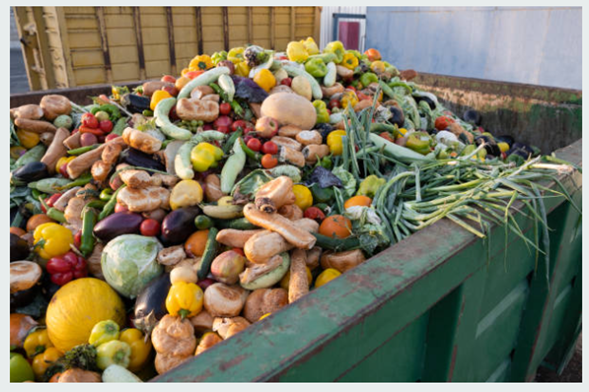
Globally, approximately 40% of food is either lost or wasted along the value chain, exposing a major blind spot in food systems. And while 40% of the world’s food is wasted or lost annually, millions of people across the globe face hunger. This fact alone should help us think more critically about the food on our plates. This statistic should also help us think about how to use our food purchases to support more equitable food systems, plan portions wisely, and get creative with leftovers. (Goodwin and Lipinski, 2024)
The Consequences of Food Waste
“The consequences of this food waste, even at the lower end of the estimates, are huge. It means that an amount of land larger than China is used every year to produce food that no one will eat — especially egregious in a world where nearly 1 in 3 people face some level of food insecurity. About 45 trillion gallons of water, almost one-quarter of all water used in agriculture, is consumed in the process. And food waste is linked to about 8%-10% of the greenhouse gas emissions warming the planet.
The UN has set a goal to halve food loss and waste globally by 2030. But countries and companies can’t begin to tackle the issue unless they know how much food is really lost or wasted — and where and why.” (Goodwin and Lipinski, 2024)
Why Is It So Hard to Measure Food Loss and Waste?
“Today, we have only a rough idea of how much food is lost or wasted around the world. The widely used ‘one-third’ statistic is based on data from the Food and Agriculture Organization (FAO) and United Nations Environment Programme (UNEP), but it is only an estimate. This figure doesn’t include food that is lost before it leaves the farm, such as crops that aren’t fully harvested or spoil in storage.
More recent data from Tesco and the World Wildlife Fund (WWF) suggests that about 40% of the world’s food supply goes to waste when on-farm losses are also considered.
But these numbers can only be so useful. Most are extrapolated from global data that isn’t complete, relying on individual studies from various years to produce broad estimates. This can provide a general picture of food loss and waste within a region, but it is less helpful for pinpointing where exactly waste occurs and taking targeted action to reduce it.
In some cases, the data is also decades old; FAO’s estimate is based on a 2011 study. Updated and more precise data just isn’t available, as only 12% of the global population lives in countries currently tracking food loss and waste within their borders.” (Goodwin and Lipinski, 2024)
“Accurately gauging how much food is lost or wasted involves measuring a lot of things across the supply chain — from how much fruit is left unharvested in the fields, to the vegetable scraps that a line cook throws out, to the questionable cheese in the back of your fridge. Almost no one is measuring on-farm food loss, in part because it can be difficult to determine the boundary between different causes, such as poor harvesting techniques or disease.” (Goodwin and Lipinski, 2024)
“On top of that, many companies are still extremely reluctant to publish their food waste data due to possible reputational risks. Businesses may be worried about the public reaction and how their waste will compare with other companies. Or they may know they’re wasting a lot and want to start improving before they publish any data.
On the other side of the supply chain, household waste is especially difficult to measure. People generally aren’t very good at estimating how much food they throw out; one study found that almost half of Britons surveyed underestimated the economic cost of the food they wasted. In fact, most U.K. consumers say they don’t waste food at all, but research by the Waste and Resources Action Programme (WRAP) shows that 70% of food waste in the U.K. comes from households.” (Goodwin and Lipinski, 2024)
“The reality is that most people do waste food. It’s not a problem limited to higher-income countries, either; research has shown food waste to be a growing issue in cities worldwide. And because organic waste isn’t collected separately in most places, the only way to get accurate data on household food waste is to go through bins manually and analyze what is in them, an expensive and time-consuming process.” (Goodwin and Lipinski, 2024)
Major Companies Have Shown that Tracking and Reducing Food Waste Yields Big Benefits
“So far, most progress on measuring and reducing food loss and waste has come from the private sector. Not only do big companies have the power to address waste up and down the supply chain, but they also have a financial incentive to do so. Research suggests that when food-related businesses such as restaurants and hotels invest in waste reduction programs, they can see up to a 14-fold return on their investment.” (Goodwin and Lipinski, 2024)
About the 10x20x30 Initiative
Both “IKEA and Danone are part of the 10x20x30 initiative, through which major global food retailers are working with at least 20 of their suppliers each to halve food loss and waste by 2030. 10x20x30 is part of Champions 12.3, a coalition of governments, businesses and others working to accelerate food loss and waste solutions worldwide. WRI is the Co-Secretariat of Champions 12.3. Learn more.
IKEA is a front-runner here. After pledging to halve food loss and waste by 2030, IKEA became the first global company to do so in all its restaurants in 2023 — reducing waste by 54%, years ahead of schedule. The company invested significant resources toward this goal, from hiring a dedicated team; to outfitting its restaurants with smart scales to measure food waste; to partnering with the Too Good to Go app, which allows customers to purchase discounted food that would otherwise be thrown out. But the payoff was big: In addition to saving more than 20 million meals and avoiding 36,000 tonnes of greenhouse gas emissions — equivalent to the emissions from more than 8,000 cars — every year, this shift is saving IKEA $37 million annually.” (Goodwin and Lipinski, 2024)
Governments Need to Play a Bigger Role to Address Waste on a Global Scale
“While private sector progress is important, it’s piecemeal by nature. Governments need to do more to promote tracking and reduction of food loss and waste across the entire value chain, from farms and factories to businesses and households.
Governments often struggle to understand what their role should be when it comes to reducing food waste. For example, should they focus on farmers or consumers, which require different approaches and different communications strategies? Which tactics will be most effective: requiring businesses to report on food loss and waste and work with their suppliers to reduce it? Incentivizing farmers to minimize losses in their fields? Or developing public behavior-change campaigns to slash waste in people’s homes? Recent global events — including the COVID-19 pandemic and Russia’s invasion of Ukraine — also made food loss and waste less of a priority issue for many governments as they focused on food security, price spikes and supply disruptions.
Still, some countries have made more progress than others on collecting national-level data and implementing solutions.” (Goodwin and Lipinski, 2024)
“The U.K. has made great strides on measuring household food waste using periodic surveys and data from waste management authorities. It also developed the first-ever voluntary agreement with companies to address food loss and waste, known as the Courtauld Agreement. More than 300 food businesses have joined the effort, which is also helping farmers measure on-farm losses, promoting public behavior change and more. Recently, over 30 major companies have urged the U.K. government to go further and mandate reporting on food loss and waste.
In addition, all EU countries now measure food waste along supply chains (although not on farms) to some degree. And last year the European Commission proposed setting legally binding targets requiring EU member states to reduce food waste by 10% in processing and manufacturing and by 30% (per capita) jointly across restaurants, food service establishments and households by the end of 2030. The United States also recently announced a national strategy to reduce food loss and waste.” (Goodwin and Lipinski, 2024)
“Other governments should follow these examples, using a combination of policy, education and financial levers to both mandate food waste tracking and support farmers, businesses and others in doing so. An immediate step countries can take is to incorporate food loss and waste reduction into their next national climate commitments (known as Nationally Determined Contributions), which are due in 2025.” (Goodwin and Lipinski, 2024)
Moving from Measurement to Action
“Too often, it can be easy to get hung up on new “miracle” technologies for addressing food waste — such as smart fridges that can track expiration dates and suggest recipes based on the food you already have. But as useful as emerging technologies may be, they can also be a distraction from doing things that we already know work: processing and storing food properly, planning meals, freezing leftovers and donating to food banks.
The solutions are not rocket science; simple things like training employees with proper food handling skills or making small changes to the manufacturing process can have a huge impact. But they need much better communication up and down the chain. Right now, one end doesn’t know what the other end is doing, which means solving a problem at one stage might result in worse problems elsewhere — like switching to a crop strain with higher yields that ends up being more susceptible to damage during transportation or storage.
Ultimately, the success of any strategy to reduce food waste will depend on accurate and timely data to reveal issues and inform solutions.” (Goodwin and Lipinski, 2024)
“Through the Champions 12.3 coalition, [World Resources Institute] WRI encourages a “target-measure-act” approach. The global target to cut food loss and waste in half has been set. Now, both countries and companies need to step up by connecting ambitious food loss and waste reduction targets to their climate strategies. If they haven’t already, they must first quantify a base-year amount of food loss and waste inside their operations or borders and then begin monitoring change over time — and publicly reporting how much food they are wasting. It’s the only way we can get to the next step: ramping up actions that save more food from garbage bins and landfills and put it into the hands of people who need it.” (Goodwin and Lipinski, 2024)
Reducing Household Food Waste: Simple Tips that Generate Win-Wins for People and the Planet
These tips from the Food and Agriculture Organization of the United Nations (FAO) can help you reduce food waste in your household.
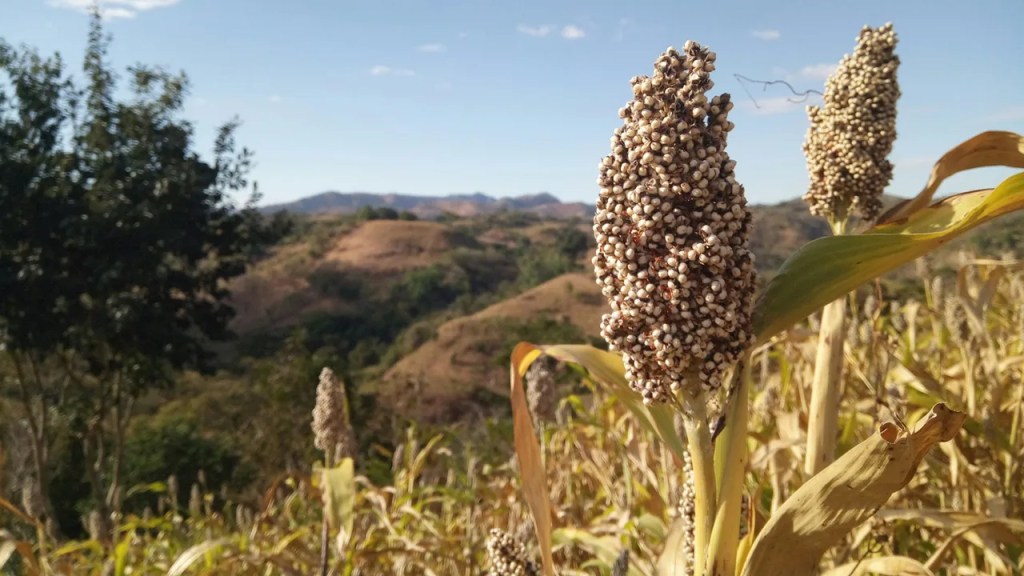
A recent study conducted by researchers at Hokkaido University and the University of Sydney has unveiled the health benefits of sorghum. “The team identified unique lipids that were known to have anti-diabetic and anti-inflammatory properties” named fatty acid esters of hydroxy fatty acids (FAHFAs) and characterized the diverse lipid profiles among six sorghum cultivars. This research was published in the Journal of Agricultural and Food Chemistry.
Photo Credit: Luis Rodriguez/Unsplash
Sorghum, a lesser-known grain fed to animals in developed countries, boasts significant nutritional potential that remains largely untapped for human consumption. “This oversight presents a critical challenge for health-conscious consumers and nutritionists who are increasingly searching for sustainable food options to address chronic health issues. Sorghum is not only abundant but also resilient, requiring fewer resources than many other crops, making it environmentally friendly.” (Technology Networks Applied Sciences, 2024; Nath et al. 2024)
This new research by Nath et al. 2024 suggests that incorporating sorghum into diets could promote cardiovascular health, reduce inflammation, and enhance metabolic health.
The primary objective of these scientists’ research is to identify comparable compounds in a variety of cereals and food sources, thereby improving our comprehension of these lipids and their functions in human health, nutrition, and agriculture.
“Sorghum is a grain that is both versatile and has substantial health benefits,” concludes Professor Shu-Ping Hui, the other corresponding author.
“This research not only addresses the demand for sustainable food alternatives but also fosters the development of functional foods.” (Technology Networks Applied Sciences, 2024; Nath et al., 2024)
Sorghum Recipes
If you are unfamiliar with how to use sorghum in cooking, be sure to check out Bob’s Red Mill for sorghum-based recipes – which are available on their website at:
Nath LR, B. Gowda SG, Roberts TH, Gowda D, Khoddami A, Hui SP. Nontargeted lipidomics of sorghum grain reveals novel fatty acid esters of hydroxy fatty acids and cultivar differences in lipid profiles. Journal of Agricultural and Food Chemistry. 2024;72(37):20690-20703. doi:10.1021/acs.jafc.4c05919
In a study published in Frontiers in Toxicology on September 24, 2024 (Parkinson et al., 2024), researchers from the Food Packaging Forum identified 189 potential and confirmed mammary carcinogens that have been detected in food contact materials (FCMs) on the market.
This study “shows that there is a huge opportunity for prevention of human exposure to breast cancer-causing chemicals,” said Jane Muncke, Managing Director of the Food Packaging Forum and co-author of the study. “The potential for cancer prevention by reducing hazardous chemicals in your daily life is underexplored and deserves much more attention.”
By comparing a recently published list of potential breast carcinogens developed by scientists at the Silent Spring Institute with the Food Packaging Forum’s own Database on migrating and extractable food contact chemicals (FCCmigex), the authors found that 189 potential and confirmed breast carcinogens have been detected in FCMs, including 143 in plastics and 89 in paper or board (Figure 1).
Figure 1. The number of potential mammary carcinogens as identified by Kay et al. (2024) that have been detected in migration or extraction studies of five food contact material groups (Source: Parkinson et al., 2024)
“Identifying the presence of these hazardous chemicals in food contact materials was possible thanks to our FCCmigex Database,” said Lindsey Parkinson, Data Scientist and Scientific Editor at the Food Packaging Forum and co-author of the study. “This resource brings valuable information from thousands of published scientific studies on chemicals in food contact materials together into a single and easily explorable place.”
“When limiting the comparison to the most recently available studies in FCCmigex (2020-2022) that used migration experiments , which mimic realistic conditions, there is evidence of exposure to 76 potential and confirmed mammary carcinogens from FCMs, 61 of which (80%) are from plastics.”
“In all, the 76 recently detected potential and confirmed mammary carcinogens were in FCMs purchased from markets all over the world including Brazil, Canada, China, Ghana, Egypt, the European Union (Austria, Denmark, Germany, Greece, Hungary, Poland, Spain), India, Iran, Malaysia, Mexico, Nigeria, Syria, Turkey, and the United States. This indicates continued exposure of the global population to these chemicals under realistic use conditions.”
“Despite existing regulations intended to limit carcinogenic substances in FCMs, the study highlights gaps in current regulatory frameworks. The food contact articles were purchased within the last few years from markets in highly regulated regions, including the EU and the US.”
“Our findings imply that chronic exposure of the entire population to suspected mammary carcinogens from FCMs is the norm and highlights an important, but currently underappreciated, opportunity for prevention,” the authors explain.
This mammary carcinogens study was published with other articles in the theme of “emerging topics on chemical safety assessment”. The editors of the research topic published an opinion piece on what they consider outdated testing and risk management procedures in US federal risk assessments. (Parkinson et al., 2024; Parkinson, 2024)
How to Reduce Possible Health Risks from Packaged Foods
Several ways to reduce the health risks from packaged foods include the following:
Choose Packaging-Free Options – You can reduce health risks from food packaging by minimizing reliance on packaged foods. Grocery stores and farmers’ markets offer packaging-free options for important items including fruits, vegetables and grains. Shopping in bulk, bringing your own containers and resuable bags, and opting for fresh, unpackaged fruits and vegetables, are easy ways to avoid exposure to harmful chemicals in packaging materials. To summarize:
Go Bulk: Shop at bulk food stores and fill your own containers with dry goods like grains, nuts, and legumes.
Go Local: Visit farmers’ markets and buy produce directly from local farmers, many of whom offer packaging-free products.
Go Local(er): Grow your own vegetables or fruits at home to avoid packaging entirely. Reuse: Reusable cloth bags, jars, and containers keep food safer, reduce waste and help the environment.
Avoid Plastic Packaging – Plastic is the most common materials used in food packaging, but often contains harmful BPA, phthalates, and other harmful chemical additives, which can find their way into your food. These substances are known endocrine disruptors and have been linked to various health issues such as cancer, as well as obesity, infertility, and developmental disorders. Reducing use of plastic packaging can significantly lower exposure to the effects of these chemicals.
Check out these easy-to-use eco-friendly organic produce bags at the link below:
If you are using products that come in cardboard packaging, avoid ones treated with water-resistant coatings or contains plastic linings. When you can’t avoid using plastics, look for ones that are labeled BPA-free. They may still contain other harmful chemicals like BPS (bisphenol-S).
Pay Attention to Recycling Codes – Some types of plastics are more harmful than others. Understanding recycling codes on plastic packaging can help avoid them. The recycling code number, typically between 1 and 7, is found on the bottom of plastic containers. Each number represents a different type of plastic. Some are more prone to releasing harmful chemicals. Try to avoid materials using the following recycling codes:
#3 (PVC): PVC, or polyvinyl chloride, often contains harmful additives like phthalates, which can get into food.
#6 (Polystyrene): Commonly found in foam take-out containers and disposable cups, polystyrene may release styrene, a chemical linked to cancer.
#7 (Other): This category includes polycarbonate plastics, which often contain BPA. Be cautious of packaging labeled with this number.
Limit Exposure to Canned Foods – Canned foods are convenient, but they often come with health risks due to lining of their cans. Cans can be coated with a resin that contains BPA. BPA can get into the food, acidic products like tomatoes, has been linked to hormone disruption, reproductive issues, and an increased risk of cancer.
Store Food Safely – Storing food properly at home can help reduce your exposure to harmful chemicals. If food packaging is unavoidable at the store, take steps to store food more safely once it’s in your home. Heat, in particular, can accelerate the chemicals from packaging getting into food. It’s important to take the time to use safe storage practices by doing the following:
Transfer Food to Glass or Stainless-Steel Containers: After purchasing food, transfer out of plastic packaging and into glass or stainless-steel containers for storage. This reduces the risk of chemical leaching over time.
Avoid Heating Food in Plastic: Never microwave food in plastic containers or plastic wrap. The heat can cause chemicals to leach into the food. Always use microwave-safe glass or ceramic containers for reheating food
Freeze Food in Safe Materials: If freezing food, don’t use plastic wrap or bags. Instead, use freezer-safe glass containers or stainless steel.
Be Cautious with Takeout and Disposable Packaging – Most takeout containers are made from polystyrene foam, plastics, and other materials that may release harmful chemicals. Frequent consumption of food from these sources increases exposure to potentially toxic substances.
You can be better informed and make smarter choices by looking out for certain brands who offer options with fewer toxins. This includes brands that use sustainable, compostable, or biodegradable packaging materials. A good place to start learning about options for safer packaging can be found in this article. From there, do your own research to buy as smart as possible.
Reducing health risks associated with food packaging is possible through informed decision-making and lifestyle changes. By choosing packaging-free or safer alternatives, avoiding harmful plastics, limiting exposure to canned foods, and adopting better storage practices, consumers can significantly reduce their risk of exposure to toxic chemicals. Moreover, supporting companies that prioritize safer packaging can drive industry-wide change, ultimately leading to healthier food systems for everyone. (Comprehensive Cancer Centers, 2024)
Yates, J., Kadiyala, S., Deeney, M. et al. A toxic relationship: ultra-processed foods & plastics. Globalization and Health. 2024;20:74. https://doi.org/10.1186/s12992-024-01078-0
Kliemann N, Al Nahas A, Vamos EP, Touvier M, Kesse-Guyot E, Gunter MJ, Millett C, Huybrechts I. Ultra-processed foods and cancer risk: from global food systems to individual exposures and mechanisms. British Journal of Cancer. 2022:14-20. doi: 10.1038/s41416-022-01749-y
UN FAO and WHO. What are healthy diets? Joint statement by the Food and Agriculture Organization (FAO) of the United Nations and the World Health Organization (WHO). Geneva: World Health Organization and Food and Agriculture Organization of the United Nations; 2024. https://doi.org/10.4060/cd2223en
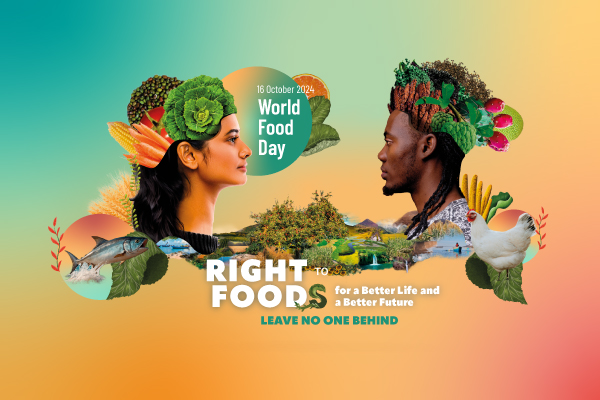
“This year’s #WorldFoodDay theme, “Right to foods for a better life and a better future” spotlights the importance of diversity, nutrition, affordability, accessibility as well as the safety and sustainability of foods, raising awareness about how a greater diversity of nutritious foods should be available in our fields, fishing nets, markets, and on our tables, for the benefit of all. Today, hunger is often worsened by frequent weather changes, economic downturns and conflicts. World Food Day 2024 looks at solutions to ensure that all people have enough adequate and regular access to diverse, safe, nutritious food, leaving no one behind.”
Consult the World Food Day website to learn more about the theme and how to join the campaign.
Don’t miss out! Register now to join the live webcast of the World Food Day global ceremony on 16 October at 10:00 CET, and be part of the action at the Junior World Food Day School Assembly during the World Food Forum on 17 October at 10:00 CET.
















 Sustainable RDN