“Nearly 60,000 hectares of forest was cleared in Brazil’s Cerrado and Amazon in late 2023, with likely ties to the supply chains of some of the world’s largest soy exporters including Bunge and Cargill, a report has found.
The Cerrado is the second-largest Brazilian biome, and one of the world’s most biodiverse regions. Covering 22% of the country, it is home to over 6,000 tree species. However, over the last few years, it has faced increasing rates of land conversion mainly linked to soy and beef production.”
Another new study by scientists from Brazil and Europe published in the journal Diversity and Distribution looked at how man-made climate change could possibly trigger the migration of thousand of plant species in Brazil’s Cerrado.
Cerrado plants and climate change
“A new study by scientists from Brazil and Europe has looked at how warming temperatures might force over 7,000 plant species in the Cerrado to move. Plants, like animals, have a geographical range.
This is the area where the temperature, rainfall, and general conditions make it just right for them to survive and grow. Climate change is messing with those perfect conditions, and plants are feeling the heat – literally.
“Every plant and animal species has a ‘geographical range’ – the area where conditions are suitable for it to live,” said Mateus Silva, from the University of Exeter.
Cerrado ecology
Think of the Cerrado as a smaller, but no less incredible, cousin to the Amazon rainforest. It’s a place packed with roughly 12,000 flowering plant species. From towering trees to delicate orchids, the Cerrado’s plants purify the air we breathe, support vast networks of wildlife, and sustain indigenous communities.
Sadly, this ecological treasure chest is under siege. Relentless conversion for agriculture and cattle ranching has eaten away roughly half of the Cerrado. This destruction doesn’t just mean lost beauty – it unravels delicately balanced ecosystems, jeopardizes countless species, and disrupts the natural services these landscapes provide, like water cycling and climate regulation.
Uphill Cerrado plants due to climate change
As temperatures rise globally, many plants instinctively seek cooler havens at higher altitudes. “As the climate warms, plants’ ranges are shifting, with many species going uphill,” said study co-author Mateus Silva from the University of Exeter.
This uphill migration reveals nature’s resilience – even slow-moving plants adapt to survive. Yet, this strategy has stark limits. Lowland plants may find some refuge uphill, assuming they can move fast enough to keep pace with the changing climate and aren’t blocked by human-made obstacles.
But the climb brings a hidden cost: it squeezes those already at higher elevations. Plants on mountaintops have no escape. As temperatures increase, they face a shrinking world with nowhere left to climb…
Remember, the Cerrado is a remarkable and irreplaceable part of our planet. Its thousands of plant species, some of which cannot be found anywhere else in the world, are in a race for survival. Climate change is pushing them uphill, but human destruction is cutting off their escape route. While the science is important, it’s time to move beyond simply watching and start taking serious action.
Soy production linked to “shocking” land clearance in Brazil’s Cerrado and the Amazon, study says. Carbon Pulse. March 15, 2024. Available at: https://carbon-pulse.com/269193/
Eating ultra-processed foods raises the risk of developing or dying from dozens of adverse health conditions, according to a new “umbrella review” of 45 meta-analyses. The authors found consistent evidence linking higher intakes of ultra-processed foods with over 70% of the 45 different health outcomes assessed.
The umbrella review, a high-level evidence summary, included 45 distinct pooled meta-analyses from 14 review articles associating ultra-processed foods with adverse health outcomes. The review articles were all published in the past three years and involved 9.9 million people. None of the studies were funded by companies involved in the production of ultra-processed foods.
Researchers graded each study as having credible or strong, highly suggestive, suggestive, weak or no evidence. All the studies in the review were published in the past three years, and none was funded by companies involved in the production of ultra-processed foods, the authors said.
Researchers found highly suggestive evidence that eating more ultra-processed foods raised the risk of obesity by 55%, sleep disorders by 41%, development of type 2 diabetes by 40% and the risk of depression by 20%.
However, evidence was limited for an association between consuming ultra-processed food and asthma, gastrointestinal health and cardiometabolic risk factors such as high blood fats and low levels of “good” high-density lipoprotein, or HDL, cholesterol, according to the analysis.
According to the authors, “Greater exposure to ultra-processed food was associated with a higher risk of adverse health outcomes, especially cardiometabolic, common mental disorder, and mortality outcomes. These findings provide a rationale to develop and evaluate the effectiveness of using population based and public health measures to target and reduce dietary exposure to ultra-processed foods for improved human health. They also inform and provide support for urgent mechanistic research.” (Lane et al., 2024)
The study found only suggestive or no evidence for an association between ultra-processed foods and cancer, which was a surprising finding, according to Dr. Fang Fang Zhang, a cancer epidemiologist at Tufts University, who has researched the role of ultra-processed foods and cancer.
“Obesity is a risk factor for 13 types of cancers. Ultra-processed foods increase weight gain, and obesity increases cancer,” she said. In an August 2022 study she coauthored, Zhang found men who ate the most ultra-processed foods of any type had a 29% higher risk of developing colorectal cancer.
“One reason for the unexpected finding is that research on ultra-processed foods is still in its infancy, said study coauthor Mathilde Touvier, research director at the French National Institute of Health and Medical Research, a public research organization.”
“We definitely need more studies to be able to upgrade the weight of evidence for cancer, for instance,” said Touvier, also the principal investigator of the NutriNet-Santé cohort, a long-term study of the relationship between nutrition and health.”
“So it’s not because there’s nothing there, it’s just because we need additional research,” she said. (LaMotte, 2024; Lane et al., 2024)
The making of ultra-processed foods
“Ultra-processed foods are much more than simply “modified” foods, said nutrition researcher Dr. Carlos Monteiro, head of the Centre for Epidemiological Studies in Health and Nutrition at the University of São Paulo in Brazil.”
“They are formulations of often chemically manipulated cheap ingredients such as modified starches, sugars, oils, fats, and protein isolates, with little if any whole food added,” said Monteiro, a professor of nutrition and public health, in an accompanying editorial.
“Monteiro coined the term ultra-processed food in 2009 when he developed NOVA, a system of classifying foods into four categories. Group one consists of unprocessed or minimally processed foods such as fruits, vegetables, eggs and milk. Group two includes culinary ingredients such as salt, herbs, oils and the like. Group three are processed foods that combine groups one and two — canned goods and frozen vegetables are examples.”
Group four are ultra-processed foods, which Monteiro said are made flavorful and enticing by using combinations of artificial flavors, colors, thickeners and other additives that have been “linked by experimental and epidemiological evidence to imbalances in gut microbiota and systemic inflammation.”
“No reason exists to believe that humans can fully adapt to these products,” Monteiro wrote in the editorial. “The body may react to them as useless or harmful, so its systems may become impaired or damaged, depending on their vulnerability and the amount of ultra-processed food consumed.”
“Since Monteiro’s definition of ultra-processed food appeared, nutritionists, researchers and public health officials have grown concerned about the increasing prevalence of such foods in the United States, Australia, the United Kingdom, Canada and many developing nations.”
“Two-thirds of the calories children consume in the US are ultra-processed, while about 60% of adult diets are ultra-processed,” Zhang said.
“I think it’s like when we invented cars,” she added. “Yes, they bring us convenience, but if we use a car for everything and we don’t exercise we have problems. We need new strategies to bring down the consumption of ultra-processed food to a healthier level.” (LaMotte, 2024; Lane et al, 2024)
How to reduce the use of ultra-processed foods
Prepare food and cook it at home. Experts also agree that in today’s fast-paced world, giving up the convenience of ready-to-heat and ready-to-eat foods is difficult. In addition, it’s nearly impossible to avoid them, as over 70% of the US food supply is comprised of ultra-processed food.
Regulation by public health agencies and governments should be considered, Monteiro said, such as front-of-pack warning labels; restriction of advertising, especially to children; and the prohibition of sales of ultra-processed foods in or near schools and hospitals, all while making minimally processed foods more affordable and accessible. (LaMotte, 2024; Lane et al, 2024)
Below are examples of octagonal nutrient warning labels that exist on food and beverages in Mexico, Colombia, and other countries in Latin America:
To reduce one’s intake of ultra-processed foods, take the following steps:
1. Read and compare product labels and try to choose less processed alternatives. For example, swap flavored yogurt for plain yogurt with added fruit.
2. Focus on what you can add to your diet (as opposed to take away) such as fresh or frozen fruits, vegetables, beans, and legumes.
3. Be mindful of beverages. Sugar-sweetened beverages have no nutritional value. Swap them out for water.
4. When eating out, go to local restaurants and cafés instead of fast-food chains. Local eateries are less likely to make ultra-processed foods.
5. For children, fill their plates with plenty of whole foods, including fresh fruits and vegetables, nuts, whole grains, and legumes (such as beans, peas, and lentils). Cut back on the amount of ultra-processed foods in their diets. The American Academy of Pediatrics (AAP) reports that glyphosate, a broad-spectrum herbicide, is present in many foods, especially ultra-processed foods. Many genetically engineered (GE) crops are engineered to survive being sprayed with the glyphosate – a broad-spectrum herbicide – during the growing season. Most GE crops are grown to make ultra-processed foods and animal feed. The AAP recommends reading food labels carefully, and consider choosing foods and drinks that are free of genetically-engineered ingredients (look for the Non-GMO Project Verified label, or organic certified label), whenever possible (Abrams & Landrigan – AAP, December 2023).
References
Lane ML, Gamage E, Du S, et al. Ultra-processed food exposure and adverse health outcomes: umbrella review of epidemiological meta-analyses. BMJ. 2024;384:e077310 https://www.bmj.com/content/384/bmj-2023-077310
Wang K, Du M, Khandpur N. Association of ultra-processed food consumption with colorectal cancer risk among men and women: results from three prospective US cohort studies. BMJ. 2022;378:e068921.
March 4, 2024 is World Obesity Day. This year’s Obesity Atlas, published by the World Obesity Federation, reveals that “No area of the world is unaffected by the consequences of Obesity,” and that: “Rising rates of obesity rates across the world reveal massive gaps in healthcare and nutrition, with poorest populations most adversely affected.” The World Obesity Federation, formerly called the International Association for the Study of Obesity and the International Task Force, is the only global organization focused exclusively on obesity. World Obesity Day 2024 sees the publication of the sixth World Obesity Atlas.
The Global Obesity Atlas 2024 covers:
Obesity and its consequences
• Global, regional, and national estimates of the contribution of obesity to leading non-communicable diseases in adults
• Global, regional and national predictions of the effects of obesity on children’s higher risk of non-communicable diseases
• 186 national scorecards for child and adult obesity and its consequences
“The new 2024 Atlas underscores how factors driving economic development are contributing to obesity trends. Shockingly, of the global deaths attributed to high Body Mass Index (BMI), the population measure of obesity, 78% occur among adults in LMICs, eclipsing the 22% in high-income nations. Similarly, 80% of Disability-Adjusted Life Years (DALYs) are attributed to high BMI burden adults in LMICs, compared to a mere 20% in high-income countries.”
“It’s a common misconception that obesity – and its myriad health implications – are only limited to certain countries in the Global North,’ said Kent Buse, Director of the Healthier Societies Program at the George Institute for Global Health. “But the barriers to healthy and affordable foods, to active transport and much-needed medical support are not limited to what people likely consider to be ‘rich’ countries, and governments all over the world need to implement policies that help communities gain access to healthy food and responsive health systems now. The projections in the Global Atlas make very clear what the alternative is and it is a frightening prospect.”
Some key statistics include:
79% of adults with overweight and obesity will live in Low- and Middle-Income Countries (LMICs) by 2035.
88% of children with overweight and obesity will be living in LMICs by 2035.
It is projected that the number of adults living with obesity will rise from 0.81 billion in 2020 to 1.53 billion in 2035.
NCD Risk Factor Collaboration (NCD-RisC). Worldwide trends in underweight and obesity from 1990 to 2022: a pooled analysis of 3663 population-representative studies with 222 million children, adolescents, and adults. The Lancet. February 29, 2024 (published online ahead of print). Available at: https://www.sciencedirect.com/science/article/pii/S0140673623027502
According to a recent scoping review titled, “Global dietary patterns are not sustainable” published in the journal Nutrition Reviews, a more holistic understanding of the concept ‘sustainable diets’ is needed. There is broad consensus that consumers must be encouraged to shift toward sustainable diets, defined by Burlingame and Dermini (2010) as:
“diets with low environmental impacts which contribute to food and nutrition security and to healthy life for present and future generations. Sustainable diets are protective and respectful of biodiversity and ecosystems, culturally acceptable, accessible, economically fair and affordable; nutritionally adequate, safe and healthy; while optimizing natural and human resources.”
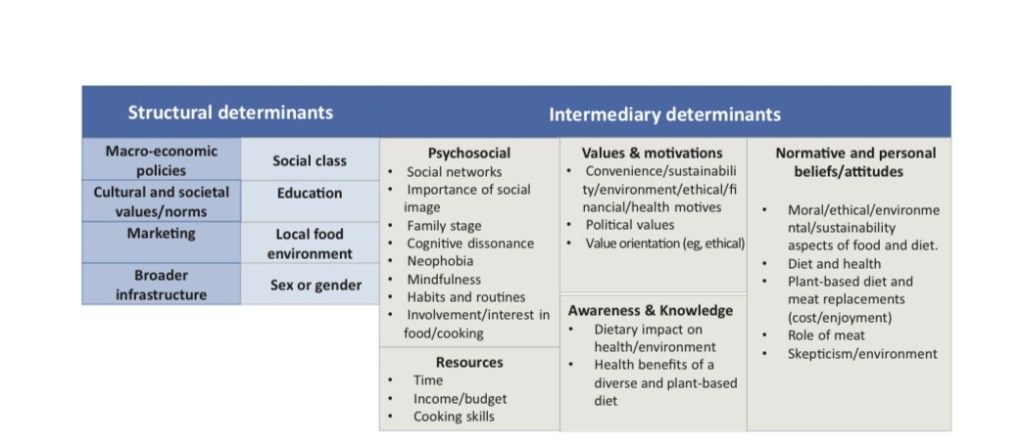
Facilitating dietary change is a critical component of the transition toward more-sustainable diets. The authors of this new scoping review provide readers with an overview of the range of challenges that must be addressed in promoting the uptake of more-sustainable dietary practices and present several interventions that can pursued to facilitate more sustainable diets. More specifically, they state that, “The findings contribute to improved understanding of how support can be generated for the necessary structural and system-level changes that are required to support behavior change.”
See Figure 1 for an overview of the numerous factors influencing the adoption of sustainable diets, including structural determinants and intermediary determinants.
Figure 1: Structural determinants and intermediary determinants of sustainable diets
“Considering the centrality of human health in current consumer conceptualizations of the term sustainable diet, and in dietary motivations, public health professionals are central to promoting a more holistic understanding of the term. Correspondingly, 3 key actions to facilitate progress toward more sustainable diets are recommended. “
“First, sustained efforts are needed from public health professionals to encourage a realignment of the term sustainable diet with its multidimensional meaning by championing an ecological public health approach in all efforts aimed at promoting more sustainable consumption from awareness raising to policy development.
Second, a broader research lens should be focused on the multidimensional concept of sustainability in the literature exploring consumer attitudes and behaviors.
And third, the development of multidisciplinary, clear, and evidence-based sustainable eating messages, including holistic sustainable dietary guidance, is needed to address knowledge gaps, minimize conflicting narratives, and build consumer agency.
Although more research that accounts for country-specific sociocultural, and economic considerations will be essential to developing these messages and strategies for supporting more sustainable diets, the existing literature highlights several considerations and specific actions targeting various challenges [See Tables 1–2 below] that can be pursued in the meantime to encourage and support more sustainable diets.”
Tables 1 and 2 include a summary of actions and strategies necessary to facilitate the adoption of sustainable diets (Kenny et. 2023).
References
Kenny TA, Woodside JV, Perry IJ, Harrington JM. Consumer attitudes and behaviors toward more sustainable diets: a scoping review. Nutrition Reviews. 2023:nuad033.
Burlingame B, Dernini S. Sustainable Diets and Biodiversity: Directions and Solutions for Policy, Research and Action. Rome, Italy: Food and Agriculture Organization; 2010;307.
“In a world faced with the imminent threat of climate change, two passionate women, Lucy Bell and Lucy Leonardi, have joined forces to do their bit to tackle the enormous challenge of food waste, which contributes to climate change in a big way.”
“Their collaborative effort has resulted in the creation of a remarkable book, called Foodwise. This book is all about helping children to love their veggies, thanks to amazing stories and even better recipes. The two Lucys understand that if we are going to fight food waste, helping children fully appreciate and respect what they eat is going to be key, and that’s the core of the Foodwise message.”
The Origin of Foodwise
Lucy Bell and Lucy Leonardi, the dynamic duo behind Foodwise, both share a deep passion for the environment and the urgency to combat climate change. Inspired by their daughters and their desire for a brighter future, they embarked on this journey to make a difference.
“We discovered that not only do we share a first name, but also a birthday – clearly this book was meant to be,” Bell said.
“We want to take kids on a journey to appreciate food – to learn to experience it using all their senses, cook it in fun and different ways, and to learn where it came from and how it was grown.”
You can learn more about this fabulous eco-friendly book Foodwise, which includes 50 kid-friendly recipe ideas, via the link below:
Foodwise: A kid’s guide to fighting food waste and saving the planet
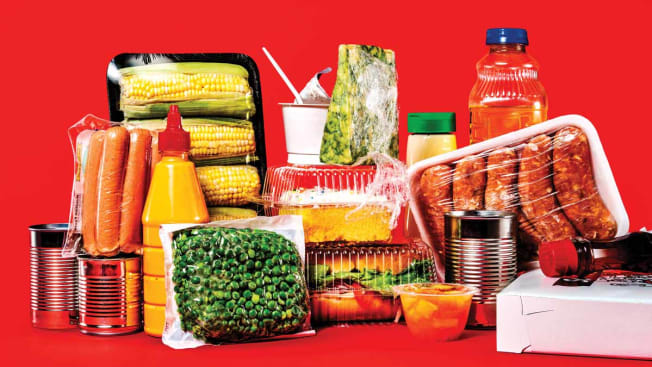
Using less plastic and purchasing and consuming fewer pre-packaged highly processed foods should be on everyone’s sustainability list for 2024. Why is this the case?
A new study by researchers at the University of Toronto and Ocean Conservancy published in the journal Environmental Pollution (2024) evaluated microplastics in different types of protein-containing foods in the food supply. Obviously, there are no easy answers and consuming less overall must be part of the bigger picture. However, there are some easy steps that everyone can take to reduce their plastic use and food packaging in general. Learn more below.
Not even plant-based food is safe from microplastic contamination
“New research finds that nearly 90% of proteins — yes, even vegan alternatives — tested by researchers contain microplastics, which have been linked to negative health consequences.
Sixteen types of protein sources — including chicken, beef, seafood, pork, tofu and three plant-based alternatives — were analyzed for microplastics in a study published Monday in the journal Environmental Pollution.
The samples were purchased in April 2022 from two supermarkets and one grocer in the Portland, Oregon, area — according to the product packaging, they were produced in the US.
The researchers, from Ocean Conservancy and the University of Toronto, found that 88% of the samples contained plastic particles, implying that humans are likely consuming microplastics no matter their diet.
“As ocean scientists, my co-authors and I are deeply concerned about the growing plastics crisis in the world’s ocean,” said study co-author Dr. George Leonard, Ocean Conservancy’s chief scientist. “But our study shows that plastics in our food goes well beyond fish and shellfish to a wide variety of other protein sources, as well.”
Ocean Conservancy’s report — which found that 44% of the microplastics discovered were fibers and 30% were fragments — adds to the growing research on microplastic presence in our diets, suggesting the need for further studies to determine their origins.
Ocean Conservancy researchers noted that the way the foods are processed could be to blame — they found that more-processed proteins contain higher levels of microplastics than their less-processed counterparts.”
Microplastics are everywhere: Is it possible to reduce our exposure?
“[Another] new study has found that bottled water can contain up to 100 times more tiny pieces of plastic than was previously estimated. The average litre of bottled water contains almost a quarter of a million nanoplastic fragments, according to a study by researchers at Columbia and Rutgers universities in the US. The researchers analysed five samples of three common bottled water brands and found nanoplastic levels ranging from 110,000 to 400,000 per litre, with an average of around 240,000.”
But is it really possible to avoid microplastics? Here’s what we know about where they are found.
Microplastics are in your food
Plastics aren’t just ubiquitous in water. They are also spread widely on agricultural land and can even end up in the food we eat. According to a 2022 analysis, sewage sludge, which is used as crop fertilizer, has contaminated almost 20 million acres (80,937sq km) of US farmland. This sludge contains microplastics and PFAS (per- and polyfluoroalkyl substances), also known as “forever chemicals”. A study from Cardiff University in the UK found that 86 trillion to 710 trillion microplastic particles contaminate European farmland each year.
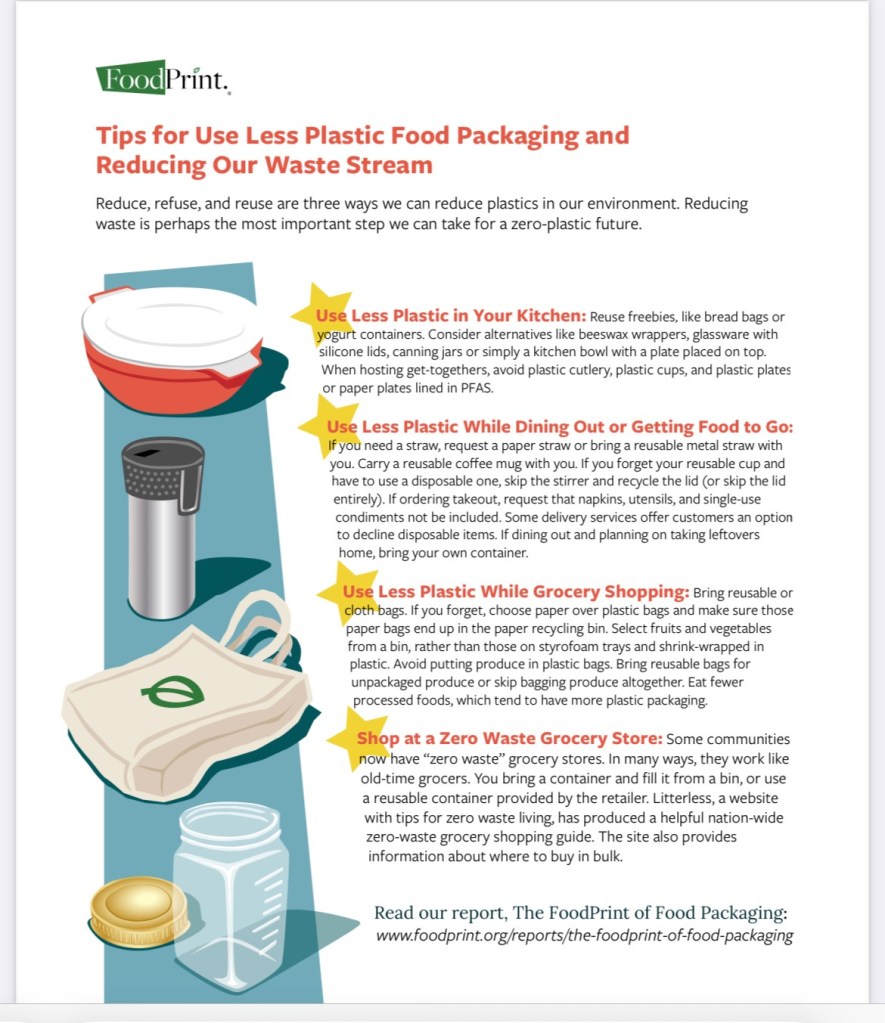
Taking Action: Reducing Plastic Use and Food Packaging
Interested in learning more about how to reduce your plastic use and packaging use, overall. See the helpful tips below from Consumer Reports (2024) and FoodPrint (2023):
The Plastic Chemicals Hiding in Your Food. Consumer Reports. January 4, 2024
Consumer Reports tested popular fast foods and supermarket staples for bisphenols and phthalates, which can be harmful to your health. Here’s what they found— with practical tips on how to stay safe.
Limit fast food, use less plastic in the kitchen (e.g., plastic containers), choose fresh foods over ultra-processed foods including pre-made packaged foods.
Milne MH, De Frond H, Rochman CM et al. Exposure of U.S. adults to microplastics from commonly-consumed proteins, Environmental Pollution. 2024;343: 123233. https://doi.org/10.1016/j.envpol.2023.123233.
Kato B. Microplastics found in nearly 90% of meat, plant-based alternatives: “There’s no escaping them.” New York Post. January 9, 2024. Available at: nypost.com
A recent review published in the journal Sustainability focuses on results of life cycle analysis (LCA) articles that summarize the current state of food choices on our environment. This narrative review “aims to demonstrate that healthy plant-based choices in our diet are linked to choices beneficial to our environment.” The authors also highlight the opportunities and constraints of implementing plant-based diets. (Polyak et al, 2023)
A healthful plant-based diet is an acceptable way to improve and maintain health and reverse some diseases. The definition of a plant-based diet is widespread, with the main emphasis on the consumption of raw or minimally processed vegetables, fruits, whole grains, legumes, nuts and seeds, spices, and herbs. A well-balanced plant-based diet is a useful tool for the primary prevention of many health conditions. However, it can also be used as adjunctive therapy for chronic diseases, including cardiovascular disease, obesity, certain types of cancer, type 2 diabetes mellitus and stroke. (Polyak et al., 2023)
Numerous studies have shown that reducing the consumption of animal-based foods would have a positive impact not only on health but also on the environment. As well as becoming increasingly accepted by the public, the scientific consensus also indicates that the climate crisis is caused mainly by human activity. According to the Report of the United Nations Environment Programme (UNEP), the world population needs to reduce carbon emissions by 25% by 2030. The global food supply is responsible for approximately 26–34% of total carbon emissions (13.6–17.9 billion tonnes of CO2 equivalent (CO2eq). (Polyak et al., 2023)
It is estimated that 50% of total greenhouse gas emissions from food production are related to agribusiness activities. According to researchers, meat and dairy products have the greatest environmental impact, which can lead to the depletion of our planet’s resources. Population growth and consumption data suggest that demand for livestock products could increase by up to 70% by 2050.
Furthermore, due to changes in temperatures, storms and heat waves are getting more severe, directly affecting mental and physical health. Rising temperatures and extreme weather conditions can put a strain on people suffering from common health problems such as cardiovascular disease, kidney disease, mental disorders, and diabetes. Increasing numbers and magnitude of heat waves contribute to the occurrence of stroke and acute kidney injury. Air pollution can increase the risk of respiratory diseases, for example, asthma, chronic obstructive pulmonary disease, and lung cancer. (Polyak et al., 2023)
Climate change is linked to several other factors that potentially have a knock-on effect on the health of people and the planet. The major aim of this review was to assess the environmental indicators for the main foods included in plant-based diets. We focused on greenhouse gas emissions, water use, and land use, but for some foods and products, we also considered specific indicators to discuss their effect on the environment.
A further aim of this review was to assess the environmental impact of some animal products to evaluate their potential for inclusion in or exclusion from a plant-based diet. Considering these data, the authors ask the question: can sustainability—at least partially—be a matter of choice, and do people have authority over their health and even over the health of the environment. (Polyak et al., 2023)
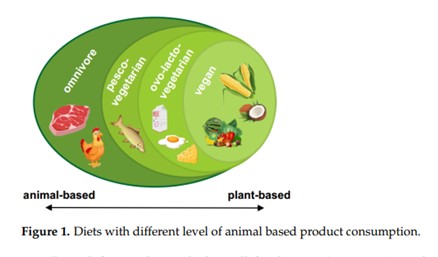
Figure 1: Illustration of a continuum of different diets
From left to right, see a variety of diets with a different level of animal-based product consumption: including all food items (omnivore), the exclusion of meat (pesco‐vegetarian), the exclusion of meat and fish (ovo‐lacto‐vegetarian) to the complete exclusion of products of animal origin (vegan).
The water footprint (WF) of one product is a measure of the water consumed and polluted per unit of the product produced. Depending on the source of the water, the water footprint can be green water (water mainly from precipitation and evaporation), blue water (water from soil or surface water) and grey water (a contaminated form of blue water). Harris et al. (2020) found that diets which contain more plant‐based foods have a lesser water footprint. This study showed that turning to diets that contain no animal foods from typical omnivore dietary patterns would decrease the entire water footprint by 25% and the blue water footprint by 12%. (Polyak et al., 2023)
The importance of a plant‐based diet for environmental issues goes far beyond reducing greenhouse gas emissions, land use and water use. Evidence suggests that soil loss, declines in top predators and wild herbivores, overfishing, soil and water pollution, and sedimentation of coastal areas while increasing pressures on biodiversity and ecosystems can be attributed to people’s food choices, particularly to meat consumption.
Current global food production is unhealthy and unsustainable; thus, the food we consume poses a risk to both the planet and people. A ‘Great Food Transformation’ (i.e., the adoption of the EAT-Lancet planetary health diet that is based on the 6 planetary boundaries affected by food production) is needed to develop a health-promoting and sustainable food production system. The lack of integrated global policies means sustainable and health-promoting food production cannot be guaranteed. The current food supply system is also extremely wasteful. (Polyak et al, 2023)
In most cases, the current National Dietary Guidelines (NDGs) exceed several of the planetary boundaries for food production several times. The food consumption patterns of individual G20 (Group of Twenty) countries and the NDGs they set are more resource-intensive than the natural resource base can support. Therefore, it is more important now than ever to emphasize the importance of personal choice. When it comes to health, most people can identify a wide range of factors that act against or for diseases. The development of high numbers of non-communicable diseases) mostly depends on personal choices (e.g., smoking, alcohol consumption, physical inactivity etc.), and the same applies to environmental factors.
The lack of governmental and intergovernmental intention makes it essential that a high proportion of the population becomes aware of the consequences of their choices that determine not only their health but also the status of the environment. Plant-based diets appear to be more sustainable than diets rich in animal products, and by reducing the consumption of animal foods or eliminating them, they have a potentially lesser impact on the environment. (Polyak et al., 2023)
In a US-based study, a healthy vegetarian diet had a 42–84% lower burden (in five of the six impacts) than U.S.-style healthy eating patterns and a healthy Mediterranean-style diet (both diets contained a different amounts of animal-based foods) (Blackstone et al., 2018). Changing diet or dietary element(s) in a healthier way also means acquiring sustainable choices. Hence, these healthy changes can reduce greenhouse gas emissions from the diet and reduce the carbon and water footprint of diets. (Polyak et al., 2023)
New plant-based “meat analogues” such as the Beyond Burger have shown a significantly lower carbon footprint (0.24 kg CO2eq/100 g) than ground beef (3.28 kg CO2eq/100 g) and slightly lower than the turkey burger (0.26 kg CO2eq/100 g). People may switch to plant-based diets for several reasons, including animal welfare, ethical, ecological, political, environmental, or spiritual reasons. One of the main drivers for reducing meat consumption is the health benefits of a plant-based diet, which have been confirmed by numerous studies. Planning and implementing this type of diet requires adequate information, food availability, financial resources, supportive communities, and advice from nutrition experts.
Some consumers see the substitution of animal products (especially meat) for a “meat analogue” as a viable option to facilitate climate-friendly actions. From a health point of view, this choice may not be appropriate (e.g., higher glycemic load and index, added sugar, and lower levels of dietary fiber, micronutrients, and antioxidants), but other sources have reported otherwise (lower saturated fat intake, the absence of heme iron, increased dietary fiber intake), so additional studies are needed. Furthermore, several economic and social factors pose challenges for plant-based meat alternatives to become widespread such as cost, availability, cultural and societal norms, marketing and advertising, government policies and subsidies. From an environmental sustainability point of view, however, it seems to be preferable. However, more research is needed on this topic. (Polyak et al., 2023)
Conclusions
In this life cycle analysis (LCA) of studies on the current state of the effect of food choices on the environment, these authors concluded that,
“At this point, separate factors (health and environment) are linked, and healthy choices can also be environmentally friendly. By limiting or eliminating animal foods and reducing consumption of highly processed foods, both factors can be met simultaneously. Policymakers should integrate and prioritize sustainability considerations in national dietary guidelines to facilitate consumer choice; such efforts are ongoing in several countries.”
They also noted that, “Generally speaking, consumers tend to make food consumption decisions based on the supply-demand principle and choose the cheapest food in terms of availability. Thus, the main factors influencing food choice are income and employment status, food availability, personal and social factors, geography and cultural habits, convenience, the demand for food security and access to personal transport. The negative impact of social and economic inequalities contributes to less sustainable and potentially unhealthy food choices.” (Polyak et., 2023)
Furthermore: “Governments need to focus on socio-economic issues such as improving livelihoods, educating and developing sustainable eating habits and making agriculture more sustainable.” Agriculture and food systems are facing several challenges, such as climate change, competition for natural resources, growing population, overconsumption, and food waste. Sustainable food production systems and products need to be developed to address these issues. However, this is not possible without the aid of guidelines proposed by governments. National food and nutrition policies must move towards sustainable plant-based diets.”
Finally, these authors pointed out that: “we believe it is important to make consumers aware that their food choices have a significant impact not [only on] their health but on the environment [as well]. In this context, sustainable diets can be a matter of choice not only for governments but also for citizens.” (Polyak et al., 2023)
Towards healthy and sustainable diets in Mexico: Dietary Guidelines for Mexico (2023)
At the launch event of the new Dietary Guidelines for Mexico (2023), general director of the National Center for Preventive Programs and Disease Control, Ruy López Ridaura, explained that the Intersectoral Group on Health, Food, Environment and Competitiveness (Gisamac) developed the new guidelines to address poor nutrition and to promote the health of people and the planet.
“The new guidelines represent a practical tool for dietary guidance and nutritional education of the general population, health professionals at the first level of care, nursing, nutrition, health promotion, and other actors who provide nutrition education.”
The Dietary Guidelines are based on 10 diet recommendations that are easy to communicate to the people in Mexico. “This will help the population understand what to eat, what foods to reduce or what to increase”, said Mr López Ridaura.
The new guidelines respond to the need to integrate a holistic vision of the agri-food system and meet international requirements.”
“Saludiaro reports that Mr López Ridaura explained that the new guidelines are a key tool for the design and enforcement of public policies for food production, distribution and change in the environments where people live and work. At the same time, the recommendations can be translated into local contexts because Mexico is a diverse country in terms of culinary culture.
The new Dietary Guidelines contain recommendations on the nutrients that people in Mexico should consume daily; the amount of plain water; the products that should be avoided, as well as the type of physical activity that promotes good health and well-being.”
“Mexico has the best food guide in the world”
“The director of the Center for Research in Nutrition and Health of the National Institute of Public Health (INSP), Simón Barquera Cervera, acknowledged that Mexico now has the best dietary guidelines in the world.”
“Mr Barquera Cervera highlighted that the new Dietary Guidelines in Mexico constitute a paradigm shift, since they are based on scientific evidence, followed rigorous technical development, and are supported by the consensus of a high-level multidisciplinary team, without conflicts of interest.”
Developing the guidelines was a process free from the participation and interference of the junk food and alcohol industries.
“The new dietary guidelines identify the importance for Mexicans to avoid unhealthy products, including alcohol, and warn about the importance of not using infant formulas, that is, breast milk substitutes that can cause serious damage.”
The new dietary guidelines inform, guide and align policies, programs and legal instruments related to food and health in Mexico.
“The dietary recommendations work for low-income populations, indigenous groups, girls and boys, and pregnant women, with a gender approach and inclusive language.
The development of the new guidelines has been possible due to the technical and financial support of the United Nations Children’s Fund (UNICEF) and the technical advice of the Food and Agriculture Organization of the United Nations (FAO).”
Corporate diets dominate in Mexico
“In Mexico corporate diets are highly prevalent, meaning unhealthy eating patterns, characterized by a low prevalence of exclusive breastfeeding, low consumption of fruits, vegetables, legumes and nuts, as well as insufficient physical activity, and high alcohol use.
In launching the guidelines, experts explained that the Mexican population must move towards healthy and sustainable eating models, that is, dietary patterns that promote people’s health and well-being; that exert less pressure on natural resources and have lower environmental impact, are accessible, affordable, safe, equitable and culturally acceptable.
Director of Nutrition Policies and Programs of the INSP, Anabelle Bonvecchio Arenas, said that healthy dietary patterns start with exclusive breastfeeding from birth to six months of age and a diet based on plant-based foods throughout life.
She explained that the guidelines are made up of recommendations that involve products, as well as resources that contribute to changing the food system towards better practices related to diet, health, nutrition and sustainability.
She added that the guidelines are part of the new food system promoted by the federal government:
it integrates a gender-sensitive approach and equal rights, especially for vulnerable groups;
it takes into account the environmental impact, its affordability, consumption patterns of the population, sociocultural influences of food and cultural belonging, as well as
physical activity, and
a section with adaptations for girls, boys and pregnant women, as well as recommendations on avoiding alcohol consumption.
“The current food system in Mexico contributes to climate change and the degradation of the planet, and is part of the determinants of the global syndemic of malnutrition and obesity .
The current food system also contributes to the loss of biodiversity and excessive use of water.
The production and consumption of food worldwide generates a third of the greenhouse gas emissions that have a negative impact on climate change.
Ultra-processed products fuel environmental degradation, such as deforestation and loss of biodiversity, since they are based on monocultures, high processing and generate waste derived from packaging, among other aspects.”
References
Polyak, E.; Breitenbach, Z.; Frank, E.; Mate, O.; Figler, M.; Zsalig, D.; Simon, K.; Szijarto, M.; Szabo, Z. Food and Sustainability: Is It a Matter of Choice? Sustainability 2023, 15, 7191. https://www.mdpi.com/2071-1050/15/9/7191
New research published in The Lancet Regional Health – Europe found that the higher the consumption of ultra-processed foods, the higher the risk of suffering from a combination of chronic diseases including cancer, diabetes and heart disease.
According to the World Cancer Research Fund International, “Ultra-processed foods are convenient (long-shelf life, ready-to-eat), industrially manufactured foods with added ingredients or additives (eg, modified starch, hydrogenated oils) that are typically found in fast food restaurants or sold via supermarkets. Examples are soft drinks, sweet or savory packaged snacks, processed meat, pre-prepared frozen or shelf-stable dishes, and more.”
“The researchers discovered that the more ultra-processed foods consumed, the greater the risk of suffering from 2 or more long-term health conditions, such as cancer, diabetes and heart disease.”
The lead study author Reynalda Córdova stated that: “Our study highlights the importance of ensuring universal access to fresh and less processed foods. In addition, our findings emphasize the importance of a differentiated analysis of ultra-processed food subgroups.”
While certain groups, such as animal products and artificially and sugar-sweetened beverages, were associated with increased risk, other groups, such as ultra-processed breads and cereals or alternative plant-based products, showed no association with risk.
Heinz Freisling, co-author and study lead at IARC, clarified that: “These findings are of concern because ultra-processed foods comprise nowadays more than half of our daily food intake. Critics of the classification of certain foods as ultra-processed argue that the definition is impractical and that some foods classified as ultra-processed make important contributions to the nutrient intake of specific population groups (e.g., older adults).”
However, the study authors noted that his study emphasizes that it’s not necessary to completely avoid ultra-processed foods; rather, their consumption should be limited, and preference be given to fresh or minimally processed foods.”
Dr Helen Croker, Assistant Director of Research and Policy at World Cancer Research Fund, said: “What’s particularly significant in this large study is that eating more ultra-processed foods, in particular animal products and sweetened beverages, was linked to an increased risk of developing cancer along with another disease such as a stroke or diabetes.
Karl-Heinz Wagner, study co-author and professor at the University of Vienna, said: “The results indicate that the existing dietary recommendations, focusing on the consumption of plant-based foods, are consistent with current findings on ultra-processed foods. This is another reason to reduce the high consumption of animal-based foods.”
The study was co-funded by the Austrian Academy of Sciences, Cancer Research UK, the French National Cancer Institute and World Cancer Research Fund International.
Read the study itself at:
Consumption of ultra-processed foods and risk of multi-morbidity of cancer and cardiovascular diseases: a multinational cohort study (2023)
“On Nov 1, 2023, Colombia rolled out a tax on ultra-processed foods, which will start at 10% before increasing to 15% in 2024, and 20% in 2025. The tax was introduced alongside a tiered tax on sugar-sweetened beverages. Colombia has already enacted front-of-pack nutrition labelling for the foods that are liable for the new tax. The measures have been introduced in response to the country’s obesity crisis—more than half of Colombian adults are overweight or obese. President Gustavo Petro took to the platform X (formerly Twitter) to reassure people that the tax was to help them choose healthy food options and improve the health of the Colombian population, and not just to take money from them.”
In a new study published in the Journal of Cleaner Production (Costa et al., 2023), researchers investigated the environmental consequences of two independent yet interconnected diet choices in a German context: (i) replacing dairy milk with soy milk, and (ii) replacing beef meatballs with pea protein balls. They related commodity demand to detailed agricultural rotations and land use changes via farm scale economic modelling coupled with a consequential life-cycle assessment (LCA).
The authors found that the substitution of beef meatballs with pea-derived protein balls resulted in GHG savings of 2.4 kg CO 2e per 100 g serving, and up to 7.3 kg CO 2e per 100 g serving if spared land is afforested. Environmental problems related to nutrient leakage such as eutrophication* and acidification** are also mitigated. Unless accompanied by dramatic reductions in beef consumption, the substitution of cow milk with a soy-based milk alternative does not lead to significant GHG mitigation owing to the displacement of dairy-beef production to less efficient suckler-beef systems. (Costa et al, 2023)
The authors concluded that, “This study confirms that legumes can play an important role in the realization of the EAT-Lancet [planetary health] diet and support considerable land sparing, livestock emission avoidance and synthetic fertilizer displacement, promoting not only GHG mitigation, but also mitigation of other environmental problems such as acidification.”** (Costa et al, 2023) Acidification slows the growth of fish and shellfish and can prevent shell formation in bivalve mollusks. This leads to a reduced catch for commercial and recreational fisheries, meaning smaller harvests and more expensive seafood. (NOAA, 2023)
The Eat-Lancet planetary health diet is a global reference diet for adults that is visually represented by half a plate of fruits, vegetables, and nuts. The other half consists of primarily whole grains, plant proteins (beans, lentils, pulses), unsaturated plant oils, modest amounts of meat and dairy, and some added sugars and starchy vegetables. (EAT Forum, 2019). See Figure 1 for visual representation of the Eat-Lancet planetary health diet.
Figure 1. Eat-Lancet planetary health diet plate
The Eat-Lancet planetary health diet is flexible and allows for adaptation to dietary needs, personal preferences, and cultural traditions. Vegetarian and vegan diets are two healthy options within the planetary health diet but are personal choices. (EAT Forum, 2019). High adherence to the EAT-Lancet planetary health diet has been associated with a lower risk of coronary events (Zhang et al., 2023), reduced risk of cancer and all-cause mortality (Karavasiloglou et al., 2023) as well as a lower risk for type 2 diabetes (Ojo et al., 2023).
In summary, Costa and co-authors (2023) argue that diet substitution should initially focus on replacing meat with plant-based alternatives, rather than dairy products, due to potential GHG gains and to avoid emissions “leakage” via displacement of (dairy) beef calf production to less efficient, dedicated beef systems. The reintroduction of legumes into the food system on a broader scale can serve as ‘positive disruptors,’ to drive the type of transformations across food systems and land uses needed to meet Paris Agreement Climate Change targets,” says David Styles, study coordinator and honorary lecturer at Bangor University (Bangor University, 2023)
Furthermore, the study by Costa and co-authors highlights the huge role that land use policy can play in leveraging climate benefits from ethical consumption choices. Livestock production is directly or indirectly responsible for most of the land used for food production globally. Effective policies that promote nature-based solutions for climate change, such as afforestation on land spared from livestock production, could multiply the climate benefits of dietary shifts by up to three-fold. (Bangor University, 2023)
References
Costa MP, Saget S, Zimmerman B, et al. Environmental and land use consequences of replacing milk and beef with plant-based alternatives. Journal of Cleaner Production. 2023;424, 138826. https://doi.org/10.1016/j.jclepro.2023.138826
Zhang S, Dukuzimana J, Stubbendorff A, et al. Adherence to the EAT-Lancet diet and risk of coronary events in the Malmö Diet and Cancer cohort study. American Journal of Clinical Nutrition. 2023;117(5):903-909. doi: 10.1016/j.ajcnut.2023.02.018.
Karavasiloglou N, Thompson S, Pestoni G, et al. Adherence to the EAT-Lancet reference diet is associated with a reduced risk of incident cancer and all-cause mortality in UK adults. One Earth. 2023; https://doi.org/10.1016/j.oneear.2023.11.002
Ojo O, Jiang Y, Ojo OO, Wang X. The association of planetary health diet with the risk of type 2 diabetes and related complications: A systematic review. Healthcare (Basel). 2023;11(8) :1120. doi: 10.3390/healthcare11081120
Footnotes:
*Eutrophication is a process which occurs when the environment becomes enriched with nutrients, increasing the amount of plant and algae growth to estuaries and coastal waters. Excessive nutrients lead to algal blooms and low-oxygen (hypoxic) waters that can kill fish and seagrass and reduce essential fish habitats. Many of these estuaries also support bivalve mollusk populations (e.g., oysters, clams, scallops), which naturally reduce nutrients through their filter-feeding activities (NOAA, 2023).
Eutrophication sets off a chain reaction in the ecosystem, starting with an overabundance of algae and plants. The excess algae and plant matter eventually decompose, producing large amounts of carbon dioxide. This lowers the pH of seawater, a process known as ocean acidification.
**Acidification slows the growth of fish and shellfish and can prevent shell formation in bivalve mollusks. This leads to a reduced catch for commercial and recreational fisheries, meaning smaller harvests and more expensive seafood. (NOAA, 2023)
For more information, see: NOAA, National Ocean Service. What is eutrophication? (2023)
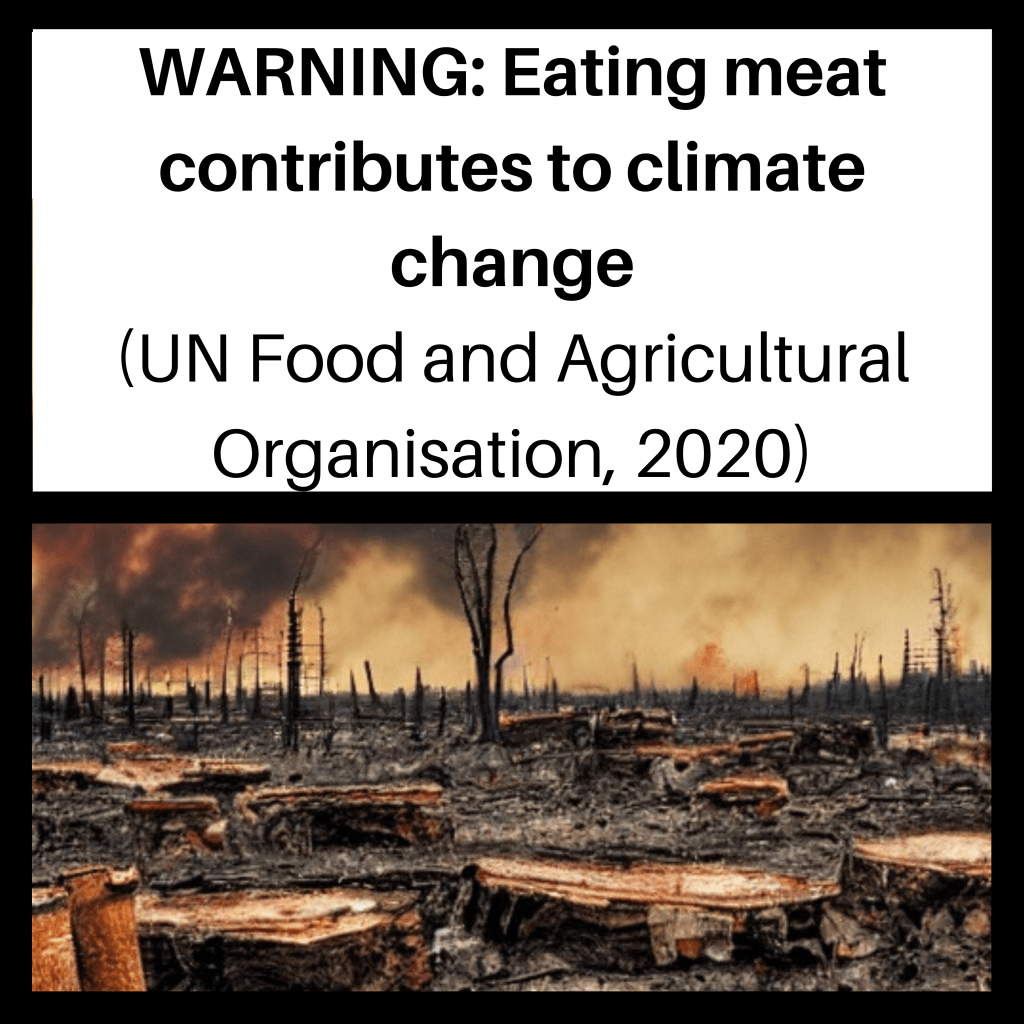
Cigarette style graphic warning labels could reduce people’s meat consumption, according to new research published in the journal Appetite. (Hughes et al., 2023) The new study suggests the use of warning labels on meat options could improve the public’s health and reduce the UK’s carbon footprint. The independent Climate Change Committee, which advises the UK government, recommends a 20 percent reduction in meat and dairy consumption by 2030. (Durham University, 2023)
In the newly published study, a research team from Durham University tested a range of warning labels including those which warn people of the damage to climate, health, and risk of pandemics. A representative sample of 1,001 meat-eating adults in the UK were split into four groups which were shown pictures of hot meals you might buy in a canteen which contained either a health warning label, climate warning label, pandemic warning label, or no label. (Hughes et al., 2023; Durham University, 2023)
They were asked to make 20 separate decisions on different meal choices and the team also asked how anxiety provoking and believable they found the labels. Future intentions to buy and eat the meal options, as well as how appealing the meals appeared, were measured. Participants also indicated how supportive they would be of the different labels if they were implemented as policy. An example set of meals could be a meat pasta bake, fish pasta bake, vegetarian pasta bake, and a vegan pasta bake. (Hughes et al., 2023; Durham University, 2023)
The researchers found that all labels were effective at discouraging people from choosing meals with meat. All warning labels, which showed a graphic image alongside text, reduced meat meal selections by seven to 10 percent. However, out of all the labels presented, participants were most in favor of the climate warning labels which they also found the most credible. (Hughes et al., 2023)
Jack Hughes carried out the research with his supervisors as part of his PhD research at the Department of Psychology at Durham University. He said: “Reaching net zero is a priority for the nation and the planet. As warning labels have already been shown to reduce smoking as well as drinking of sugary drinks and alcohol, using a warning label on meat-containing products could help us achieve this if introduced as national policy.” (Durham University, 2023)
References
Hughes P, Weick, M, Vasiljevic M. Impact of pictorial warning labels on meat meal selection: A randomised experimental study with UK meat consumers. Appetite. 2023; 190:107026. https://doi.org/10.1016/j.appet.2023.107026







 Sustainable RDN