A meta-review on interventions that aim to influence animal-product consumption was published recently in the journal, Future Foods.
The authors found that informing consumers about the environmental consequences of meat consumption may reduce consumption. Providing information on health impacts, emphasizing positive social norms around plant-based diets, and reducing meat portion sizes also appeared promising, although with more limited evidence. “Reviews examining interventions that decreased consumption predominately focused on meat (10/12 reviews).”
The authors concluded that, “[f]uture reviews should conduct quantitative syntheses where appropriate and examine interventions that influence the consumption of animal products other than meat.” See below URL to access the article in its entirety.
Citation: Grundy, E. A. C., Slattery, P., Saeri, A. K., Watkins, K., Houlden, T., Farr, N., Askin, H., Lee, J., Mintoft-Jones, A., Cyna, S., Dziegielewski, A., Gelber, R., Rowe, A., Mathur, M. B., Timmons, S., Zhao, K., Wilks, M., Peacock, J. R., Harris, J., … Zorker, M. (2022). Interventions that influence animal-product consumption: A meta-review. Future Foods, 5, [100111]. https://doi.org/10.1016/j.fufo.2021.100111
An important new report titled “A Climate Wake-Up” was published by Forest 500, a project of Global Canopy. The report analyzes commitments to address deforestation as well as human rights commitments in the financial sector, food sector, and within agri-commodity companies. In its 2022 annual report, it is noted that:
Nearly three out of four (72%) of the 350 companies do not have a deforestation commitment for all of the forest-risk commodities in their supply chains.
One-third (117/350) of companies have no deforestation commitments at all – a small decrease on last year.
While 28 companies published a new commitment to address deforestation since last year, just 11 of these have a deforestation commitment for all of the commodities they are exposed to.
Many companies with commitments are failing to provide evidence of how they are implementing them, particularly for soy, beef and leather supply chains.
None of the companies assessed had a comprehensive approach to human rights.
The report further points out that,
“While consumers are clear that they do not want deforestation on their plates, 27 of the 103 food sector companies assessed do not have a deforestation commitment for all of the beef, soy, and palm that they are exposed to in their supply chain.
While companies in the food sector are most likely to have a commitment to end deforestation in palm oil supply chains, they are less likely to have a commitment for soy or beef supply chains.
Some 75% of the soy produced globally is used for animal feed, so is a hidden ingredient in fish, meat and dairy products.
27% of food sector companies in palm supply chains do not have a commitment that covers their palm oil sourcing
58% of food sector companies in soy supply chains do not have a deforestation commitment for their soy supplies
And just 37% of those with a deforestation commitment for soy apply it to hidden soy
64% of food sector companies in beef supply chains do not have a deforestation commitment for their beef supplies.” (p. 20)
Recommendations are presented for Forest 500 companies and financial institutions, governments, and civil society.
Source: Forest 500, A Project of Global Canopy. A Climate Wake-Up: But Business Failing to Hear the Alarm on Deforestation, January 2022.
“Belgium academics have unveiled a new environmental labelling system that enables easy recognition of the degree of environmental sustainability of food and beverages at point of sale.”
Researchers reported recently in The American Journal of Clinical Nutrition that,
“[W]e developed an index to quantify adherence to the EAT-Lancet diet and assess its relation to mortality in a large, population-based Swedish cohort. Our main findings showed that those with the highest adherence to the EAT-Lancet diet had a 25% lower risk of mortality, with a clear linear trend. Detailed analyses of food components included in the diet indicated that several food components contributed to this observation, which highlights the importance of an overall healthy diet…”
“In our study, several of the food components included in the index, including higher consumption of whole grains, vegetables, and fruits and lower consumption of eggs, seemed to contribute to the lower mortality associated with high adherence to the EAT-Lancet diet…”
“Regarding seafood, there might be a potential conflict between dietary intake recommendations and sustainability, depending on the type of fish consumed and the production methods used…”
“In conclusion, we developed a new dietary index to investigate adherence to the EAT-Lancet diet, and this study indicates that the EAT-Lancet diet, as assessed with this EAT-Lancet index, is associated with a lower risk of mortality. Our findings show the value of providing a set of recommendations that reflects a dietary pattern, and contribute to the evidence base to be used when developing sustainable dietary guidelines and policies.”
Citation: Anna Stubbendorff, Emily Sonestedt, Stina Ramne, Isabel Drake, Elinor Hallström, Ulrika Ericson, Development of an EAT-Lancet index and its relation to mortality in a Swedish population, TheAmerican Journal of Clinical Nutrition, 2021; nqab369, https://doi.org/10.1093/ajcn/nqab369
“Changing what you eat could add up to 13 years to your life, according to a newly published study, especially if you start when you are young.
The study created a model of what might happen to a man or woman’s longevity if they replaced a “typical Western diet” focused on red meat and processed foods with an “optimized diet” focused on eating less red and processed meat and more fruits and vegetables, legumes, whole grains and nuts…”
“To model the future impact of a person’s change of diet, researchers from Norway used existing meta-analyses and data from the Global Burden of Disease study, a database that tracks 286 causes of death, 369 diseases and injuries, and 87 risk factors in 204 countries and territories around the world.
The largest gains in longevity were found from eating more legumes, which include beans, peas and lentils; whole grains, which are the entire seed of a plant; and nuts such as walnuts, almonds, pecans and pistachios, the study found.
It may sound simple to add more plants and grains to your diet, but statistics show that Americans struggle to do so. A new report from the US Centers for Disease Control and Prevention found few Americans eat close to their daily recommendations of fruits and vegetables.
The CDC study found that only 12% of adults consume 1½ to 2 cups of fruit each day, which is the amount recommended by the federal Dietary Guidelines for Americans. Only 10% of Americans eat the recommended 2 to 3 cups of vegetables each day, including legumes.
About 50% of grain consumption should be whole grains, yet over 95% of Americans fail to meet that goal, according to the latest Dietary Guidelines for Americans, instead eating processed grains, which have been milled to remove the grain, bran and many nutrients, including fiber.
Over 50% of Americans fail to eat the 5 grams (about a teaspoon) of recommended nuts and seeds each day, the guidelines said.”
Citation: Fadnes LT, Økland J-M, Haaland ØA, Johansson KA (2022) Estimating impact of food choices on life expectancy: A modeling study. PLoS Med 19(2): e1003889. https://doi.org/10.1371/journal.pmed.1003889
“From ramping up clean electricity to eliminating food waste. From designing cities for walking and biking to preserving ecosystems. Projects that lead to a low-carbon society and limit climate change will have more and greater benefits for health than previously realized.
Those are findings from a new commentary in the International Journal of Environmental Research and Public Health from collaborators at the University of Wisconsin-Madison Global Health Institute (GHI) and Nelson Institute for Environmental Studies Center for Sustainability and the Global Environment (SAGE), Project Drawdown and the University of Minnesota.
In “Climate Solutions Double as Health Interventions,” the team analyzes how Project Drawdown’s 80 solutions that build on existing technologies and practices to limit global warming will also improve human health. Looking at nine sectors, from energy to environmental resources, they identified health benefits “through improved air quality, increased physical activity, healthier diets, reduced risk of infectious disease, improved sexual and reproductive health, and universal education.”
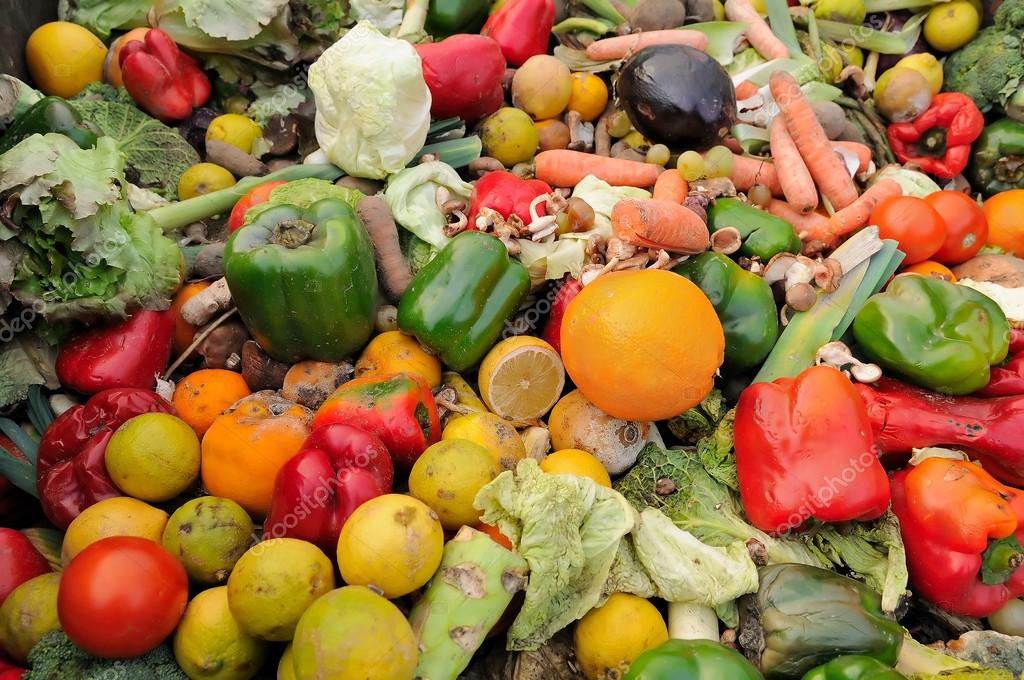
“When it comes to reducing food waste, consumers most favor solutions that involve making food donations easier and establishing standards for food date labels.
That is one finding of a study — among the first to examine support and perceived effectiveness for popular food waste solutions — led by an agricultural economist in Penn State’s College of Agricultural Sciences.
The average U.S. household wastes an estimated 32% of purchased food, translating to $240 billion in economic losses, according to Linlin Fan, assistant professor of agricultural economics.
“This large amount of food waste is cause for concern,” she said. “Food waste increases food insecurity by decreasing global and local availability of food, tightening the food market, elevating food prices, and using natural resources unsustainably to harm future food production.”
Other problems associated with food waste, she pointed out, include the loss of resources used to produce food — such as water, land and labor — and costs associated with the disposal and treatment of discarded food.
Several pieces of legislation, including the Food Recovery Act of 2017, the Food Donation Act of 2017, the 2018 U.S. Farm Bill and the Food Date Labeling Act of 2019, have provisions aimed at cutting food waste in half by 2030, focusing on waste at retail and household levels.”
Citation: Fan L, Ellison B, Wilson NLW. What food waste solutions do people support? J. Clean. Prod. 2022;330:129907. doi: 10.1016/j.jclepro.2021.129907
Also, see 5 tips to reduce food waste from the UN Environment Programme (UNEP):
According to the U.S. Environmental Protection Agency (EPA), “[r]educing food waste presents opportunities to:
Address climate change;
Increase food security, productivity and economic efficiency; and
Conserve energy and other resources.
In the U.S., 30 to 40 percent of the food supply is never eaten, wasting the resources used to produce it and creating many environmental impacts. Food waste is the single most common material landfilled and incinerated in the U.S.
More than 85 percent of greenhouse gas emissions from landfilled food waste result from activities prior to disposal, including production, transport, processing, and distribution.1 In order to reduce these emissions, we need to prevent food waste from being generated in the first place.”
Finally, see the below article from Civil Eats, which highlights a new food waste report published by the U.S. EPA titled From Farm to Kitchen: The Environmental Impacts of U.S. Food Waste: Part 1 (November 2021).
Stopping Food Waste Before It Starts Is Key to Reaching Climate Goals
“While rescuing wasted food gets all the headlines, a new EPA report shows that avoiding it completely offers bigger benefits.”
“According to a report the agency released last month [November 2021]—the federal government’s first attempt to quantify the amount of food wasted in the U.S. as well as the emissions it creates—the problem is enormous. The researchers found that about 35 percent of the U.S. food supply is wasted, and before it even gets to a landfill, that waste results in annual greenhouse gas emissions equivalent to those of 42 coal-fired power plants.”
“That comparison number is really staggering,” said Nina Sevilla, a program advocate who works on food waste at the Natural Resources Defense Council (NRDC), especially because it does not include methane emissions that occur when wasted food decomposes in landfills.
A second report the agency expects to release this spring will tackle that part of the chain, analyzing the impact food has once it’s thrown out and the efficacy of disposal solutions such as composting and anaerobic digestion. But splitting the problem into two parts made sense “to emphasize prevention” in a space where food rescue and reuse gets much more attention, said Shannon Kenny, the senior adviser for food loss and waste in the Office of Research and Development at EPA and a lead author of the report.
And unlike other environmental issues that depend on the small proportion of the population involved in food production to make changes, the researchers found that this problem can be best tackled on a broad level at America’s dinner tables.
“That comparison number is really staggering,” especially because it does not include methane emissions that occur when wasted food decomposes in landfills.
“[The report] really reinforced both what we believe about prevention being critical, and about households and restaurants being important places to focus,” said Dana Gunders, executive director of ReFED. “Where we have the opportunity to make design decisions to prevent waste, I think we should pursue them.” Those decisions could include reducing portion sizes in restaurants or standardizing sell-by dates so home cooks don’t throw out perfectly good foods.”
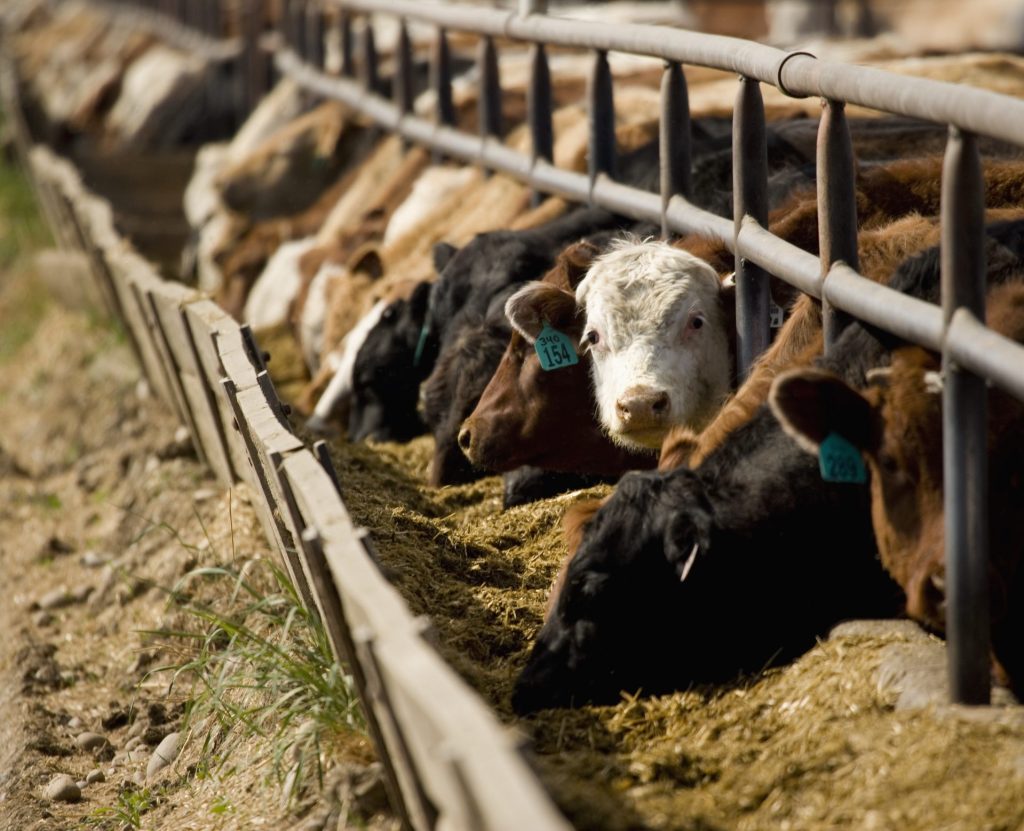
“Antibiotic resistance has long been considered one of the greatest threats to global health. More recently, we’re seeing growing public awareness around the overuse of antibiotics used in the US livestock system – a system that produces much of our meat supply…. With drug resistant pathogens or superbugs, as some people know them, now being called the slower moving pandemic, it’s time to check in on both how the science and the policy are evolving in this important part of our food system…”
Dr. David Wallinga is senior health officer for the Food, Agriculture and Health, Healthy People & Thriving Communities Program at the Natural Resources Defense Council (NRDC), a leading environmental organization. Dr. Wallinga is a physician, and has led the way on connecting science with policy in the area of food and environment. He is highly regarded for his work on antibiotics and the food supply. To learn more about this important public health issue, listen to his podcast interview here:
“A team of international researchers says there is potential for climate-friendly design and operation to improve the greenhouse gas footprint of seaweed, bivalve, and fed finfish mariculture.” See below links to learn more.
Citation: Alice R Jones, Heidi K Alleway, Dominic McAfee, Patrick Reis-Santos, Seth J Theuerkauf, Robert C Jones, Climate-Friendly Seafood: The Potential for Emissions Reduction and Carbon Capture in Marine Aquaculture, BioScience, Volume 72, Issue 2, February 2022, Pages 123–143, https://doi.org/10.1093/biosci/biab126





 Sustainable RDN