“The United Nations’ new “progress report” on climate change confirms the world is careening deeper into the danger zone. The fires, droughts, floods, storms, and other extreme weather that have taken so many lives and livelihoods this year underscore the mountain of evidence about the dangers of a warming world. And yet somehow, we are still letting the planet burn.
Nearly eight years ago, hope was running high as representatives from over 195 countries gathered in the City of Light and hammered out a landmark pact to stave off the worst consequences of climate change. The Paris Agreement is as sweeping as it is historic, aiming to rapidly curb planet-warming greenhouse gas emissions, adapt to a dangerously overheating world, and ensure that all countries have the financial resources they need to tackle the climate crisis head on.
On Sept. 8, the U.N. delivered its first accountability report: a full catalog of actions countries have taken since Paris, known as the Global Stocktake synthesis report. The findings are sobering but also enlightening. The report makes clear that we’re past the point of needing incremental change, but it is also straightforward about what solutions offer the most hope. Most importantly, the report gives us the keys to unlock the transformation needed for countries to keep the promises they made in Paris.
The report warns that we have a rapidly narrowing window to meet the goal set in the Paris Agreement’s of pursuing efforts to limit warming to 1.5 degrees Celsius above pre-industrial temperatures. If we do not take drastic action to avoid soaring beyond this target, the cost of climate disasters we are already seeing today will exponentially increase. And some of the destruction will be irreversible—we could, for example, risk losing the Amazon rainforest and destroying the livelihoods of 47 million people who depend on it.
The good news is we know how to avoid this fate. Four critical areas need urgent attention: fossil fuels, resilience, food, and finance….”
With this information in mind, “we need to focus on how the world produces and consumes food. This is not only vital to building resilience, but also critical for reducing emissions, stopping deforestation, protecting livelihoods and ensuring food security for a growing population.”
“Countries must agree to reduce greenhouse emissions from agricultural production by 25% by 2030 from 2020 levels in order to limit temperature rise to 1.5°C. Countries should also halve food waste by 2030, and equitably shift to more healthy and sustainable diets, which can mitigate a fifth of global emissions. And they must follow through on their commitments to halt deforestation, as 145 countries agreed to under the Glasgow Forests Declaration in 2021.”
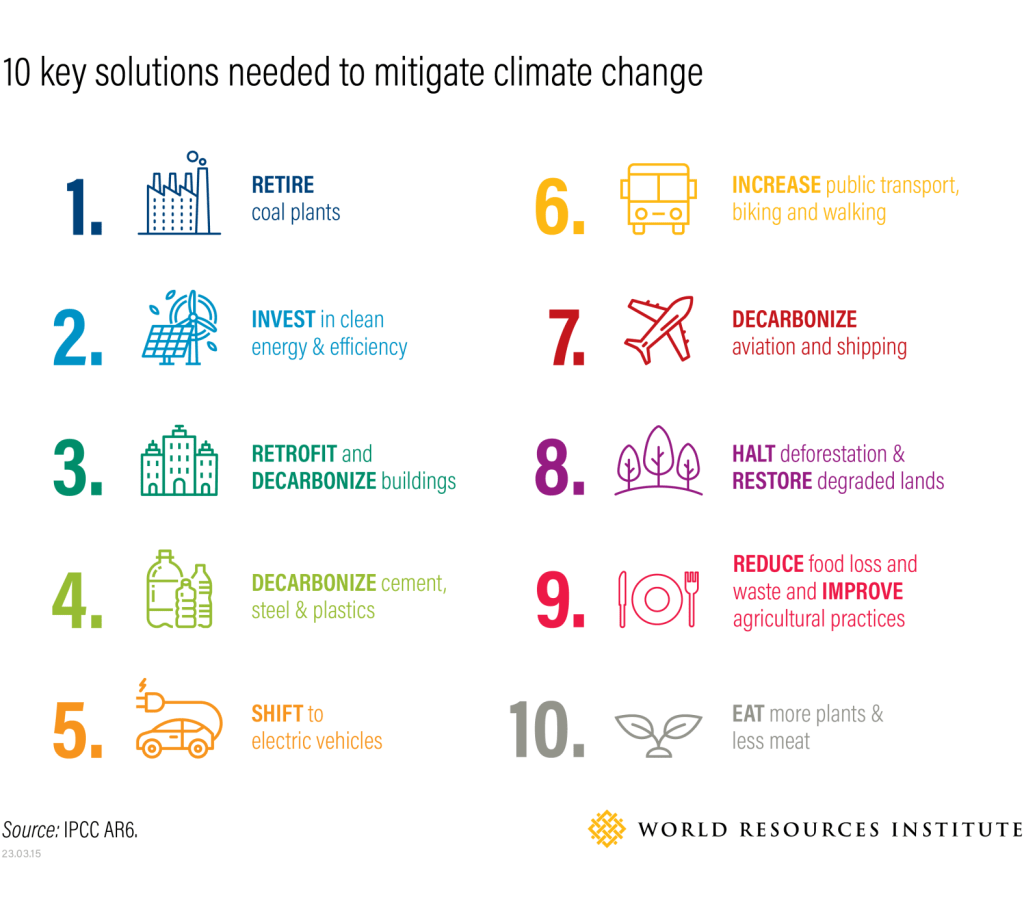
For more information on how to combat climate change, including in the food and agriculture sectors, see the big “10 Take Aways” from the 2023 IPCC Report as summarized by the World Resources Institute (WRI):
10 Big Findings from the 2023 IPCC Report on Climate Change
Shifting to Healthy Sustainable Diets and Reducing Food Waste
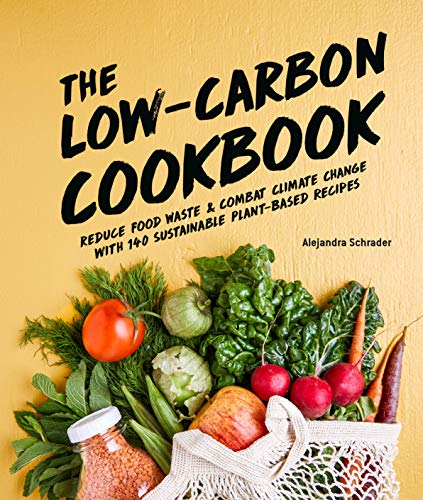
Finally, if you are looking for ways to implement food-related climate change action, be sure to check out the cookbook by Chef Alejandra Schrader: “The Low-Carbon Cookbook: Reduce Food Waste & Combat Climate Change With 140 Sustainable Plant-Based Recipes.”
Reference
Despugta A. U.N. climate warning also comes with clear steps to cut emissions. Time Magazine. September 8, 2023. Available at: https://time.com/6312381/un-climate-warning-offers-solutions/
 Sustainable RDN