A new study (cross-over trial) conducted by researchers at UC San Francisco adds to mounting evidence that eating fewer ultra-processed foods may help reduce symptoms of depression. The study, the first of its kind, was published in JAMA Psychiatry on September 23, 2026. The researchers say it is the first study to compare depression symptoms in the same participants before and after they moved from their usual ultra-processed diet to healthier foods.
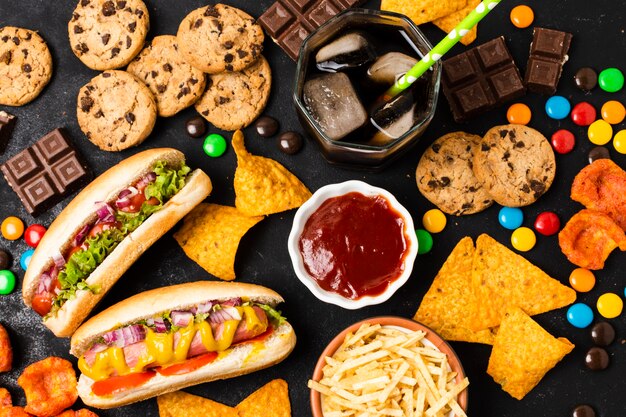
The pilot study included only a small number of participants – 20 people, but senior author Andrew Krystal, MD, Ray and Dagmar Dolby Distinguished Professor in UCSF’s departments of Psychiatry and Behavioral Sciences and Neurology, said it “successfully established the viability of carrying out this research in a larger-scale trial.” (University of California – San Francisco, 2026; Chagwedera et al., 2026).
Depression Symptoms Improved After a Major Diet Shift
“Participants cut their intake of ultra-processed food by more than 85%. After doing so, they showed moderate to large improvements across three different measures of depression. Anxiety scores also improved modestly.”
“Ultra-processed foods include products such as packaged snacks, fast food, sugary drinks, and other industrially manufactured foods. These products may contain ingredients including preservatives, artificial coloring, flavor enhancers, and emulsifiers.”
“Reducing the amount of ultra-processed food in our diet can be challenging, because it’s highly palatable, cheap, and convenient,” said corresponding author Nyasha Chagwedera, MD, PhD, assistant professor in the UCSF Department of Psychiatry and Behavioral Sciences. “Ultra-processed food triggers dopamine, the pleasure hormone, which promotes craving. Food companies work with scientists to find just the right amount of sugar, salt, and fat that make you want to eat more and more.” (University of California – San Francisco, 2026; Chagwedera et al., 2026).
Testing the Gut-Brain Connection
“The participants had an average age of 44, and 70% were female. Along with depression, 14 participants also had anxiety. Everyone in the study had a high BMI and at least one metabolic disorder — such as hypertension, diabetes, or elevated LDL cholesterol.
Researchers divided the participants into two groups. One group stayed on its usual diet for four weeks, while the other switched to a diet low in ultra-processed foods. Participants selected and bought their own food with guidance from the research team. After four weeks, the groups switched diets.” (University of California, San Francisco, 2026; Chagwedera et al., 2026).
“Chagwedera, who founded the UCSF Metabolic and Mental Health Program, said one possible explanation for the connection between ultra-processed food and depression involves what she described as a “leaky, out-of-balance gut.” According to this idea, ultra-processed foods may damage the protective lining of the gut.”
“This gut damage can create low-grade, chronic inflammation throughout the body that either directly causes depression or makes people more vulnerable to it.”
“In other words, junky processing may harm your gut in ways that ripple up to your brain.” (Chagwedera et al., 2026).
Larger Depression Trial Planned
“Because the study was small, the findings are still preliminary. The researchers now plan to investigate the effect in a larger group, with enrollment for phase 2 expected to begin in 2028.” (University of California, San Francisco, 2026).
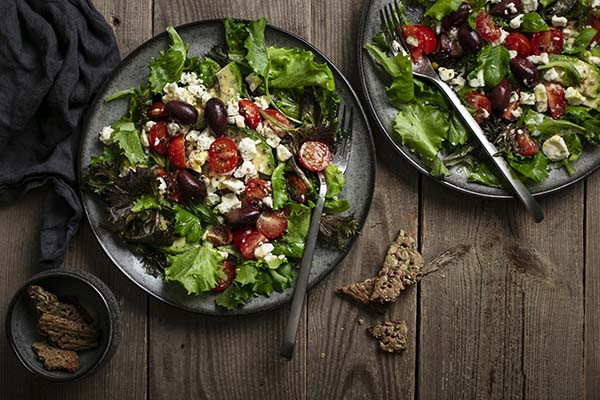
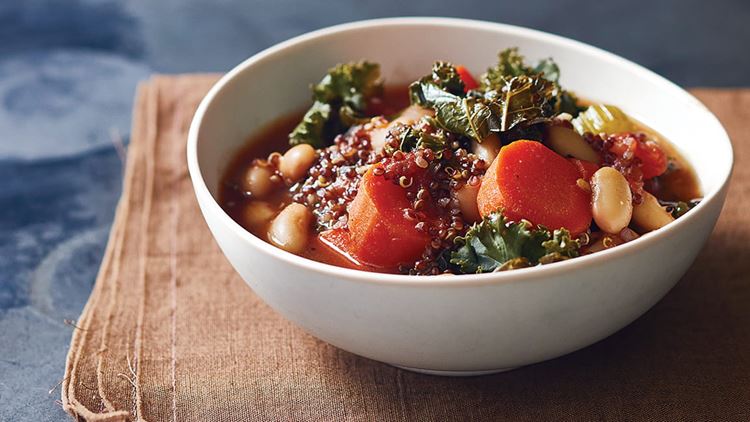
Until then, use common sense and adopt a healthy diet plan such as Mediterranean Diet that is based on whole foods and traditional eating habits, which has nourished populations for thousands of years.
For more information on healthy eating patterns, see:
Mediterranean Diet
Guide to the Mediterranean Diet
https://www.health.harvard.edu/healthy-aging-and-longevity/guide-to-the-mediterranean-diet
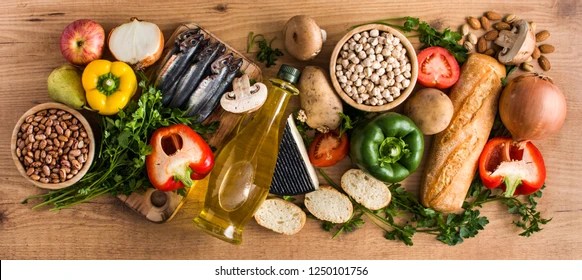
Mediterranean diet may help ease depression
https://www.health.harvard.edu/mind-and-mood/mediterranean-diet-may-help-ease-depression
The American Heart Association
The American Heart Association Diet and Lifestyle Recommendations
References
Chagwedera DN, Kim E, Chiu DT, Jin C, Lee C, Tye S, Krystal A. Reducing Ultraprocessed Foods From the Diets of Patients With Depression: A Pilot Crossover Trial. JAMA Psychiatry. 2026 Sep 23:e262320. doi: 10.1001/jamapsychiatry.2026.2320.
University of California – San Francisco. Could quitting ultra-processed food boost your mental health? Science Daily. October 1, 2026. Available at: https://www.sciencedaily.com/releases/2026/09/260930225448.htm

