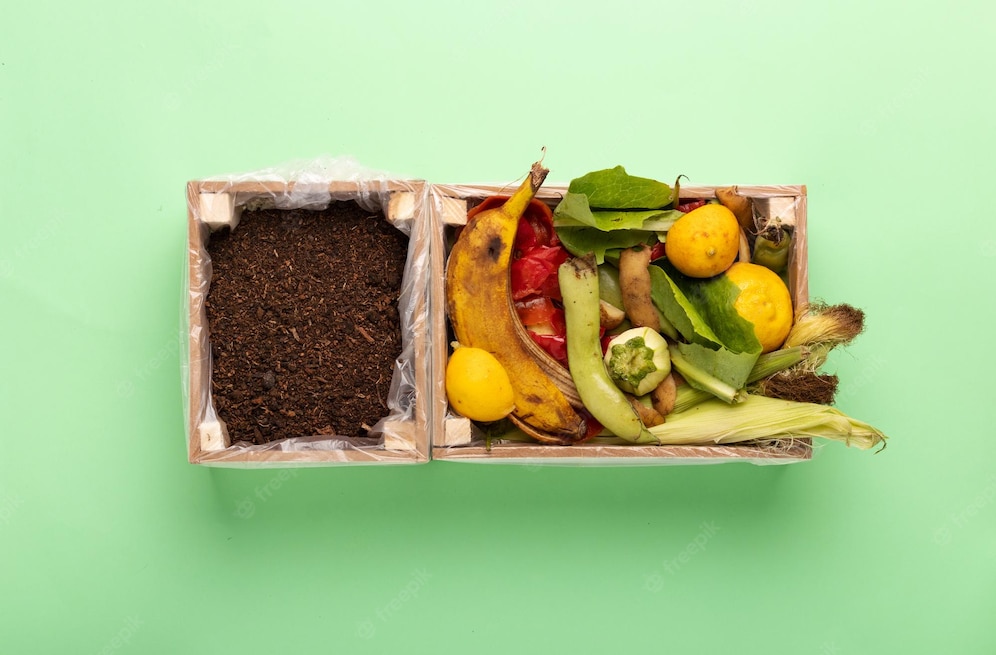
The seventh observance of the International Day of Awareness of Food Loss and Waste (IDAFLW) is approaching September 29, 2026, and now is the time for everyone to get involved and act. This year’s theme will focus on the “Transformative Potential of Reducing Food Loss and Waste.” Tackling food loss and waste, in fact, can generate a triple win: improving food security and nutrition, reducing pressure on natural resources and greenhouse gas emissions, and enhancing productivity and economic growth.
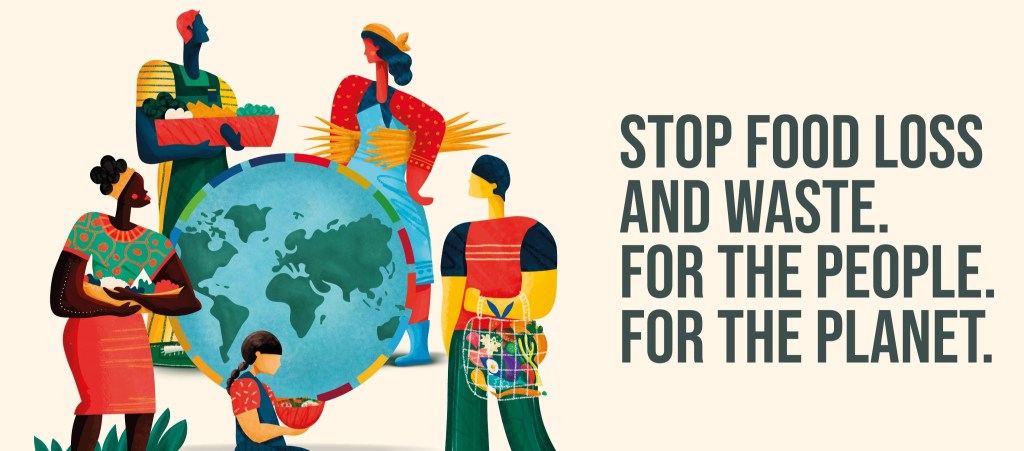
September 29, 2026, is International Day of Awareness of Food Loss and Waste (IDAFLW)
https://www.fao.org/platform-food-loss-waste/flw-events/international-day-food-loss-and-waste/en
Stop food loss and waste, for the people, for the planet!
The United Nations recognizes the importance of reducing food loss and waste. On 19 December 2019, the UN General Assembly adopted resolution 74/209 proclaiming 29 September as the International Day of Awareness of Food Loss and Waste (IDAFLW). The International Day of Awareness of Food Loss and Waste seeks to promote awareness and collective action to reduce food loss and waste.
Decreasing food loss and waste is, in fact, enshrined in the United Nations Sustainable Development Goals (SDGs) – within SDG 12, which seeks to ensure sustainable consumption and production patterns, Target 12.3 aims to “halve per capita global food waste at the retail and consumer levels and reduce food losses along production and supply chains” by 2030.
The world’s population, currently at 8.2 billion, is expected to grow to close to 9.7 billion people by 2050 (UNDESA, 2024). Ensuring a food secure world – where current and future populations have access to sufficient nutritious food – crucially requires new ways of working, and concerted efforts to improve the sustainability and resilience of agrifood systems globally.
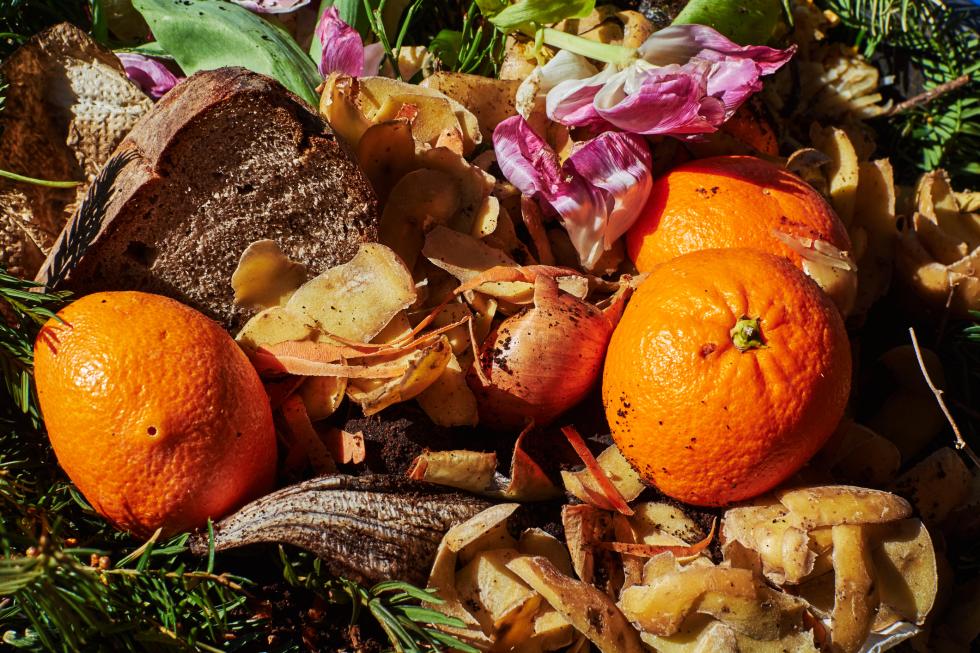
Reducing food loss and waste (FLW) helps to protect natural resources and biodiversity, reduce pollution and greenhouse gas (GHG) emissions, and maximize the use of food produced. It is therefore central to securing efficient, inclusive, resilient and sustainable agrifood systems, and to improving food security, nutrition and health.
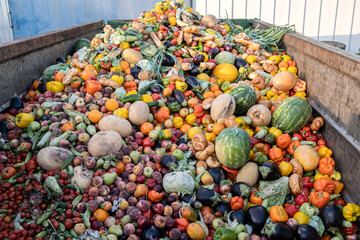
Embracing innovation and fostering circular economy approaches in agrifood systems to prevent, reduce, reuse and repurpose FLW also serves to create new job opportunities, improve livelihoods and generate financial benefits for a range of stakeholders.
Now is the time for everyone – from producers, investors, businesses and supply chain stakeholders to consumers of all ages, as well as academia and research, civil society, and the private and public sectors – to take urgent action to expand and strengthen efforts both individually and collectively, to reduce food loss and waste towards ensuring a food secure world – now and in the future.
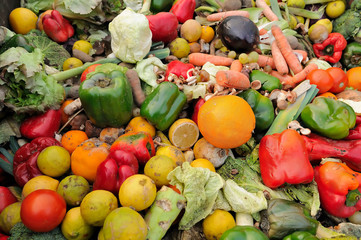
Food loss and waste in numbers
- An estimated 13% of food produced is lost globally after harvest and prior to reaching retail shelves based on the most recent estimates ( FAO, 2019).
- Recently updated estimates showed that a frightening 19% of food available to consumers – the equivalent of 1.05 billion tonnes – is wasted either by being discarded at retail, in food service settings, or thrown away by households. That’s almost one fifth of all food that reaches the end of the supply chain ( UNEP, 2024).
- Collectively, we waste a lot of food at home. In fact, a staggering 60% of food waste is wasted at the household level, 28% from food service, and 12% from retail ( UNEP, 2024).
- While all this food is being lost and wasted, an estimated one in thirteen people worldwide experienced hunger in 2025, representing between 608 and 696 million people (7.4-8.5 percent of the global population). Moreover, an estimated 2.1 billion people – 25.8 percent of the global population – experienced moderate or severe food insecurity ( FAO, 2026).
- According to the latest estimates, approximately 2.69 billion (32.7 percent) people in the world cannot afford a healthy diet ( FAO, 2026). Among the various food groups, fruits and vegetables – a key component of a nutritious diet – experience the highest percentage of losses, further aggravating this global challenge ( FAO, 2019).
- Food loss and waste also contributes to 10% of global greenhouse gas emissions (FAOSTAT, 2025), impacting climate change and environmental sustainability. Reducing food loss and waste is therefore a climate solution, which countries and communities can employ to reduce greenhouse gas emissions and protect natural resources ( IPCC, 2019).
- Food that is never eaten uses up 28% of the world’s agricultural land area ( FAO, 2013).
- The global land occupation footprint of food loss and waste, which is the total hectares used to grow food that ends up not being consumed, is about 1.4 billion hectares ( FAO, 2013), which is larger than Canada or China.
- Food loss is also a market failure, representing an estimated annual loss of US$400 billion in food value ( FAO, 2019).
- Food waste results in the throwing away of more than US$1 trillion worth of food every year ( UNEP, 2024).
How can you mark the day?
- Join the conversation on social media using the hashtag #FLWday hashtag.
- Use our visual identity free materials – available in multiple languages.
- Check out the IDAFLW social media kit for more resources.
- Join or organize events to raise awareness on food loss and waste.
- Register your event on the IDAFLW 2026 world map.
- Don’t forget to tell us about it at Food-Loss-Waste-Day@fao.org.
For more information, see: https://www.fao.org/platform-food-loss-waste/en/
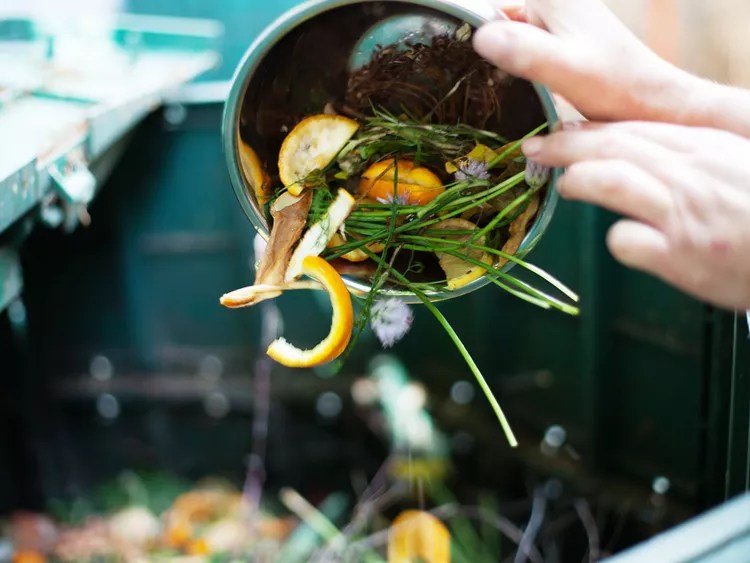
September 28 – October 4, 2026, is also Food Waste Prevention Week.
See the information included below to learn more and for resources to act including a Food Waste Prevention Toolkit.
Food Waste Prevention Week: September 28 – October 4
Food Waste Prevention Week is back, and this year’s theme is, Food Heroes in Your Neighborhood, which spotlights both local people and organizations doing the work of food waste prevention across the United States (US).
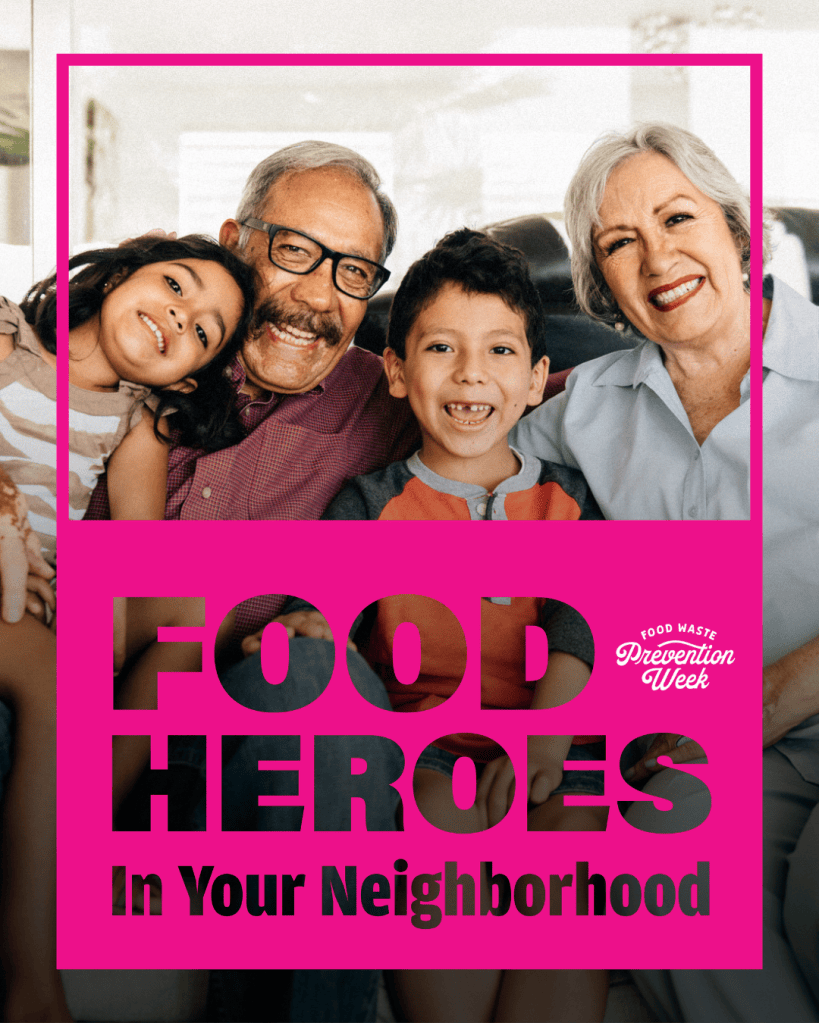
Food Waste Prevention Week Toolkit (2026)
Why Reducing Wasted Food Is Important
When we truly value food, we create ripple effects that transform our world. Every ingredient that reaches our plate represents months of growth, countless resources, and the dedication of farmers, producers, and communities. By honoring this precious resource, we’re not just making better choices—we’re building a more sustainable, equitable future.
For Our Communities
When we maximize the value of food, we help ensure that nutritious meals reach those who need them most, strengthening food security for everyone.
For Our Families
Learning to treasure and creatively use ingredients saves money, sparks culinary creativity, and teaches valuable life skills that connect us to our food and each other.
For Our Future
By changing how we think about food today, we’re creating a culture that sees abundance in what we have rather than scarcity in what we lack.
For Our Planet
Keeping good food in use reduces the environmental impact of agriculture while protecting our natural resources for future generations. When perfectly good food ends up in landfills, it creates methane—a greenhouse gas far more potent than carbon dioxide—while taking up valuable space that could be preserved for genuine waste.