As described in a new review by Tiombayeva et al. (2025), “Amaranth (Amaranthus spp.) is frequently regarded as a promising alternative to traditional cereal crops [1]. Unlike most traditional cereal crops, amaranth is characterized by a balanced amino acid composition, including all essential amino acids, the absence of gluten in its grain and high levels of dietary fiber, antioxidants (polyphenols, squalene, α-tocopherol), macro- and microelements (iron, calcium, magnesium, zinc), phytochemical compounds, and bioactive peptides [2,3,4,5,6,7].” (Toimbayeva et al., 2025)
“In the mid-1970s, the U.S. National Academy of Sciences [8] identified three species of amaranth—A. Caudatus, A. cruentus, and A. hypochondriacus—traditionally cultivated in Central America and Mexico which are essential food sources with substantial potential for further breeding. The likely wild relatives or ancestors of these species are A. powellii and A. hybridus, both of which are widely distributed across Mexico [9].” (Toimbayeva et al., 2025)
Currently, the amaranth species used for food applications include A. cruentus, A. caudatus, and A. hypochondriacus [10]. These species are actively cultivated in North America (the US and Canada), Central and South America (Guatemala, Peru, Ecuador and Argentina), Europe (Germany and France), Asia (India and China), and Africa (Ethiopia). “This pseudocereal crop is highly tolerant to adverse environmental conditions: it can thrive in saline and alkaline soils, withstand high temperatures, grow at high altitudes, and endure periods of water scarcity [11,12]. This makes it a promising crop for widespread cultivation, especially in the content of climate change. Furthermore, amaranth is considered an environmentally sustainable crop, as its natural resistance to pests allows it to be grown without the need for chemical treatments or fertilizers.” (Toimbayeva et al., 2025)
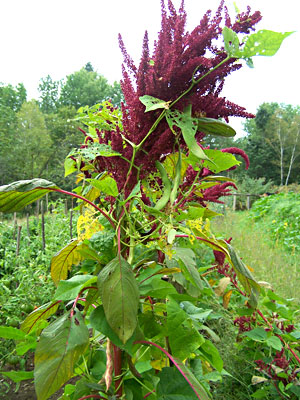
Nutritional content of amaranth
“In terms of nutritional content, amaranth seeds, whether in their wild or cultivated forms, have a notably high protein content compared to other cereal crops [13]. Unlike traditional cereals such as maize and rice, which predominantly concentrate protein in the endosperm, amaranth stores the majority of its protein (up to 65%) in the germ and seed coat [14].”
“The protein profile of amaranth is mainly composed of easily digestible albumins and globulins [15,16]. From a nutritional perspective, a key feature of amaranth’s protein composition is the presence of all essential amino acids, which the human body cannot synthesize and must obtain from external sources. The isoleucine, leucine, and lysine are particularly abundant, with the lysine content in amaranth being twice as high as in traditional crops [2]. Bioactive peptides derived from amaranth proteins exhibit diverse physiological effects, including anticholesterolemic, antihypertensive, antioxidant, and antithrombotic activities [17].” (Toimbayeva et al., 2025)
“The carbohydrate composition of amaranth seeds is also actively studied. The starch content of amaranth exceeds 60%, with an amylose fraction ranging from 4.7% to 12.5% [18,19,20]. The total concentration of mono- and oligosaccharides (glucose, fructose, sucrose, and raffinose) in dry matter ranges from 3% to 4%, with sucrose being the predominant component, at a content twice that found in the grains of traditional cereals [21].”
“Amaranth seeds are rich in dietary fiber, which has hypotriglyceridemic effects that aid in regulating the metabolism of both saturated and unsaturated fatty acids [4]. The lipid profile of amaranth is composed of triacylglycerols (TAGs), phospholipids, squalene, and fat-soluble vitamins, primarily tocopherols, which are the main components of the lipophilic fraction of the seeds [22].” (Toimbayeva et al., 2025)
“Despite the mentioned advantages, amaranth is still rarely utilized, particularly as a cereal crop, despite its significant potential in the food industry [5,23,24]. Amaranth and its processed derivatives play a crucial role in the development of innovative food products, broadening their variety [25]. Thermal and biological processing of amaranth enhances its food acceptability and nutritional profile while also increasing the antioxidant activity and bioavailability of bioactive compounds [26,27].” (Toimbayeva et al., 2025)
The nutritional and biological value of Amaranth
“Amaranth (lat. Amaranthus) is a pseudocereal crop with high nutritional and biological value. Amaranth grain is characterized by a high protein content, up to 21.5%, which significantly exceeds the corresponding figure for most traditional cereal crops. The protein profile of amaranth includes all essential amino acids, with particularly high concentrations of lysine, methionine, cysteine, and tryptophan. This makes amaranth a valuable source of complete protein, especially within vegetarian diets and gluten-free diets.” (Toimbayeva et al., 2025)
“The lipid composition of the grain varies from 6 to 9%, and in some species, it can reach up to 19%. The main portion of fats consists of unsaturated fatty acids (up to 83%), including linoleic, oleic, and palmitoleic acids. Notably, the content of the biologically active compound squalene (up to 11% of the total lipid fraction), as well as tocopherols with antioxidant activity, is remarkable.” (Toimbayeva et al., 2025)
“Amaranth grain is a source of dietary fiber, vitamins (B, C, and E), and minerals—potassium, calcium, magnesium, phosphorus, iron, and zinc. The composition also includes various bioactive compounds, including flavonoids (quercetin, kaempferol, rutin, vitexin, isovitexin) and phenolic acids (ferulic, gallic, vanillic, etc.).” (Toimbayeva et al., 2025)
“Figure 1 provides a comprehensive diagram of the chemical composition of amaranth grain, highlighting its primary nutrient groups and bioactive compounds. The illustration clearly depicts the protein, lipid, carbohydrate, vitamin, and mineral components, alongside a diverse array of biologically active substances, such as phenolic compounds, flavonoids, and squalene.” (Toimbayeva et al., 2025)
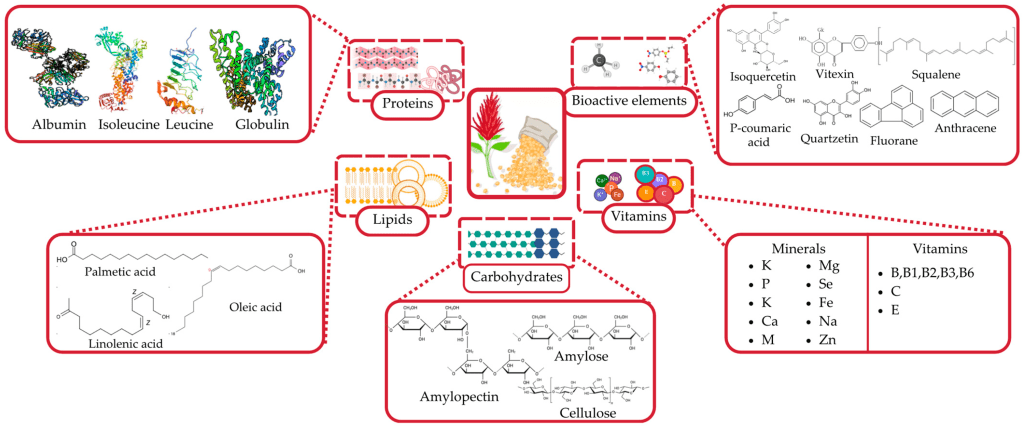
Figure 1. Chemical composition and bioactive compounds of amaranth grain.
Health Benefits of Amaranth Components
“Modern studies confirm the antioxidant, antihypertensive, antitumor, hypocholesterolemic, immunomodulatory, antidiabetic, and antimicrobial activities of amaranth components. One of the key areas is the positive impact of amaranth on the composition of the intestinal microbiota and the enhancement of short-chain fatty acid production, which contributes to the improvement of the body’s metabolic status and the reduction in systemic inflammation.”
“Clinical and preclinical data indicate the effectiveness of amaranth peptides in inhibiting enzymes involved in the pathogenesis of diabetes, hypertension, and hypercholesterolemia. In particular, the ability of amaranth peptides to inhibit DPP-IV, α-glucosidase, pancreatic lipase, cholesterol esterase, and ACE has been established. Moreover, amaranth peptides and other compounds exhibit high selective activity against tumor cells by modulating signaling pathways associated with cell proliferation, apoptosis, and inflammation.” (Toimbayeva et al., 2025)
“Amaranth has also shown immunomodulatory properties, manifested in the ability of its components to reduce the production of pro-inflammatory markers, inhibit inflammatory signaling pathways (NF-κB), and enhance the body’s resistance to infectious and metabolic stresses. It has been proven that amaranth peptides can be used as natural anti-inflammatory and antimicrobial agents, especially in conditions of impaired immune response.” (Toimbayeva et al., 2025)
“Studies demonstrate amaranth as a safe and highly nutritious component for gluten-free diets, and confirm its ability to provide improved qualities in products such as bread, pasta, snacks, and baby food. Moreover, its bioactive compounds, including antioxidants and polyunsaturated fatty acids, open up prospects for the use of amaranth in nutraceuticals and functional beverages. Finally, its low allergenicity, high nutritional value, and good tolerance in patients with celiac disease underscore its significance in specialized diets.” (Toimbayeva et al., 2025)
“Amaranth grain is a pseudocereal crop with exceptional nutritional and biological potential. It is abundant source of high-quality protein, enriched with essential amino acids vital for human nutrition [28,29,30]. Additionally, it has a substantial lipid content, primarily consisting of unsaturated fatty acids, such as linoleic, oleic, and palmitic acids [31,32]. Its carbohydrates are easily digestible [33], and it provides dietary fiber [34], as well as a broad spectrum of vitamins and minerals [5]. Furthermore, amaranth is a valuable source of numerous bioactive compounds, including phenolic acids, flavonoids, squalene, and other antioxidants [35], which exhibit pronounced functional properties.” (Toimbayeva et al., 2025)
Nutritional analysis of amaranth
One cup of cooked amaranth has 9.3 grams of protein.
Other nutrition statistics for 1 cup of cooked amaranth include:
- 251 calories
- 46 grams of carbohydrate
- 5 grams of fiber
- 5.2 grams of fat
- >100% of the RDA for manganese (important for brain health)
- 40% of the RDA for magnesium
- 36% of the RDA for phosphorus
- 29% of the RDA for iron
Amaranth Preparation
Bob’s Red Mill: Basic Preparation Instructions for Organic Whole Grain Amaranth
https://www.bobsredmill.com/recipes/how-to-make/basic-cooking-instructions-for-amaranth
Amaranth Recipes
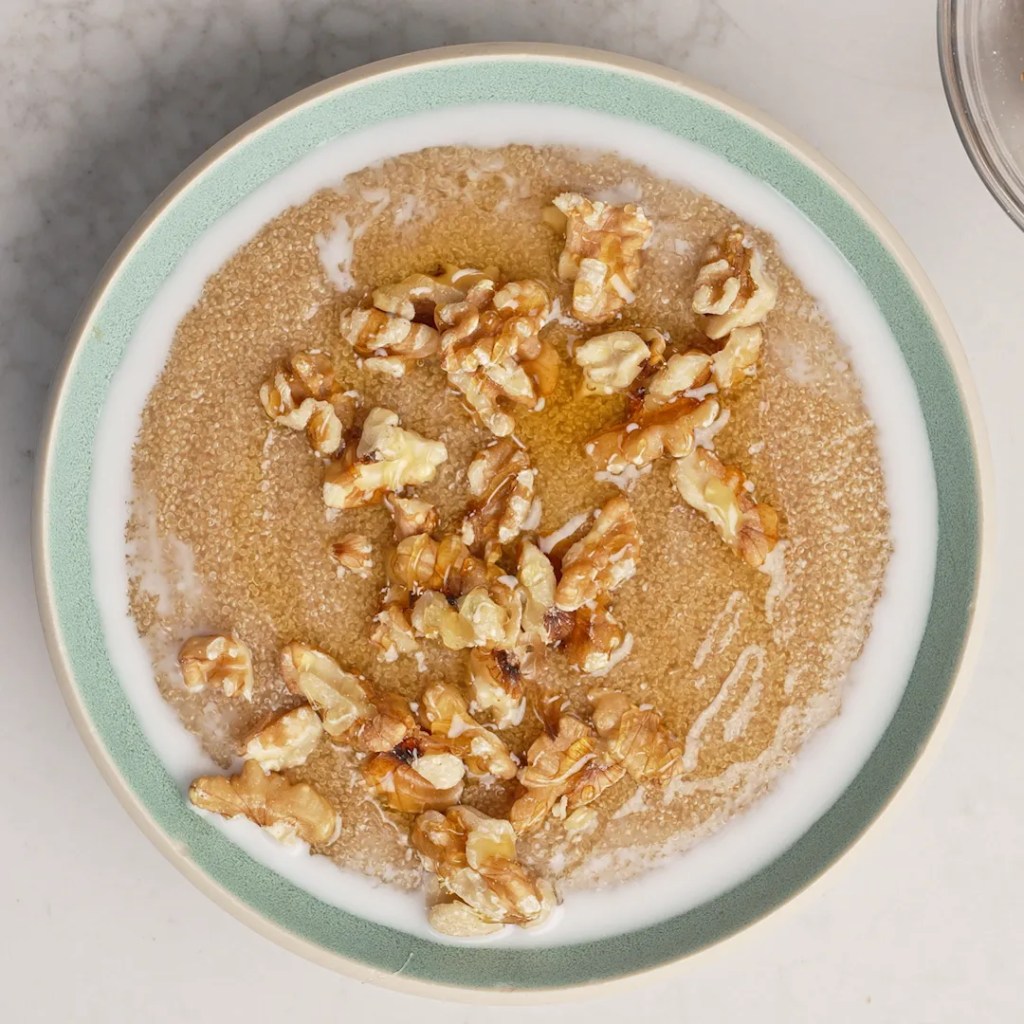
Breakfast Amaranth with Walnuts and Honey
Recipe information
- Total Time
30 minutes
- Yield
Makes 4 to 6 servings
Ingredients
2 cups amaranth
4 cups water
½ teaspoon salt
Accompaniments: Broken or chopped walnuts, pecans, or almonds; honey or pure maple syrup; milk
Preparation
- Step 1
In a 3- to 4-quart heavy saucepan combine the amaranth and the water. Cover the pan and bring the mixture to a boil, whisking occasionally. Using a heatproof rubber spatula, push any seeds clinging to the side of the pot into the liquid then reduce the heat to low and continue to simmer, covered, until the liquid is absorbed, 20 to 25 minutes. Stir in salt.
Step 2
Remove the pan from the heat and let it stand, covered, 5 to 10 minutes. Divide amaranth among bowls and top with nuts, honey, and milk.
Source: Epicurious Recipes. https://www.epicurious.com/recipes/food/views/breakfast-amaranth-with-walnuts-and-honey-51215420
Aztec Amaranth Polenta with Red Bean, Corn, and Chile Ragout
Servings: 8 Servings
Ingredients
Polenta
- 1/2 cup Organic Amaranth Grain
- 1/2 cup Gluten Free Yellow Corn Polenta
- 3 cups Vegetable Broth
- 1/2 tsp Sea Salt
Ragout
- 1 cup Onion sliced in strips
- 1 Red Bell Pepper large-sized, sliced in strips
- 1 Poblano Pepper large-sized, chopped
- 1 cup Sweet Corn
- 2 Tbsp Olive Oil
- 2 Garlic cloves chopped
- 1-1/2 cups Red Kidney Beans cooked
- 14 oz Tomato Puree (fire-roasted)
- 1 tsp Oregano dried
- 1/2 tsp Sea Salt
- 1/2 cup Cilantro (fresh)
Instructions
Polenta
- Prepare an 8-inch square baking pan by lightly rubbing it with olive oil. In a 2-quart saucepan, bring the vegetable stock, polenta, amaranth and salt to a simmer. Reduce heat to low and stir the mixture often until thick, about 20 minutes.
- Scrape the cooked grain into the prepared pan and smooth the top. Chill.
Ragout
- Prepare the vegetables and reserve. Heat a large sauté pan over medium-high heat and add oil, then add onions, peppers and corn and cook, stirring. When onions are tender, add garlic and stir for 1 minute. Add tomato puree, kidney beans and oregano and simmer until thick. Stir in salt and cilantro. Take off heat and keep warm; adjust seasonings.
- Preheat broiler. Oil a baking sheet. Run a paring knife around the polenta in the pan and loosen it, then flip out onto the baking sheet. Slice the polenta into four squares, and then cut each into two triangles. Move the pieces so they are not touching. Lightly oil the tops of the polenta pieces and broil them 6 inches from the heat. Watch them carefully, and turn when the tops are golden and crisp.
- When the polenta is hot and crispy on the edges, serve with ragout. Top each serving with crumbled queso fresco or a dollop of cream if desired.
Source: Bob’s Red Mill. Available at:https://www.bobsredmill.com/recipes/how-to-make/aztec-amaranth-polenta-with-red-bean-corn-and-chile-ragout
References
Toimbayeva D, Saduakhasova S, Kamanova S, Kiykbay A, Tazhina S, Temirova I, Muratkhan M, Shaimenova B, Murat L, Khamitova D, et al. Prospects for the use of amaranth grain in the production of functional and specialized food products. Foods. 2025; 14(9):1603. https://doi.org/10.3390/foods14091603
Mng’omba SA. Grain amaranth, a potential and resilient food crop amenable to processing for diverse food and other products. Frontiers in Sustainable Food Systems. 2025;9:1656596. doi:10.3389/fsufs.2025.1656596
Myers RL. Amaranth: An Ancient Grain and Exceptionally Nutritious Food. California: Indigo; July 2018. Available at: https://www.indigo.ca/en-ca/amaranth-an-ancient-grain-and-exceptionally-nutritious-food/9780692161050.html
Mikuy A, Mikuy S. Traditional High Andean Cuisine (Peru and Ecuador). Santiago de Chile: FAO; 2013. Available at: https://www.fao.org/4/i1466e/i1466e.pdf
 Sustainable RDN