“A diverse diet is a healthy diet. Research has shown that increasing the number of species and varieties we grow and consume can deliver a full range of nutrients and benefits to nourish human health. ” (Borelli and Hunter, 2024)
“This is particularly urgent because our food systems fail to provide the nourishment we need. Food diversity in production and consumption has reached an all-time low, due to several compounding crises: climate change, land degradation, and the prioritization of mass production of cheap, low-quality food. In 2022, 3 in 10 people globally – some 2.4 billion people – were moderately to severely food insecure while more than 4 people in 10, over 3.1 billion people, were unable to afford a safe, nutritious diet particularly vulnerable groups, such as indigenous peoples. As proof of our low diverse global diet, we now obtain over 50% of our plant-based calories from only three crops: rice, wheat and maize.
“It doesn’t have to be this way. Agrobiodiversity – the wealth of different plants, animals, and micro-organisms that make up our agri-food systems – can provide a bountiful menu of different foods, species and genetic diversity to transform food production systems. If policymakers, industry and development organizations incentivize the integration of agrobiodiversity, we can improve livelihoods, reduce health risks, and make what we eat more sustainable, equitable, and resilient. ” (Borelli and Hunter, 2024)
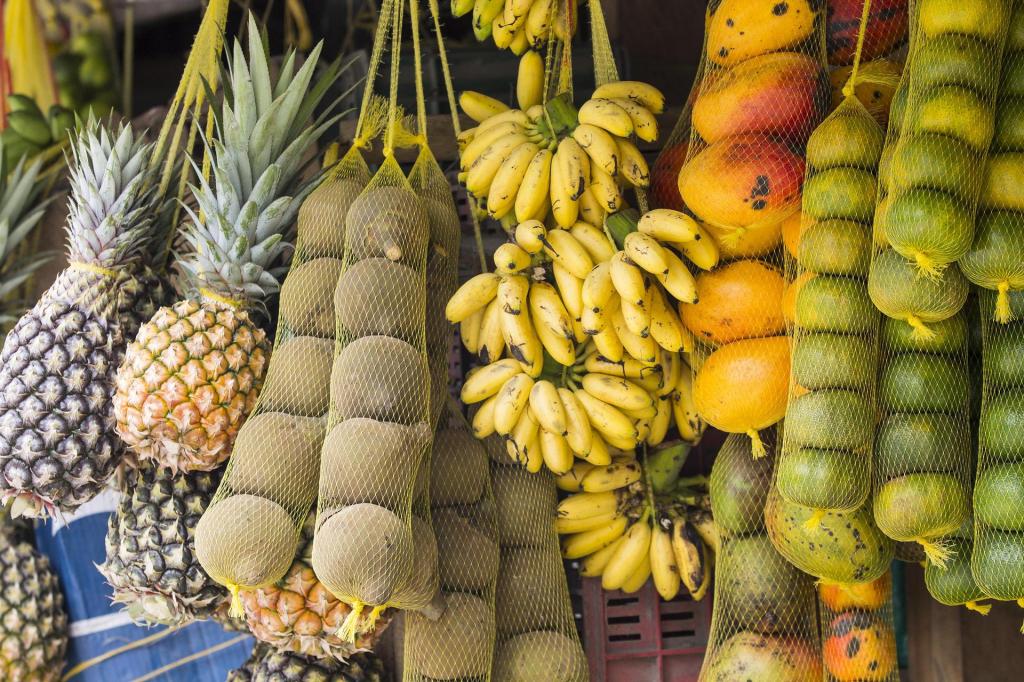
What does food diversity offer?
“Maximizing biodiversity’s benefits demands understanding its fundamental contribution to food provision and health, including nutritional composition. The nutrient content between different species, or different breeds and plant varieties can vary greatly, as can their cost and availability throughout the seasons. Nutrient availability also differs depending on the part of the plant or animal eaten, and how it is prepared and cooked.
Our current knowledge only scratches the surface of food’s complexity. Recent innovations in biomolecular analysis have peered into the “dark matter” of food, scouring the 2,600 macronutrients, micronutrients, and other components that can impact our health. Beginning with 1,650 foods, the Periodic Table of Food Initiative is compiling data to spark innovation in crop breeding, dietary recommendations, and incentives for adopting more diverse diets at scale. ” (Borelli and Hunter, 2024)
The lessons of traditional food
“Food and culture are closely entwined. For centuries, agrobiodiversity has been part of cuisines around the world. A study conducted in Turkey (Türkiye) reported that wild food plants are still widely used in local and traditional cooking in many parts of the country. Some are eaten raw, while others are cooked, requiring more complex processing and preparation. The study also found 29 species are used in traditional herbal medicine for curing almost 40 ailments, including diabetes, indigestion, common colds, kidney stones, coughs, cardiovascular problems, and toothaches. We have evidence that indigenous food systems and the diverse foods and diets that compose them strengthen connections to land, environment, livelihoods, resilience, and well-being.” (Borelli and Hunter, 2024)
The future: school meals as an entry point
“Connecting tradition and innovation does not have to be complicated. There are many simple ways to integrate biodiversity into diets in ways that are culturally sensitive and informed by research.
One exemplary opportunity is school meals. A recent estimate is that 418 million children benefit from school meals. Evidence shows school meals improve nutrition for school children but there is room for improvement that could be filled by increased agrobiodiversity in meals. Not only can school meals provide essential nutrition to schoolchildren, but they can also be an educational resource. School meal programs also employ over 4 million people.
Public procurement that sources local produce from small-scale farmers, known as home-grown school feeding (HGSF), can solve multiple problems at once. A 2022 assessment of HGSF programs in 12 countries in Latin America and the Caribbean found evidence of healthier eating habits, improved dietary diversity, and enhanced school enrollment, increasing students’ productive potential later in life. ” (Borelli and Hunter, 2024)
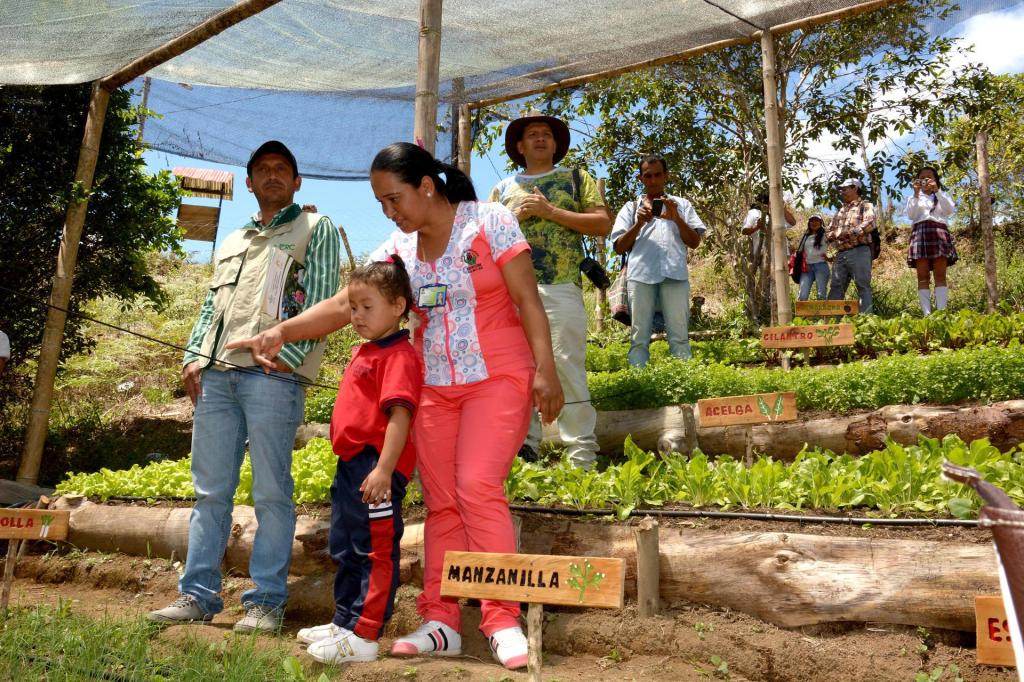
Kindergarten teachers and children in Cauca, Colombia collaboratively grow vegetables, learning about the effects of weather on plant growth and the significance of soil care.
“HGSF approaches can also incentivize biodiversity cultivation through shortened supply chains. In Busia County, Kenya, the HGSF approach was piloted to diversify diets with locally sourced indigenous vegetables. This initiative has demonstrated significant potential in promoting social protection. Preliminary evidence indicates that this approach positively influenced dietary diversity in school meals, encouraged the cultivation of neglected and underutilized species, and improved economic and social outcomes for producers.
Since the pandemic, this space is gaining recognition: the Alliance joined over 120 partners as part of the School Meals Coalition hosted by the World Food Programme (WFP), which aims to improve cross-country implementation of school meal programs with an emphasis on reaching vulnerable children.” (Borelli and Hunter, 2024)
For more information on the School Meals Coalition, visit:
http://www.schoolmealscoalition.org
Reference:
Borelli T, Hunter D. Biodiversity on our plate: the health and nutrition connection. Alliance for Bioversity International and CIAT. May 23, 2024. Available at: https://alliancebioversityciat.org/stories/biodiversity-plate-health-nutrition-connection
 Sustainable RDN