If you want to eat chocolate and do better for the planet, dark chocolate is by far your best bet. This is the conclusion and takeaway message of a new study published in Science of the Total Environment (2026) that compared different types of chocolate for their environmental impacts. The study authors found that, “the major environmental burden of this sweet treat lies within the ingredients used to make it—the main culprits being palm oil, and milk.” (Bryce, 2026; Konar et al., 2026).
Focusing on the emerging chocolate market in Turkey, the researchers compared four types of chocolate — “dark, milk, white, and compound chocolate (where some cocoa butter is substituted by fats like palm oil.)” “For each type, the researchers carried out a life cycle analysis, capturing everything from the field impacts where ingredients were grown, through to packaging and retail. They calculated impact across 18 categories, including global warming potential, land, water, and energy use.” (Bryce, 2026; Konar et al., 2026).
“Out of this comparison, dark chocolate emerged as the clear sustainability victor, with a smaller footprint than all other chocolate types across several impact categories.”
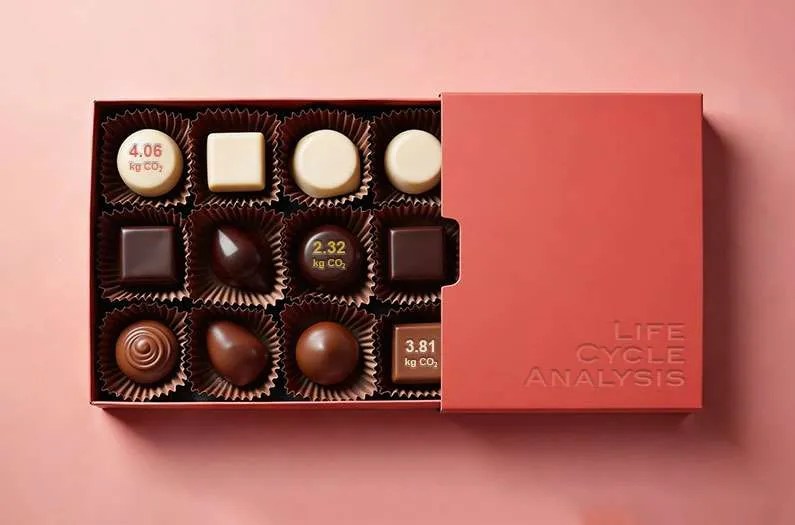
“Dark chocolate had a global warming potential of 2.32 kilograms of CO2-equivalent, which was almost half that of white chocolate, at 4.06 kilos per CO2-eq. It also excelled on land use, requiring only half of what white chocolate did, and used less water than white, milk, and compound chocolate. It also had the lowest freshwater and terrestrial pollution impact of all.”
“By comparison, compound chocolate used large amounts of freshwater and had a high marine pollution impact. White chocolate, meanwhile, had the highest global warming impact of all four, as well as the biggest water and pollution footprint overall.” See Figure 1.
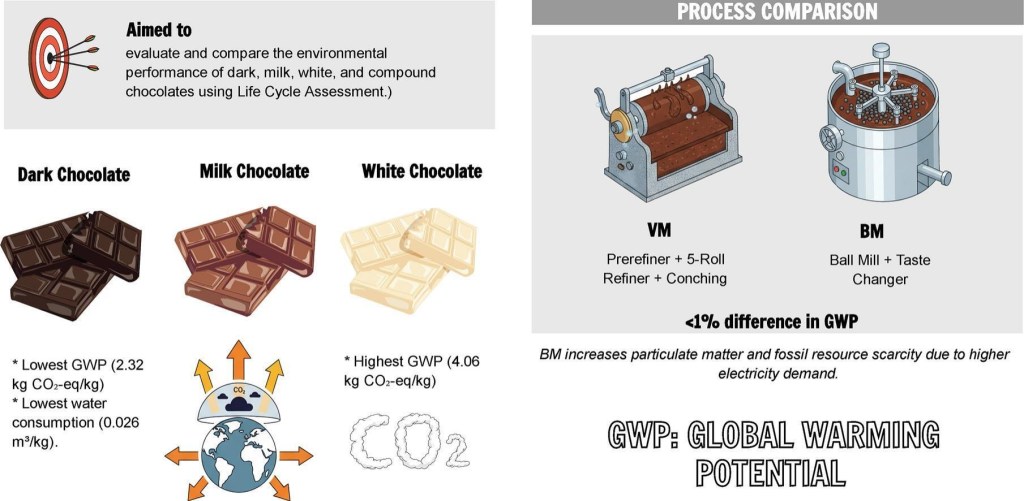
Figure 1. Global Warming Potential and Water Use for Different Types of Chocolate
When the researchers looked through the lifecycle data, the researchers discovered that chocolate ingredients accounted for these differences, driving the bulk of the environmental burden in every case. “The milk powder used to make milk and white chocolate relies on the land-, water-, and emissions-intensive dairy farming. The palm oil that replaces cocoa fats in compound chocolate comes from vast palm plantations that give this chocolate type a hefty water and pollution impact.” (Bryce, 2026; Konar et al., 2026)
“Other lifecycle factors like chocolate production method, energy use, and transport methods did contribute to the overall footprint of each chocolate, but they were overshadowed by the ingredient impacts. In fact, raw materials contributed 60% of chocolate’s environmental burden overall, and most of that was driven by milk and palm oil production.”
“The lack of both these ingredients in dark chocolate explains why it had a higher sustainability score. But it’s still not a perfect sweet treat. Despite using little or no milk, the biggest impacts from dark chocolate came from the terrestrial, freshwater and marine pollution caused by the larger share of cocoa cultivation needed to make this product.” (Bryce, 2026; Konar et al., 2026)
“Ultimately, this was the study’s point: different ingredients create trade-offs and also harbor the biggest opportunities for change along the production chain of each chocolate type, including dark.” (Byrce, 2026; Konar et al., 2026)
Tweaking chocolate recipes to avoid or reduce those key impact hotspots is therefore the most powerful way to reduce their environmental burden, the researchers suggest. In the meantime, there’s an important step that every chocolate-lover can take – eat a little more chocolate and a little less milk chocolate. And that’s hardly a struggle from both a taste and environmental standpoint. (Bryce, 2026; Konar et al., 2026)
Dark Chocolate in Quito, Ecuador
Ecuador is considered the birthplace of cacao/chocolate. I visited a local artisanal chocolate shop in Quito, Ecuador in late June 2025 where I learned firsthand about the chocolate-making process as well as the different varieties of cacao that are produced around the world. The local chocolate expert I spoke with at KITU Artesanal Chocolate in Quito, Ecuador explained to me the different varieties of cacao that are used in the chocolate-making process, and which ones are considered superior from a quality standpoint (see the photos below).

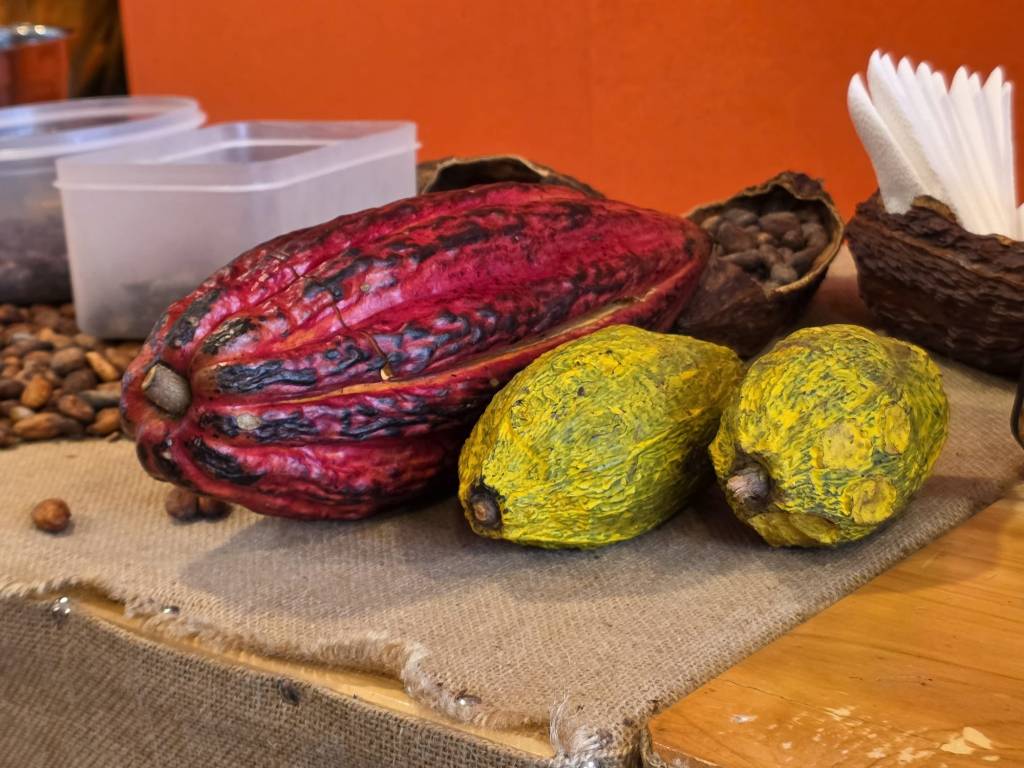
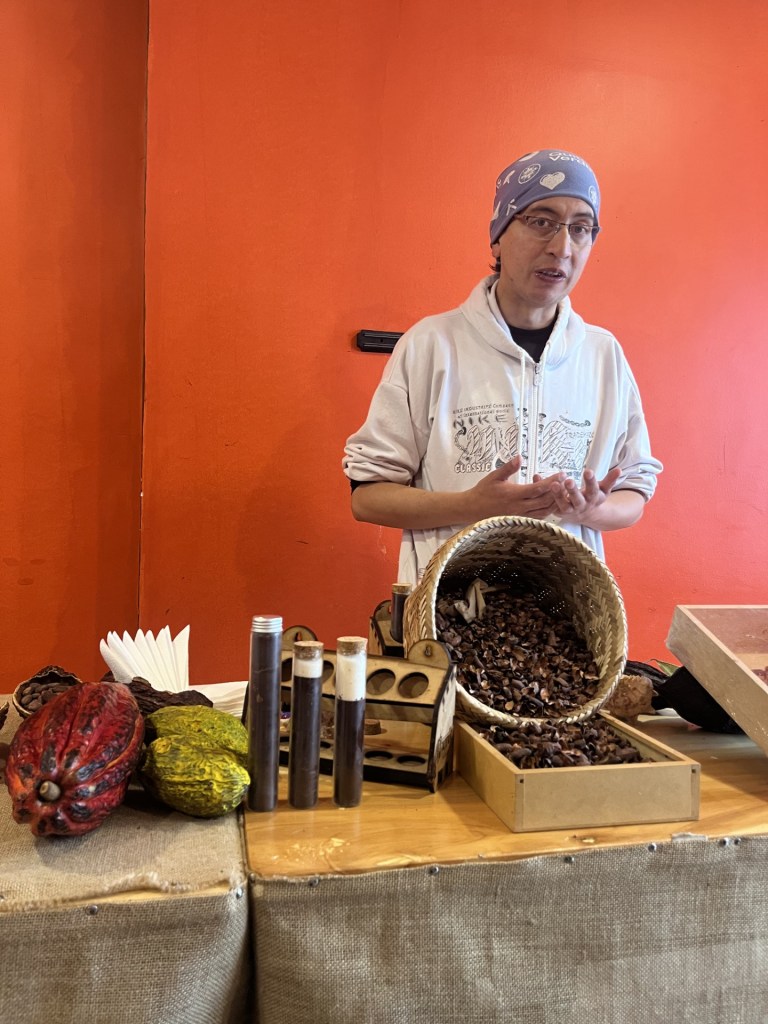
For more information on KITU Artesanal Chocolate (Quito, Ecuador), visit their Facebook page:
Kitu Artesanal Del Ecuador
https://www.facebook.com/kitu.chocolate/
Dark Chocolate in Bogotá, Colombia
In Bogotá, Colombia, where I live there is also excellent high-quality dark chocolate available. For example, see:
Distinto Cacao and Coffee – Bogotá, Colombia
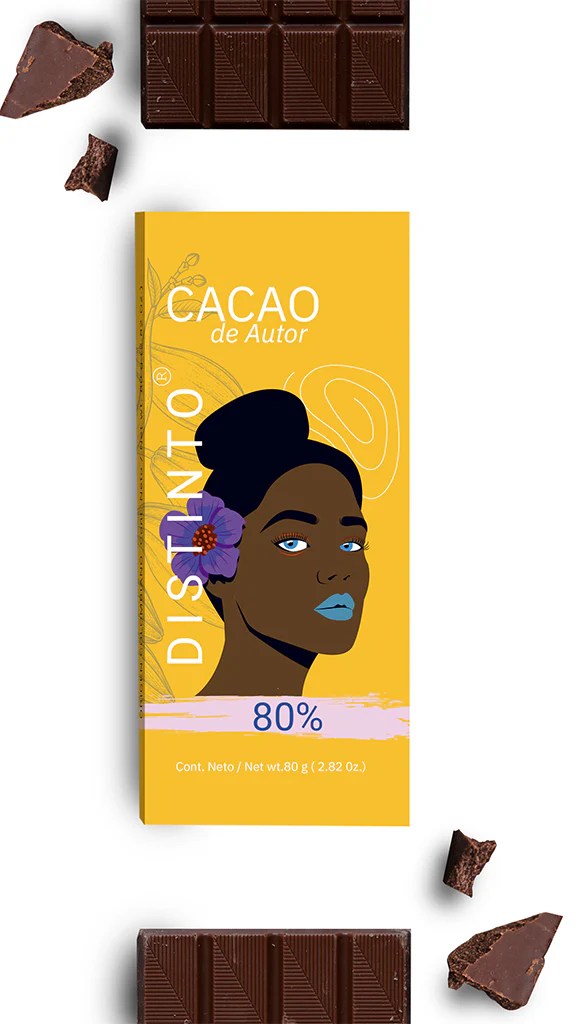
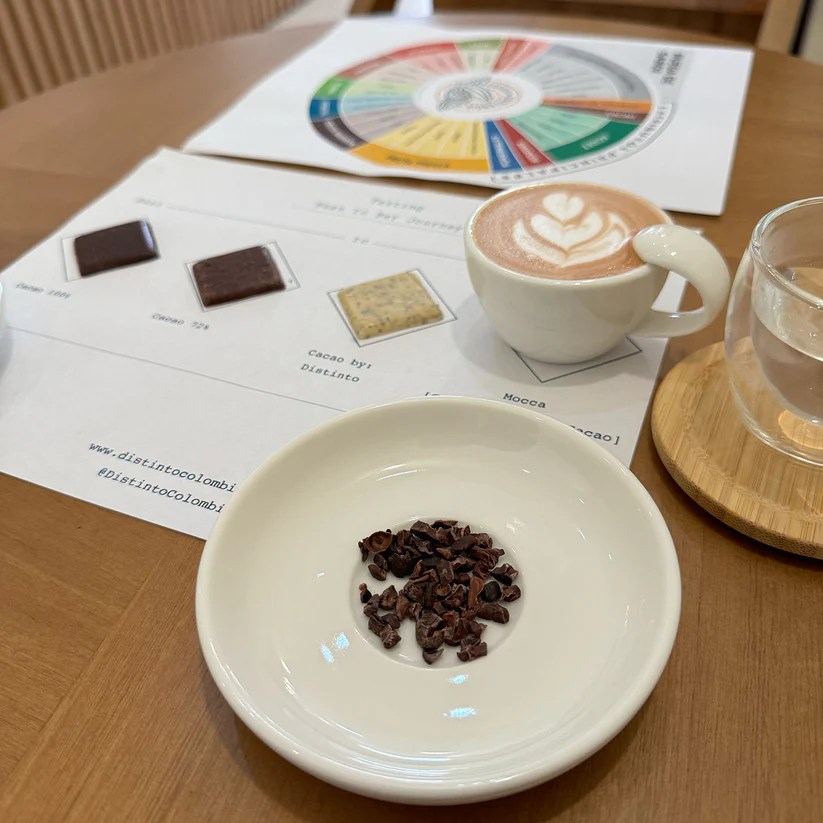
Distinto Cacao and Coffee does chocolate and coffee tastings, which I highly recommend if you are ever traveling to Bogotá, Colombia. You can learn more at the link included below:
Cacao Tasting at Distinto Cacao and Coffee – Bogotá, Colombia
https://distintocolombia.com/pages/experiencias
Experience the world of coffee and cacao in Colombia. Guided and personalized tastings, sensory workshops, and exclusive workshops to discover the best of coffee and cacao in Colombia.
Contact Information:
Distinto Cacao & Coffee
Calle 84 A # 13-53 Bogotá D.C / Colombia
Email: distintocolombia@gmail.com
References
Konar N, Fidan M, Atalar I, et al. Life cycle hotspots in chocolate production: Ingredient formulation, processing technologies, and pathways toward sustainable confectionery systems. Science of the Total Environment. 2026;108:18150.
Bryce M. Which type of chocolate has the lowest climate impact? Anthropocene Magazine. February 20, 2026. Available at: https://www.anthropocenemagazine.org/2026/02/which-type-of-chocolate-has-the-lowest-climate-impact/#:~:text=Out%20of%20this%20comparison%2C%20dark,hefty%20water%20and%20pollution%20impact.
 Sustainable RDN