New Research published in the Journal of Hazardous Materials: Plastics (2026) reveals that heat is a primary driver of microplastic release and the material of your coffee cup matters more than you think.
“To most of us, that cup feels harmless – just a convenient tool for caffeine delivery. However, if that cup is made of plastic or has a thin plastic lining, there is a high chance it’s shedding thousands of tiny plastic fragments directly into your drink.” (Liu, 2026)
“In new research published in Journal of Hazardous Materials: Plastics, researchers looked at how coffee cups behave when they get hot.” (Liu et al., 2026; Liu, 2026)
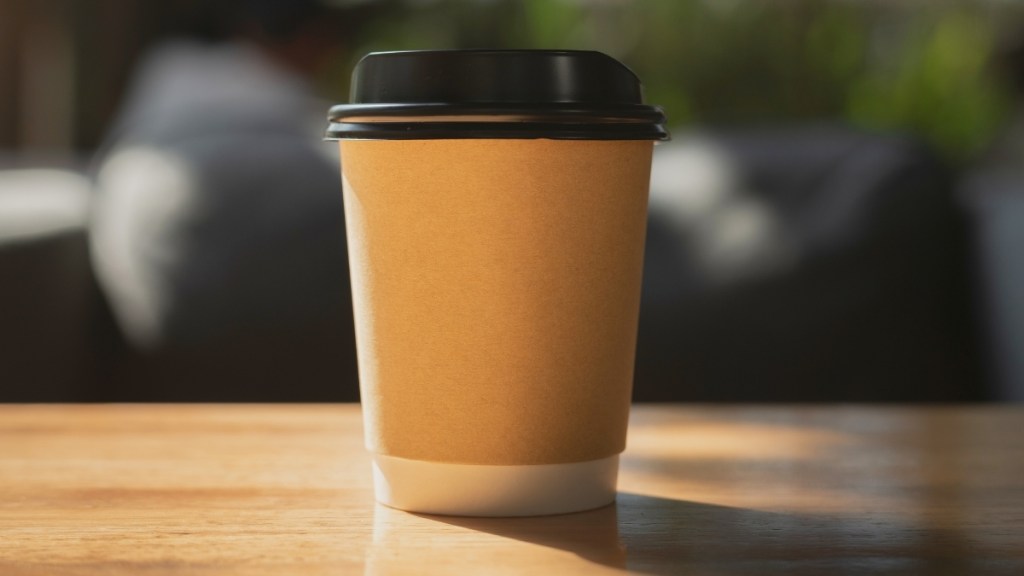
“The message is clear: heat is a primary driver of microplastic release, and the material of your cup matters more than you might think.” (Liu, 2026)
What are microplastics?
“Microplastics are fragments of plastic ranging from about 1 micrometre to 5 millimetres in size – roughly from a speck of dust to the size of a sesame seed.
They can be created when larger plastic items break down, or they can be released directly from products during normal use. These particles end up in our environment, our food, and eventually, our bodies.
Currently, we don’t have conclusive evidence on just how much of that microplastic remains in our bodies. Studies on this subject are highly prone to contamination, and it’s really difficult to accurately measure the levels of such tiny particles in human tissue.
Furthermore, scientists are still piecing together what microplastics might mean for human health in the long term. More research is urgently needed, but in the meantime, it’s good to be aware of potential microplastic sources in our daily lives.” (Liu, 2026)
Temperature matters
“First, the researchers conducted a meta-analysis – a statistical synthesis of existing research – analyzing data from 30 peer-reviewed studies. (Liu et al., 2026)
They looked at how common plastics such as polyethylene and polypropylene behave under different conditions. One factor stood out above all others: temperature.
As the temperature of the liquid inside a container increases, the release of microplastics generally increases too. In the studies we reviewed, reported releases ranged from a few hundred particles to more than 8 million particles per litre, depending on the material and study design.
Interestingly, “soaking time” – how long the drink sits in the cup – was not a consistent driver. This suggests that leaving our drink in a plastic cup for a long time isn’t as important as the initial temperature of the liquid when it first hits the plastic.” (Liu, 2026)
How to Reduce Your Exposure to Microplastics in Your Daily Diet
1. Chewing gum
“When you chew gum, you are essentially chewing a lump of plastic. Most chewing gum is made from a gum base (plastics and rubber), to which sweeteners and flavourings are added. As you chew, the gum base releases microplastics. A single gram of chewing gum can release up to 637 microplastic particles. (Rolph, 2026)
Natural gums made with plant polymers are not much better. They release a similar number of microplastics as the synthetic gum. This suggests that microplastics aren’t just coming from the gum base but could be due to the introduction of microplastics during the production or packaging process.
Most microplastics were released within the first eight minutes of chewing, so to reduce your exposure, chew one piece of gum for longer, rather than constantly popping in fresh pieces.” (Rolph, 2026)
2. Salt
“Salt may seem like a pure, simple ingredient, but studies have shown that 94% of salt products tested worldwide are contaminated with microplastics. The contamination is so widespread that sea salt has even been proposed as an indicator of microplastic pollution in the marine environment.” (Rolph, 2026)
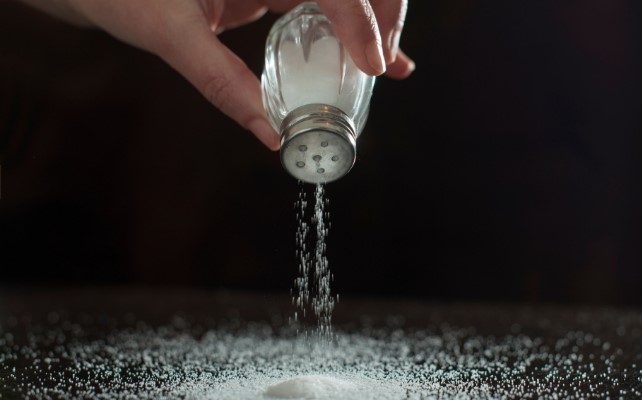
Common table salt can be a source of microplastics in your diet. (DegImages/Canva)
“Contamination has been found to be higher in terrestrial salts, such as Himalayan salt, rather than marine salts. New technologies are being investigated to help clean up sea salt; however, it is likely that much of the contamination comes from production and packaging.
Your salt grinder might also be making things worse. Disposable plastic spice grinders can release up to 7,628 particles when grinding just 0.1g of salt using a plastic grinder. To minimise your exposure, switch to a grinder with a ceramic or metal grinding mechanism and store salt in non-plastic containers.” (Rolph, 2026)
3. Apples and carrots
“Microplastic contamination of fruit and vegetables has been identified in several studies. Nanoplastics, which are plastic particles smaller than 1,000 nanometres, can enter plants through the roots. Microplastics have also been found on the surface of a variety of fruit and vegetables.
One study found apples and carrots to be the most contaminated and lettuce the least. However, microplastic contamination remains relatively small when compared with more highly processed foods.
While we don’t yet know what the effects of the microplastics are, we do know that antioxidants in fruit and vegetables, such as anthocyanins, which give fruits and vegetables their red, blue, and purple colours, keep people healthy, so keep eating them.” (Rolph, 2026)
4. Tea and coffee
“Teabags are not the only source of microplastics in your hot beverage. Tea leaves, coffee, and milk can all be contaminated with microplastics. The use of disposable plastic-lined takeaway cups is one of the biggest sources of microplastic contamination in hot drinks. High temperatures can cause the release of microplastics from the container into the beverage.” (Rolph, 2026)
“Hot drinks contain more microplastics than the iced equivalents, so switching to a cold beverage can reduce your exposure. Buying milk in glass bottles has also been shown to result in a lower microplastic load.”
“This doesn’t extend to all drinks, though. A study of bottled drinks demonstrated that soft drinks and beer stored in glass bottles had higher microplastic contamination than plastic bottles, possibly due to contamination from the painted metal bottle caps.”
“There are a few truly plastic-free teabags available – they use cotton rather than biodegradable plastics to seal their bags. Identifying these brands, however, can be tricky as there is no standard approach to labelling and not all companies are transparent about the composition of their product.”
“Overall, switching to loose leaf tea and using metal or glass reusable cups are good strategies for reducing microplastic contamination.” (Rolph, 2026)
5. Seafood
“While studies have shown that most seafood is contaminated with microplastics, what is perhaps most surprising about seafood is the amount of attention it receives compared to other food sources.
One study showed the levels of microplastics in so-called “filter feeders”, such as mussels, were just 0.2-0.70 microplastic particles per gram. This is significantly less than the 11.6 billion microplastics released when brewing a single cup of tea with a plastic tea bag.” (Rolph, 2026)
Other steps you can take
“Storing food in plastic containers and eating highly processed foods (ultra-processed foods) are both associated with high concentrations of microplastics in stool samples, so you could try to avoid these. Microwaving food in glass containers rather than plastic is also a good idea to prevent microplastics from leaching into your food.” (Rolph, 2026)
“Finally, the single biggest source of microplastics in food and drink is likely to be bottled water, with up to 240,000 particles per litre. Switching to tap water can help to significantly reduce your exposure.”
“While eliminating plastics entirely from our diets may be impossible, making these swaps should help to reduce your exposure.” (Rolph, 2026)
References
Liu X, Li D, Li Z, et al. Release of microplastics from commonly used plastic containers: Combined meta-analysis and case study. Journal of Hazardous Materials: Plastics. 2026;2: 100028. https://doi.org/10.1016/j.hazmp.2025.100028.
Liu X. Takeaway coffees may contain thousands of microplastic fragments, study warns. Science Alert. January 16, 2026. Available at: https://www.sciencealert.com/takeaway-coffees-may-contain-thousands-of-microplastic-fragments-study-warns
Rolph C. Expert reveals 5 surprising sources of microplastics in your daily diet. Science Alert. January 8, 2026. Available at: https://www.sciencealert.com/expert-reveals-5-surprising-sources-of-microplastics-in-your-daily-diet
 Sustainable RDN