September 29, 2024 is the fifth observance of the International Day of Awareness of Food Loss and Waste (IDAFLW). This year’s theme is: ‘Climate Finance for Food Loss and Waste Reduction.’
This day highlights the critical need for financing to bolster efforts to reduce food loss and waste, contribute to achieving climate goals and advancing the 2030 Agenda for Sustainable Development.
The world produces enough food to feed everyone, and yet millions suffer from hunger and malnutrition. Food loss and waste exacerbate this problem by reducing the amount of food available for consumption, thus contributing to food insecurity. Many of the most highly nutritious foods, such as fresh produce, fishery, and animal products are highly perishable and sustain high levels of food loss.
Reducing food losses and waste is essential in a world where the number of people affected by hunger has been slowly on the rise since 2014, and tons and tons of edible food are lost and/or wasted every day.
Globally, around 13.2 percent of food produced is lost between harvest and retail, while an estimated 19 percent of total global food production is wasted in households, in the food service and in retail all together.
Food loss and waste also translate into a substantial economic loss. This impacts not only producers but also consumers and nations, not to mention livelihoods and economic stability. Moreover, food waste in landfills contributes to 8 to 10 percent of total agrifood system emissions, impacting climate change and environmental sustainability.
Get involved!
On this International Day, visit the FAO and UNEP websites, consult its key messages and areas of action to solve food loss and waste, and spread the message through its material in different languages.
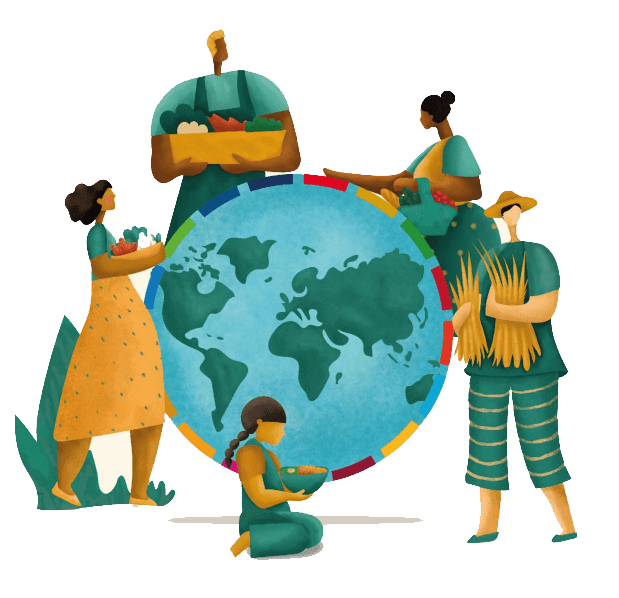
Reducing food loss and waste is a climate solution, which countries and communities can employ to reduce greenhouse gas emissions. Successfully doing so will require a significant increase in the quality and quantity of accessible climate finance.
IDAFLW 2024 – Key messages
- A significant increase in the quality and quantity of accessible climate finance is needed to improve financing of projects and programs to reduce food loss and waste.
- Investments that reduce food loss and waste contribute to improving food security, reduce greenhouse gas emissions, enable healthy diets, and contribute to ensuring a future where food availability is not threatened by climate.
- Equipping value chain stakeholders with climate smart funding can contribute to achieving significant incremental impacts in mitigating GHG emissions and building resilience.
- Investing in the circular economy to reduce food loss and waste, contributes to reducing GHG emissions while generating returns for investors and benefits that outweigh the costs.
- Countries must take action to reduce food loss and waste.
- Profound change in the prevention and reduction of food loss and waste can only take place when countries develop and allocate sufficient human, organizational and institutional capacity to tackle the issues from production to consumption.
An inside look at Brazil’s push to end food waste (2024)
https://www.unep.org/news-and-stories/story/inside-look-brazils-push-end-food-waste
At age 19, Regina Tchelly left her small hometown in north-east Brazil and arrived in Rio de Janeiro with a dream: to become a famous chef.
When she got there, Tchelly, who was raised to never waste food, was saddened to see how often street vendors threw away good food.
That set Tchelly on a new culinary path. She began taking home discarded food from her work as a maid and created innovative recipes, like banana peel gingerbread and broccoli stalk quiche. That experience would eventually lead her to found Favela Orgânica. The organization has taught thousands of low-income individuals, street vendors and chefs how to waste less food, counter hunger and tackle the often devastating environmental effects that come with food waste.
“There should be no such thing as throwing away,” says Tchelly, now 42. “We’re throwing away our planet. We need to change our behaviour. We’re in a climate crisis. Here, people learn how healthy food and sustainable habits can benefit both our health and the planet.”
Tchelly is part of a growing movement in Brazil to cut down on food waste, which is quickly spreading around the world.
Learn more about Favela Orgánica in Rio de Janeiro, Brazil at:
Description
Favela Orgánica started in an informal settlement in Rio to encourage food sovereignty through healthy eating habits in low-income communities. Since 2011, Regina Tchelly, the founder of the initiative, organizes workshops to teach people how to prepare healthy meals using parts of the vegetables they would normally throw away (peels, stalks, etc.), reducing food waste and making them conscious of the benefits that organic agriculture brings to our health and to the environment.
The project also offers information on how to make compost and encourages people to create vegetable gardens in their houses.
Test Your Knowledge: Why Does Food Loss and Waste Matter:
https://www.stopfoodlosswaste.org/international-day/take-quiz
References
United Nations. International Day of Awareness on Food Loss and Waste Reduction
29 September. September 29, 2024. Available at: https://www.un.org/en/observances/end-food-waste-day
United Nations. An inside look at Brazil’s push to end food waste. March 27, 2024. Available at: https://www.unep.org/news-and-stories/story/inside-look-brazils-push-end-food-waste
Recording: Virtual Meeting: Fifth Observance of the International Day of Awareness of Food Loss and Waste (IDAFLW) https://www.fao.org/webcast/home/en/item/6762/icode/
 Sustainable RDN